Why are Vietnamese people less likely to struggle with obesity compared to many Western countries?
The answer is not a single secret ingredient or miracle dish. Instead, it is a combination of culture, cooking style, fresh ingredients, and lifestyle habits. Vietnamese cuisine is built around balance, simplicity, and natural foods that nourish the body without overwhelming it.
In this article, we will explore why Vietnamese food is considered one of the healthiest cuisines in the world and how its traditions help people maintain a lighter and healthier lifestyle.
A Food Culture Built Around Balance
One of the most important reasons Vietnamese people tend to maintain a healthy weight is the philosophy behind their food. Vietnamese cooking focuses on balance rather than excess.
Meals typically combine several elements:
- Fresh herbs
- Lean proteins
- Rice or rice noodles
- Vegetables
- Light broths
- Natural seasonings
Instead of relying on heavy creams, butter, or rich sauces, Vietnamese dishes use herbs, lime, chili, fish sauce, and other light ingredients to create flavor.
This means people can enjoy meals that are full of taste without being overloaded with calories.
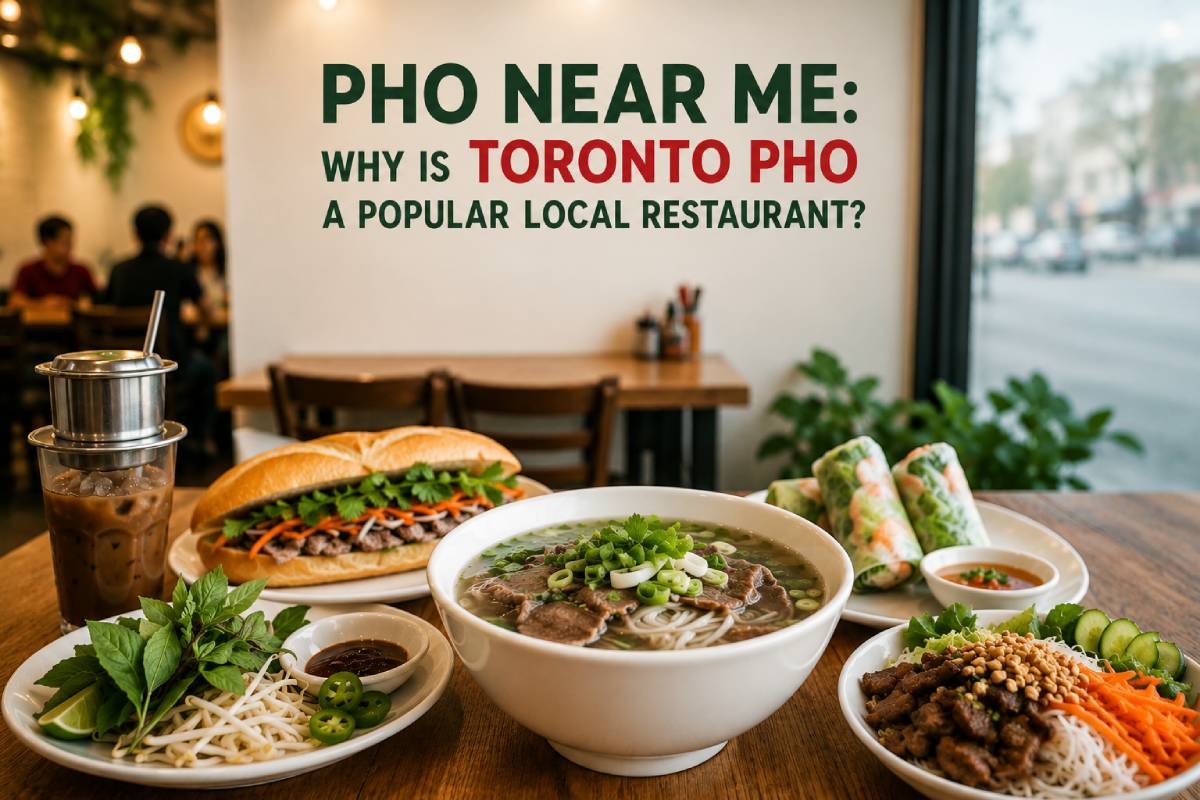
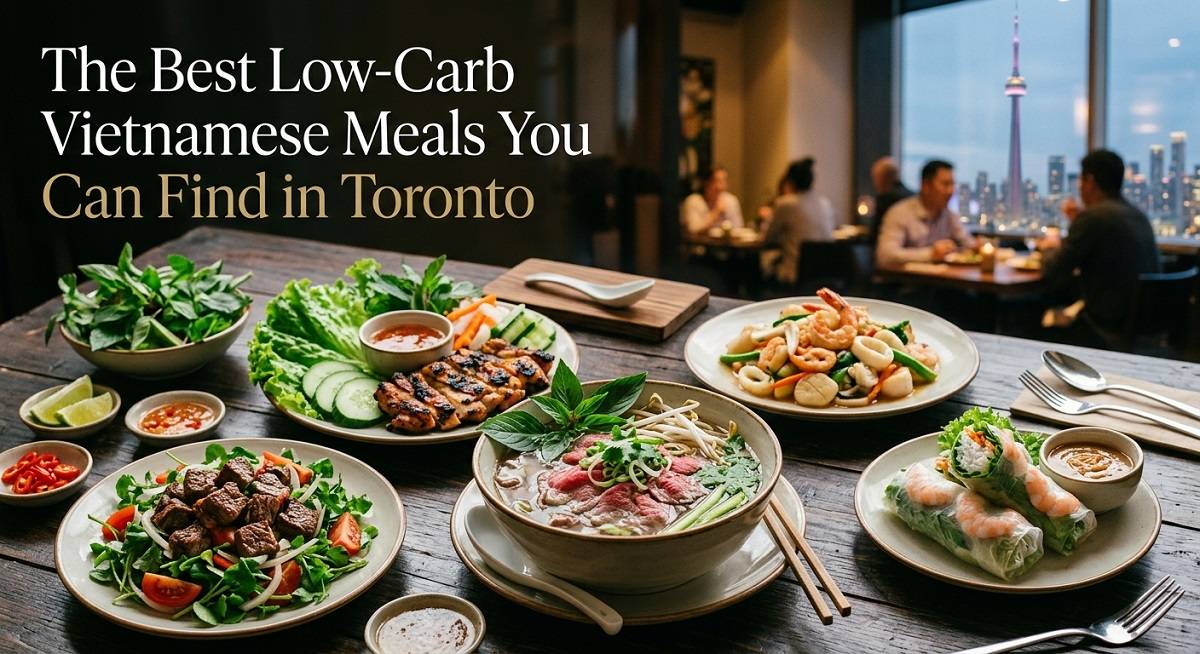
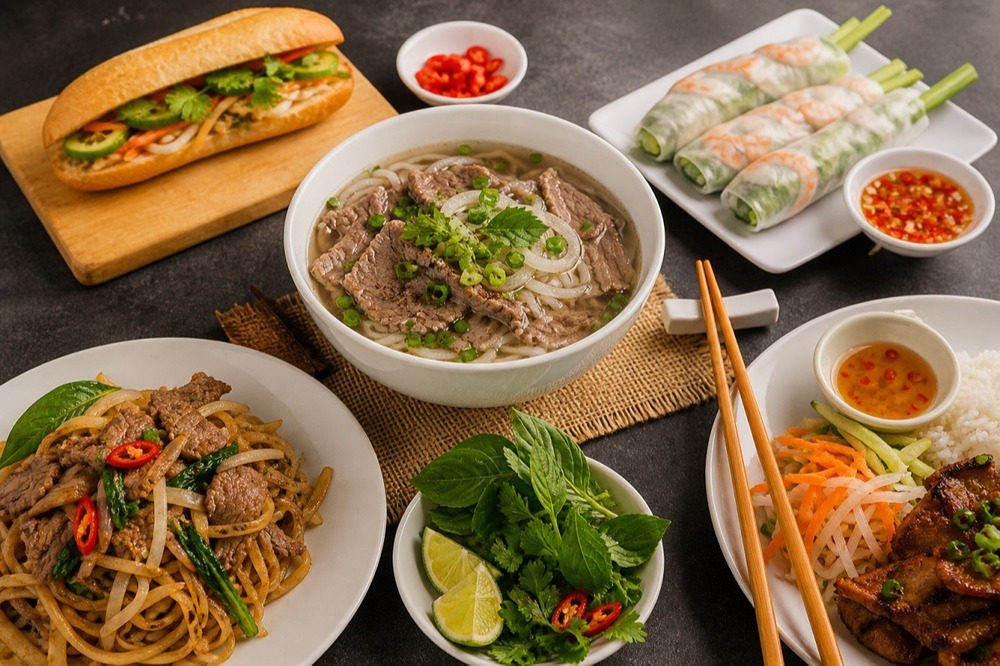
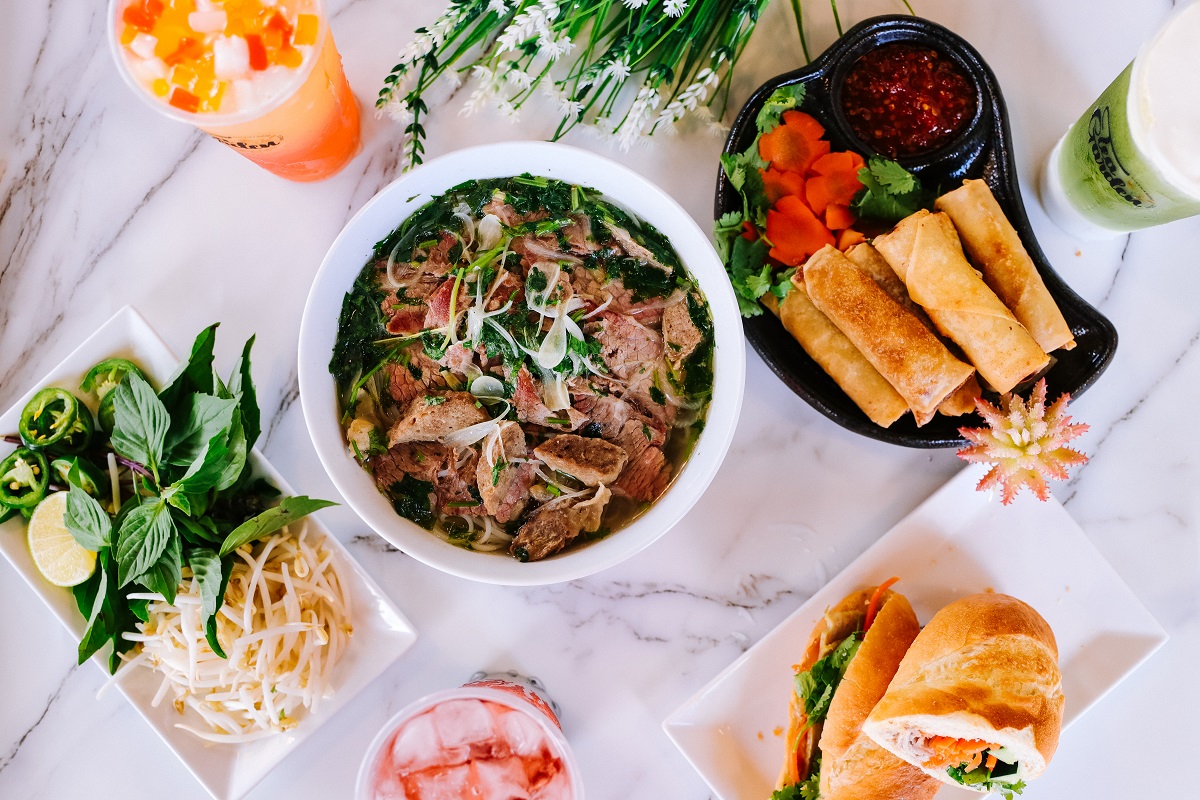
Many Vietnamese dishes are also portion-balanced. A bowl of pho, for example, contains broth, noodles, herbs, and protein in a proportion that satisfies hunger without encouraging overeating.
Fresh Ingredients Play a Huge Role
Another key factor behind the health of Vietnamese cuisine is the emphasis on fresh ingredients.
Vegetables and herbs are not simply decorations on the plate. They are essential parts of almost every dish. Common herbs include:
- Thai basil
- Cilantro
- Mint
- Sawtooth coriander
- Green onions
These herbs provide vitamins, antioxidants, and digestive benefits.
Vegetables are also present in large quantities in Vietnamese meals. Bean sprouts, cucumbers, lettuce, carrots, cabbage, and pickled vegetables appear frequently.
Because meals contain so many plant-based ingredients, they are naturally lower in calories and higher in nutrients.
Fresh foods also tend to contain fewer preservatives and less added sugar than heavily processed meals.
The Power of Broth-Based Meals
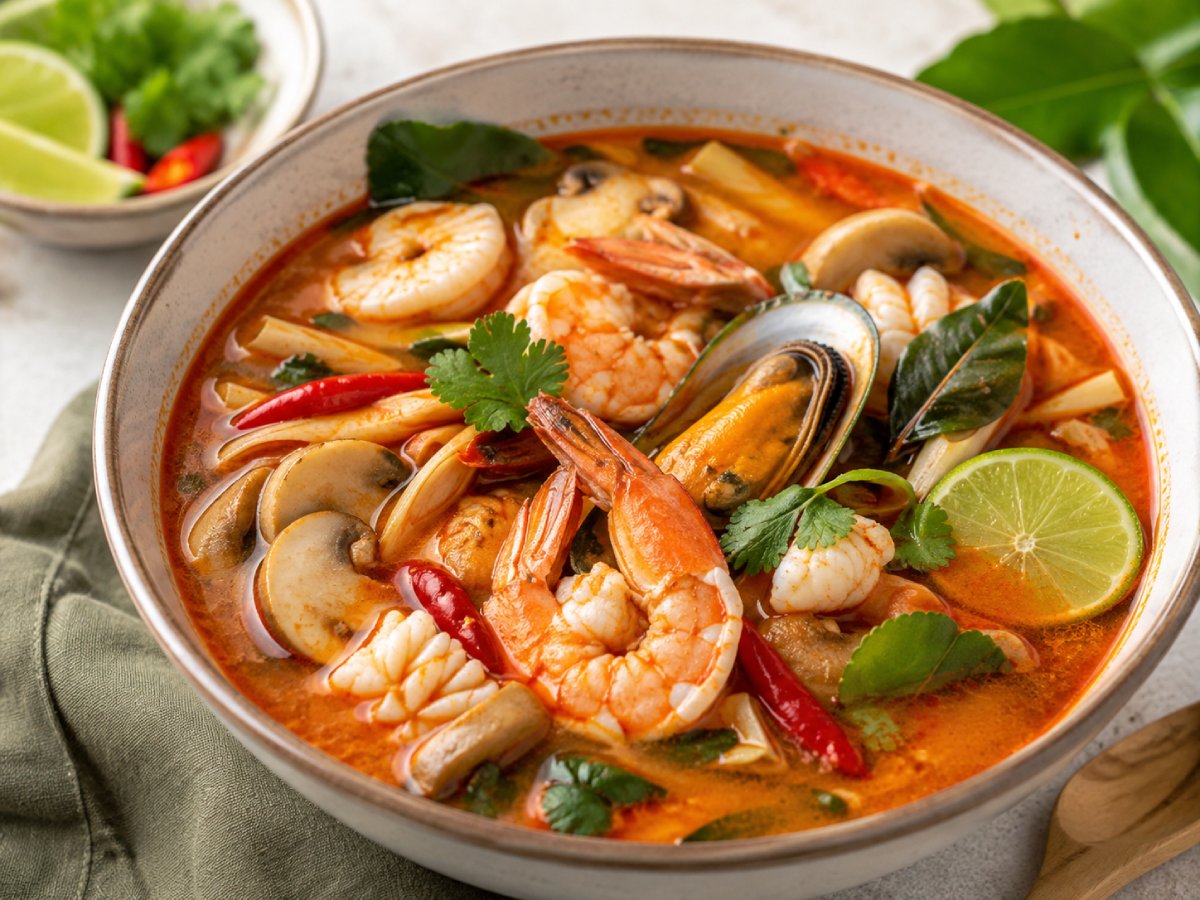
One of the most famous Vietnamese dishes is pho, a noodle soup known for its rich broth and aromatic herbs.
Soup-based meals are extremely important in Vietnamese cuisine. Unlike heavy stews found in some cultures, Vietnamese soups are typically light and clear.
A bowl of pho includes:
- Rice noodles
- Beef or chicken
- Bone broth
- Fresh herbs
- Lime and chili
This type of meal offers protein, hydration, and flavor without excessive fat.
Research has shown that soup-based meals may help people feel full while consuming fewer calories. The broth adds volume to the meal, making it satisfying without being heavy.
This is one reason pho has become popular around the world as a comforting yet relatively healthy dish.
Cooking Methods That Keep Food Light
Vietnamese cooking techniques also contribute to healthier meals.
Many dishes are prepared using methods such as:
- Steaming
- Grilling
- Light stir-frying
- Simmering
Deep frying exists in Vietnamese cuisine, but it is used less frequently compared to some other culinary traditions.
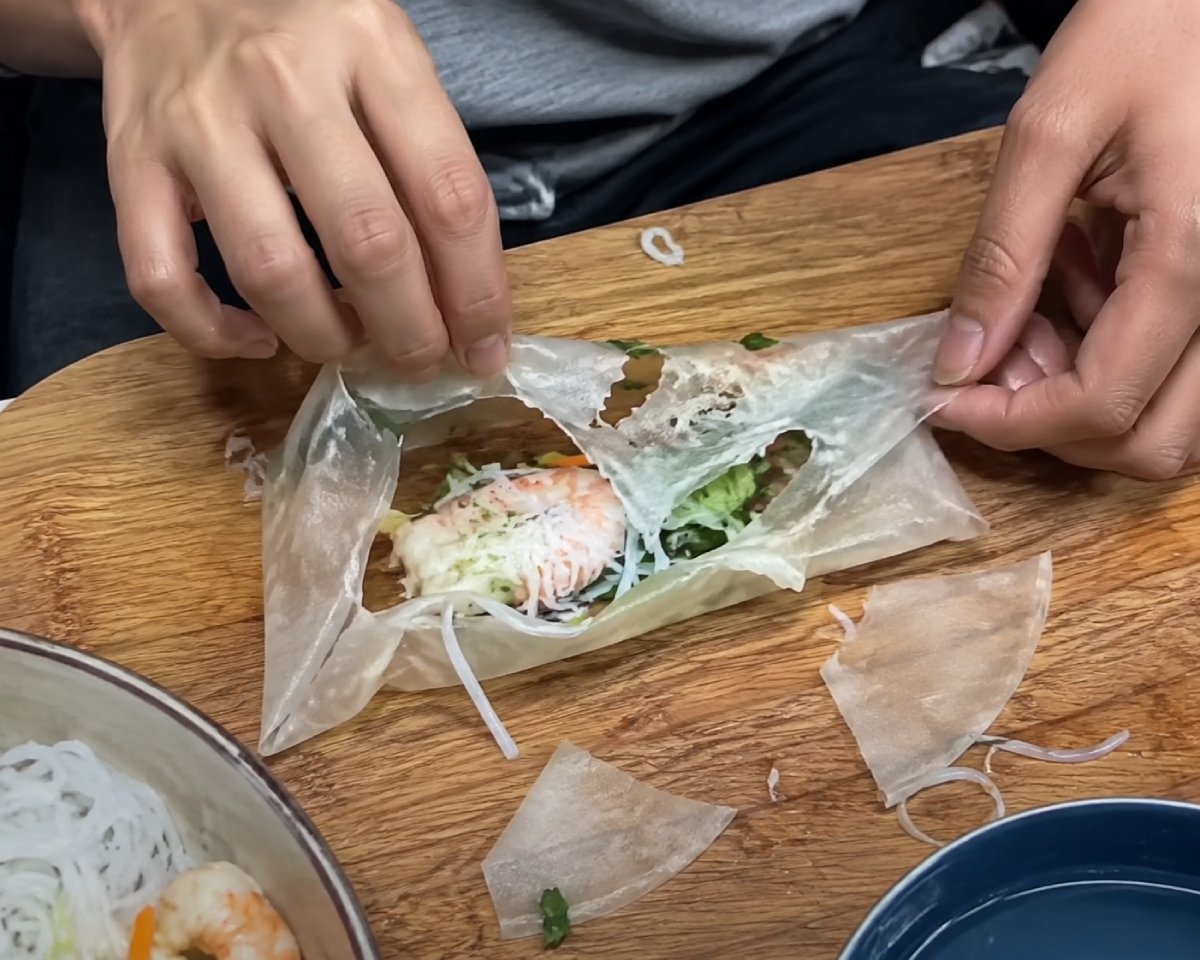
For example, spring rolls can be served in two forms:
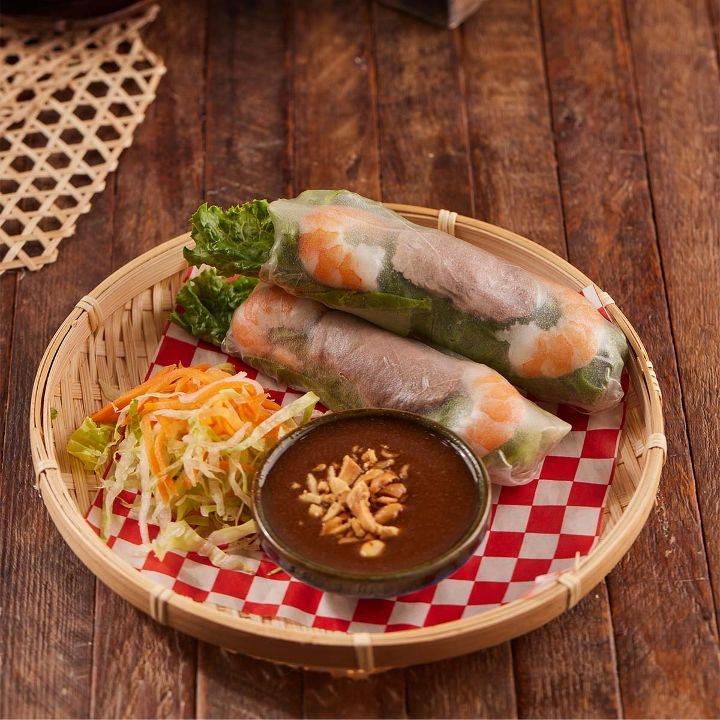
- Fresh spring rolls (Goi Cuon) – wrapped in rice paper with vegetables, herbs, and shrimp or pork
- Fried spring rolls (Cha Gio) – crispy and deep fried
Interestingly, the fresh version is extremely common in everyday meals, making it a healthier choice.
Grilled meats are also popular, often served with herbs and vegetables rather than heavy sauces.
These cooking techniques help maintain the natural flavors of ingredients while reducing unnecessary calories.
Portion Sizes Are Naturally Smaller
Portion size is one of the biggest contributors to obesity in many countries.
In places where large portions are common, people often eat more than their bodies actually need.
Vietnamese meals tend to follow a different approach.
Instead of serving a single oversized plate, many meals are shared family-style with multiple small dishes. Each person takes moderate portions and balances their meal with vegetables, rice, and protein.
This style of eating encourages mindful consumption rather than overeating.
Street food culture in Vietnam also promotes smaller portions. Many dishes are designed as light meals or snacks rather than oversized servings.
Herbs and Spices Support Digestion
Vietnamese cuisine uses a wide range of herbs and spices that not only add flavor but also support digestion and metabolism.
Ingredients such as:
- Ginger
- Chili
- Garlic
- Lemongrass
- Mint
are believed to help stimulate digestion and reduce bloating.
Many herbs also have natural anti-inflammatory and antioxidant properties.
For example, ginger and garlic are widely studied for their potential benefits for heart health and immune support.
These ingredients make Vietnamese food flavorful while also contributing to overall wellness.
Less Sugar and Dairy in Traditional Dishes
Another reason Vietnamese cuisine is relatively light is the limited use of dairy and refined sugar in many traditional recipes.
Unlike Western dishes that often rely on cheese, cream, and butter, Vietnamese meals rarely use dairy products.
This automatically reduces the amount of saturated fat in the diet.
Sugar is also used more moderately in many savory dishes. While certain sauces and desserts do contain sugar, everyday meals are not typically dominated by it.
Instead, natural flavors from herbs, citrus, and fermented sauces create complexity without excessive sweetness.
A Lifestyle That Encourages Activity
Food alone does not explain everything about weight and health.
Lifestyle habits also play a role.
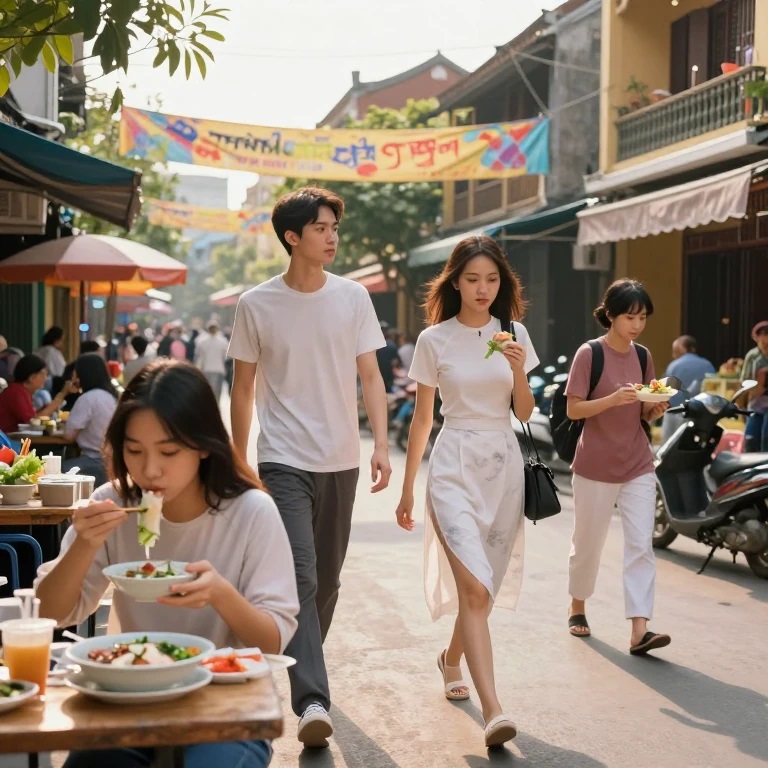
In many Vietnamese cities and towns, daily life involves more physical movement. People walk to markets, ride bicycles or motorbikes, and stay active throughout the day.
Meals are often eaten slowly and socially, which may help people recognize when they are full.
This balance between food and activity supports healthier weight management.
Rice and Noodles Are Not the Enemy
Many people assume that rice or noodles automatically lead to weight gain.
However, in Vietnam these foods are consumed in balanced portions and often paired with vegetables and protein.
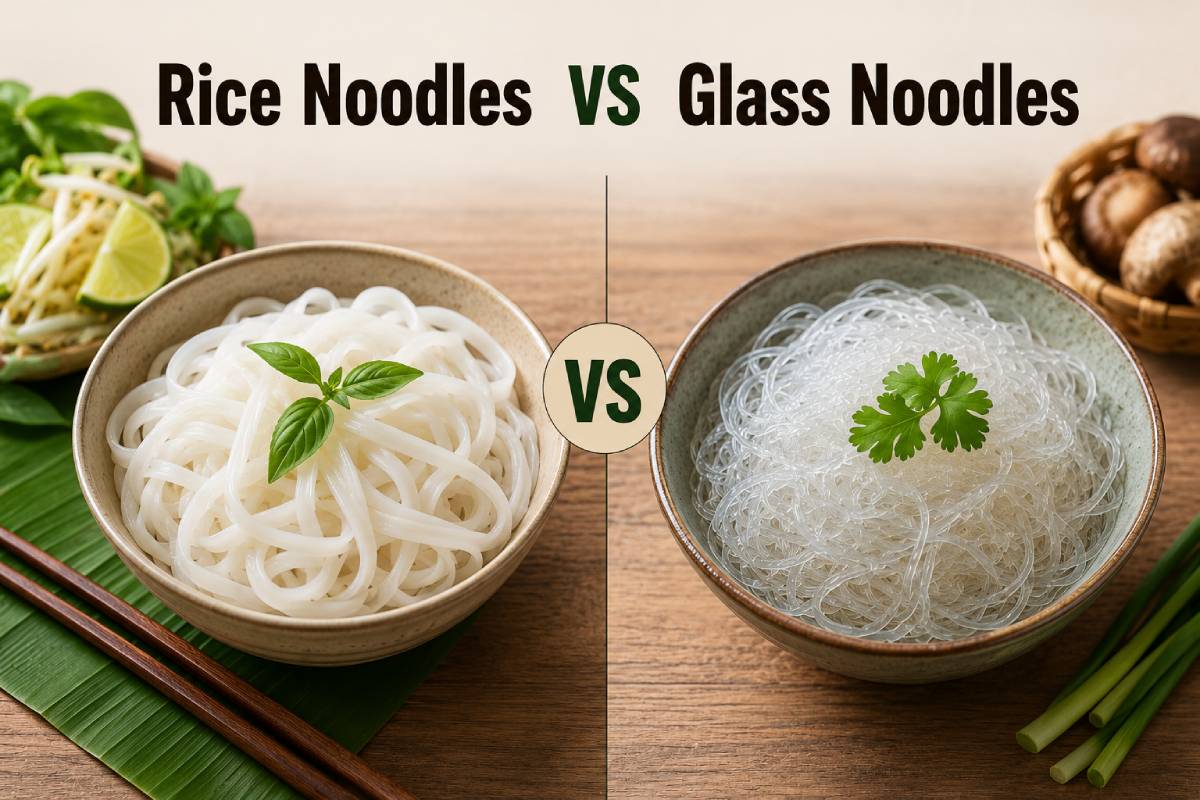
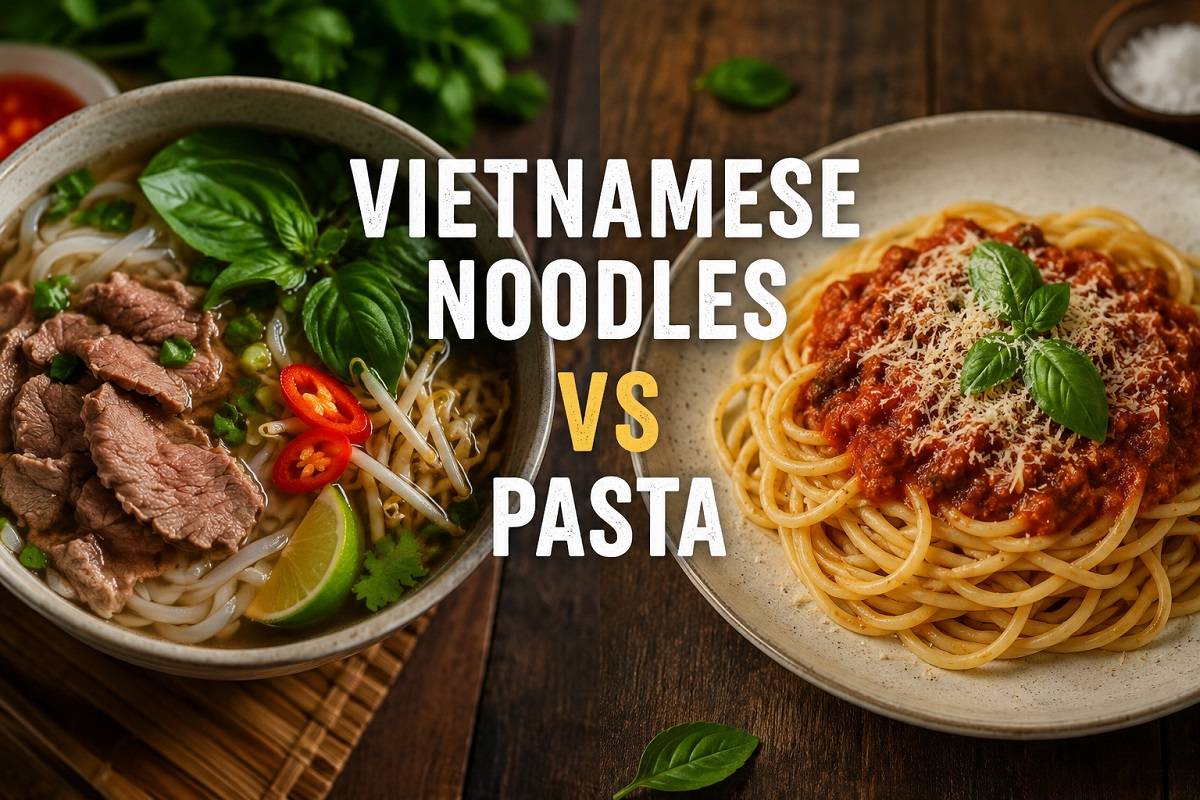
Rice noodles used in dishes like pho or bun are typically lighter than wheat-based pasta and are served with plenty of herbs and broth.
The key difference is moderation and balance.
Instead of massive servings of refined carbohydrates, Vietnamese meals combine rice or noodles with vegetables and lean protein.
This combination helps stabilize energy levels and prevent overeating.
Fermented Ingredients Support Gut Health
Vietnamese cuisine also includes fermented ingredients that may support digestion and gut health.
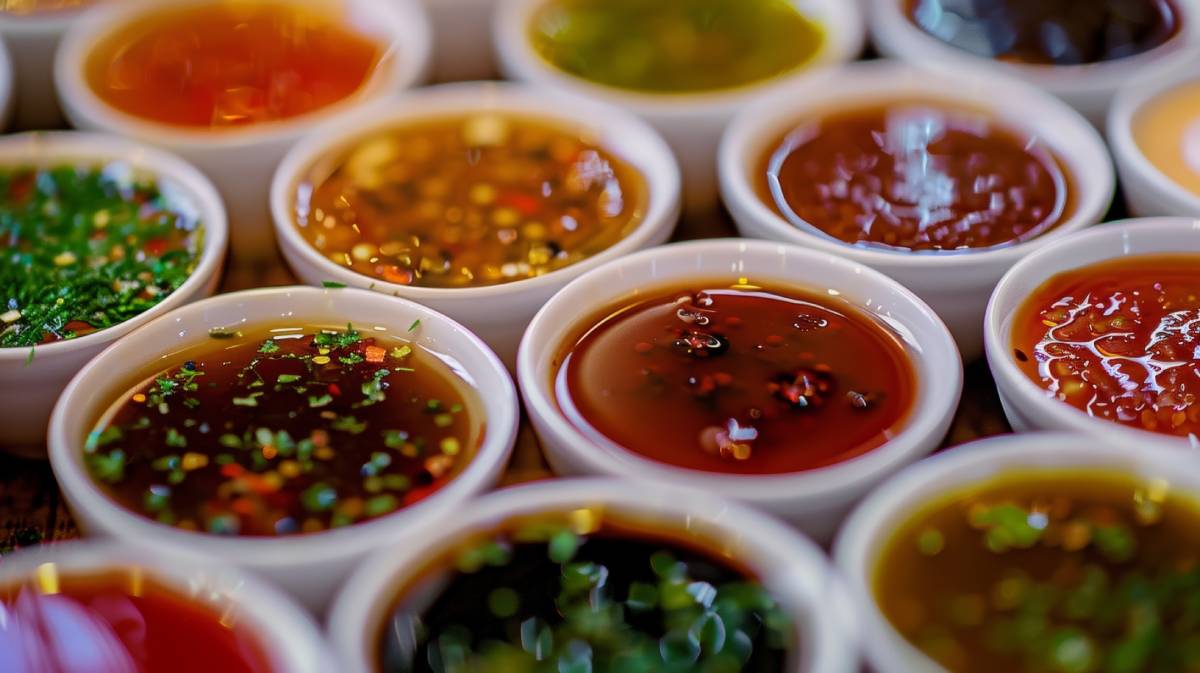
Fish sauce, a staple in Vietnamese cooking, is made through fermentation. While it should be used in moderation due to sodium content, it adds depth of flavor and may contain beneficial compounds produced during fermentation.
Pickled vegetables are also common in Vietnamese dishes. These tangy additions provide flavor while contributing beneficial bacteria that support digestive health.
Healthy digestion can play a role in overall metabolic balance and well-being.
A Culture That Values Fresh Cooking
Another important factor is that many Vietnamese meals are prepared fresh rather than heavily processed.
Street vendors and home cooks often prepare dishes daily using fresh ingredients purchased from local markets.
Processed frozen meals and ultra-processed snacks are less central to traditional Vietnamese eating habits.
Fresh cooking naturally reduces the intake of preservatives, artificial additives, and excess sodium often found in processed foods.
The Global Rise of Vietnamese Healthy Cuisine
Over the past decade, Vietnamese food has gained international popularity not only for its flavor but also for its health benefits.
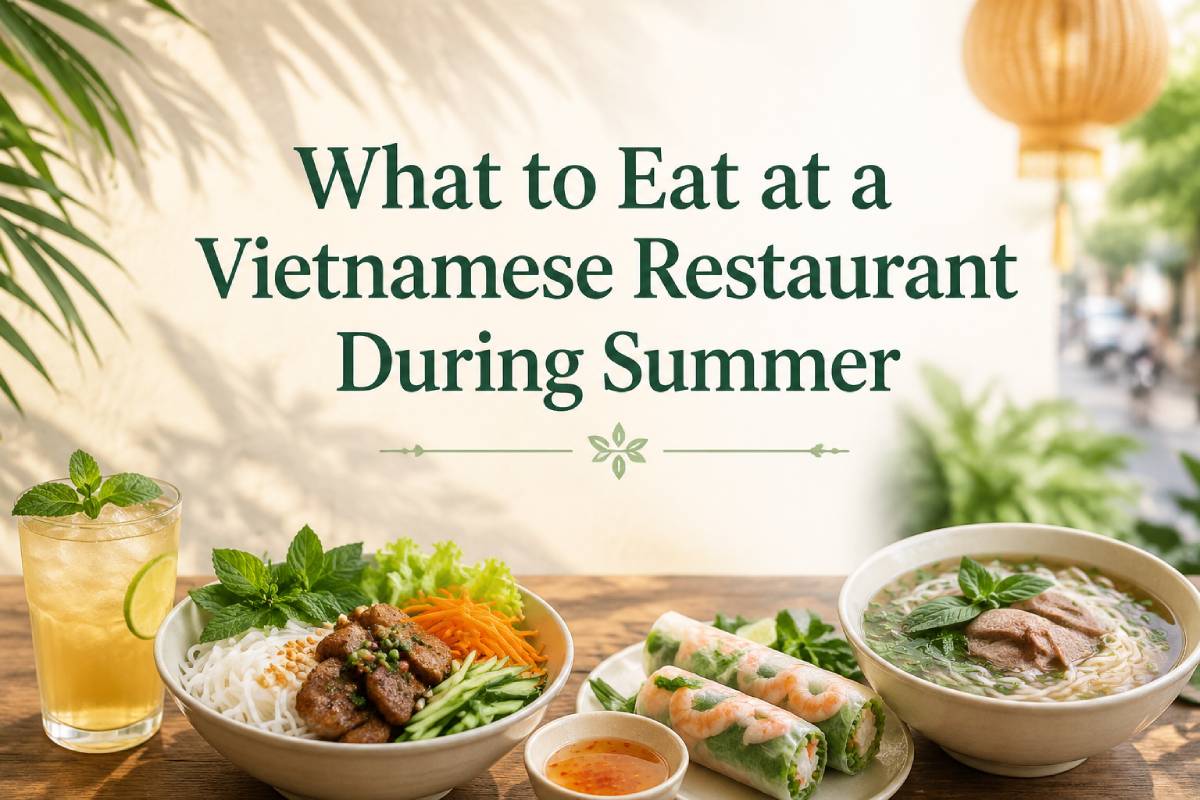
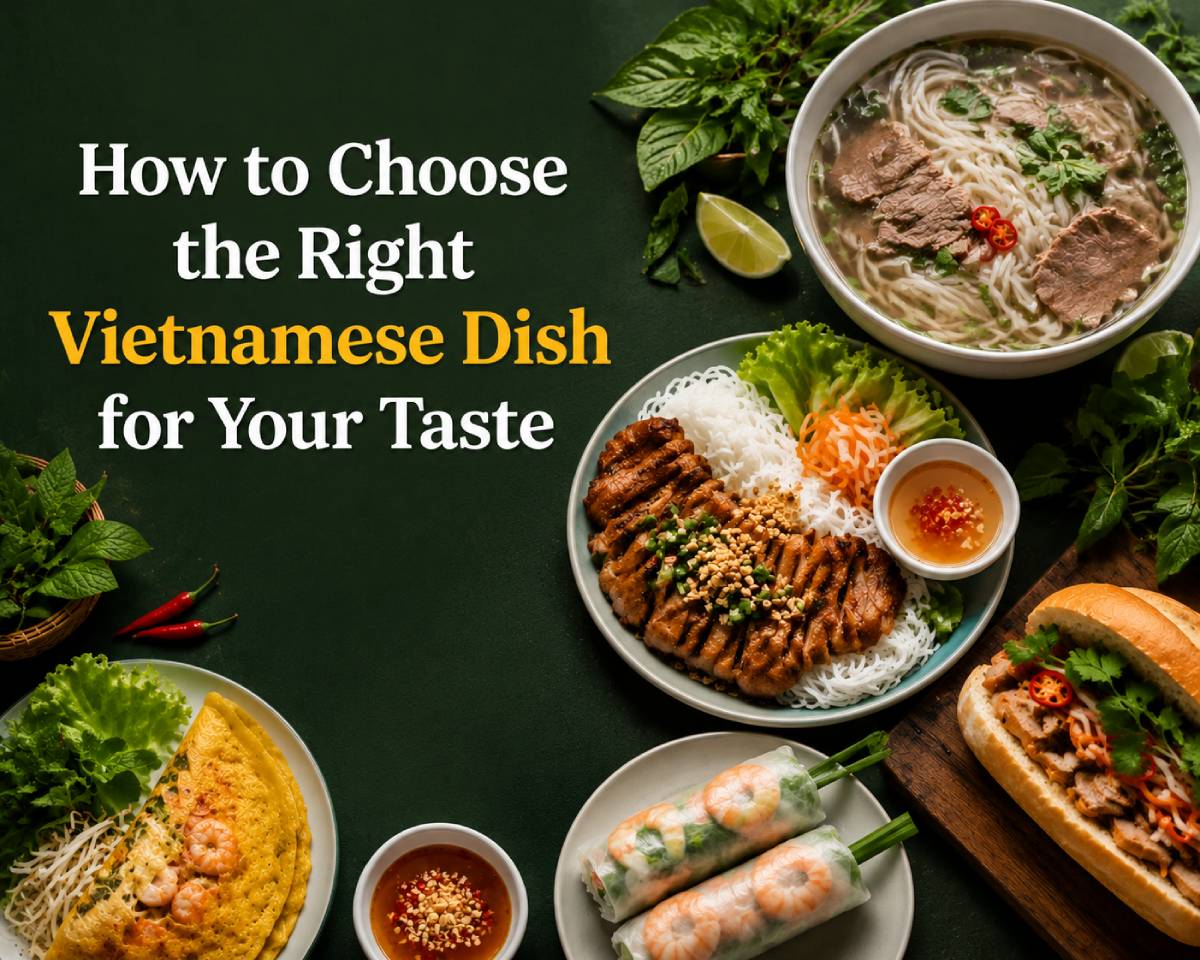
Restaurants around the world now serve dishes such as:
- Pho noodle soup
- Fresh spring rolls
- Vermicelli bowls
- Grilled lemongrass chicken
These dishes appeal to people looking for meals that are satisfying but not overly heavy.
Nutrition experts often highlight Vietnamese cuisine as a great example of how traditional foods can be both delicious and balanced.
What We Can Learn from Vietnamese Eating Habits
You do not have to live in Vietnam to learn from its food culture.
Several habits from Vietnamese cuisine can easily be applied to everyday life.
For example:
- Add more fresh herbs and vegetables to meals
- Choose broth-based soups instead of heavy sauces
- Balance carbohydrates with protein and vegetables
- Eat slowly and pay attention to portion sizes
- Cook fresh ingredients whenever possible
These simple changes can make a big difference in overall health and energy levels.
The Real Secret Behind Healthy Vietnamese Food
So, what is the real secret behind the lighter and healthier nature of Vietnamese cuisine?
It comes down to a few key principles:
Fresh ingredients, balanced meals, simple cooking techniques, and mindful eating.
Vietnamese food proves that healthy eating does not have to be boring or restrictive. Flavorful herbs, aromatic broths, and vibrant vegetables create meals that are satisfying without being heavy.
When people enjoy food that nourishes their bodies and tastes amazing at the same time, maintaining a healthy lifestyle becomes much easier.
Final Thoughts
The reason Vietnamese people are less likely to struggle with obesity is not due to a single superfood or strict diet. It is the result of a culinary tradition built on balance, freshness, and moderation.
From the light broth of pho to the vibrant herbs in fresh spring rolls, Vietnamese cuisine offers a model for how food can be both delicious and nourishing.
As more people around the world discover Vietnamese cooking, they are also discovering that healthy food can still be full of flavor, culture, and joy.
And perhaps that is the true secret behind the enduring appeal of Vietnamese cuisine.
Here are some delicious food and drinks to try when ordering from PHO restaurants in Toronto:
VermicelIi Noodle in Tomato Soup (Bún Riêu)
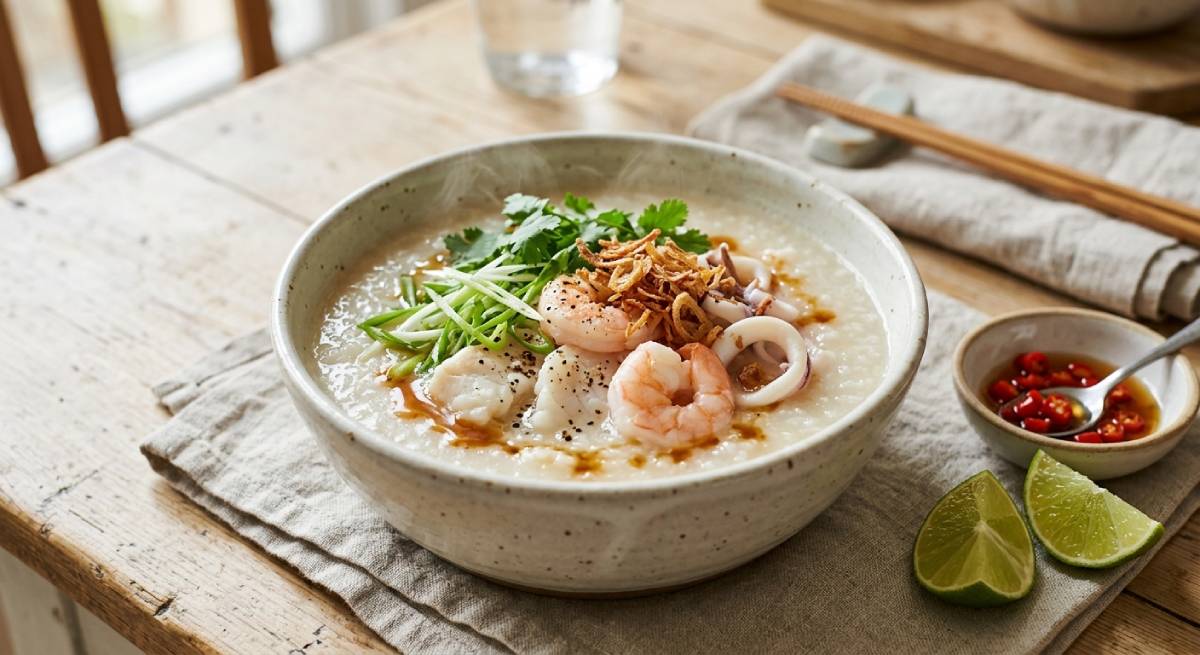
Pork Blood Jelly Congee (Cháo Huyết)
Grilled Pork Roll (Thịt Nướng Cuốn)
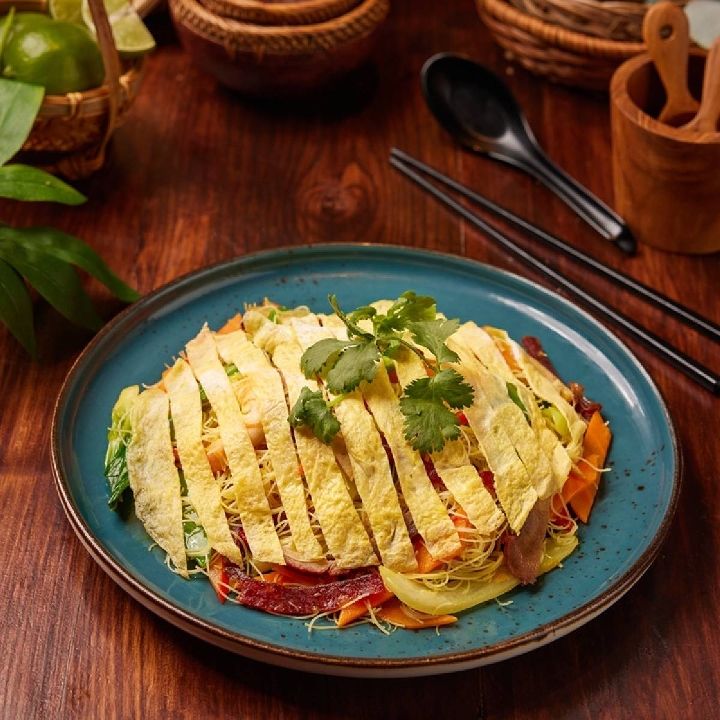
Stir Fried Rice Noodle with Seafood. (Hủ Tíu Xào Đồ Biển)