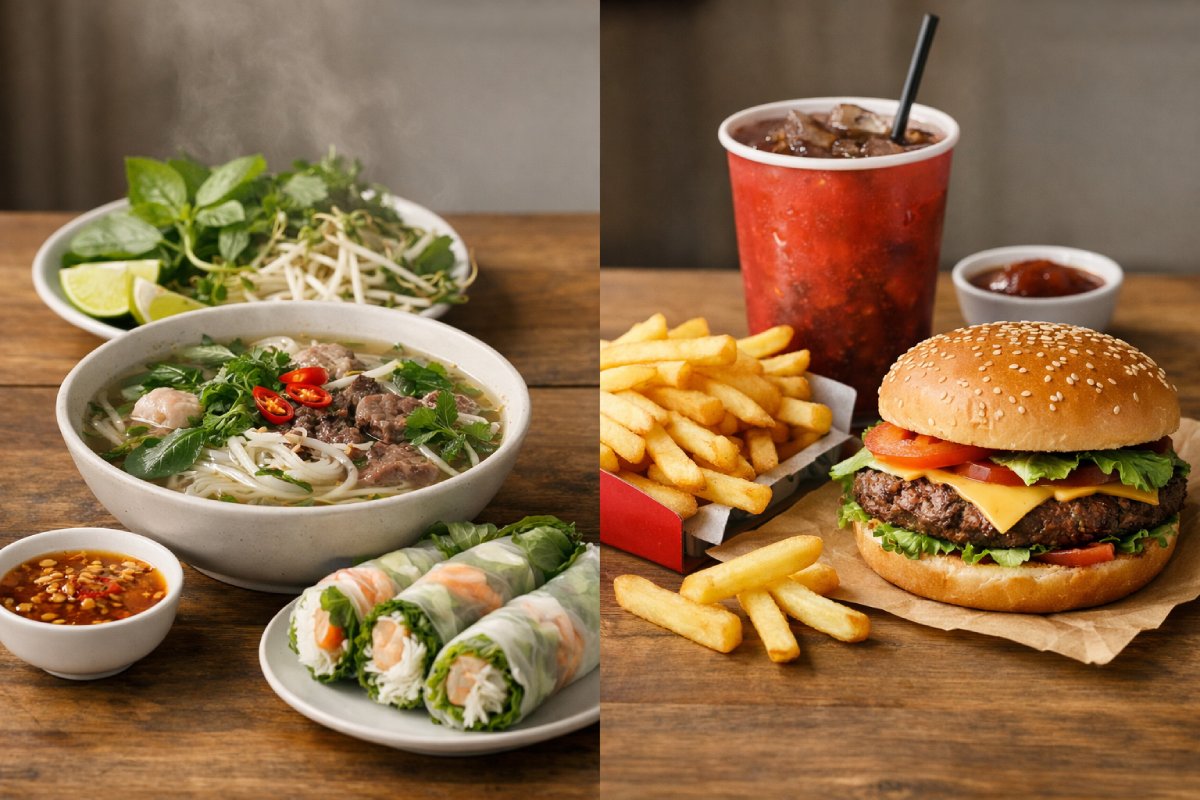
What Do We Mean by “Fast Food”?
Fast food usually means meals that are:
- Highly processed
- Cooked quickly using industrial methods
- High in calories, salt, unhealthy fats, and added sugars
Think burgers, fries, fried chicken, pizza, sugary drinks, and oversized portions designed to be cheap, fast, and addictive.
Fast food isn’t just about speed it’s about how the food is made and what’s added to it to boost flavour, shelf life, and profit.
What Defines Vietnamese Food?
Vietnamese food is built very differently. Traditionally, meals are:
- Cooked fresh or close to fresh
- Built around rice, noodles, herbs, vegetables, and lean proteins
- Lightly seasoned, not drowned in sauces
- Balanced in texture, flavour, and temperature
Vietnamese cooking focuses on balance, not extremes. Meals usually combine:
- Protein (meat, seafood, tofu)
- Carbs (rice or rice noodles)
- Vegetables and herbs
- Broth or light sauces instead of heavy oils
This structure alone puts Vietnamese food in a very different category than most fast food.
Ingredients: Fresh vs Processed
One of the biggest differences is ingredient quality.
Fast Food Ingredients
Fast food relies heavily on:
- Processed meats
- Refined flours
- Preservatives and stabilizers
- Artificial flavours
- Added sugars and sodium
These ingredients are designed to last long, cook fast, and taste intense not to nourish your body.
Vietnamese Food Ingredients
Vietnamese meals usually include:
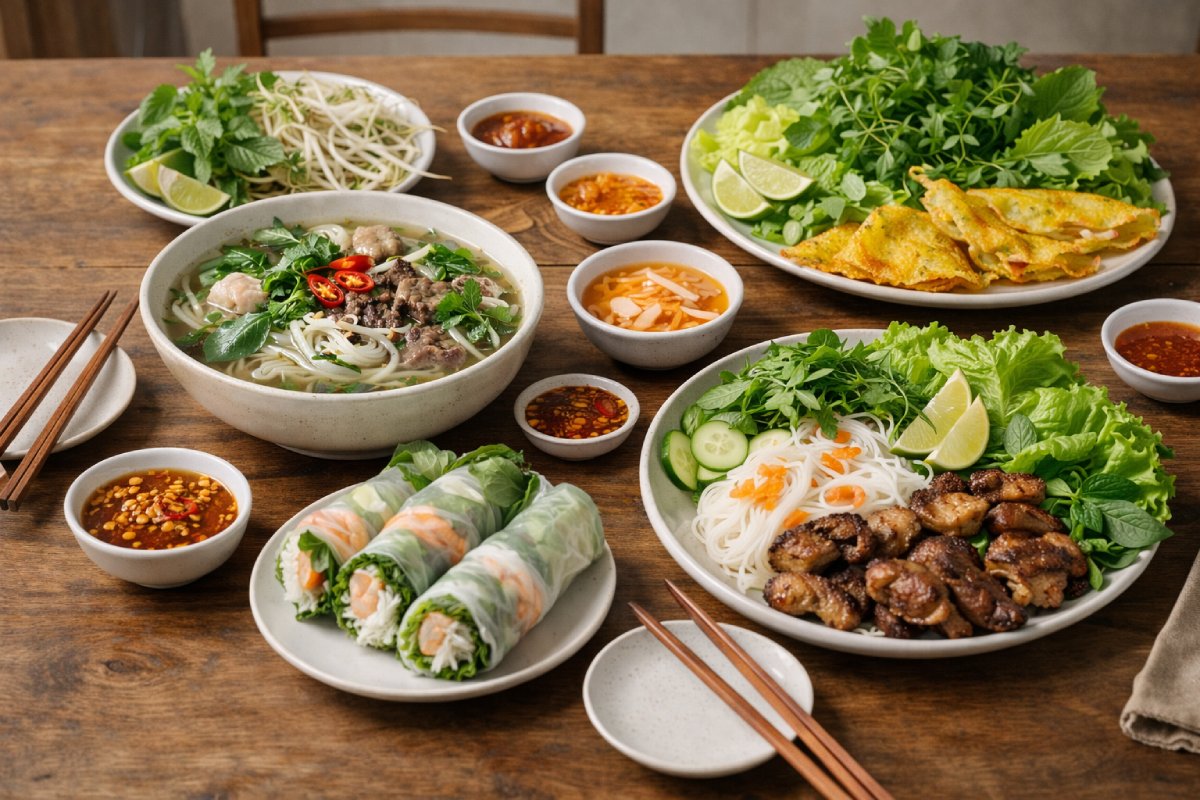
- Fresh herbs like cilantro, basil, and mint
- Vegetables like bean sprouts, lettuce, cucumber, and greens
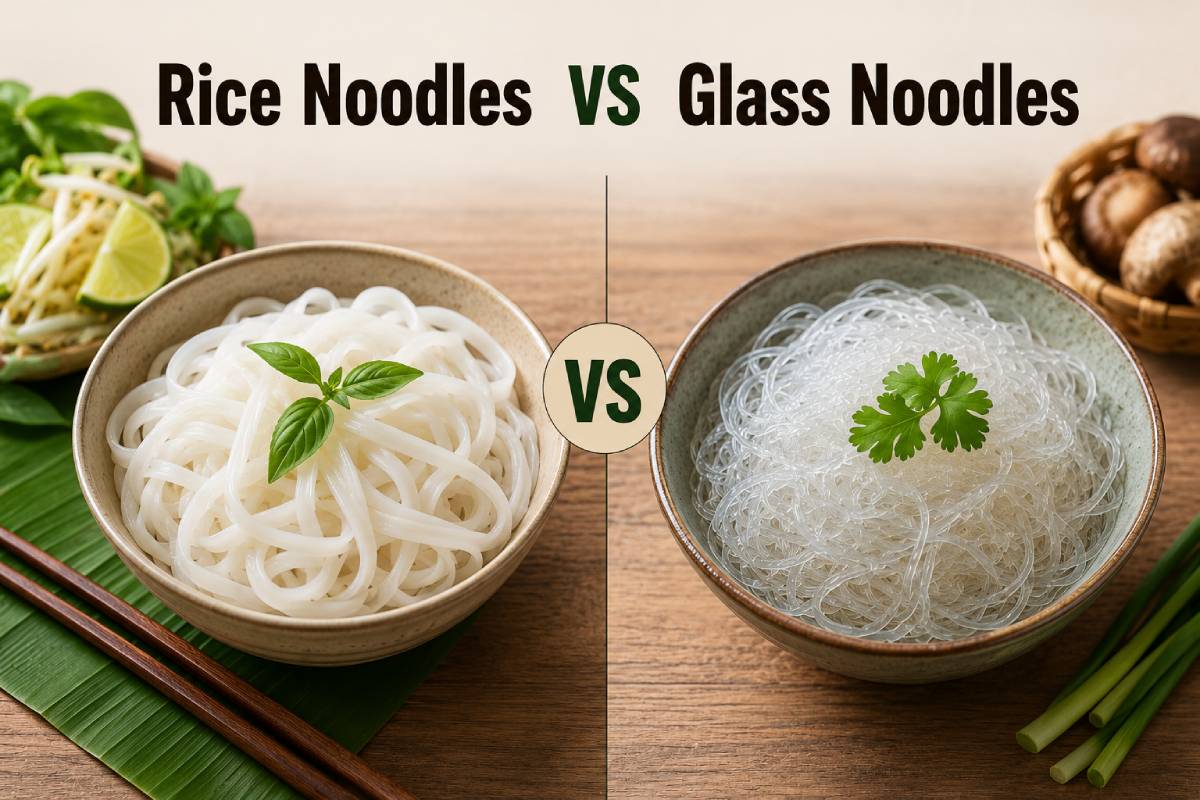
- Rice or rice noodles (naturally gluten-free)
- Fresh or simply prepared proteins
- Broths made by simmering bones, herbs, and spices
The difference is simple: Vietnamese food starts with real ingredients, while fast food often starts with a factory formula.
Cooking Methods Matter
How food is cooked is just as important as what’s in it.
Fast Food Cooking Methods
Most fast food is:
- Deep-fried
- Pan-fried in reused oils
- Heavily grilled with added fats
- Pre-cooked, frozen, and reheated
These methods increase calories and unhealthy fats while reducing nutrients.
Vietnamese Cooking Methods
Vietnamese cooking relies more on:
- Boiling and simmering (soups and broths)
- Grilling
- Light stir-frying
- Steaming
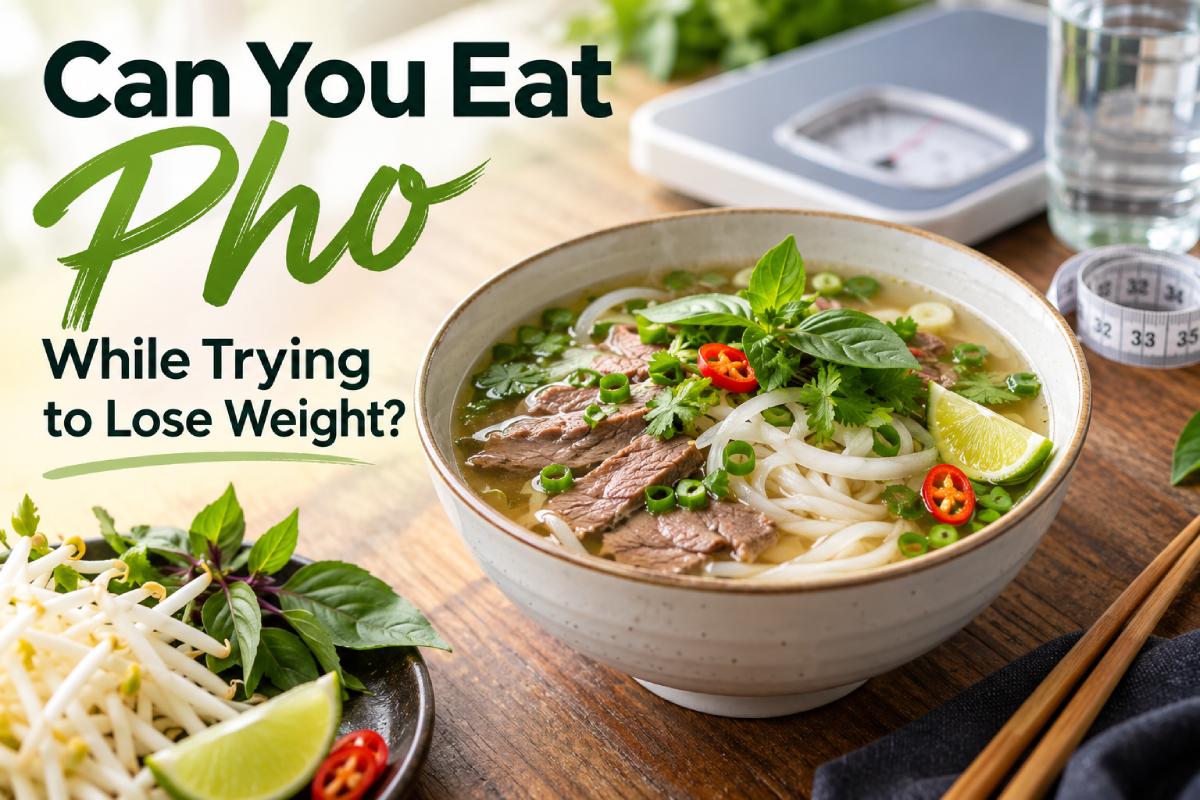
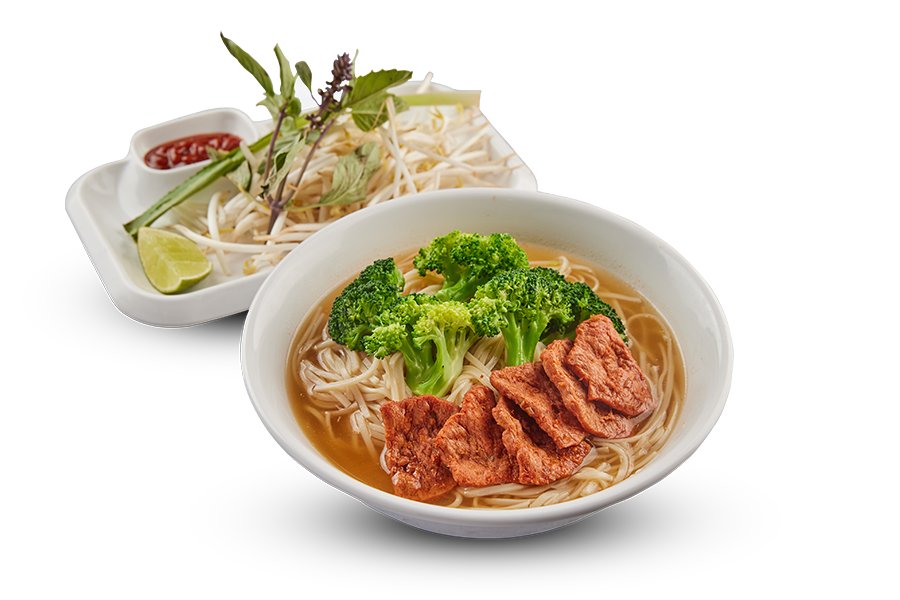
These techniques preserve nutrients and avoid excessive oil. A bowl of pho, for example, gets most of its flavour from broth and spices, not fat.
Portion Control Without Trying
Fast food portions are often oversized on purpose. Bigger portions encourage over-eating and make high-calorie meals feel “worth it.”
Vietnamese food naturally supports better portions because:
- Meals include high-volume vegetables
- Broth adds fullness without calories
- Rice portions are moderate, not overloaded
- You eat slower due to texture and variety
You feel full not stuffed.
Protein Quality and Balance
Fast food proteins are often:
- Breaded or fried
- Highly processed
- Loaded with sodium
- Paired with refined carbs and sugary sauces
Vietnamese protein options tend to be:
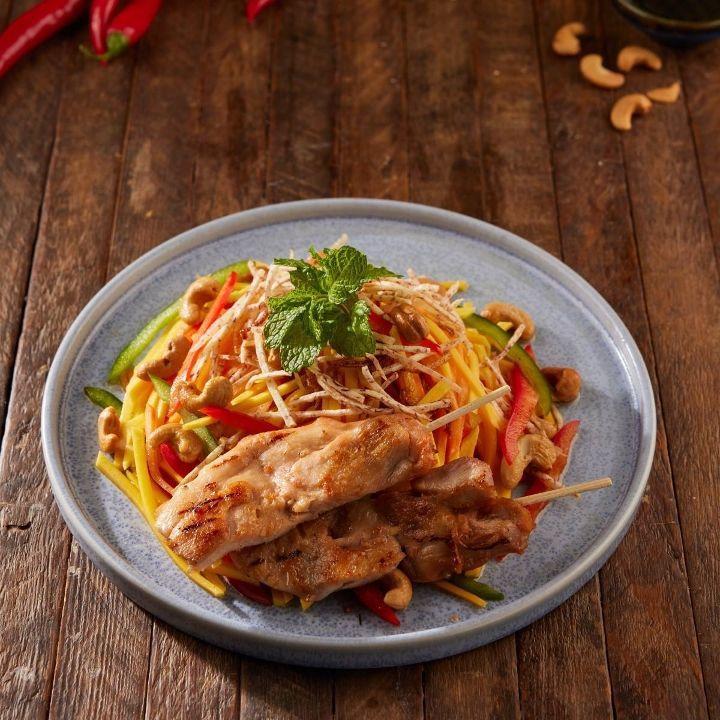
- Grilled beef, chicken, pork, or seafood
- Tofu and plant-based proteins
- Lightly seasoned
- Served with vegetables and herbs
This balance helps stabilize blood sugar and energy levels instead of causing a crash.
Hidden Calories and Sugars
One fast food meal can quietly contain:
- A full day’s worth of sodium
- Multiple servings of added sugar
- Hundreds of “invisible” calories from sauces and oils
Vietnamese food, especially traditional dishes, keeps flavours clean and simple. Sweetness usually comes from:
- Small amounts of sugar
- Natural ingredients
- Balance with sour, salty, and herbal notes
That’s why Vietnamese food tastes satisfying without being overwhelming.
Digestion and How You Feel After Eating
This is where many people really notice the difference.
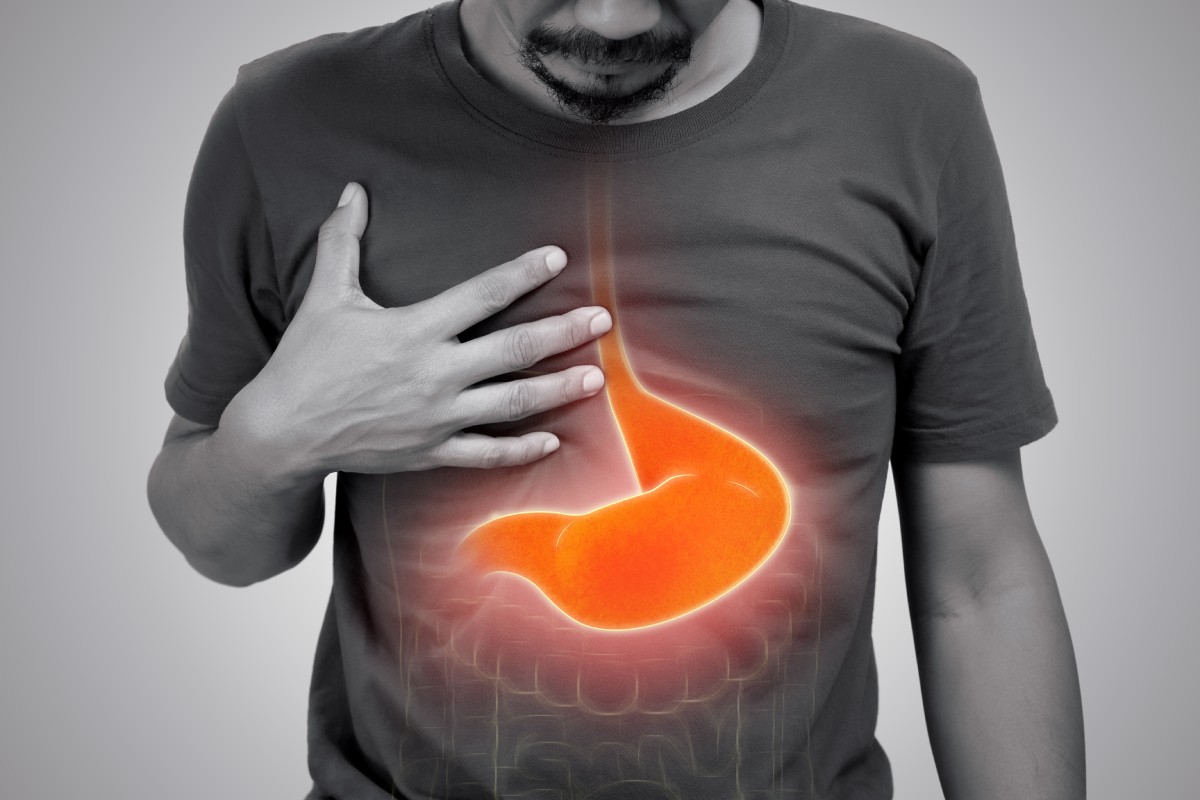
After fast food, people often report:
- Bloating
- Fatigue
- Thirst
- Brain fog
- Hunger returning quickly
After Vietnamese food, many feel:
- Warm and satisfied
- Light but full
- Energized
- Comfortable digestion
Why? Because Vietnamese meals are lower in processed fats and easier for the body to break down.
Fast Food Is Designed to Be Addictive
This part is important.
Fast food is engineered to hit the “bliss point” a perfect mix of salt, sugar, and fat that keeps you craving more, even when you’re full.
Vietnamese food isn’t designed that way. It’s meant to:
- Nourish
- Comfort
- Be eaten regularly
- Support daily life, not over-stimulate it
That’s why Vietnamese food feels satisfying instead of compulsive.
Is All Vietnamese Food Automatically Healthy?
No, and this matters.
Vietnamese food can be less healthy when:
- Dishes are deep-fried
- Portions become oversized
- Sugary drinks are added
- Too many fried sides are included
But even then, the baseline quality of Vietnamese food is usually higher than fast food.
The difference is that Vietnamese food gives you healthy options by default, while fast food requires you to actively avoid unhealthy ones.
Cost vs Value
Fast food seems cheap upfront, but the long-term cost shows up as:
- Poor energy
- Weight gain
- Health issues
- Constant hunger
Vietnamese food often costs a bit more, but delivers:
- Better nutrition
- Longer satiety
- Better digestion
- Real ingredients
You’re paying for food that actually feeds you.
The Bottom Line
So, is Vietnamese food healthier than fast food?
For most people, yes, significantly.
Vietnamese food:
- Uses fresher ingredients
- Relies on lighter cooking methods
- Balances protein, carbs, and vegetables
- Avoids excessive processing
- Leaves you feeling satisfied instead of drained
Fast food prioritizes speed and profit. Vietnamese food prioritizes balance and nourishment.
You don’t need to count calories or follow strict rules to feel the difference your body notices it right away.
Final Thought
Healthy eating doesn’t have to feel restrictive or boring. Vietnamese food proves that meals can be:
- Comforting
- Flavorful
- Filling
- And still gentle on your body
If you’re choosing between fast food and Vietnamese food, one feeds your cravings the other feeds you.
And your body usually knows the difference before your brain does.
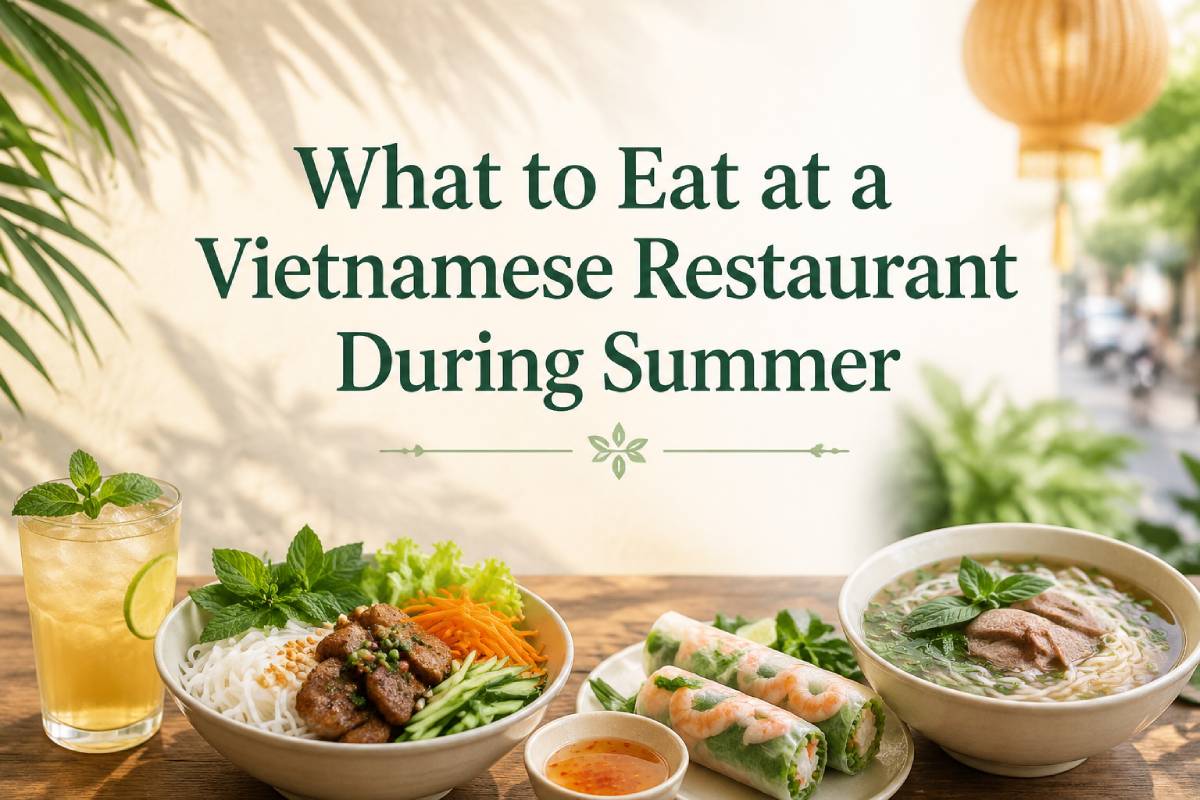
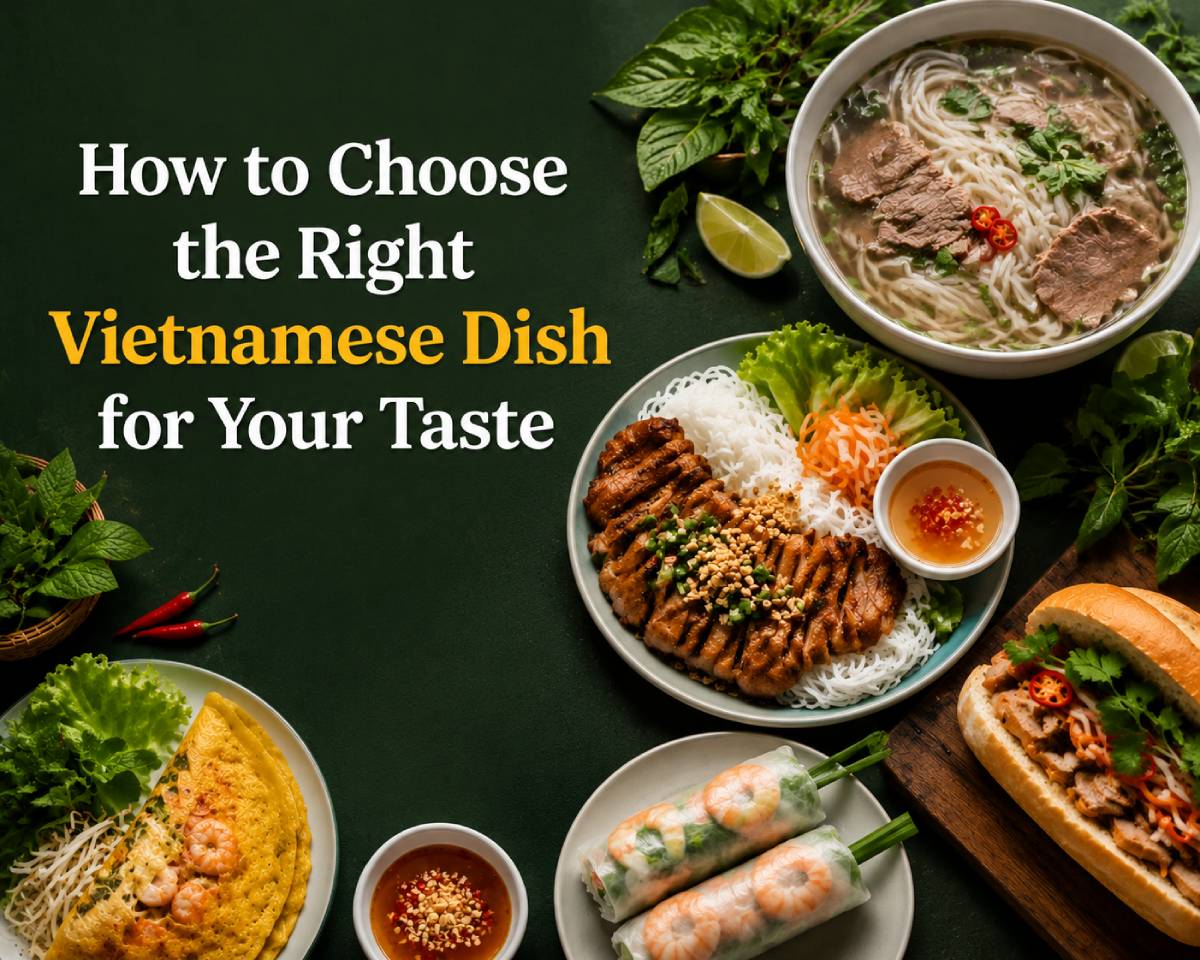
Here are some delicious food and drinks to try when ordering from PHO restaurants in Toronto:
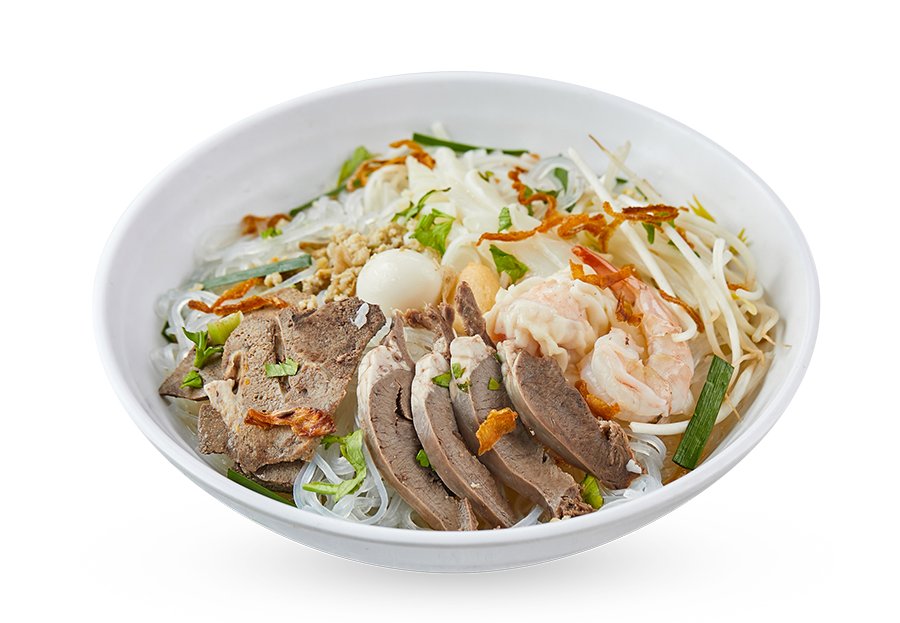
House Special Beef Noodle Soup (Phở Đặc Biệt)
Shrimp and Chicken Pad Thai (Padthai Tôm Gà)
Spicy Hue Vermicelli Noodle in Soup (Bún Bò Huế)
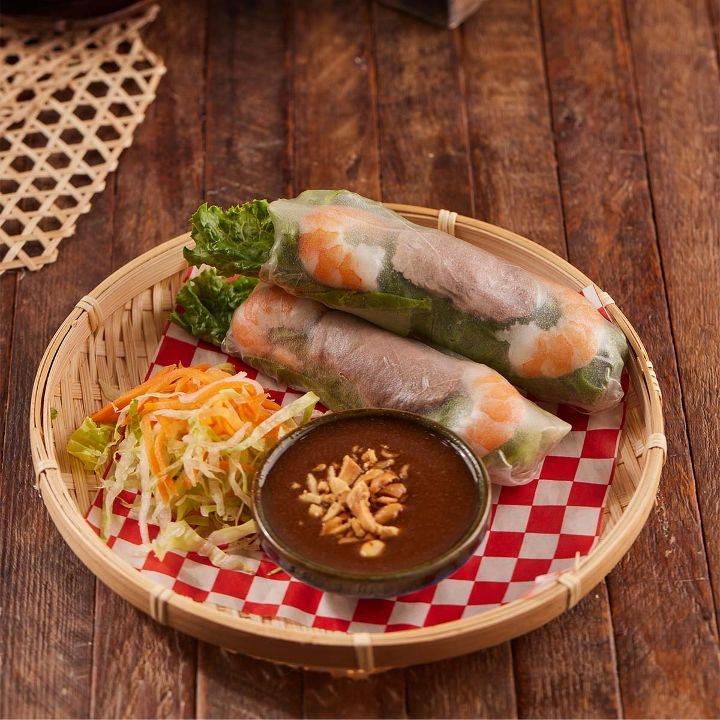
Pork and Shrimp Roll (Gỏi Cuốn Tôm Thịt)
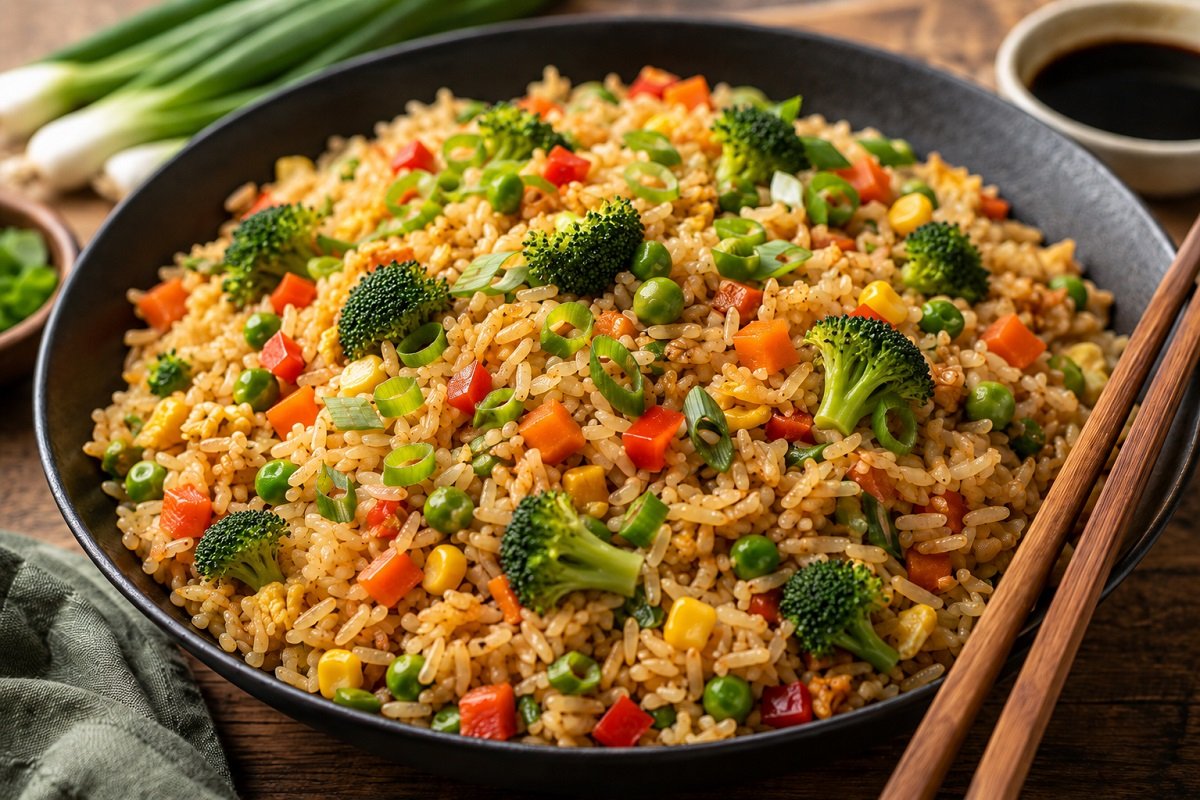
Combination Fried Rice (Cơm Chiên Dương Châu)