Why Vietnamese Food Is Naturally Less Greasy
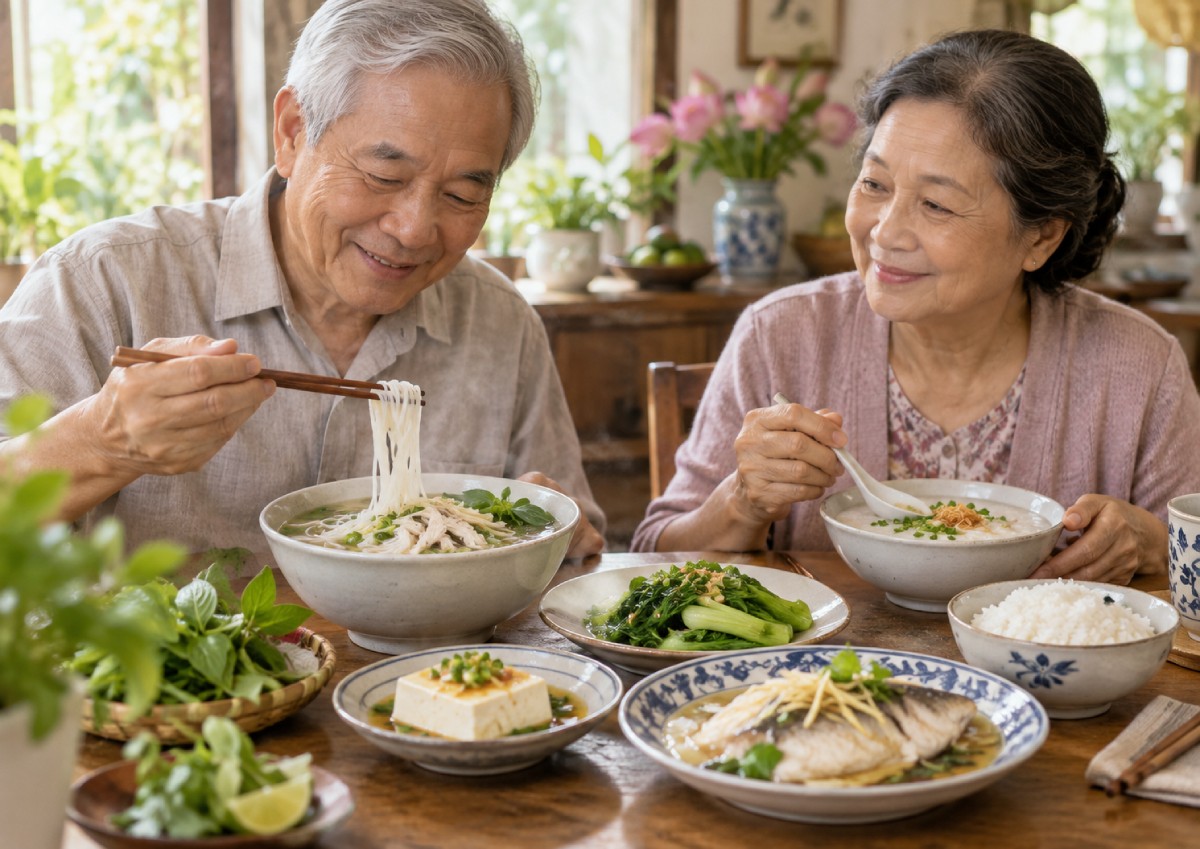
Before we get into specific dishes, it helps to understand why Vietnamese food works so well for lighter eating.
1. Cooking Methods Matter
Instead of deep frying everything, Vietnamese cuisine leans on:
- Boiling (soups like pho)
- Grilling (meats with minimal oil)
- Steaming (dumplings, fish)
- Fresh assembly (spring rolls, salads)
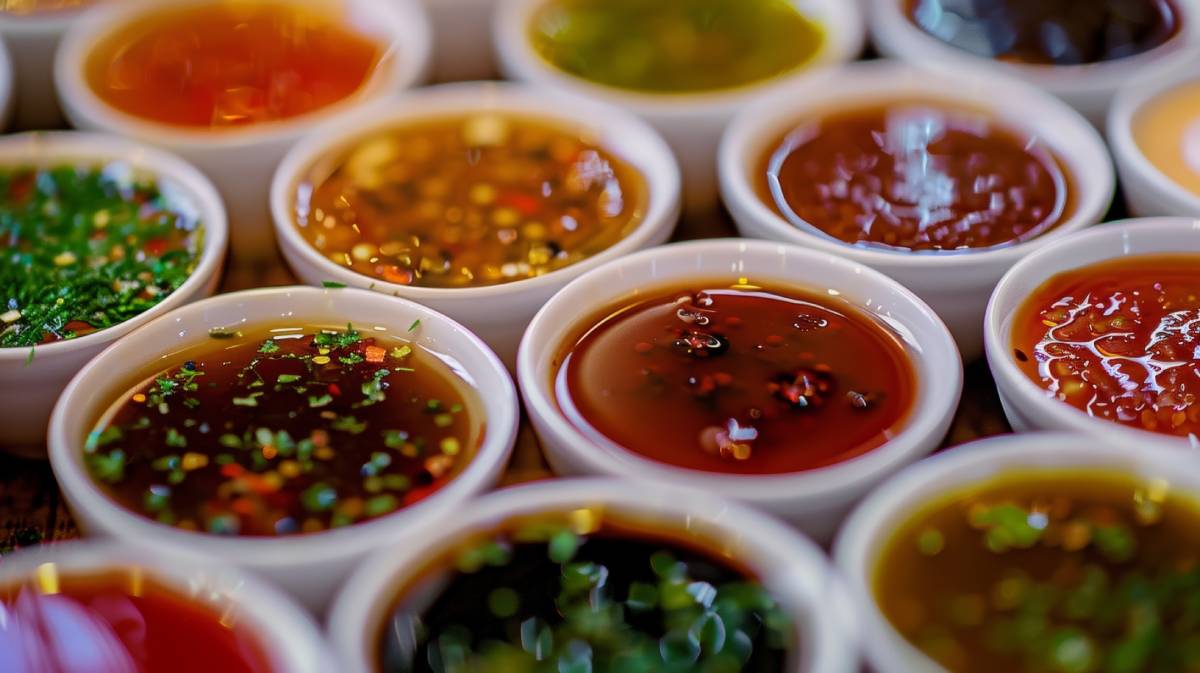
2. Herbs Replace Heavy Sauces
Rather than creamy or oily sauces, dishes use:
- Mint
- Thai basil
- Cilantro
- Lime
- Fish sauce-based dressings
These add flavor without adding grease.
3. Balance Is Built In
A typical Vietnamese meal includes:
- Lean protein
- Rice or noodles
- Fresh vegetables
It’s designed to feel complete but light.
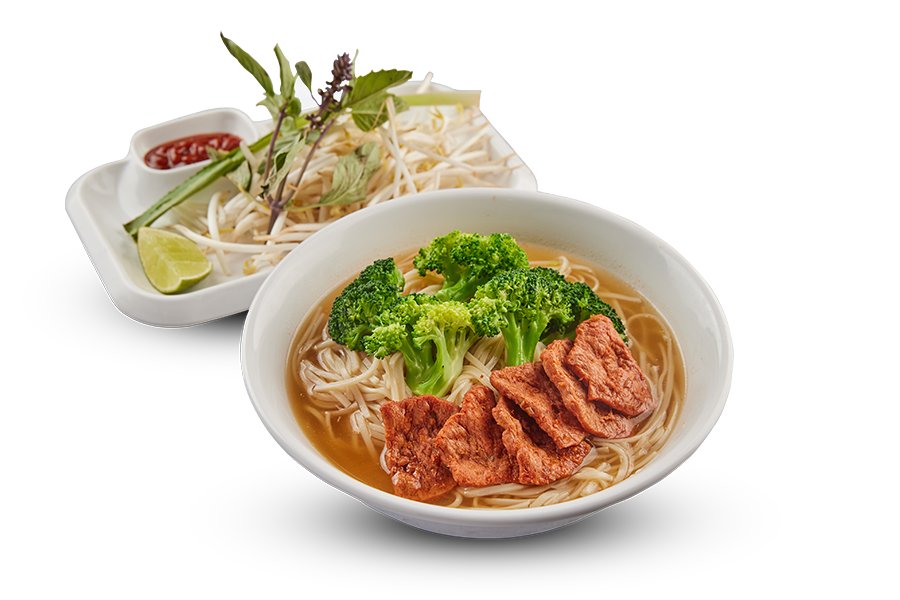
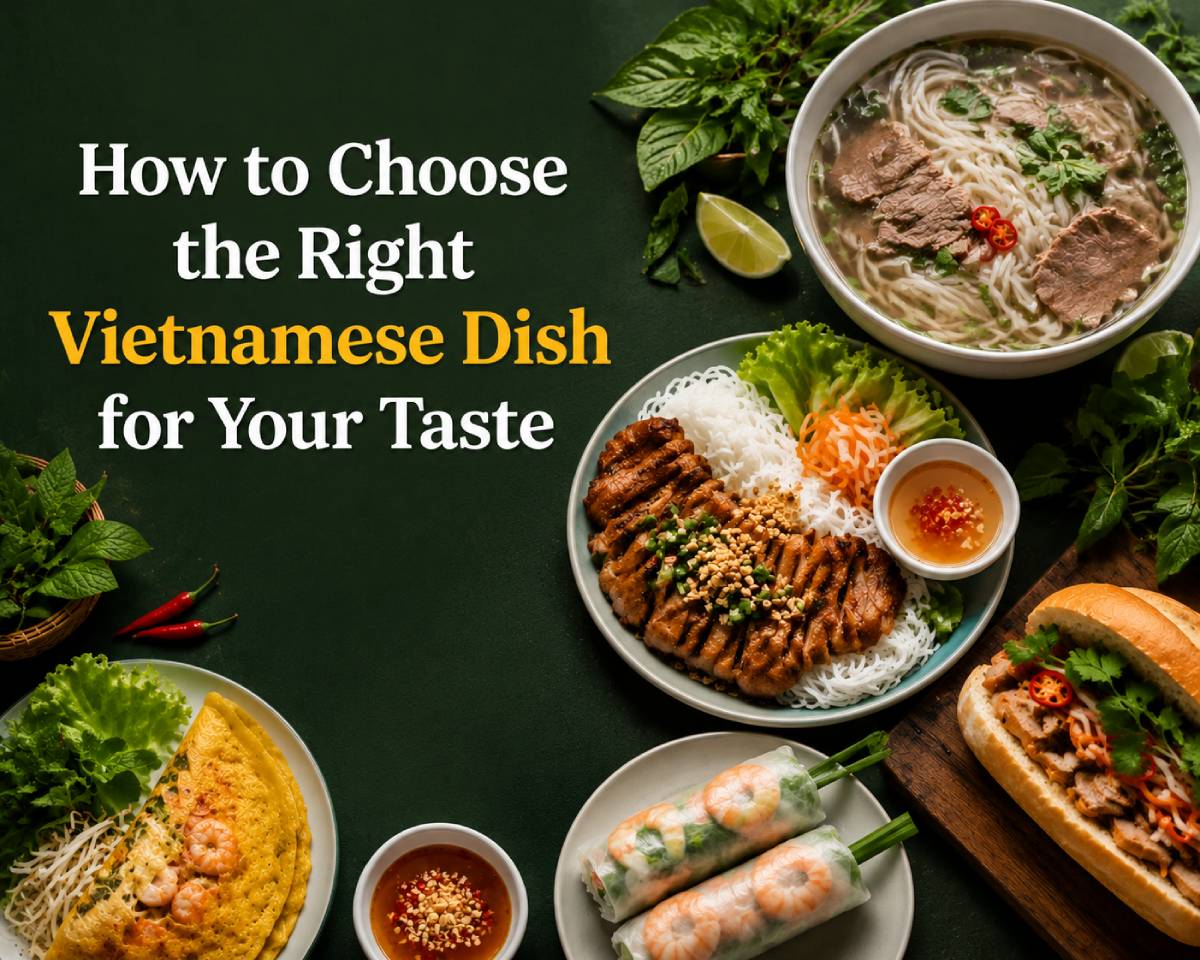
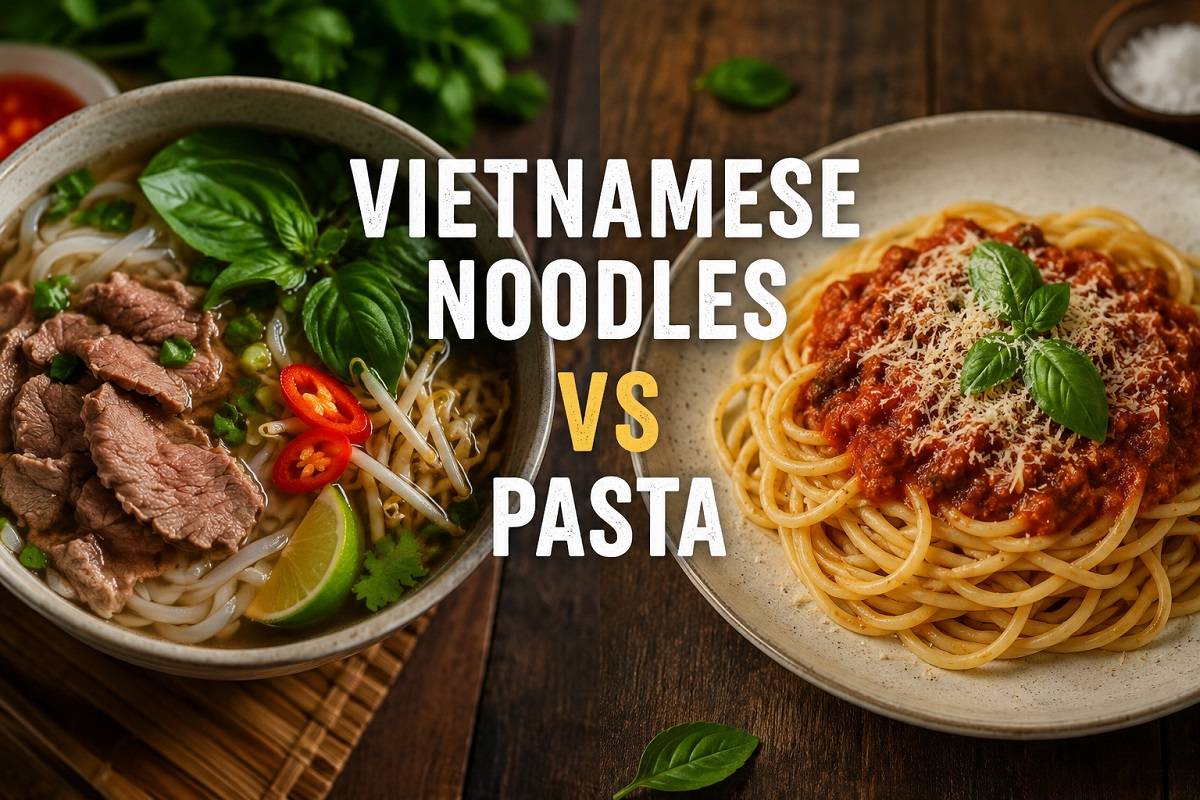
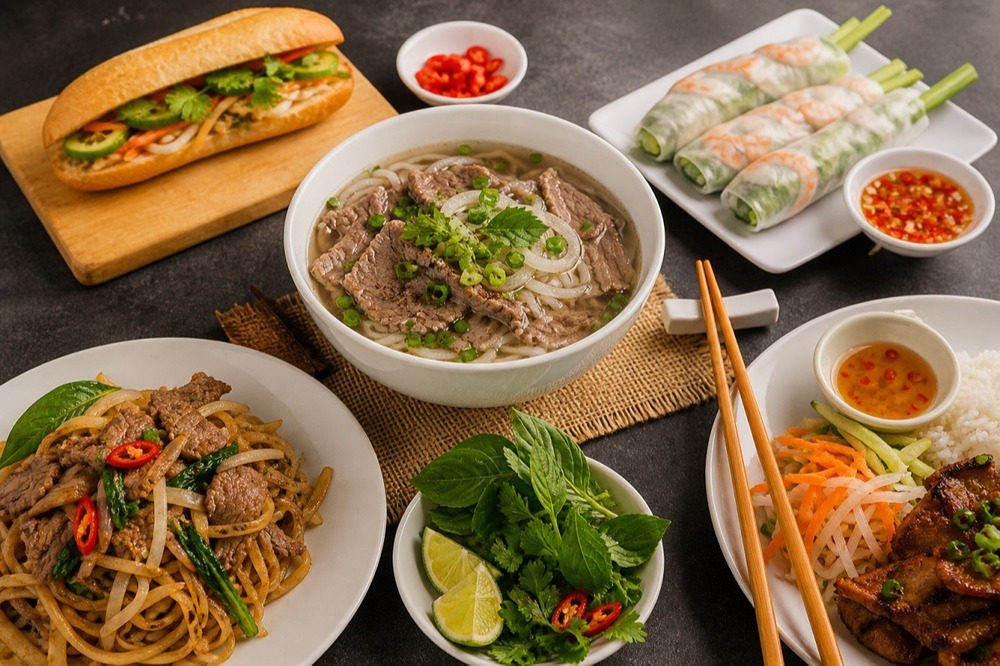
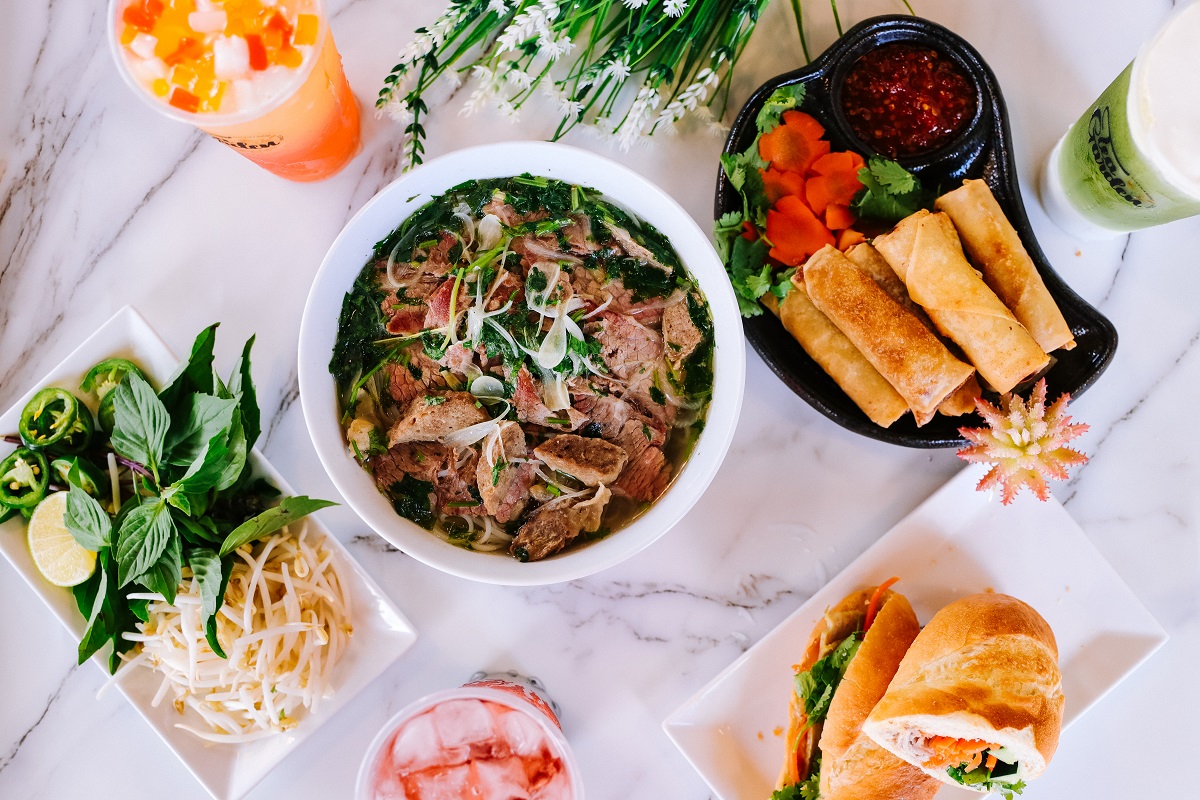
1. Phở (Vietnamese Noodle Soup)
Pho is one of the easiest low-grease options, if you order it right.
Why It Works:
- Broth-based (not oil-based)
- Made by simmering bones and spices
- Typically, low in added fats
Best Choices:
- Chicken pho (phở gà) → lighter, lower fat
- Lean beef cuts (rare beef) → less greasy than brisket
Pro Tip:
Ask for:
- “Less oil” or skimmed broth
- Fewer fatty cuts
Result: A warm, comforting meal that feels clean and easy on the stomach.
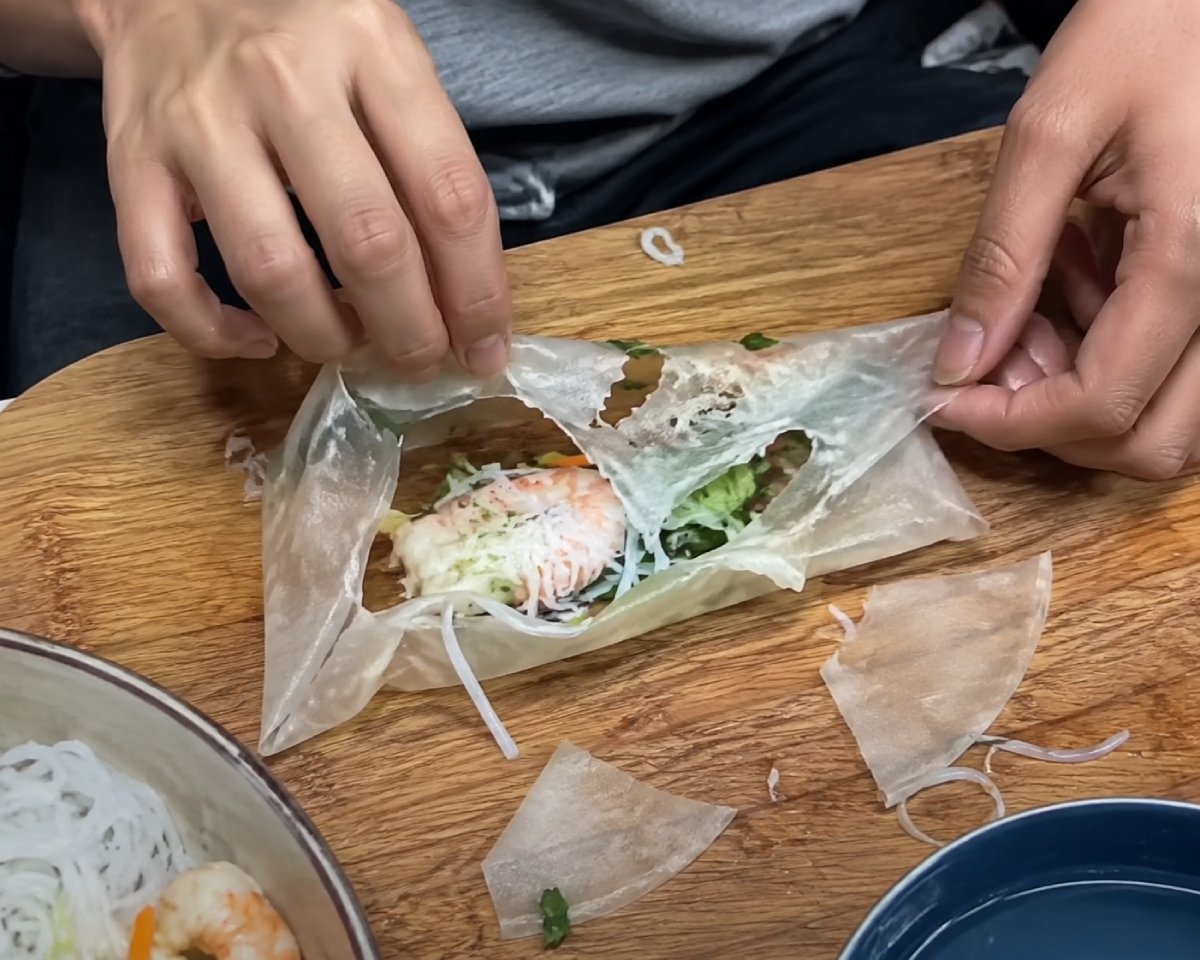
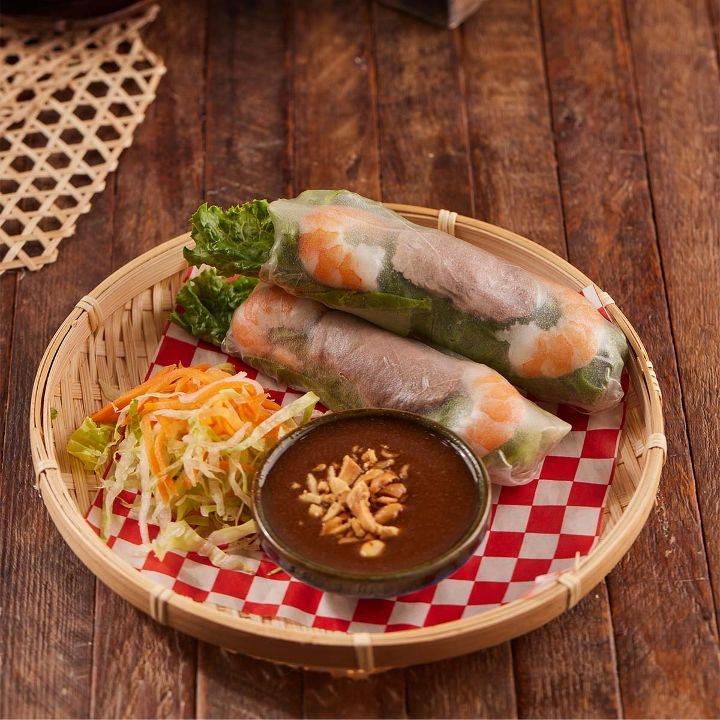
2. Gỏi Cuốn (Fresh Spring Rolls)
These are the opposite of greasy.
What They Are:
- Rice paper rolls
- Filled with shrimp, chicken, or tofu
- Packed with herbs and vermicelli noodles
Why They’re Ideal:
- No frying
- Minimal oil
- High in fresh vegetables
Watch Out:
- Peanut sauce can add calories (use lightly)
These are perfect if you want something light but still satisfying.
3. Bún (Vermicelli Noodle Bowls)
Bún bowls are one of the best-balanced meals you can order.
What’s Inside:
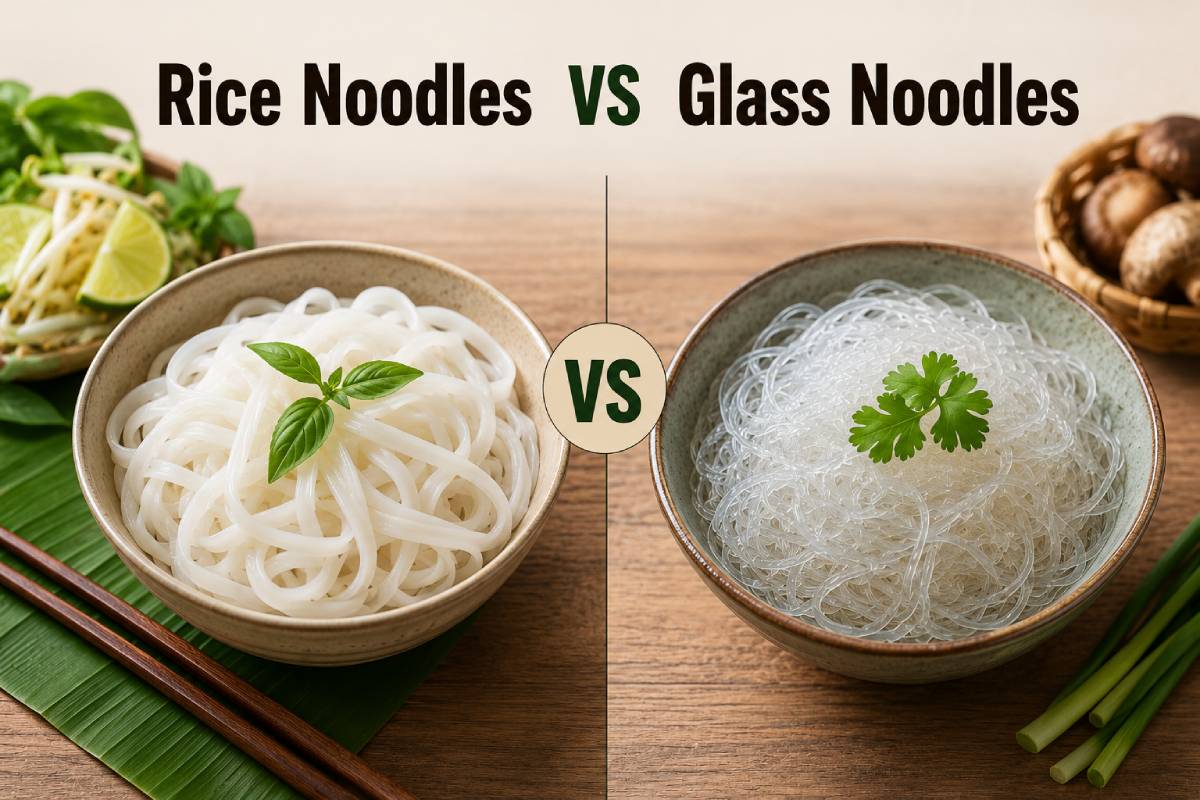
- Rice vermicelli noodles
- Grilled protein (chicken, beef, tofu)
- Fresh herbs and vegetables
- Light fish sauce dressing
Why They’re Great:
- Mostly grilled, not fried
- Loaded with greens
- Light dressing instead of heavy sauces
Best Picks:
- Grilled chicken (bún gà)
- Tofu (bún chay)
Skip fried spring roll toppings if you want to keep it extra light.
4. Gỏi (Vietnamese Salads)
Vietnamese salads are nothing like heavy Western salads.
What Makes Them Different:
- No creamy dressings
- No heavy oils
- Bright, tangy flavors
Common Types:
- Gỏi đu đủ (green papaya salad)
- Mango salad with shrimp or chicken
Flavor Profile:
- Sweet
- Sour
- Salty
- Fresh
These are perfect if you want something refreshing and very low in grease.
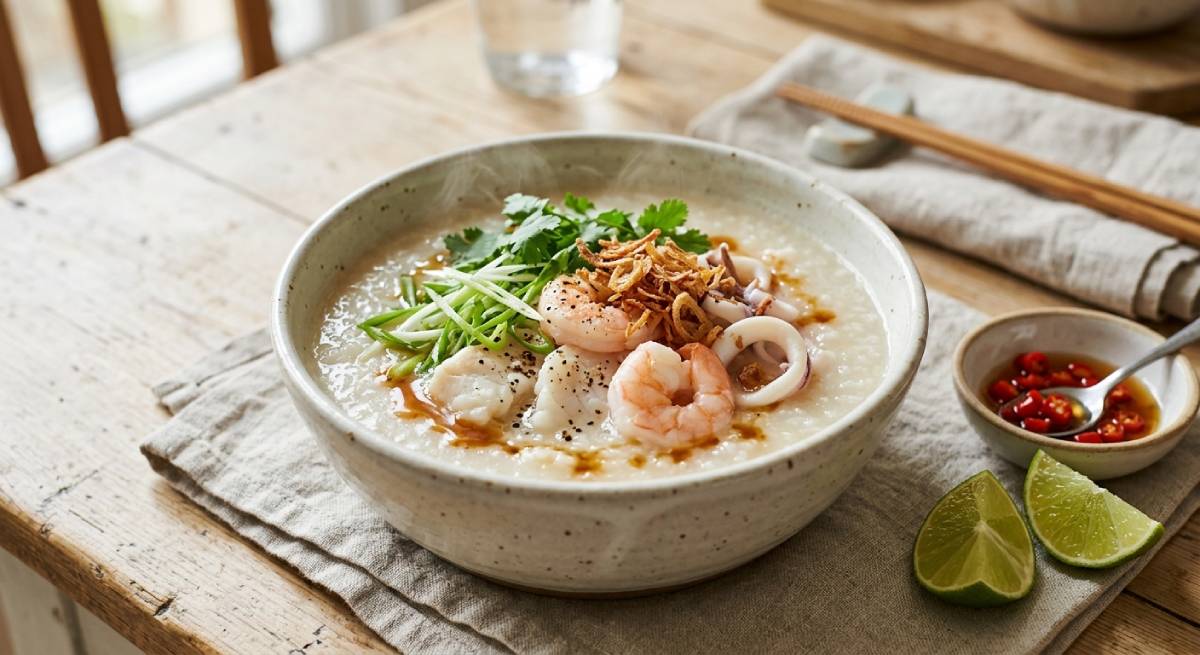
5. Cháo (Vietnamese Rice Porridge)
This is one of the lightest meals you can get.
What It Is:
- Rice cooked in lots of water until soft
- Often served with chicken or fish
Why It’s Good:
- Very low in fat
- Easy to digest
- Gentle on the stomach
Ideal when you want something simple, warm, and clean.
6. Hấp (Steamed Dishes)
“Hấp” means steamed.
Examples:
- Steamed fish with ginger
- Light dumplings
- Steamed vegetables
Why It Works:
- No frying
- Minimal oil
- Natural flavors shine
If you see “steamed” on a Vietnamese menu, it’s usually a safe choice.
7. Cơm Tấm (Broken Rice – Smart Version)
This dish can go either way.
Traditional Version:
- Grilled pork + rice + egg
- Sometimes oily or heavy
Make It Lighter:
- Choose grilled chicken or lean pork
- Skip fried egg or extra oil
- Add more vegetables
With small tweaks, it becomes a balanced, non-greasy meal.
Smart Ordering Tips (This Is What Makes the Difference)
Even healthy dishes can become greasy if you’re not careful.
Do This:
- Choose grilled, steamed, or fresh options
- Ask for sauce on the side
- Pick lean proteins
- Add extra herbs and vegetables
Avoid This:
- Deep-fried items (chả giò / fried spring rolls)
- Heavy peanut sauces in large amounts
- Fatty meat cuts
Common Misconception: “All Asian Food Is Oily”
This is one of the biggest myths.
Vietnamese cuisine is actually one of the least oily in the world because it focuses on:
- Fresh ingredients
- Light cooking
- Natural flavors
It’s closer to Mediterranean eating than fast food.
When Vietnamese Food Is Perfect for You
These dishes are ideal if you:
- Feel bloated after greasy meals
- Want to eat out but stay light
- Are trying to lose weight
- Prefer clean, fresh flavors
- Need something easy to digest
The Real Secret: It’s About Balance, Not Restriction
The beauty of Vietnamese food is that you don’t feel like you’re “dieting.”
You’re still eating:
- Flavorful meals
- Filling portions
- Real ingredients
Just without the heavy, oily feeling afterward.
Final Thoughts
If you’ve been avoiding restaurant food because it feels too greasy, Vietnamese cuisine is one of the safest, and most enjoyable, choices you can make.
From light noodle soups to fresh herb-packed bowls, it gives you everything you want in a meal:
- Flavor
- Balance
- Satisfaction
Without the oil overload.
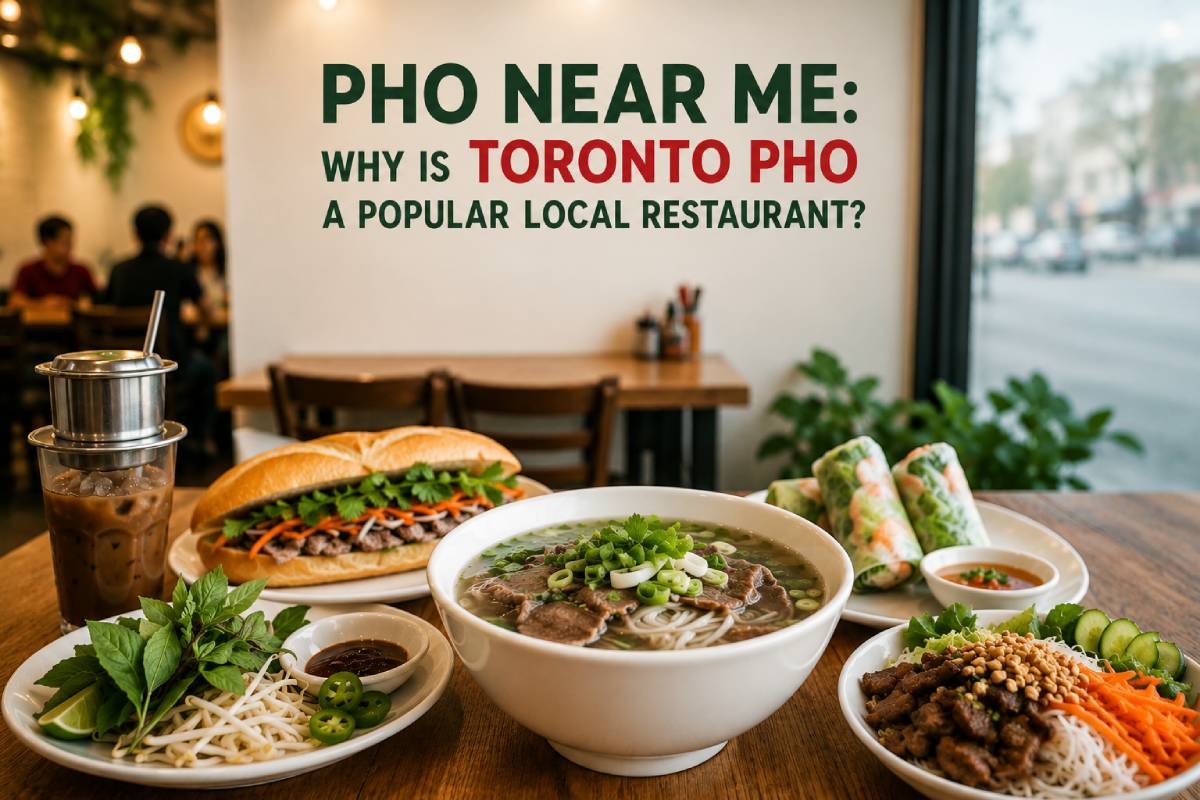
Here are some delicious food and drinks to try when ordering from PHO restaurants in Toronto:
Mango Salad with Shrimp (Gỏi Xoài Tôm)
Mango Salad with Chicken (Gỏi Xoài Gà)
Grilled Chicken Roll (Gà Nướng Cuốn)
Pork and Shrimp Roll (Gỏi Cuốn Tôm Thịt)
Udon Noodle Soup with Crab Meat (Bánh Canh Cua)