Myth #1: Vietnamese Food Is Just Pho
Pho is incredible. No argument there.
But saying Vietnamese food is “just pho” is like saying Italian food is just pizza.
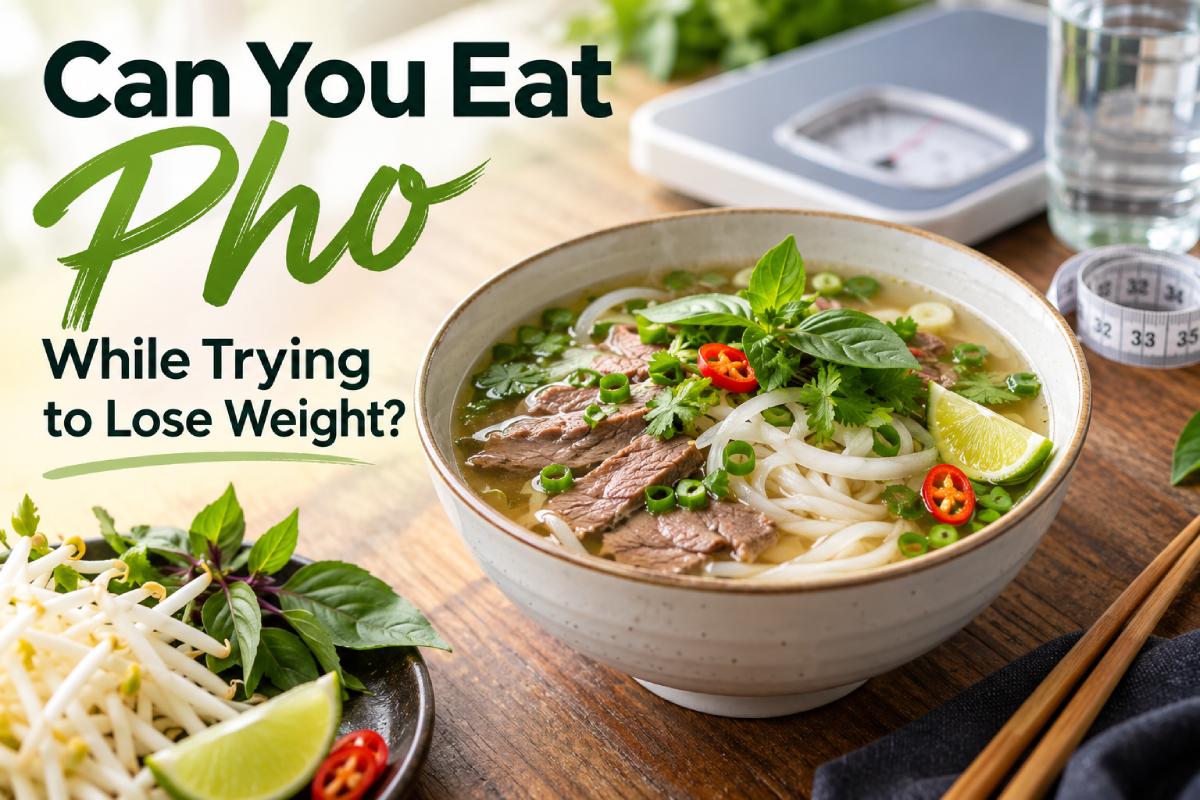
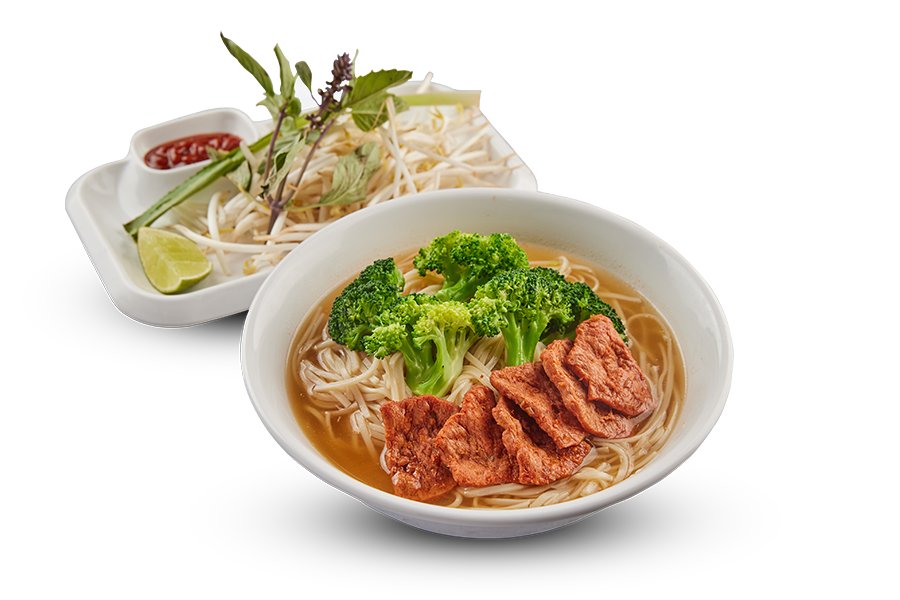
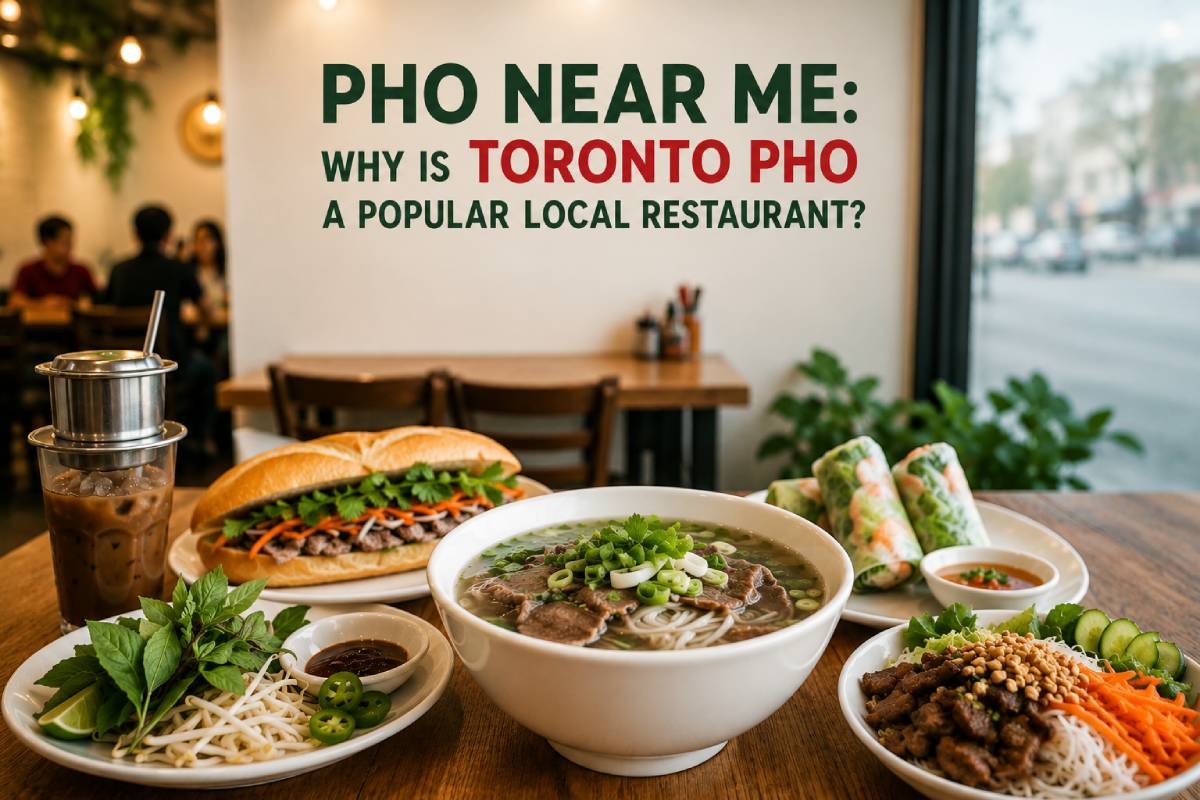
Pho (pronounced “fuh”) is a traditional noodle soup made with broth, rice noodles, herbs, and meat like beef or chicken. It’s comforting, aromatic, and deeply layered in flavor. But it’s only one dish in a massive culinary landscape.
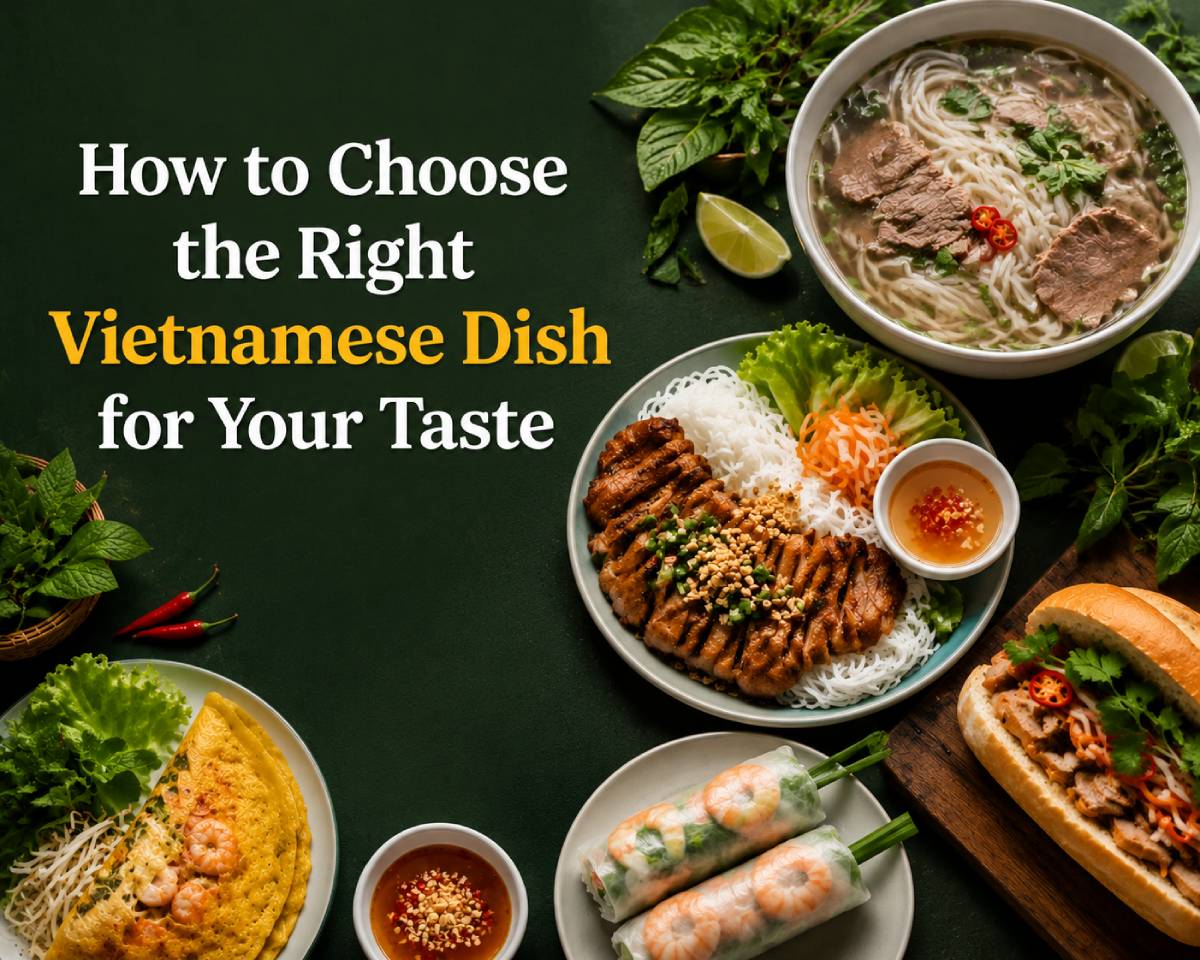
Vietnamese cuisine includes:
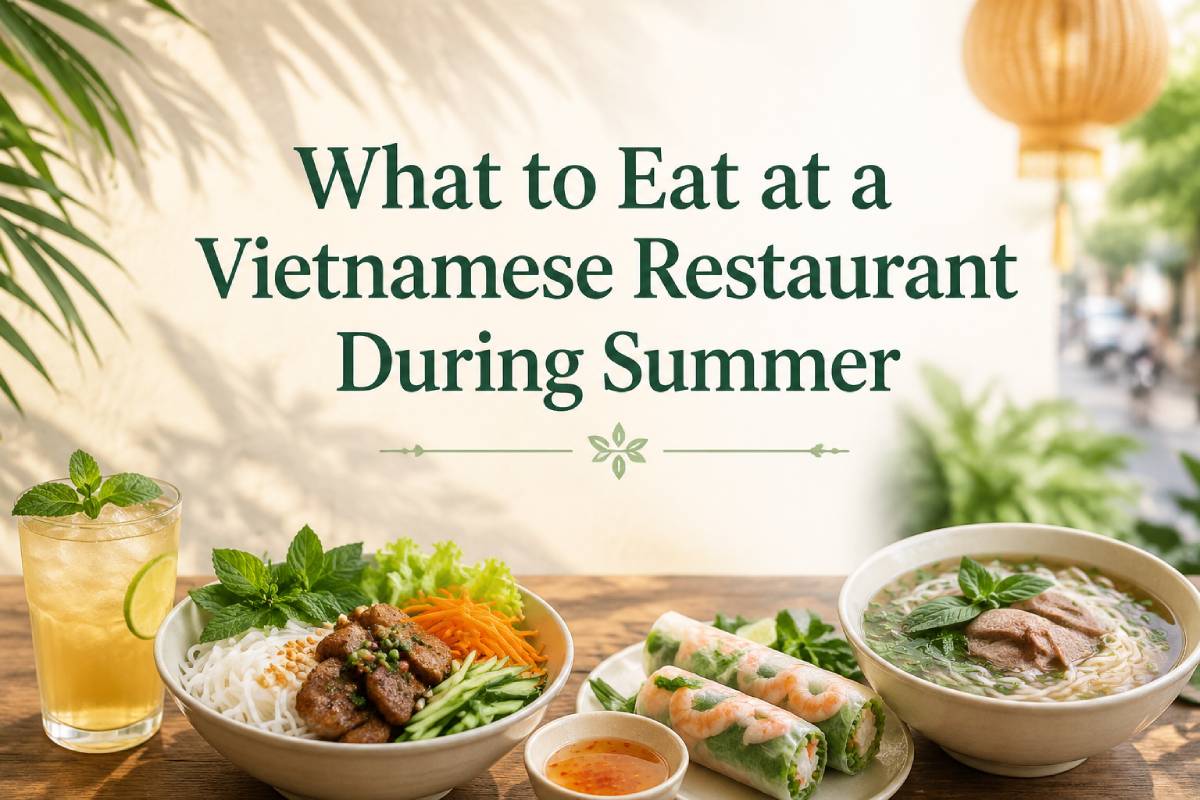
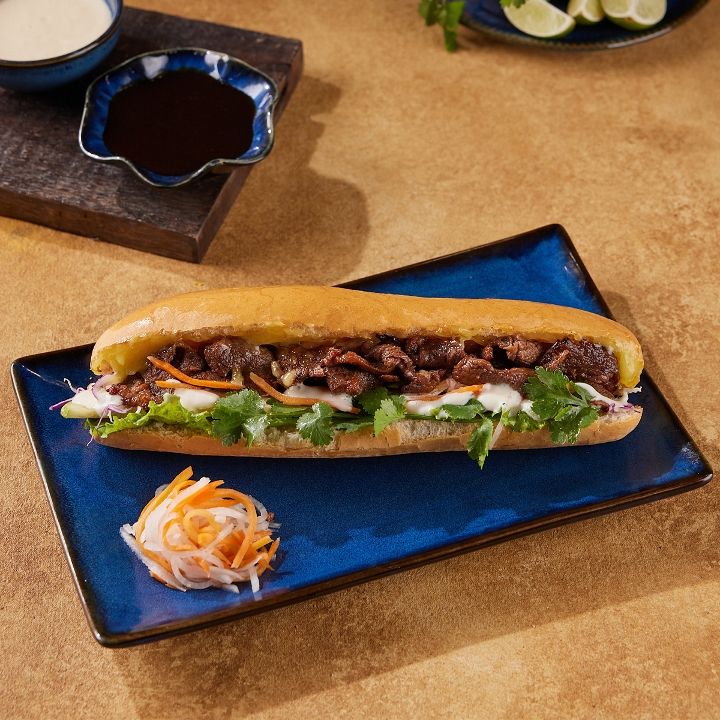
- Bánh mì – a French-influenced sandwich with pickled vegetables, herbs, and grilled meats
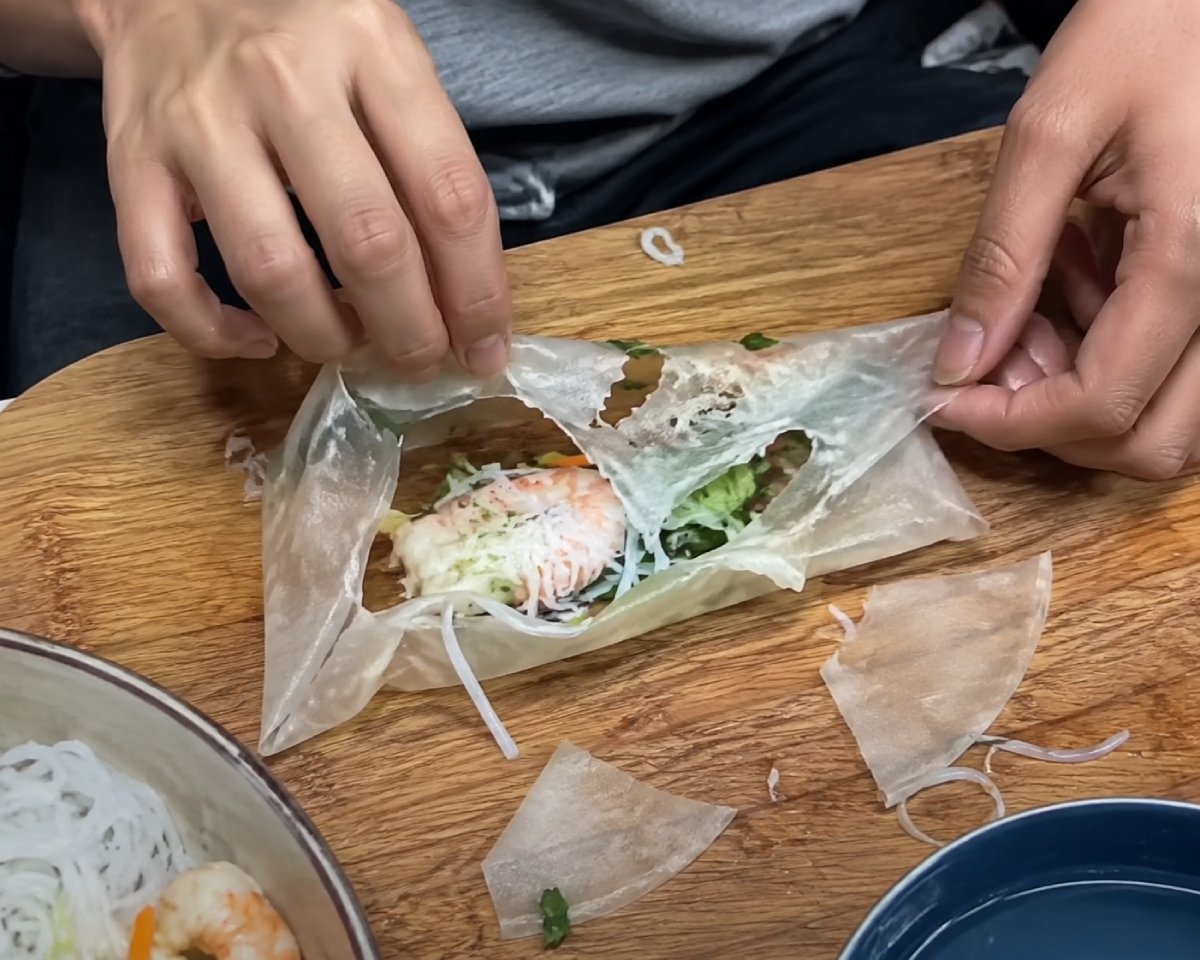
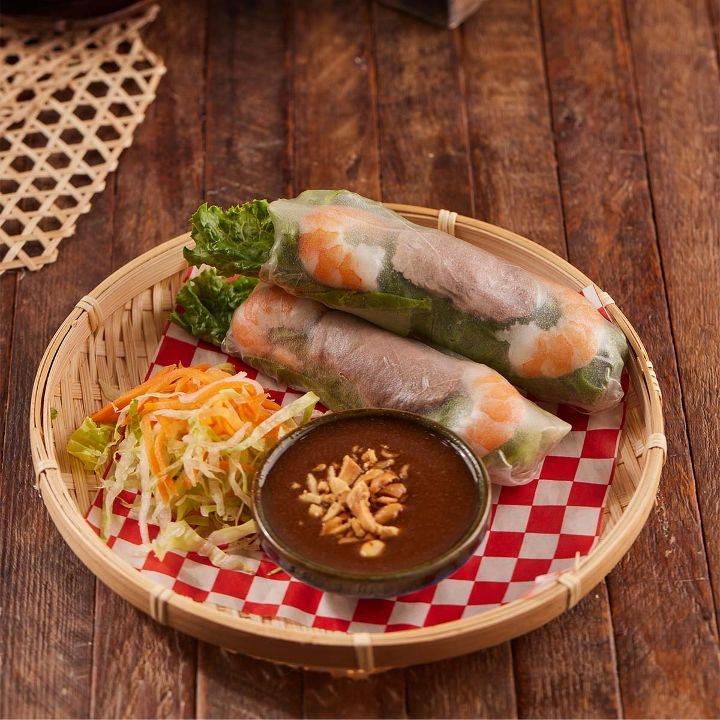
- Gỏi cuốn (fresh spring rolls) – light rice paper rolls filled with herbs, vermicelli, and protein
- Bún thịt nướng – grilled meat served over rice noodles with herbs and fish sauce dressing
- Cơm tấm – broken rice with grilled pork and egg
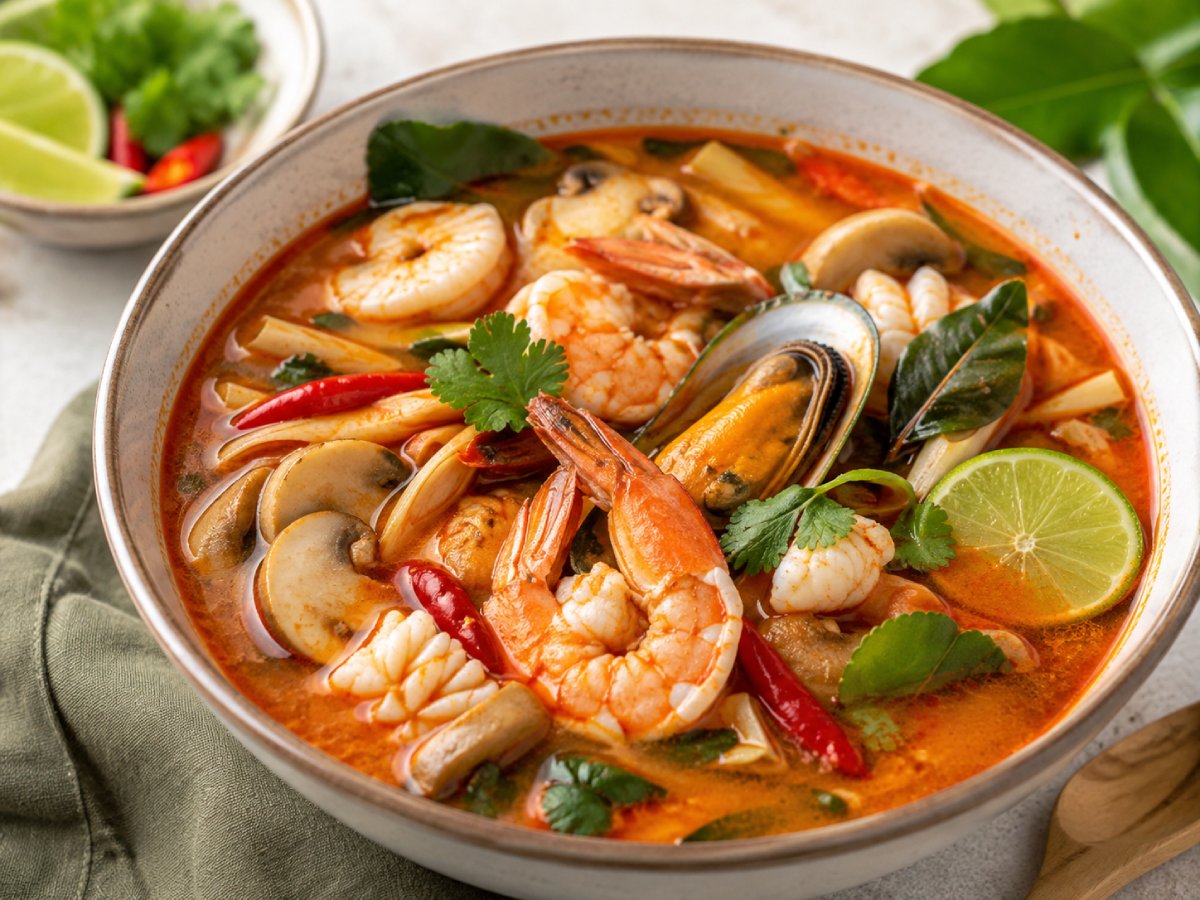
- Dozens of regional soups beyond pho
Vietnam stretches over 1,600 km from north to south. The flavors change dramatically by region. Northern dishes are often subtle and balanced. Central Vietnamese food can be bold and spicy. Southern cuisine leans slightly sweeter and herb-forward.
So, when Canadians say “Vietnamese food equals pho,” they’re seeing one tree and missing the forest.
Myth #2: Vietnamese Food Is Always Spicy
This one comes up a lot.
“Is it spicy?”
Here’s the truth: Vietnamese food is flavorful, not automatically spicy.
Chili is usually optional. It’s added on the side. You control the heat.
The foundation of Vietnamese cooking is balance:
- Salty (fish sauce)
- Sweet (a touch of sugar)
- Sour (lime or vinegar)
- Umami (broth, grilled meats)
- Fresh (herbs like mint, cilantro, Thai basil)
Heat is a supporting character, not the star.
If you’ve ever had pho, you’ve probably noticed the chili sauce sitting next to the hoisin. That’s your choice. No one is secretly dumping spice into your bowl.
Compared to cuisines where spice is cooked deeply into the dish, Vietnamese restaurants in Canada typically let you adjust heat levels yourself.
So, if you’ve avoided Vietnamese food because you “can’t handle spicy,” you’ve probably been missing out for no reason.
Myth #3: It’s Just Carbs and Noodles
Yes, rice and noodles are common. So are vegetables. And herbs. And lean proteins.
Vietnamese meals are often built around:
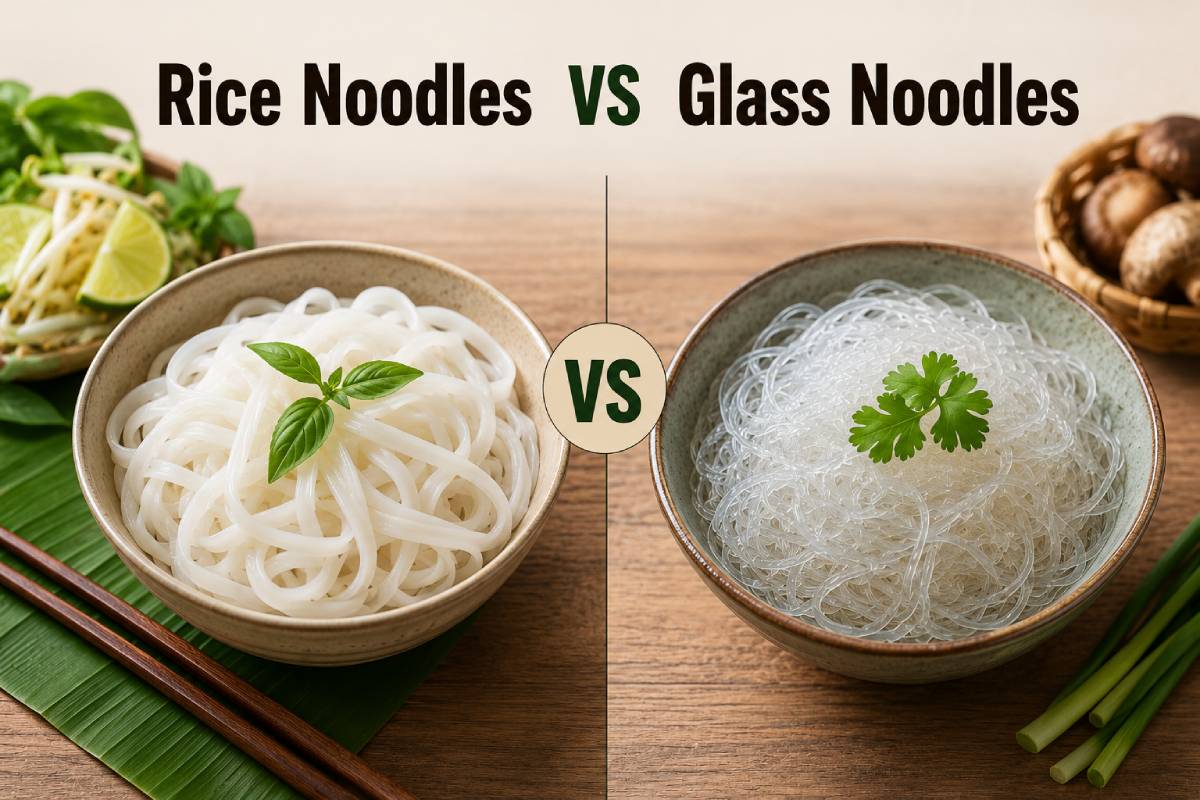
- A base (rice or rice noodles)
- A protein (grilled pork, chicken, beef, tofu, shrimp)
- A large number of raw herbs and greens
- Pickled vegetables
- A light dressing
Take a typical bún bowl. It includes vermicelli noodles, grilled meat, cucumber, bean sprouts, lettuce, pickled carrots, daikon, and fresh herbs. That’s a lot of fiber and freshness in one dish.
Pho broth is traditionally simmered for hours using bones, spices like star anise and cinnamon, and aromatics. It’s not a heavy cream-based soup. It’s clear and relatively light compared to many Western comfort foods.
Fresh spring rolls are wrapped in rice paper and packed with herbs and protein. They’re not deep fried. They’re refreshing and surprisingly satisfying.
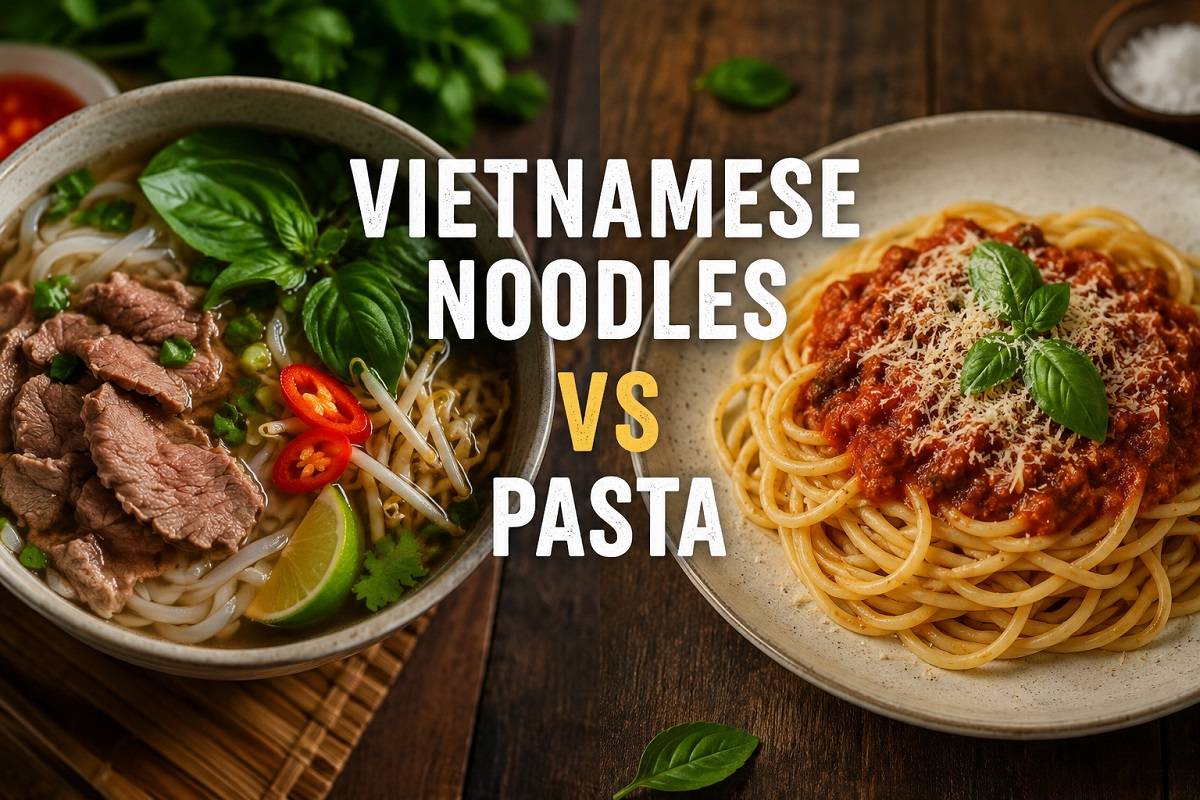
Can you overdo carbs? Sure. You can do that with pasta too. But Vietnamese cuisine is generally built around balance and freshness.
That’s one reason it’s often considered one of the healthier Asian cuisines globally.
Myth #4: It’s Cheap, So It Must Be Low Quality
This one says more about perception than reality.
In many Canadian cities, Vietnamese restaurants are family-run. Overhead is often lower. Menus are streamlined. Ingredients are fresh and simple. That keeps prices reasonable.
But “affordable” does not mean low quality.
Traditional Vietnamese cooking requires skill:
- Broth simmered for hours
- Proper marination of meats
- Correct herb combinations
- Balanced dipping sauces
Fish sauce, for example, is not random salt. It’s fermented carefully and used with precision. The difference between a well-balanced dipping sauce and a flat one is noticeable.
Vietnamese cuisine also emphasizes fresh ingredients. Herbs are not garnish - they are central. That requires daily prep.
In Canada, especially in places like Toronto or Vancouver, Vietnamese food has become part of the urban food identity. The fact that you can get a satisfying, balanced meal at a fair price should be seen as a win, not a warning sign.
Myth #5: You Won’t Feel Full After Eating It
This myth usually comes from people who’ve only tried one small appetizer.
Vietnamese food can be light - but it can also be incredibly filling.
Pho bowls are generous. A large bowl with beef, noodles, and broth can easily satisfy a big appetite.
Bún bowls combine carbs, protein, and fiber. That’s a formula for satiety.
Bánh mì sandwiches are served on crispy baguettes with layered fillings. They’re not “tiny health snacks.” They’re substantial.
The difference is this: Vietnamese food often makes you feel satisfied without feeling heavy.
There’s a reason people say they feel “good” after eating it. You’re full, but not sluggish. That’s not an accident. It’s the result of:
- Lean proteins
- Fresh herbs
- Minimal heavy dairy
- Lighter cooking methods like grilling and simmering
It’s a different kind of fullness.
Why These Myths Stick Around
Food myths usually survive because:
- People try one dish and generalize.
- Early exposure shapes perception.
- Word-of-mouth spreads faster than education.
Vietnamese cuisine arrived in Canada through immigrant communities. It grew organically, not through massive marketing campaigns. That means understanding often spreads slowly.
But now? Vietnamese food is mainstream across Canada. And with that popularity, it deserves better representation.
The Bigger Picture: Vietnamese Food Is Built on Balance
If there’s one thing Canadians should understand about Vietnamese cuisine, it’s this:
It’s about harmony.
Not extreme spice.
Not extreme richness.
Not oversized portions drowning in sauce.
The philosophy behind many Vietnamese dishes is about balance between flavors, textures, and temperature.
Hot broth meets fresh herbs.
Grilled meat meets crunchy pickles.
Soft noodles meet crisp vegetables.
That contrast is intentional.
And it’s one reason Vietnamese food works so well in Canada’s multicultural food scene. It adapts easily, feels familiar in some ways, but still offers something distinct.
Final Thoughts: Canada, It’s Time to Update the Story
Vietnamese food in Canada has evolved. It’s not a niche cuisine anymore. It’s a staple in many cities.
But outdated ideas still float around.
So, let’s retire these myths:
- It’s not just pho.
- It’s not automatically spicy.
- It’s not carb-heavy junk food.
- It’s not low quality because it’s affordable.
- It absolutely can fill you up.
The next time someone says, “I don’t know about Vietnamese food,” you’ll know better.
And maybe you’ll be the one saying:
“Trust me. You just haven’t ordered the right thing yet.”
Here are some delicious food and drinks to try when ordering from PHO restaurants in Toronto:
Grilled Chicken and Spring Roll Vermicelli (Bún Gà Chả Giò)
Grilled Chicken Vermicelli (Bún Gà Nướng)
Spicy Hue Vermicelli Noodle in Soup (Bún Bò Huế)
Rare Beef and Beef Ball (Phở Tái, Bò Viên)
Well Done Beef and Tendon (Phở Nạm Gân)
Grilled Pork and Grilled Beef on Rice (Cơm Sườn Bò)
Seafood Rice Noodle in Soup (Hủ Tíu Đồ Biển)
House Special Egg Noodle in Soup (Mì Đặt Biệt)