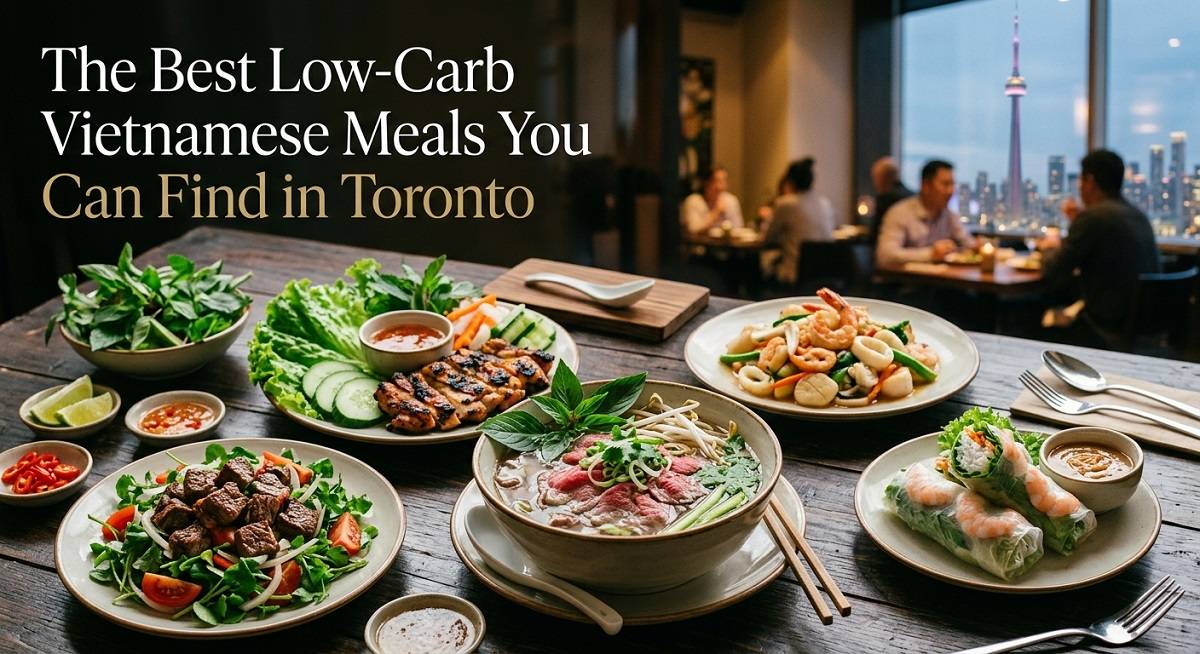
Why Vietnamese Food Can Actually Be Low-Carb
One of the biggest strengths of Vietnamese cuisine is balance.
Meals often focus heavily on:
- Herbs instead of sugary sauces
- Grilled protein instead of deep frying
- Fresh vegetables instead of heavy sides
- Light broths instead of cream-based soups
That makes it easier to customize compared to many other restaurant cuisines.
In fact, many Vietnamese dishes become surprisingly low-carb with only one or two small adjustments.
For example:
- Removing noodles
- Swapping rice for salad
- Asking for extra bean sprouts
- Adding more vegetables
- Doubling protein
Simple changes. Huge difference.
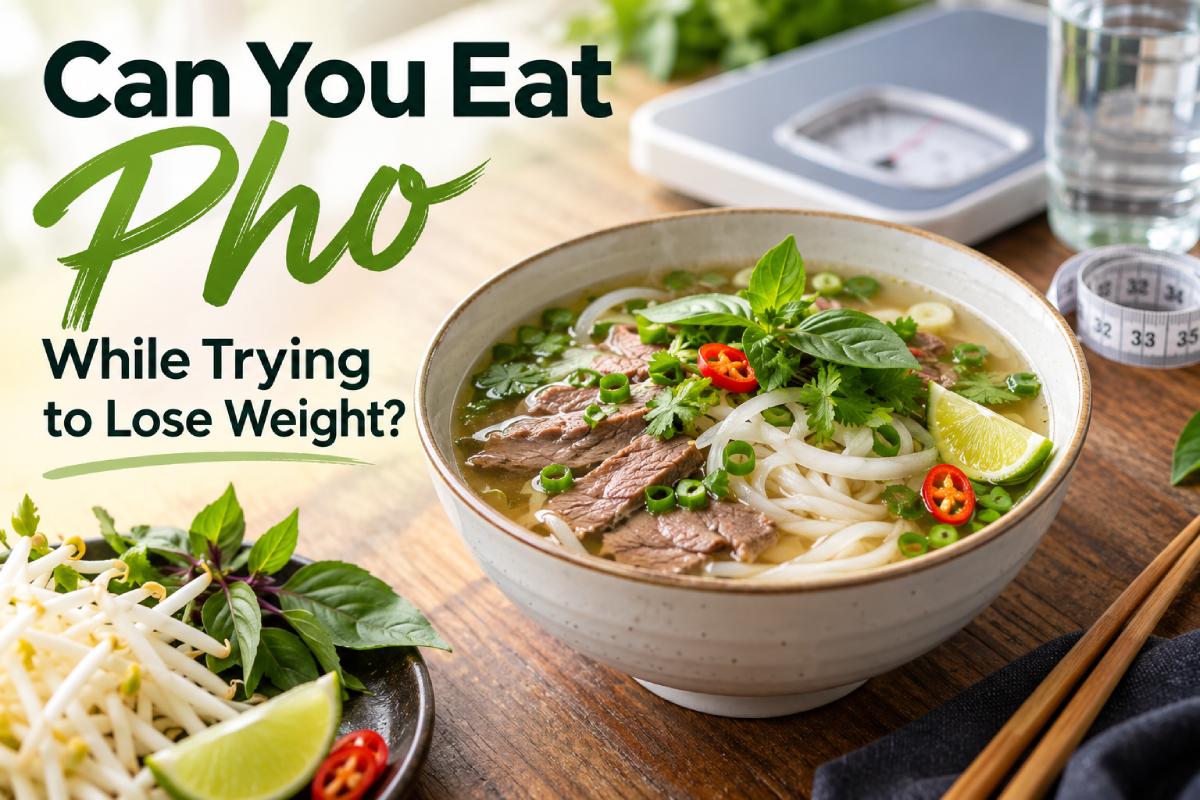
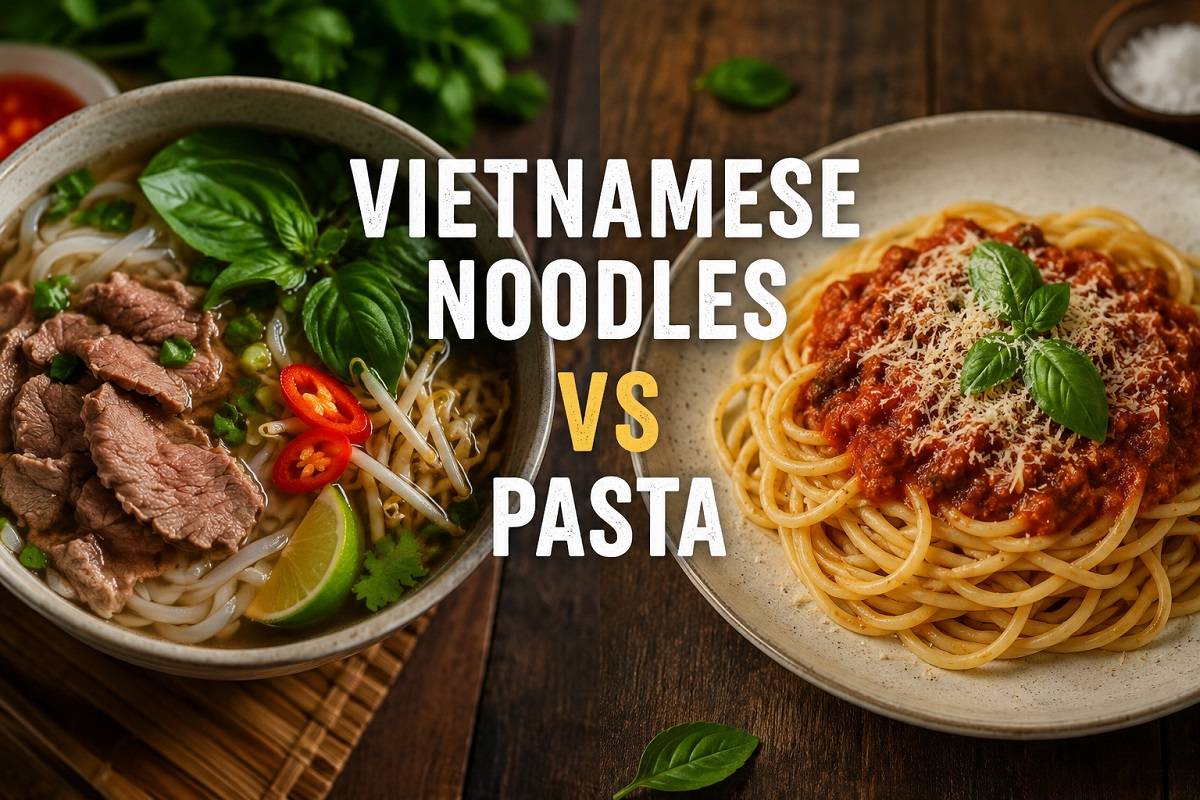
1. Rare Beef Pho Without Noodles
This is probably the most underrated low-carb meal in Vietnamese cuisine.
Most people think pho itself is unhealthy.
Honestly?
The noodles are usually the main issue.
The broth is often slow-cooked for hours using:
- Beef bones
- Onion
- Ginger
- Cinnamon
- Star anise
- Herbs
When you remove most or all of the noodles, you’re left with:
- Rich broth
- Tender slices of beef
- Herbs
- Bean sprouts
- Basil
- Lime
- Jalapeños
It becomes a warm, protein-heavy comfort meal that doesn’t leave you feeling sluggish afterward.
Low-Carb Tip
Ask for:
- Half noodles
- No noodles
- Extra bean sprouts
- Extra beef
You’ll still get the full pho experience without the carb overload.
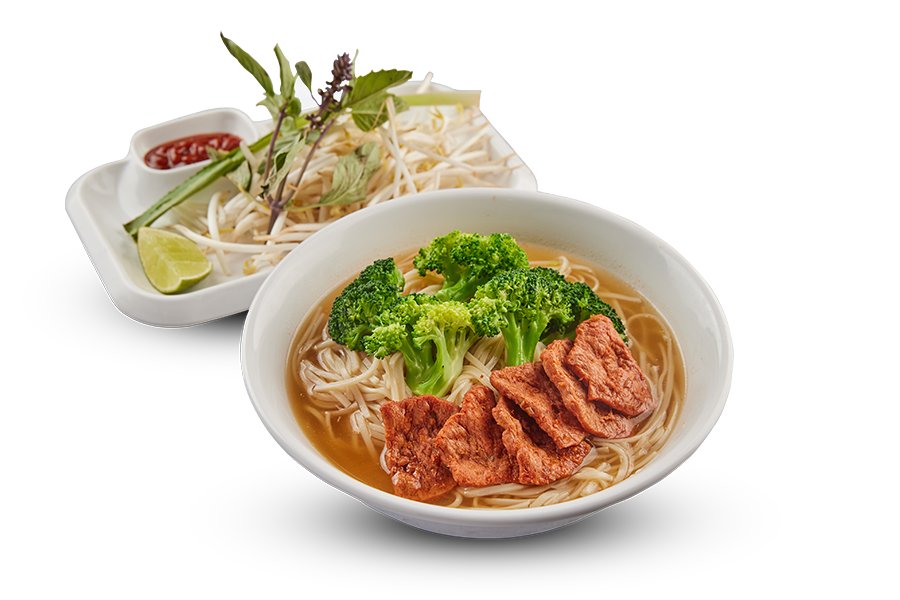
2. Chicken Pho with Extra Greens
Chicken pho tends to feel lighter than beef pho.
It’s a great option for:
- Lunch
- Post-workout meals
- Cleaner eating days
- People who want something filling but not heavy
The best move is ordering it with:
- Minimal noodles
- Extra herbs
- More bean sprouts
- Added vegetables
The broth still gives you that comforting feeling without turning the meal into a carb bomb.
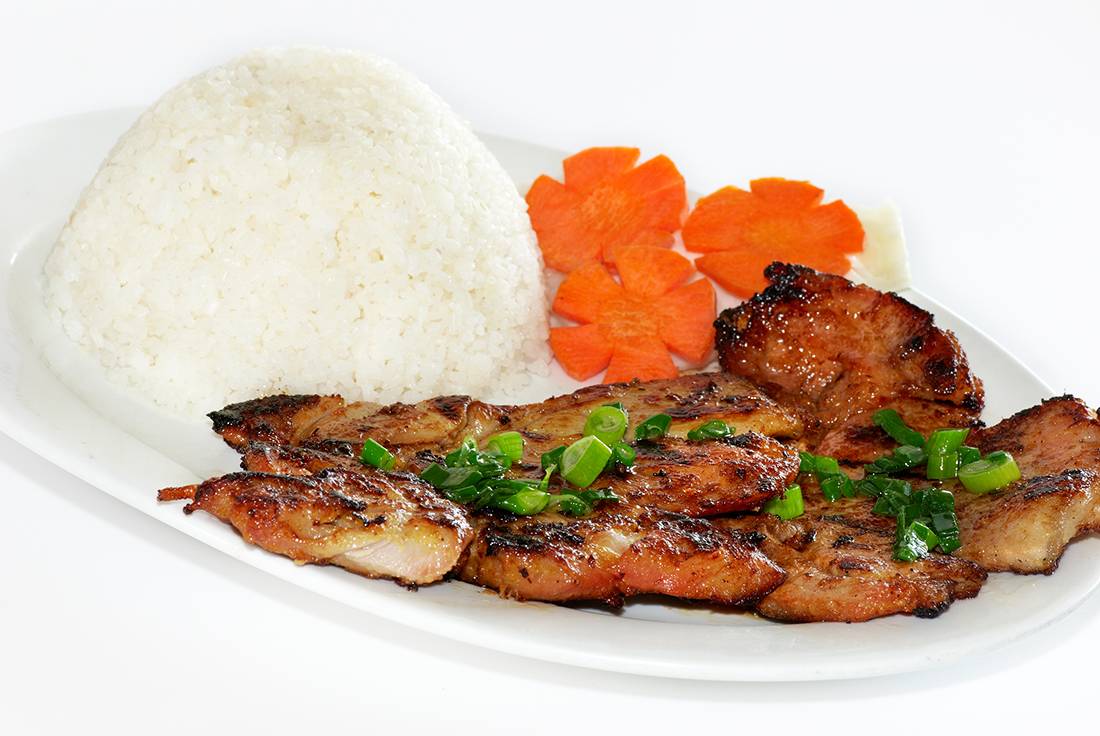
3. Grilled Lemongrass Chicken
This is one of the safest low-carb Vietnamese orders in Toronto.
Vietnamese lemongrass chicken is packed with flavor without relying on thick sugary sauces.
The marinade usually includes:
- Lemongrass
- Garlic
- Fish sauce
- Pepper
- Light seasoning
That creates bold flavor without heavy carbs.
When served with:
- Salad
- Pickled vegetables
- Cucumber
- Herbs
it becomes a very balanced meal.
Why People Love It
It feels satisfying without putting you into a food coma afterward.
4. Shaking Beef (Bò Lúc Lắc)
If you’re trying to eat lower-carb but still want something hearty, this is one of the best Vietnamese dishes you can order.
Shaking beef usually includes:
- Cubed beef
- Garlic
- Onion
- Peppers
- Light sauce
The beef is typically cooked hot and fast, giving it incredible flavor.
Most restaurants serve it with rice.
But if you replace the rice with salad or vegetables?
Completely different meal.
Low-Carb Tip
Ask for:
- No rice
- Extra greens
- Extra vegetables
The dish suddenly feels closer to a steak bowl than a traditional carb-heavy dinner.
5. Grilled Shrimp Plates
Seafood works incredibly well for low-carb eating.
Vietnamese grilled shrimp dishes are usually:
- Light
- High in protein
- Full of herbs
- Naturally flavorful
You still get lots of flavor from:
- Garlic
- Fish sauce
- Lime
- Herbs
- Char-grilled cooking
Without needing sugary sauces or breading.
Pair it with vegetables instead of rice and you have an easy low-carb dinner.
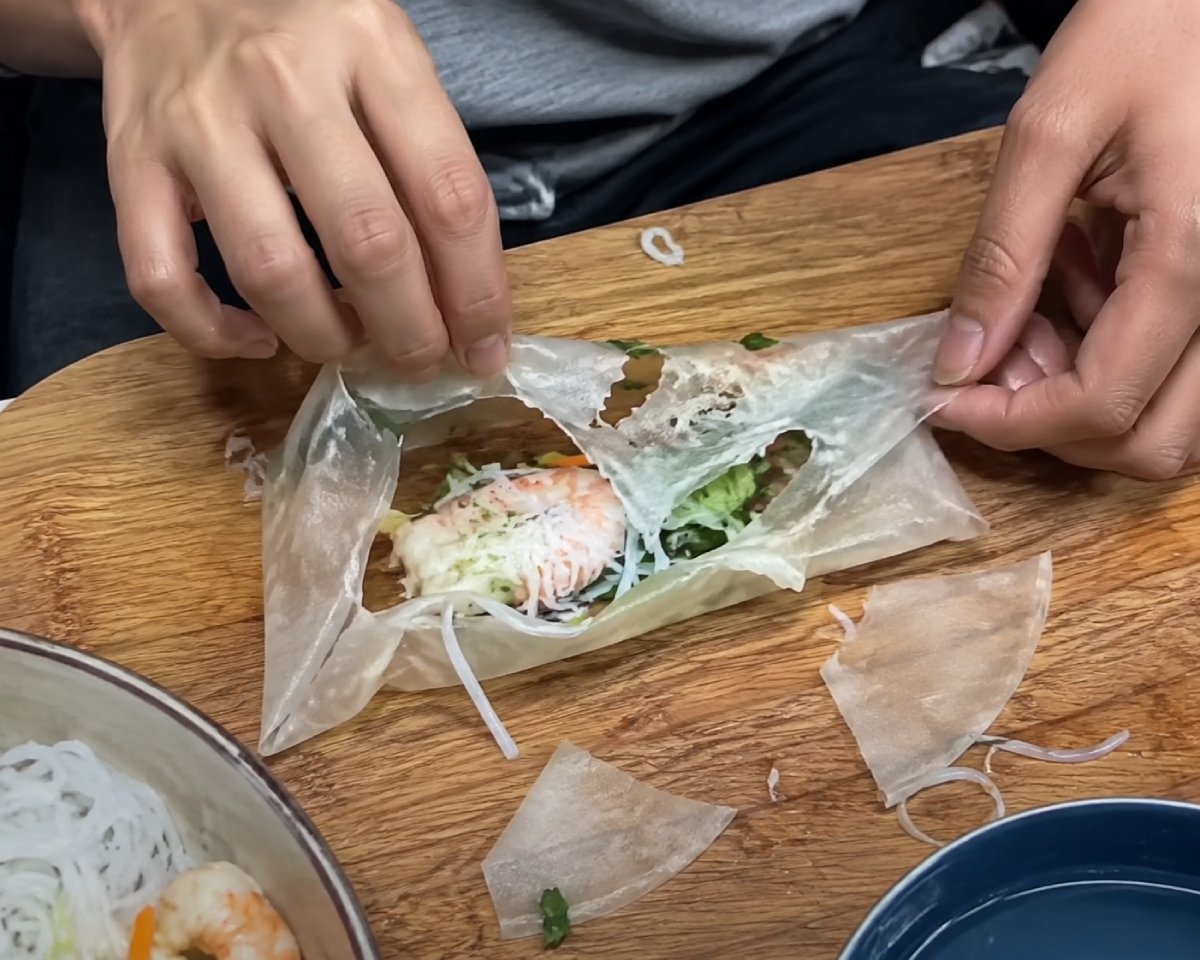
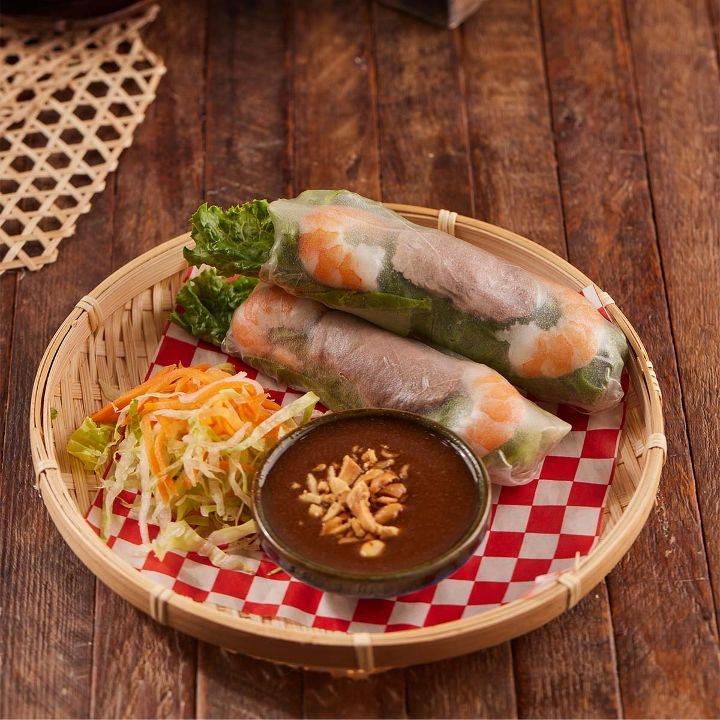
6. Fresh Salad Rolls (With Modifications)
Traditional Vietnamese fresh rolls are healthier than deep-fried spring rolls, but the rice paper still adds carbs.
That said, they can still fit into a lower-carb lifestyle better than many appetizers.
Inside, you’ll often find:
- Shrimp
- Pork
- Lettuce
- Mint
- Vermicelli
- Herbs
Some places may allow modifications like:
- Less vermicelli
- Extra lettuce
- Protein-heavy filling
Even better?
Some restaurants can serve the ingredients as a bowl instead.
7. Vietnamese Seafood Dishes
Many Vietnamese seafood meals naturally lean lower-carb because they focus more on protein and herbs than starch.
Popular options include:
- Grilled squid
- Fish dishes
- Garlic shrimp
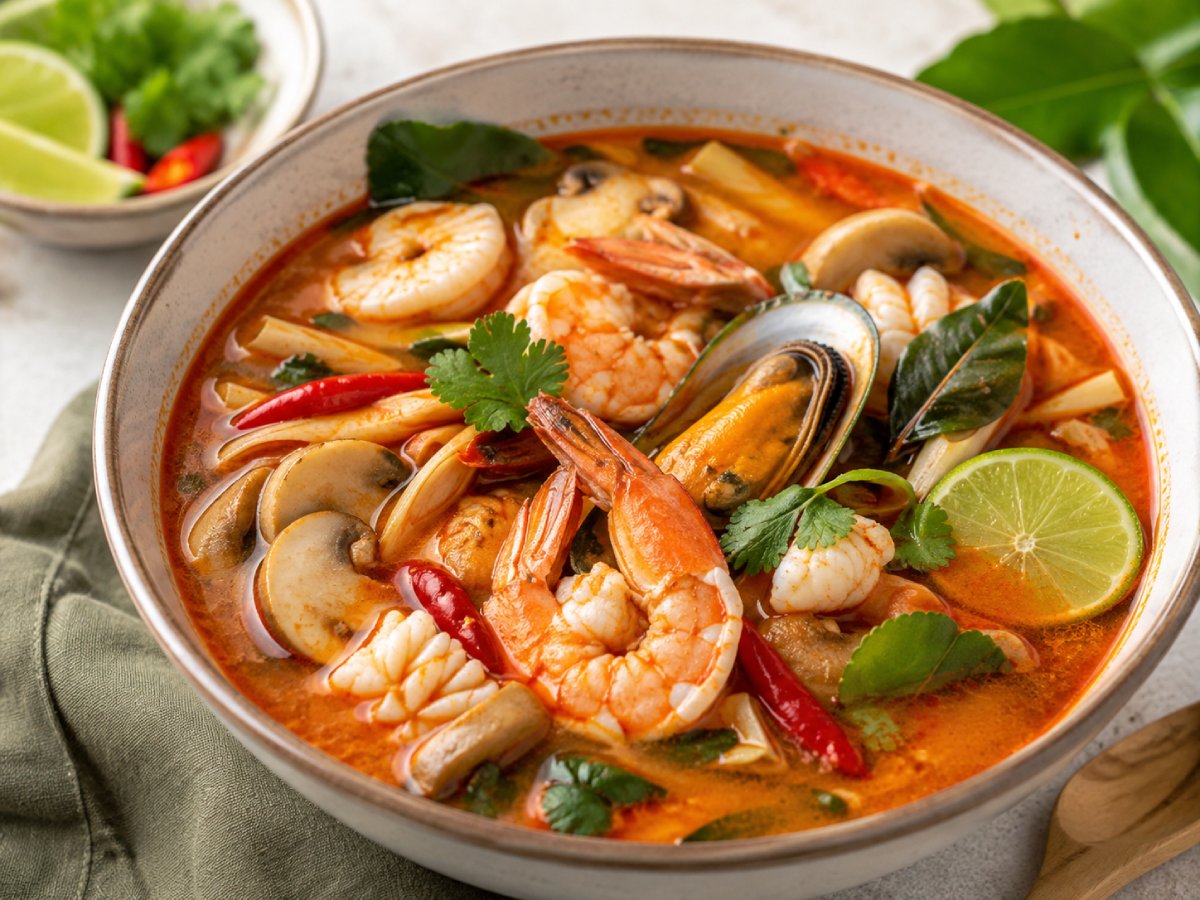
- Seafood hot pots
- Salt-and-pepper seafood plates
Seafood dishes often feel lighter than beef or fried meals while still being filling.
8. Bun Bowls Without Vermicelli
This is one of the easiest restaurant hacks.
A traditional bun bowl contains:
- Vermicelli noodles
- Grilled meat
- Herbs
- Pickled vegetables
- Lettuce
- Fish sauce
The noodles are the biggest carb source.
Without them?
You basically get a giant grilled protein salad loaded with herbs and flavor.
Best Protein Choices
- Lemongrass chicken
- Grilled pork
- Shrimp
- Beef
Low-Carb Tip
Ask for:
- No vermicelli
- Double lettuce
- Extra cucumber
- More herbs
You’ll be surprised how filling it still is.
9. Vietnamese Hot Pot
Vietnamese hot pot can actually work well for groups trying to eat lighter.
The trick is controlling:
- Noodles
- Rice
- Sugary sauces
Focus more on:
- Seafood
- Thin beef slices
- Mushrooms
- Greens
- Bok choy
- Herbs
The result feels warm and comforting without becoming too heavy.
10. Grilled Pork with Vegetables
Vietnamese grilled pork has a smoky, slightly sweet flavor that pairs perfectly with fresh vegetables.
Many people assume pork dishes are automatically unhealthy.
Not necessarily.
When balanced with:
- Lettuce
- Herbs
- Pickled vegetables
- Cucumber
it becomes a much cleaner meal than most fast-food options in Toronto.
The Best Low-Carb Vietnamese Ingredients
One reason Vietnamese food works so well for lower-carb eating is because of the ingredients themselves.
Fresh Herbs
Vietnamese cuisine uses herbs aggressively compared to many cuisines.
Common herbs include:
- Thai basil
- Mint
- Cilantro
- Perilla
- Dill
These add huge flavor naturally.
Bean Sprouts
Bean sprouts are a secret weapon for low-carb eating.
They:
- Add crunch
- Add volume
- Make meals feel bigger
- Replace noodles surprisingly well
A bowl loaded with sprouts feels far more satisfying than people expect.
Pickled Vegetables
Pickled carrots and daikon add:
- Acidity
- Freshness
- Texture
Without making meals overly heavy.
Bone Broth
Traditional pho broth is one of the healthiest parts of the meal.
Slow-simmered broth can feel:
- Filling
- Comforting
- Protein-rich
Especially compared to creamy fast-food soups.
What to Avoid If You’re Trying to Stay Low-Carb
Not every Vietnamese dish is low-carb friendly.
The biggest carb-heavy items usually include:
- Large vermicelli bowls
- Rice-heavy plates
- Bánh mì sandwiches
- Fried spring rolls
- Sticky rice dishes
- Sugary drinks
- Sweet sauces
That doesn’t mean you can never eat them.
But if your goal is lower-carb eating, these are the dishes to watch carefully.
Is Vietnamese Coffee Low-Carb?
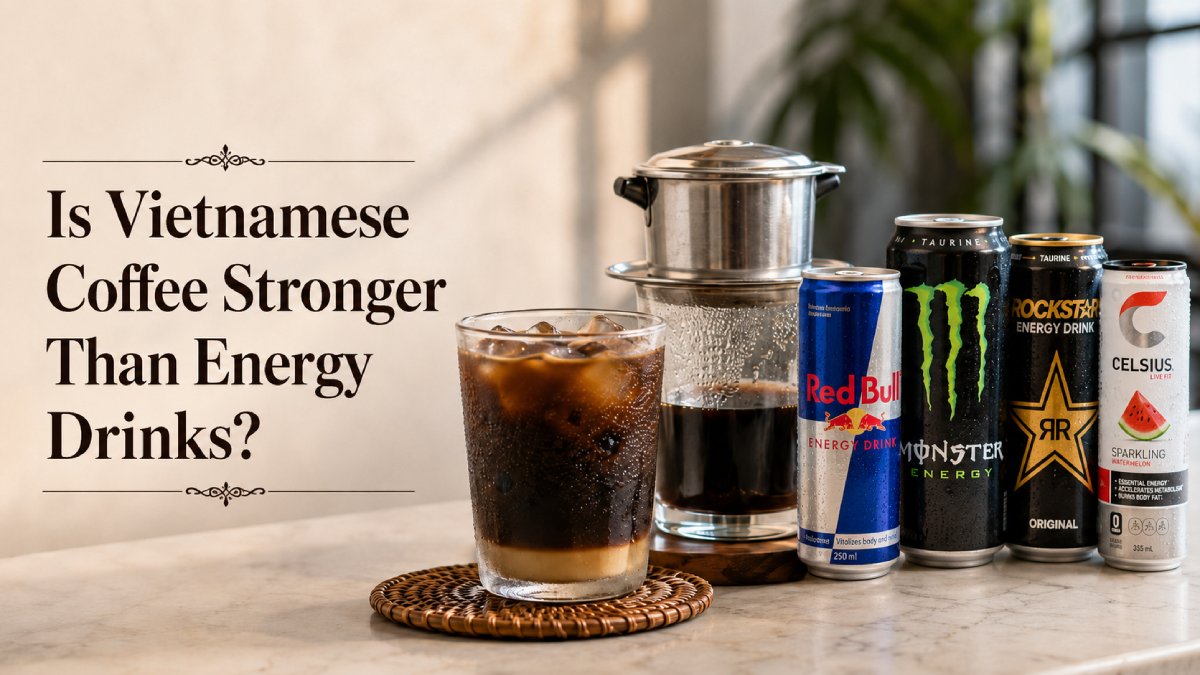
Traditional Vietnamese iced coffee is delicious, but usually not low-carb.
That’s because it often includes:
- Sweetened condensed milk
- Sugar
If you want a lighter option:
- Ask for less condensed milk
- Skip added sugar
- Choose hot Vietnamese coffee
You still get the strong coffee flavor without all the extra sweetness.
Why So Many Fitness-Focused People Love Vietnamese Food
There’s a reason Vietnamese food has become popular among:
- Gym-goers
- High-protein eaters
- Keto followers
- Busy professionals
It hits a rare balance.
The meals often feel:
- Filling
- Flavorful
- Fresh
- Comforting
Without feeling greasy or overly processed.
That’s hard to find in restaurant food today.
Final Thoughts
Eating low-carb in Toronto does not mean giving up Vietnamese food.
Honestly, Vietnamese cuisine might be one of the easiest restaurant cuisines to adapt for healthier eating.
The secret is simple:
- Reduce noodles
- Replace rice
- Increase vegetables
- Focus on protein
- Enjoy the herbs and broth
Once you start ordering this way, Vietnamese food feels completely different.
Lighter.
Cleaner.
More balanced.
And for many people, way more satisfying than typical “diet food.”
Here are some delicious food and drinks to try when ordering from PHO restaurants in Toronto:
House Special Beef Noodle Soup (Phở Đặc Biệt)
Hanoi Style Vermicelli (Bún Chả Hà Nội)
Udon Noodle Soup with Shrimp (Bánh Canh Tôm)
Grilled Pork Roll (Thịt Nướng Cuốn)