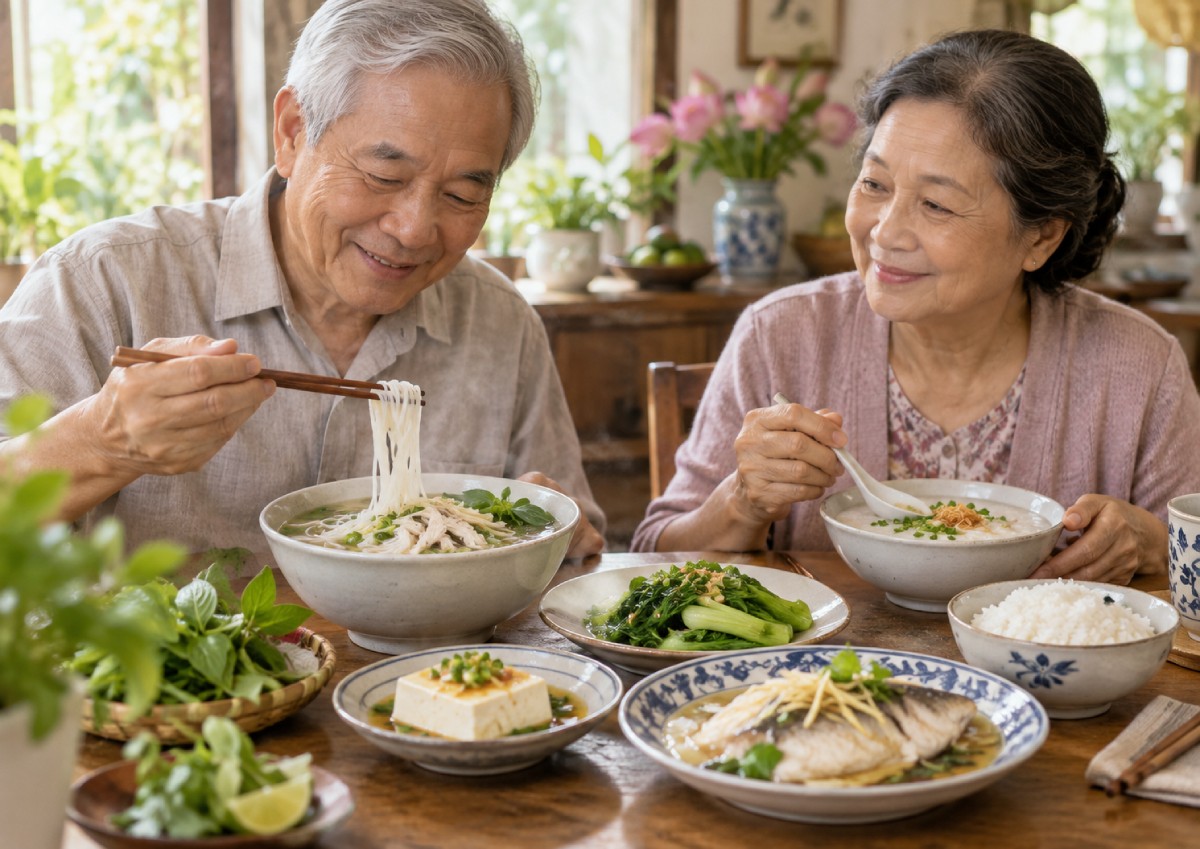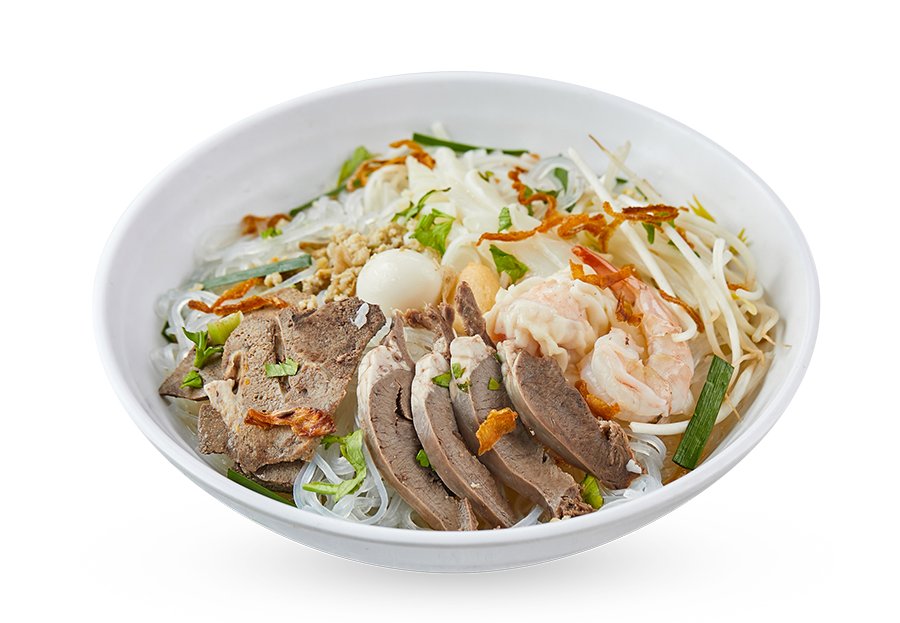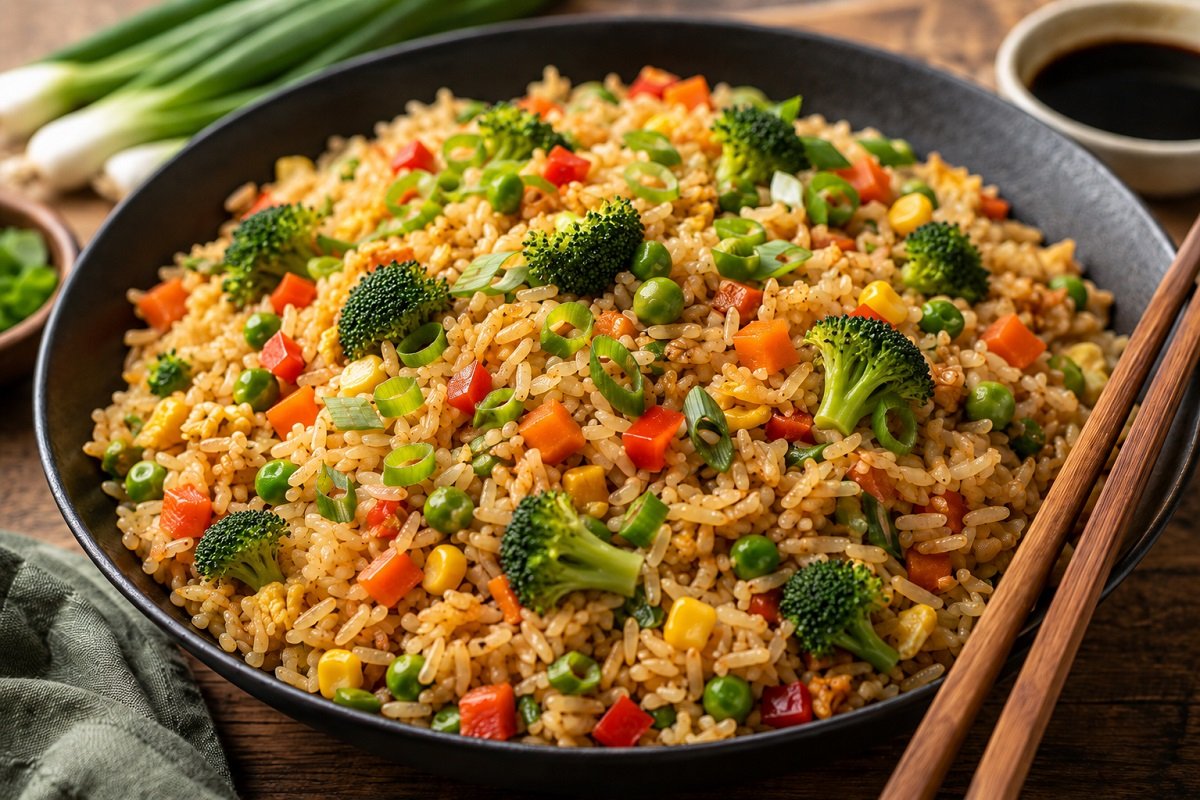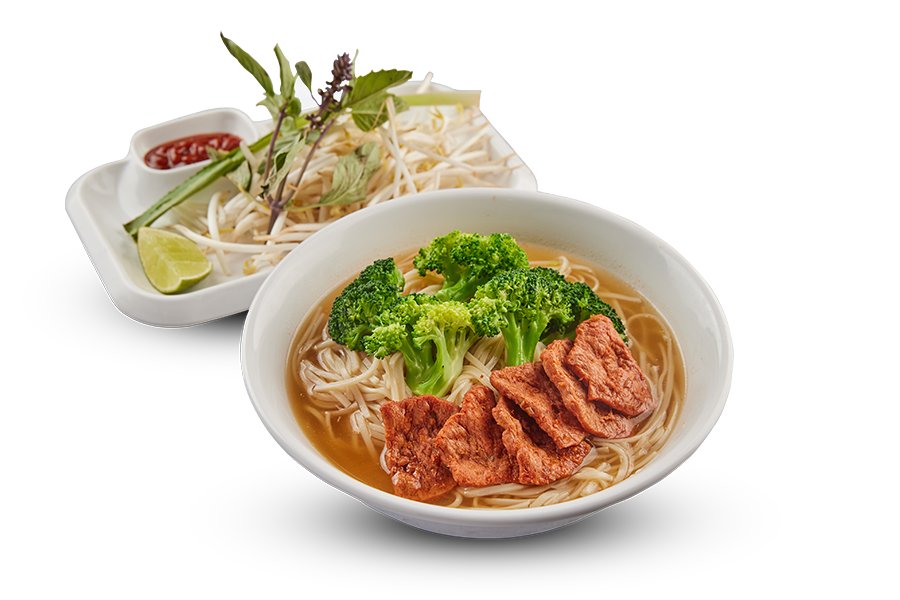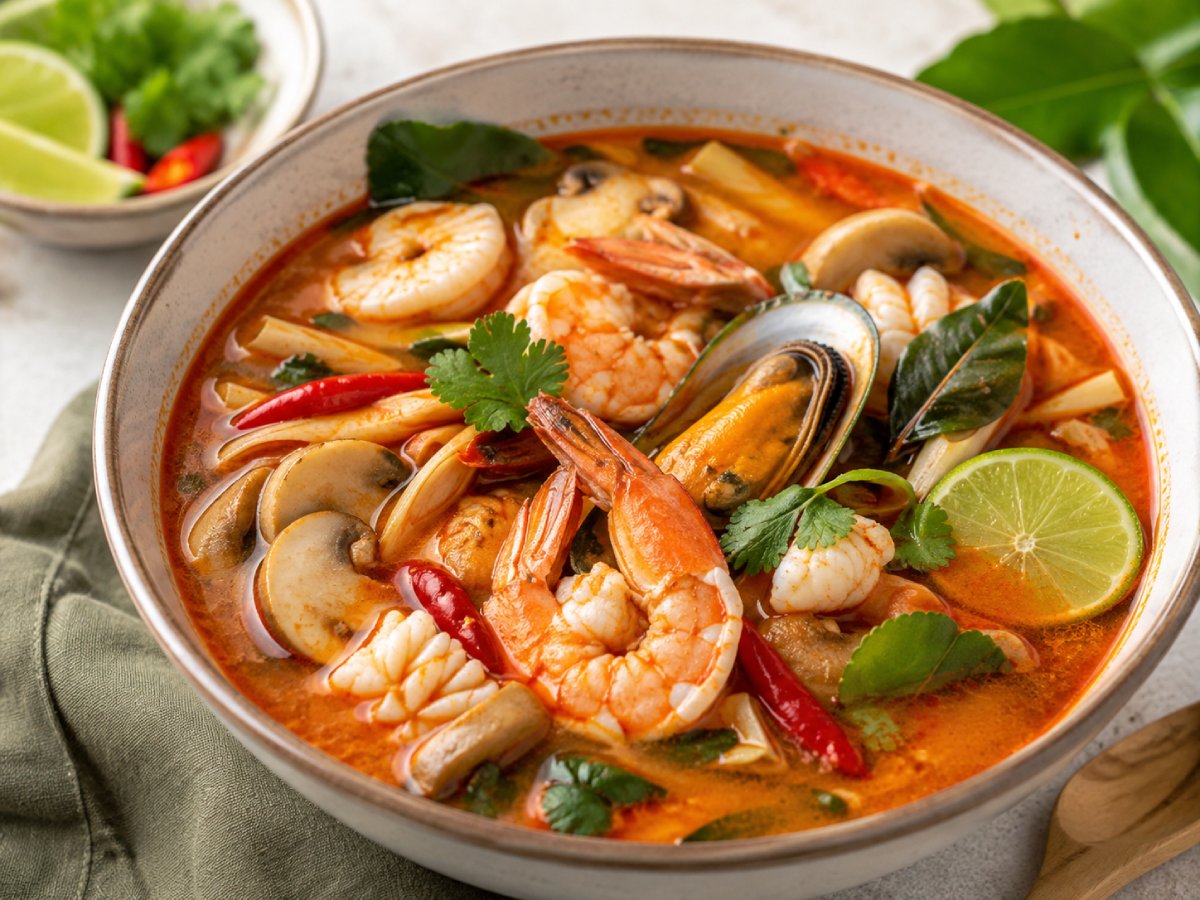
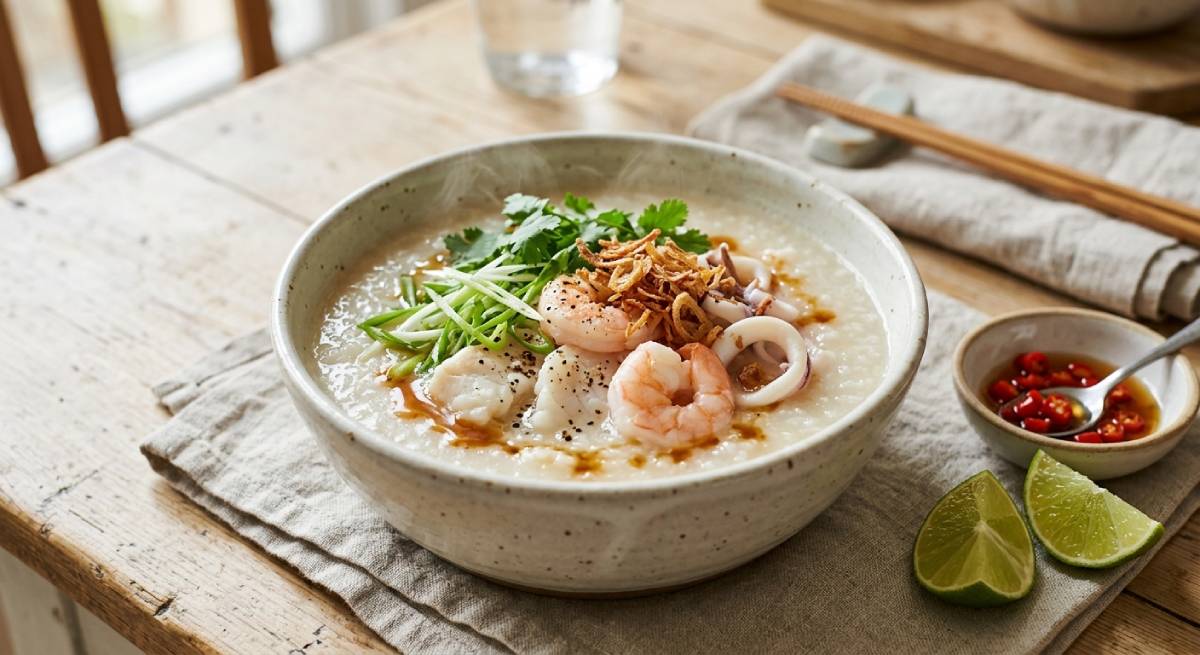
Vietnamese seafood congee, often inspired by dishes like cháo hải sản, combines creamy rice porridge with seafood, aromatics, herbs, and toppings that bring everything together without making the dish complicated.
And the good news?
You do not need advanced cooking skills to make it at home.
A lot of beginners avoid congee because they think it takes too long or sounds difficult. But once you learn how the rice breaks down and how flavors build gradually, the process becomes much easier than expected.
This beginner-friendly guide will help you understand:
- What Vietnamese seafood congee actually is
- Which seafood works best
- How to make the rice creamy
- Common mistakes beginners make
- Easy ways to customize the recipe
By the end, you will have a warm, comforting seafood congee that tastes homemade, fresh, and satisfying.
What Is Vietnamese Seafood Congee?
Vietnamese congee is a rice porridge made by slowly cooking rice in a large amount of liquid until the grains soften and partially dissolve.
The texture can range from lightly soupy to thick and creamy depending on personal preference.
Unlike plain rice soup, Vietnamese congee develops flavor from:
- broth
- onions
- ginger
- fish sauce
- herbs
- toppings
Seafood versions usually include shrimp, squid, fish, crab, scallops, or a mix of several ingredients.
What makes Vietnamese seafood congee different from some heavier rice porridges is that it often feels lighter, cleaner, and more delicate in flavor.
The seafood adds natural sweetness instead of overwhelming richness.
Why Beginners Like This Recipe
One reason beginners enjoy seafood congee is because it is forgiving.
The rice does not need perfect measurements.
The seafood cooks quickly.
The ingredients are flexible.
And the dish can be adjusted easily if it becomes too thick or too thin.
It is also a good “fridge recipe.”
You can use:
- frozen shrimp
- leftover fish
- seafood mix packages
- homemade or store-bought broth
Even simple ingredients can create a surprisingly comforting meal.
Ingredients You’ll Need
Here’s a beginner-friendly ingredient list for about 4 servings.
For the Congee
- 1 cup jasmine rice
- 8 cups chicken or seafood broth
- 2 cups water
- 1 tablespoon cooking oil
- 3 garlic cloves, minced
- 1 small onion, sliced
- 1 thumb-sized piece ginger, sliced
- 1 teaspoon salt
- 1 tablespoon fish sauce
- Black pepper to taste
Seafood Options
You can use one type or combine several.
Good beginner choices include:
- 200g shrimp, peeled
- 150g squid, sliced
- 200g white fish pieces
- imitation crab
- scallops
Frozen seafood works fine too.
Optional Toppings
- green onions
- cilantro
- fried shallots
- chili oil
- lime wedges
- bean sprouts
- fresh cracked pepper
These toppings help bring freshness and texture to the soft porridge.
Step 1: Wash the Rice
Rinse the jasmine rice 2–3 times under cold water.
This removes excess starch and helps create a cleaner flavor.
Some people soak the rice for 20–30 minutes before cooking to speed up the process, but it is optional.
Step 2: Toast the Rice (Optional but Recommended)
This small step adds deeper flavor.
Heat a dry pan over medium heat and lightly toast the rice for about 3–4 minutes.
Do not burn it.
You only want the rice to turn slightly fragrant and lightly golden.
Many Vietnamese home cooks do this because it creates a nuttier, richer taste.
Step 3: Build the Flavor Base
In a large pot, heat the cooking oil.
Add:
- onions
- garlic
- ginger
Cook for 2–3 minutes until fragrant.
This step creates the foundation for the broth.
The ginger especially helps balance seafood flavors and gives the congee warmth.
Step 4: Add Rice and Liquid
Add the rice into the pot.
Then pour in:
- broth
- water
Bring everything to a gentle boil.
Once boiling, reduce the heat to low and let it simmer uncovered.
Stir occasionally to prevent sticking.
Step 5: Let the Rice Break Down
This is the most important part of making congee.
The rice slowly softens and releases starch into the broth.
After about 40–50 minutes, the mixture will become creamy and smooth.
Some people like it thinner.
Others prefer thicker porridge.
You can always add more broth or water later if needed.
The longer it cooks, the softer and creamier it becomes.
Step 6: Add the Seafood
Seafood cooks quickly, so add it near the end.
Start with fish if using larger chunks.
Then add:
- shrimp
- squid
- scallops
Cook for another 5–8 minutes.
Shrimp should turn pink.
Squid should become opaque but not rubbery.
Avoid overcooking seafood because it can become chewy fast.
Step 7: Season the Congee
Now add:
- fish sauce
- salt
- black pepper
Taste gradually.
Fish sauce adds salty depth and umami flavor that gives Vietnamese congee its signature taste.
Do not pour too much at once.
You can always add more later.
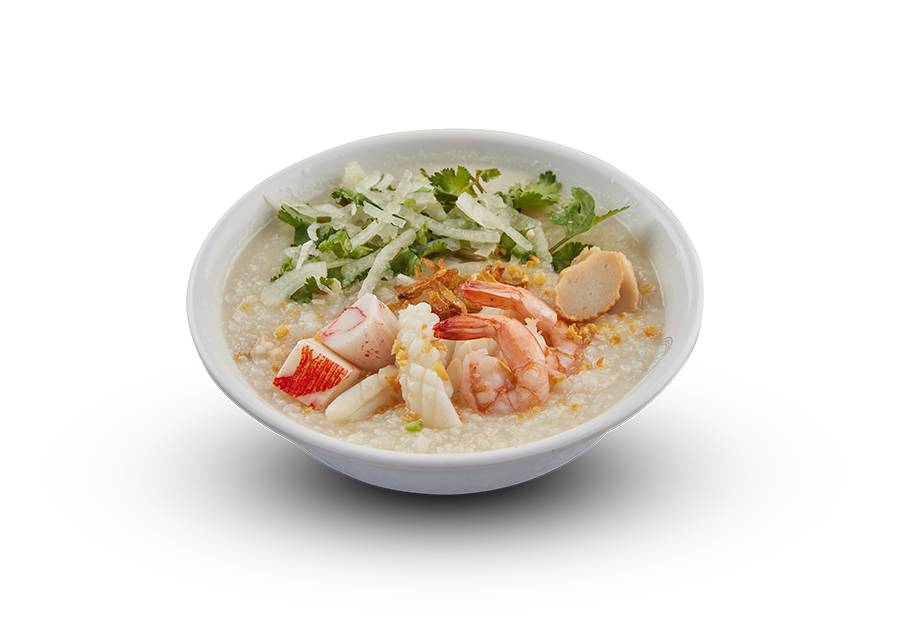
Step 8: Add Toppings and Serve
Ladle the congee into bowls.
Top with:
- green onions
- cilantro
- fried shallots
- fresh pepper
- chili oil
A squeeze of lime can brighten the entire dish.
The contrast between soft porridge and crunchy toppings makes a huge difference.
What Does Vietnamese Seafood Congee Taste Like?
Many first-timers expect strong seafood flavor.
Actually, it tastes much gentler than expected.
The broth becomes:
- savory
- lightly sweet
- warming
- comforting
The seafood adds freshness rather than heaviness.
The rice creates a creamy texture without using cream or dairy.
It feels filling without feeling overly rich.
That balance is one reason congee remains popular across many parts of Asia.
Common Beginner Mistakes
1. Not Using Enough Liquid
Congee absorbs a lot more liquid than regular rice.
If the pot looks too watery early on, that is normal.
2. Cooking Seafood Too Long
Shrimp and squid can overcook very quickly.
Add seafood near the end for the best texture.
3. Forgetting to Stir
Rice can stick to the bottom if ignored too long.
Occasional stirring helps everything cook evenly.
4. Overseasoning Early
As the liquid reduces, flavors become stronger.
Season gradually toward the end.
5. Making It Too Thick
Congee thickens as it cools.
If leftovers become overly thick, simply add broth or water while reheating.
Is Seafood Congee Healthy?
Vietnamese seafood congee is often seen as a lighter comfort food because it usually contains:
- simple ingredients
- broth-based cooking
- lean seafood
- minimal oil
It can feel easier to eat than heavier fried meals, especially during colder weather or when someone wants a softer meal.
The dish also includes protein from seafood while staying relatively balanced and gentle.
Of course, final nutrition depends on:
- sodium levels
- toppings
- broth choice
- portion size
But overall, it is often considered a lighter homemade meal option.
Easy Variations for Beginners
One of the best things about congee is flexibility.
Add Vegetables
Try adding:
- mushrooms
- spinach
- carrots
- bok choy
- corn
Make It Spicier
Add:
- sliced chili
- chili crisp
- sriracha
Use Different Proteins
Not a seafood fan?
You can replace seafood with:
- chicken
- turkey
- tofu
- mushrooms
Make It Extra Creamy
Some people blend a small portion of cooked rice into the broth for an even smoother texture.
Can You Store Leftovers?
Yes.
Seafood congee stores surprisingly well.
Keep leftovers in the fridge for up to 2 days.
The texture will thicken overnight, which is normal.
When reheating:
- add water or broth
- stir slowly over medium heat
The creamy texture usually returns quickly.
Why So Many People Love Congee
Congee is simple food.
But sometimes simple food is exactly what people want.
It feels warm without being heavy.
Comforting without being complicated.
Flavorful without needing expensive ingredients.
For beginners especially, Vietnamese seafood congee is a great introduction to Vietnamese home cooking because it teaches:
- balance
- texture
- layering flavor
- patience
And unlike some complicated recipes, this dish leaves room for mistakes.
That makes it less stressful to learn.
Once you make it once or twice, you will probably start adjusting it naturally to your own taste.
Maybe thicker.
Maybe spicier.
Maybe loaded with herbs.
Maybe packed with shrimp.
That flexibility is part of what makes Vietnamese comfort food feel so personal.
And honestly, on cold evenings, rainy days, or quiet weekends, a simple bowl of seafood congee can feel far more satisfying than complicated restaurant meals.
Sometimes the best meals are the ones that simply help you slow down for a while.
Here are some delicious food and drinks to try when ordering from PHO restaurants in Toronto:
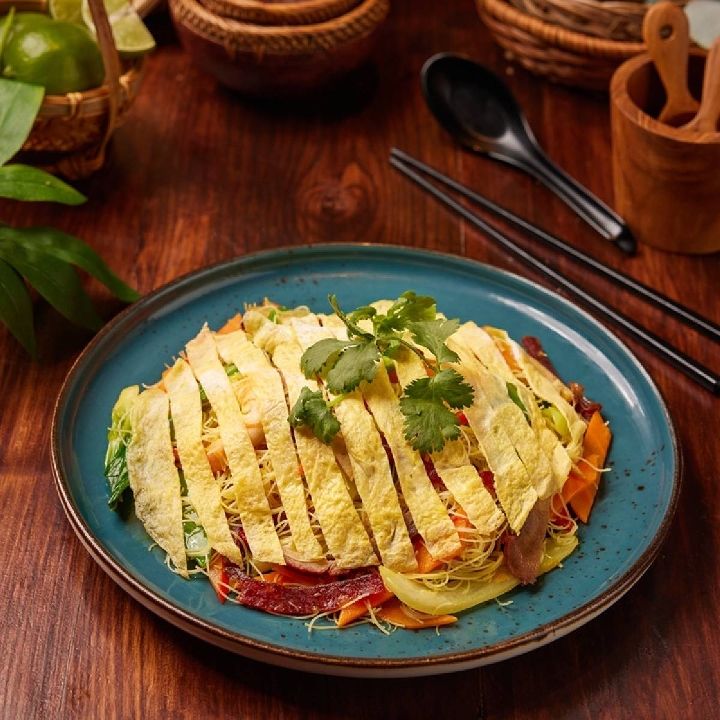
Stir Fried Soft Egg Noodle with Assorted Meat and Seafood (Mì Xào Mềm Thập Cẩm)
Stir Fried Vegetable with Seafood (Cơm Rau Cải Xào Đồ Biển)
Stir Fried Shrimp on Sizzling Plate
Seafood Rice Noodle in Soup (Hủ Tíu Đồ Biển)
Seafood Egg Noodle in Soup (Mì Đồ Biển)