What Are Rice Noodles?
Rice noodles are noodles made mainly from rice flour and water. Some producers may add tapioca starch or another starch to improve the texture, flexibility, or strength of the noodles.
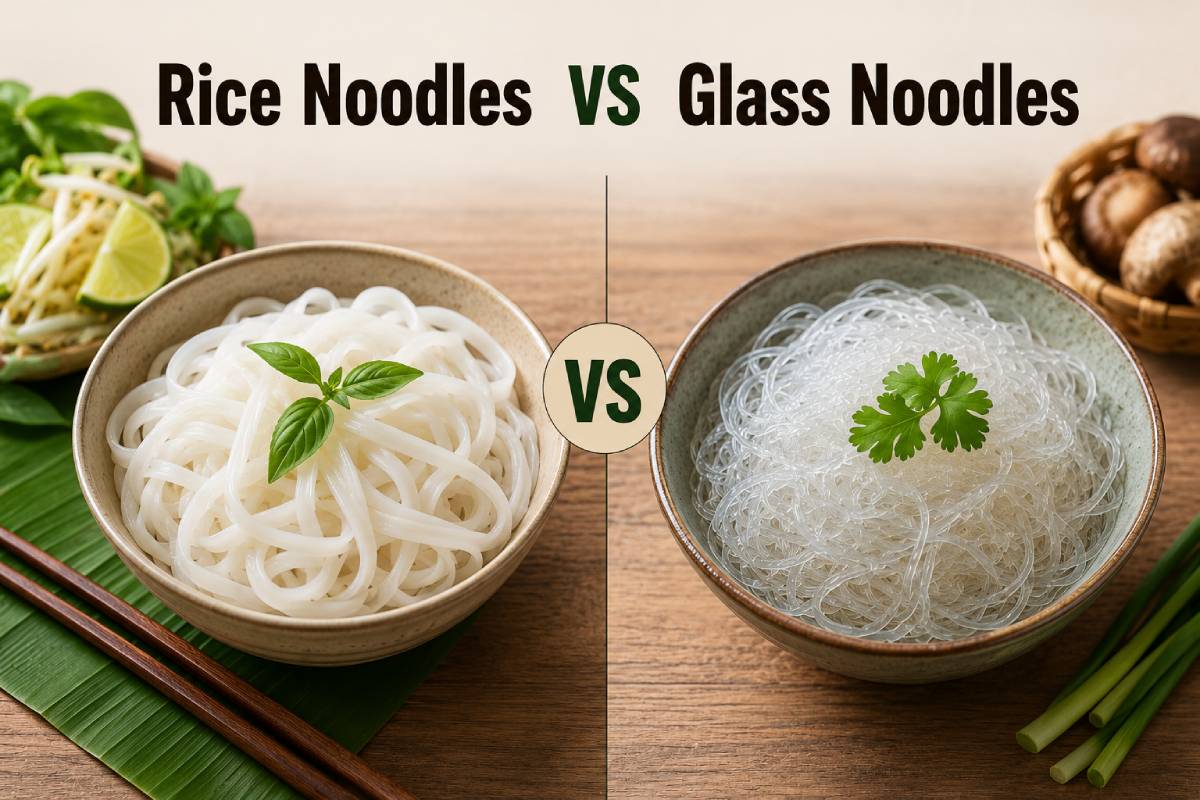
Before cooking, dried rice noodles are usually white or slightly off-white. After they are cooked, they become soft, smooth, and somewhat translucent, but they do not normally become completely clear.
Rice noodles come in many sizes and shapes.
Some are wide and flat, while others are thin and round. Different types are used for different Vietnamese dishes.
Common examples include:
- Wide, flat noodles used in phở
- Thin rice vermicelli known as bún
- Very thin rice noodles used in certain soups and rolls
- Fresh rice noodles used in soups and stir-fried dishes
Rice noodles have a mild flavour. They do not have a strong taste on their own, which allows them to absorb broth, sauces, herbs, and seasonings.
This makes them an important base for many Vietnamese meals.
What Are Glass Noodles?
Glass noodles are usually made from starch rather than rice flour.
In Vietnamese cooking, they are often called miến. They are commonly produced from mung bean starch, although some varieties may use sweet potato starch, cassava starch, canna starch, or a combination of starches.
Before cooking, glass noodles may look white, grey, or slightly clear. After cooking, they become much more transparent. This clear appearance is why they are called glass noodles.
They are also sometimes known as:
- Cellophane noodles
- Bean thread noodles
- Mung bean noodles
- Transparent noodles
Glass noodles are usually thinner than the flat noodles used in phở. They have a slippery, slightly chewy texture and can absorb a large amount of flavour from broth or sauce.
Like rice noodles, glass noodles have a mild taste. Their texture, however, is noticeably different.
The Main Difference Is the Ingredient
The easiest way to understand the difference is to look at what the noodles are made from.
Rice noodles are made primarily from rice flour.
Glass noodles are made primarily from starch, commonly mung bean starch or another plant-based starch.
This difference in ingredients affects almost everything else, including appearance, texture, cooking method, and how the noodles work in a dish.
Even though both types may appear light or translucent after cooking, they are not interchangeable in every recipe.
Using glass noodles instead of rice noodles can completely change the texture of a dish. The same is true when replacing glass noodles with rice noodles.
How Do They Look Different?
Appearance is one of the simplest ways to tell rice noodles and glass noodles apart.
Rice noodles
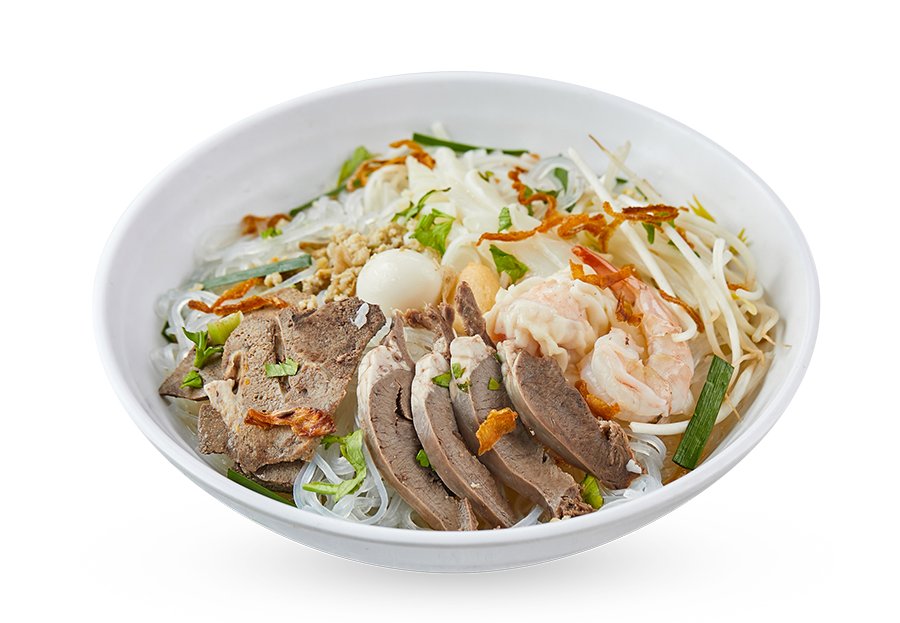
Rice noodles are generally white before cooking. Once cooked, they become softer and slightly translucent, but they usually remain cloudy or milky in appearance.
Wide phở noodles are especially easy to recognize because they are flat and ribbon-like.
Rice vermicelli is much thinner, but it still normally looks white rather than fully transparent.
Glass noodles
Glass noodles become clear or almost transparent after they are cooked. They may look shiny and slightly darker than rice noodles, especially after absorbing broth or sauce.
They are often very thin and can appear almost invisible in a clear soup.
The transparent appearance is the main visual clue that you are eating glass noodles rather than rice noodles.
How Is the Texture Different?
Texture is one of the biggest differences between the two noodles.
Rice noodles are generally soft, tender, and smooth. Depending on their thickness and cooking time, they may also have a light chew.
Wide phở noodles feel silky and soft in broth. Thin bún noodles are more delicate and are often served in bowls, salads, and lettuce wraps.
Glass noodles are usually more elastic, slippery, and chewy. They may feel springier than rice noodles.
Because they are made from starch, glass noodles can remain firm even after absorbing liquid. However, if they are overcooked, they may become too soft, sticky, or difficult to separate.
The preferred texture depends on the dish.
Rice noodles are often chosen when a soft and comforting texture is needed. Glass noodles are used when the dish benefits from a lighter, springier, or more elastic noodle.
Do Rice Noodles and Glass Noodles Taste Different?
Neither rice noodles nor glass noodles have a strong flavour.
Rice noodles may have a very mild rice taste, but it is usually subtle. Glass noodles are also neutral and may have almost no noticeable flavour on their own.
The main difference is not the taste of the noodles themselves. It is the way they absorb and carry other flavours.
Rice noodles work well with rich broths, fish sauce, lime, herbs, grilled meats, and savoury dressings.
Glass noodles absorb sauces and broths very effectively. They can take on the flavour of mushrooms, meat, seafood, vegetables, and seasonings.
Because both noodles are mild, the final taste depends heavily on the ingredients around them.
Which Vietnamese Dishes Use Rice Noodles?
Rice noodles are used in many well-known Vietnamese dishes.
Phở
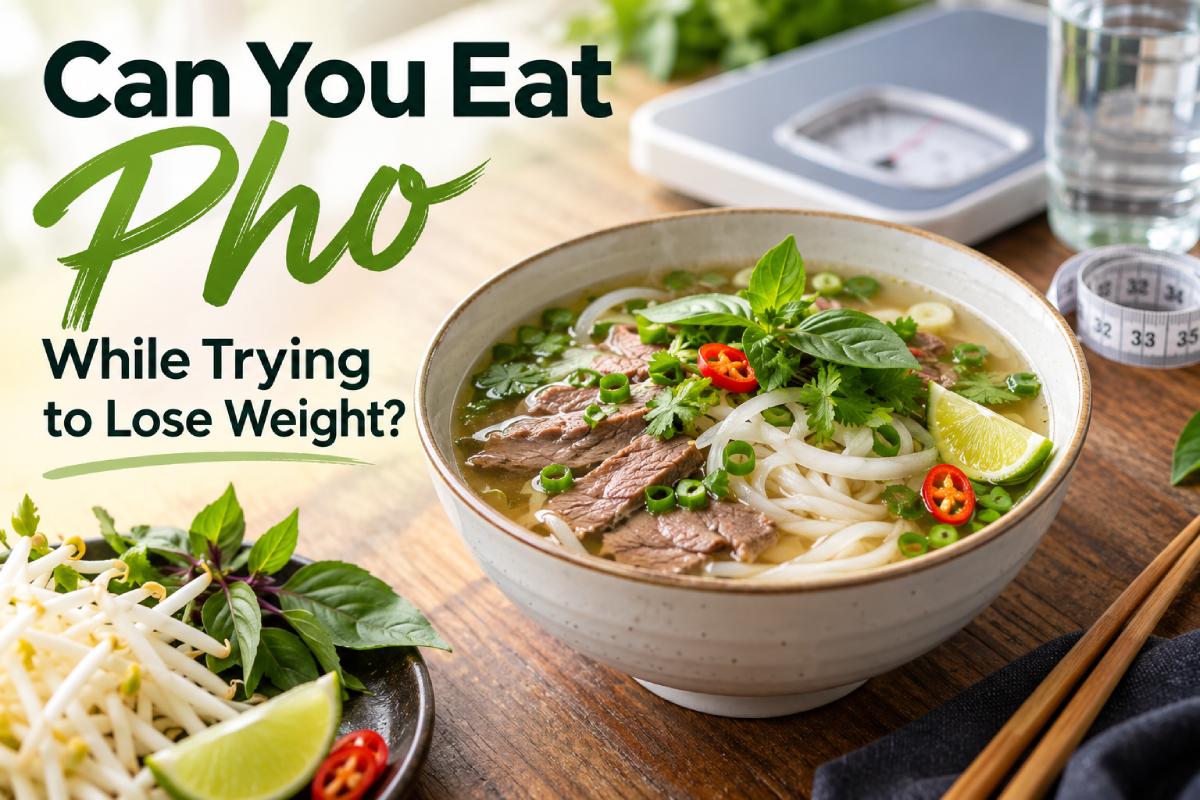
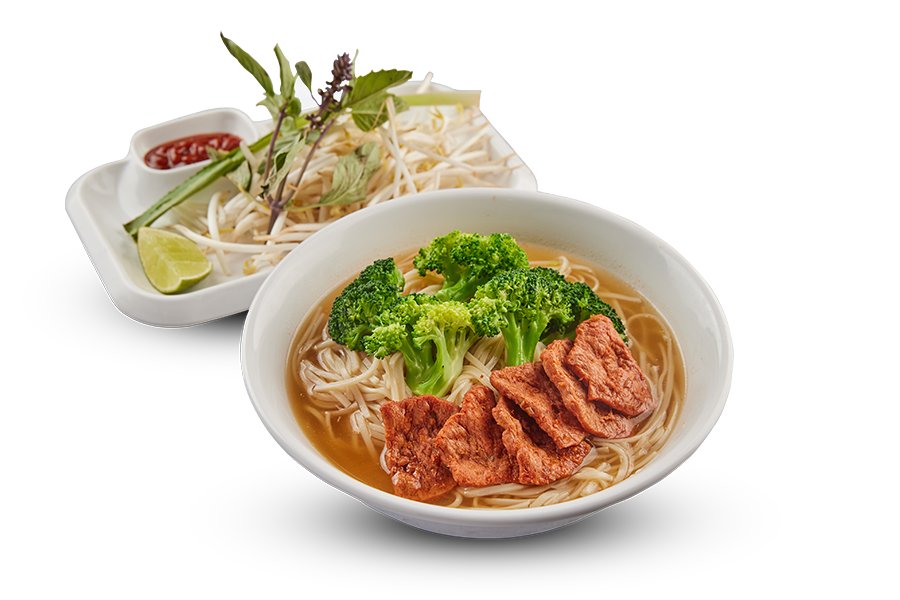
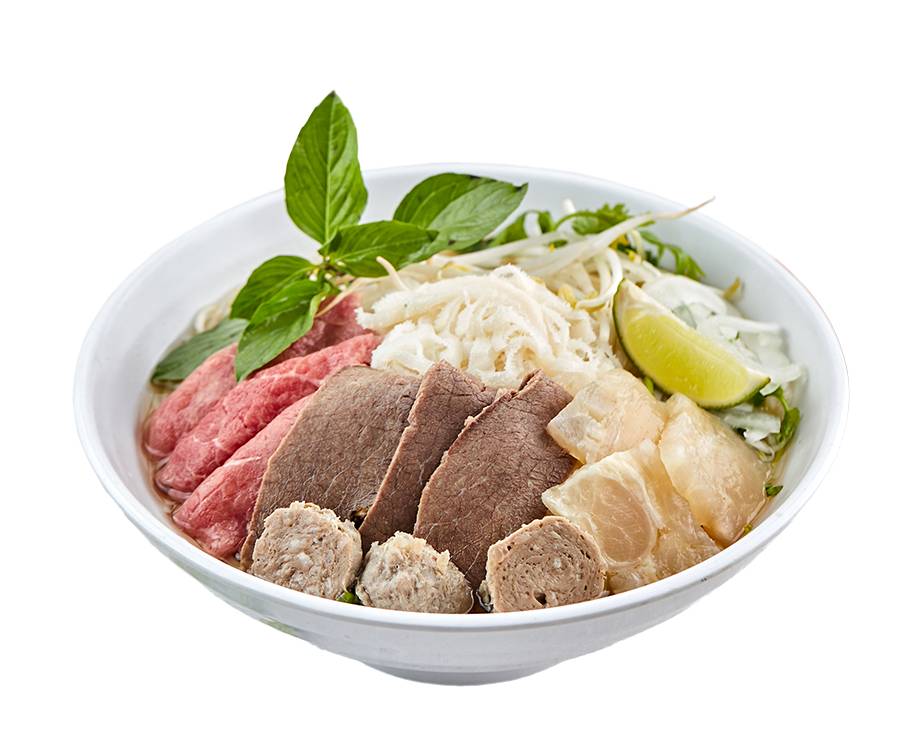
Phở is one of the most famous Vietnamese noodle soups. It is usually made with flat rice noodles known as bánh phở.
The noodles are served in an aromatic broth with beef or chicken, along with herbs, onions, and other toppings.
The soft, flat noodles are an important part of the phở experience. Glass noodles would create a very different texture and would not produce the same traditional result.
Bún dishes
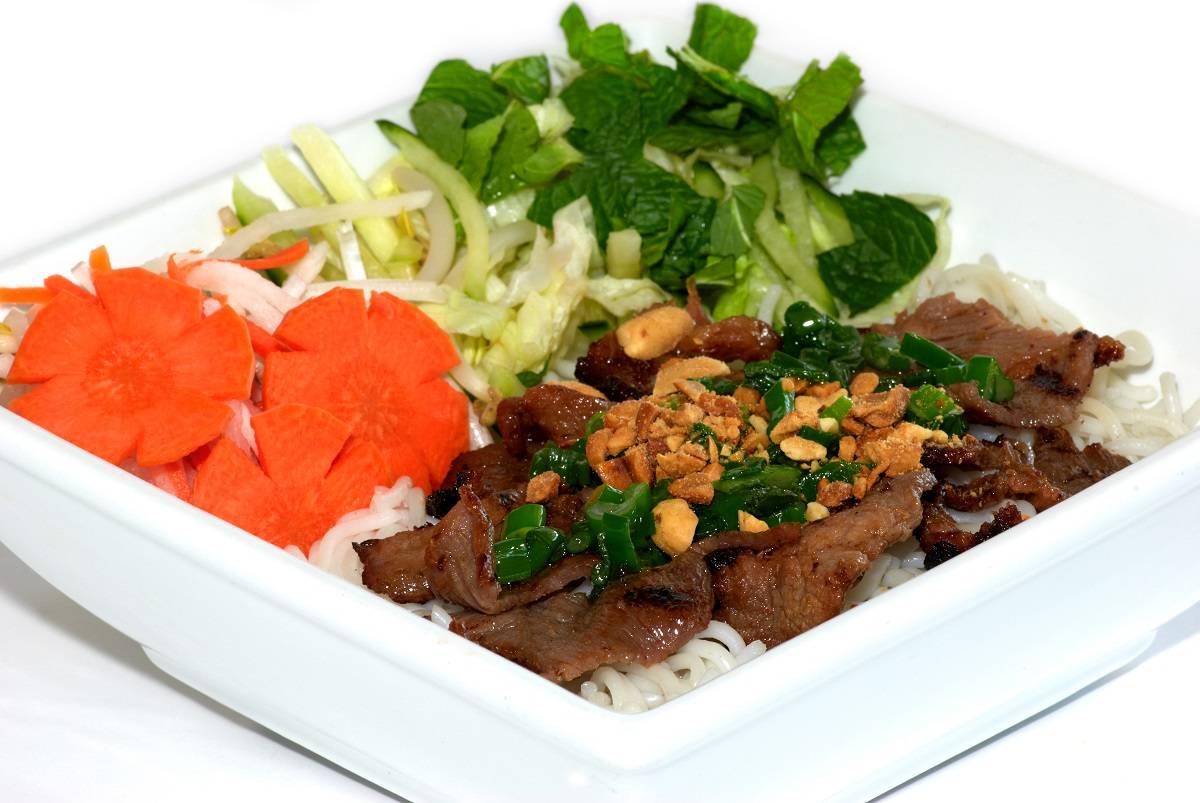
Bún refers to thin rice vermicelli. It is used in many Vietnamese meals, including noodle bowls, soups, and cold dishes.
Popular examples include bún thịt nướng, which combines rice vermicelli with grilled meat, herbs, vegetables, and sauce.
Bún can also be served with spring rolls, seafood, or different regional broths.
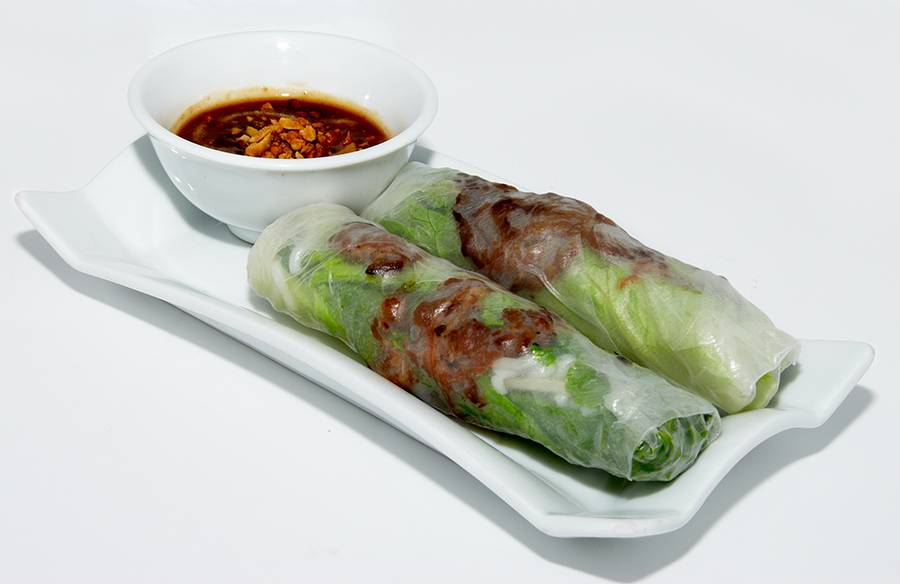
Fresh spring rolls
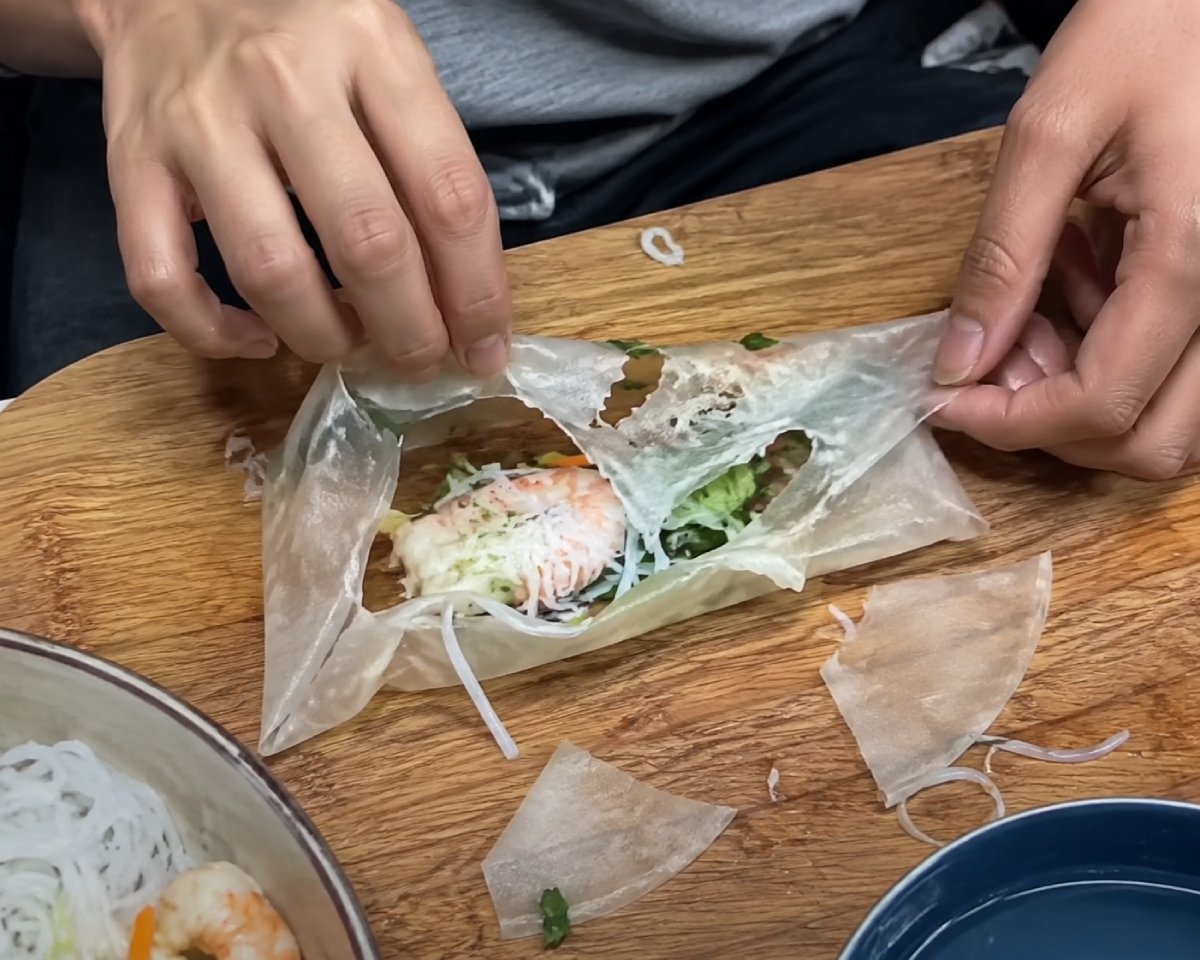
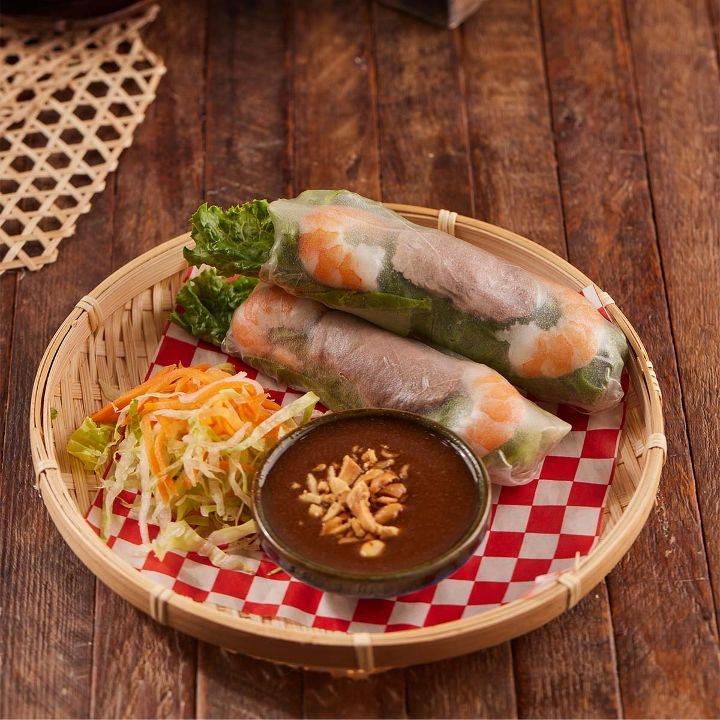
Vietnamese fresh spring rolls often contain thin rice vermicelli, shrimp, pork, herbs, and vegetables wrapped in rice paper.
The rice noodles give the rolls structure without adding a strong flavour.
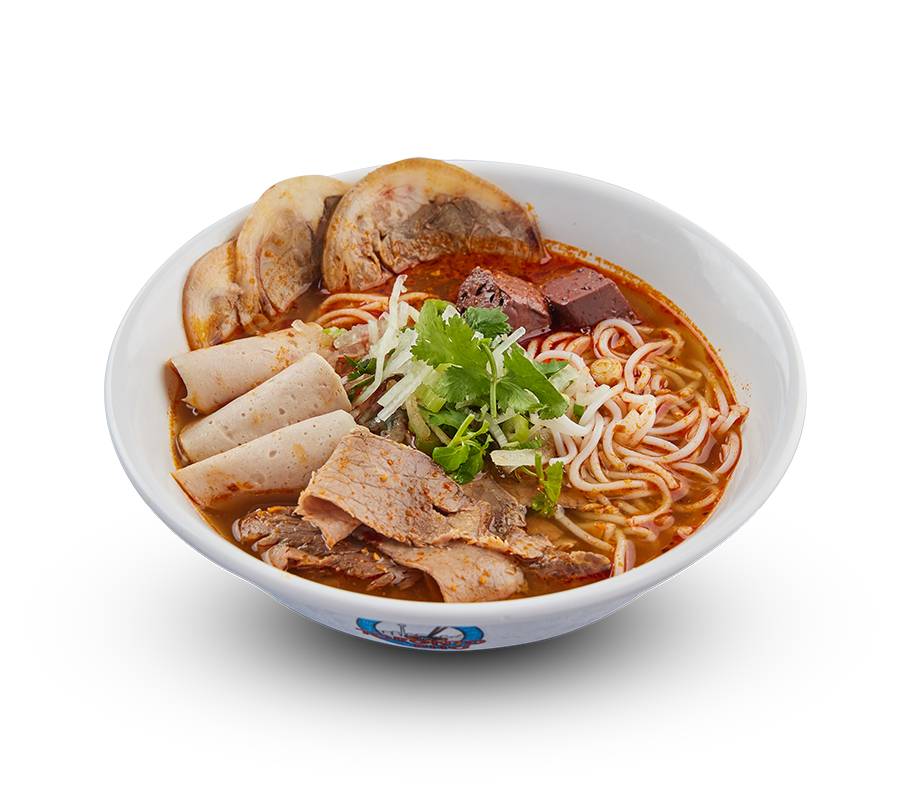
Bún bò Huế
Bún bò Huế is a spicy and aromatic noodle soup traditionally made with thicker, round rice noodles.
These noodles are firmer and more substantial than the flat noodles used in phở.
Which Vietnamese Dishes Use Glass Noodles?
Glass noodles also appear in several traditional Vietnamese dishes.
Miến gà
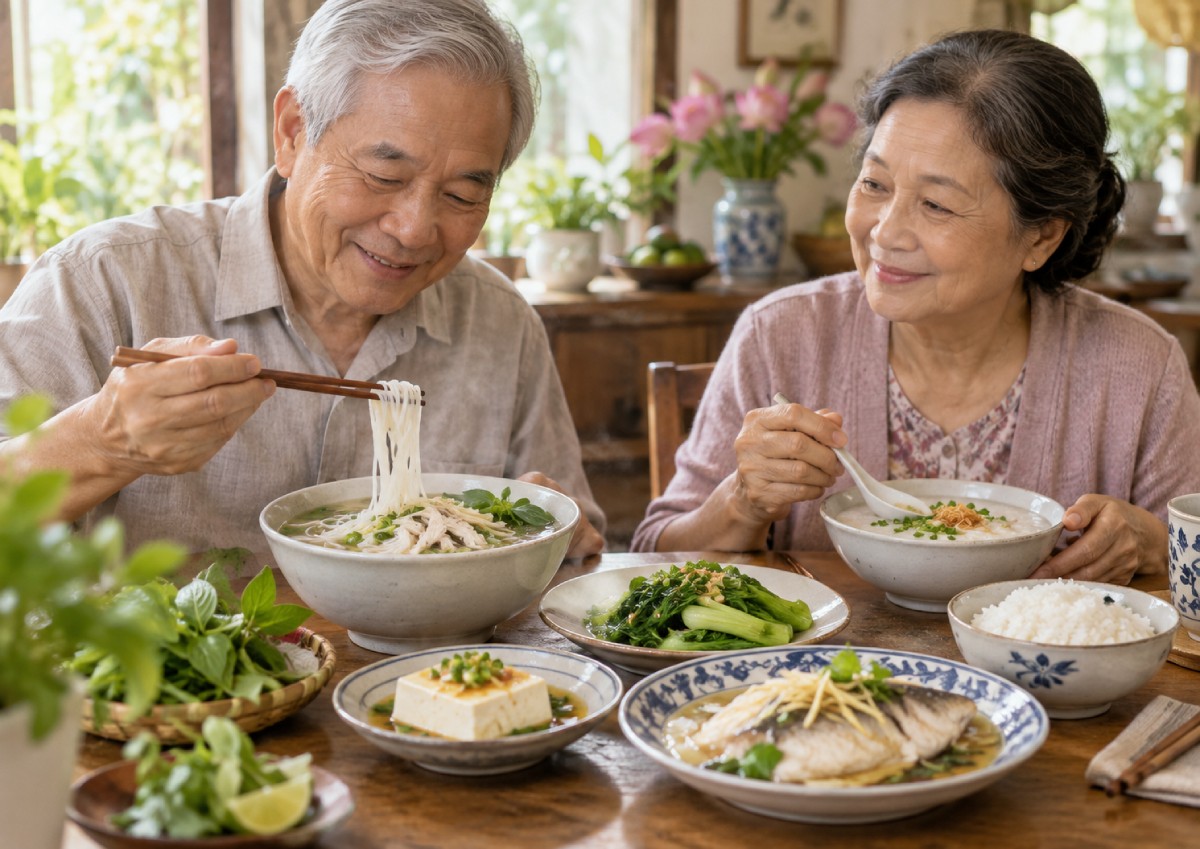
Miến gà is a Vietnamese chicken noodle soup made with glass noodles.
The clear, chewy noodles absorb the chicken broth while keeping their distinctive texture. The soup may also include shredded chicken, herbs, onions, and mushrooms.
Miến lươn
Miến lươn is a glass noodle dish prepared with eel. It may be served as a soup or as a drier noodle dish, depending on the recipe and region.
The glass noodles work well because they absorb the savoury flavours while maintaining a light texture.
Miến xào
Miến xào refers to stir-fried glass noodles.
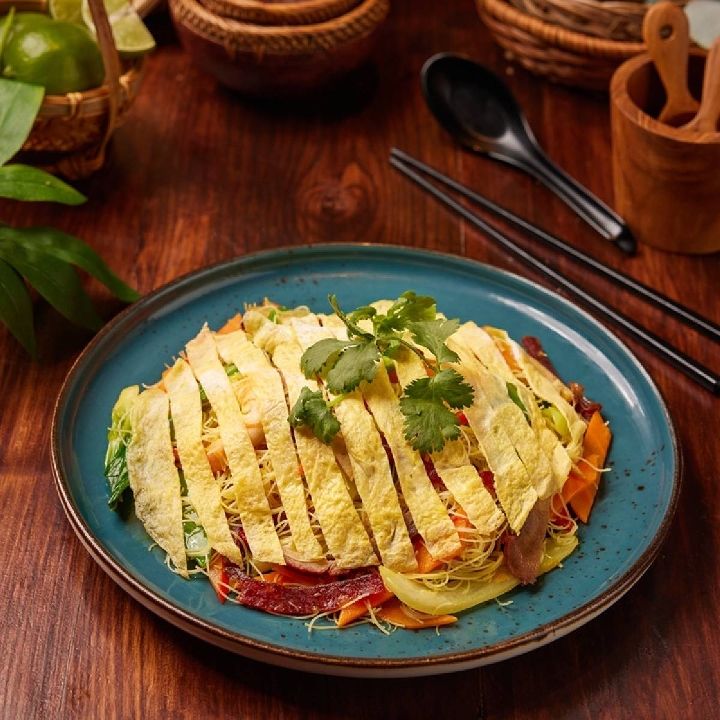
The noodles may be cooked with vegetables, mushrooms, eggs, meat, or seafood. They absorb the stir-fry sauce and become deeply flavoured.
Spring roll filling
Glass noodles are often used inside fried Vietnamese spring rolls, sometimes called chả giò or nem rán.
They are usually mixed with ingredients such as ground pork, mushrooms, carrots, and seasonings.
In this type of dish, glass noodles help hold the filling together and absorb moisture and flavour.
How Are the Cooking Methods Different?
Rice noodles and glass noodles must be prepared carefully because both can become too soft if overcooked.
Dried rice noodles are often soaked in warm or hot water before being added to a dish. Some types may need brief boiling, while others only need soaking.
The correct method depends on the thickness of the noodles.
Thin rice vermicelli cooks quickly. Wide, dried rice noodles may need a longer soak. Fresh rice noodles usually require very little cooking.
Glass noodles are also commonly soaked before use. They may be placed in warm water until flexible and then added to soup, stir-fry, or filling.
Some glass noodles can be boiled briefly, but cooking them for too long may make them sticky or overly soft.
When preparing either type, it is best to follow the package directions. Noodle thickness and ingredients can vary between brands.
Are Rice Noodles and Glass Noodles Gluten-Free?
Traditional rice noodles are made from rice flour and water, so they do not naturally contain gluten.
Traditional glass noodles made from mung bean, sweet potato, cassava, or similar starches also do not naturally contain gluten.
However, not every packaged product is prepared in the same way.
Some noodles may contain additional ingredients, and cross-contact can happen during manufacturing or restaurant preparation.
People with celiac disease or a serious gluten sensitivity should check the ingredient label and ask the restaurant about preparation practices.
It is safer to confirm than to assume that every noodle dish is gluten-free.
Which One Is Healthier?
There is no simple answer because the health value of a dish depends on the entire meal, not only the type of noodle.
Both rice noodles and glass noodles mainly provide carbohydrates. The exact calorie, fibre, and nutrient content depend on the brand, ingredients, serving size, and preparation method.
A noodle bowl with vegetables, herbs, lean protein, and a balanced amount of sauce may be more nutritious than a dish containing the same noodles with heavy oil, large amounts of sodium, or limited vegetables.
Glass noodles are sometimes described as lighter because they look thin and transparent. That does not automatically mean they contain fewer calories.
Rice noodles are sometimes considered more filling, but this can depend on portion size and what is served with them.
Instead of asking which noodle is always healthier, consider:
- The serving size
- The amount of vegetables
- The type of protein
- The sodium level
- The amount of oil or sauce
- Your personal dietary needs
Can You Substitute One for the Other?
Rice noodles and glass noodles can sometimes be substituted, but the final dish will not have the same texture.
For example, you could use glass noodles in a stir-fry that normally uses rice noodles. However, the glass noodles may absorb more sauce and feel much chewier.
You could also place rice vermicelli in a soup that normally uses glass noodles. The result may still taste good, but it will be softer and less springy.
For traditional dishes such as phở, using the correct noodle is important. Flat rice noodles are a defining part of the dish.
For home cooking, substitution may be acceptable when the exact noodle is unavailable. Just remember that cooking times may need to be adjusted.
How to Choose Between Rice Noodles and Glass Noodles
Choose rice noodles when you want:
- A soft and smooth texture
- Flat noodles for phở
- Thin vermicelli for cold noodle bowls
- Noodles for fresh spring rolls
- A more traditional base for many Vietnamese soups
Choose glass noodles when you want:
- A transparent appearance
- A slippery and chewy texture
- Noodles that strongly absorb broth or sauce
- A filling for fried spring rolls
- A light noodle for soups or stir-fries
Your choice should depend on the dish and the texture you prefer.
Final Thoughts
Rice noodles and glass noodles are both important parts of Vietnamese cuisine, but they are made from different ingredients and provide different eating experiences.
Rice noodles are made mainly from rice flour. They are usually white, soft, and smooth. They are used in dishes such as phở, bún bowls, noodle soups, and fresh spring rolls.
Glass noodles are made from plant-based starches, often mung bean starch. They become transparent after cooking and have a slippery, elastic, and slightly chewy texture. They are commonly used in miến soups, stir-fries, and fried spring roll fillings.
Neither noodle is better in every situation.
Each type has a specific purpose and helps create the texture, appearance, and character of a Vietnamese dish. The next time you order Vietnamese food, look closely at the noodles. Their shape, colour, and texture can tell you a great deal about the meal in front of you.