1. Vietnam’s Geography and Climate Encourage Fresh Herbs
Vietnam is a long, narrow country that stretches down the eastern coast of Southeast Asia. Most of its land receives warm temperatures and plenty of rain. These two conditions are perfect for growing a huge variety of herbs-far more than what grows naturally in temperate regions.
Some common herbs in Vietnamese cooking include:
- Thai basil
- Spearmint
- Peppermint
- Vietnamese coriander (rau răm)
- Culantro (ngò gai)
- Perilla leaves (tia tô)
- Dill (thì là)
- Cilantro and its stems
- Scallions and garlic chives
When a country has such easy access to fresh herbs and greens year‑round, it naturally builds them into its cuisine. You can think of it this way: in a cold country, the local crops might shape traditional dishes such as potatoes, cabbage, or root vegetables. In Vietnam, the environment supports an abundance of fragrant herbs, so those become core ingredients. When Vietnamese people later brought their food to places like the United States, Australia, France, and Canada, they maintained the tradition of serving herbs on the side, even if the herbs needed to be grown in greenhouses or imported.
2. Balance of Flavors: A Key Principle in Vietnamese Cooking
Vietnamese food is known for having balanced flavors-sweet, salty, sour, spicy, and bitter. Herbs help achieve this balance. Unlike cuisines where herbs play a supporting role, Vietnamese cooking uses herbs as major flavor components. They do far more than garnish a plate; they shape the experience of every bite.
For example:
- Thai basil brings a sweet and slightly spicy note that brightens broths like phở or stir‑fries.
- Cilantro adds a sharp, clean finish to noodles and soups.
- Mint provides a cooling effect to fried dishes, balancing oiliness.
- Perilla leaves give a unique, earthy, slightly minty flavor to rolls and salads.
When diners add these herbs themselves, they can adjust the flavor to match their personal preference. Some people prefer lots of basil in their phở, while others want more bean sprouts for crunch. By serving herbs separately, restaurants allow customization without altering the base dish.
3. The Cultural Tradition of “Do‑It‑Yourself” Eating
Many Vietnamese meals are interactive. People build their own bites at the table rather than receiving a completely finished dish.
Think about some well‑known Vietnamese foods:
- Phở
- Bún bò Huế
- Bún thịt nướng
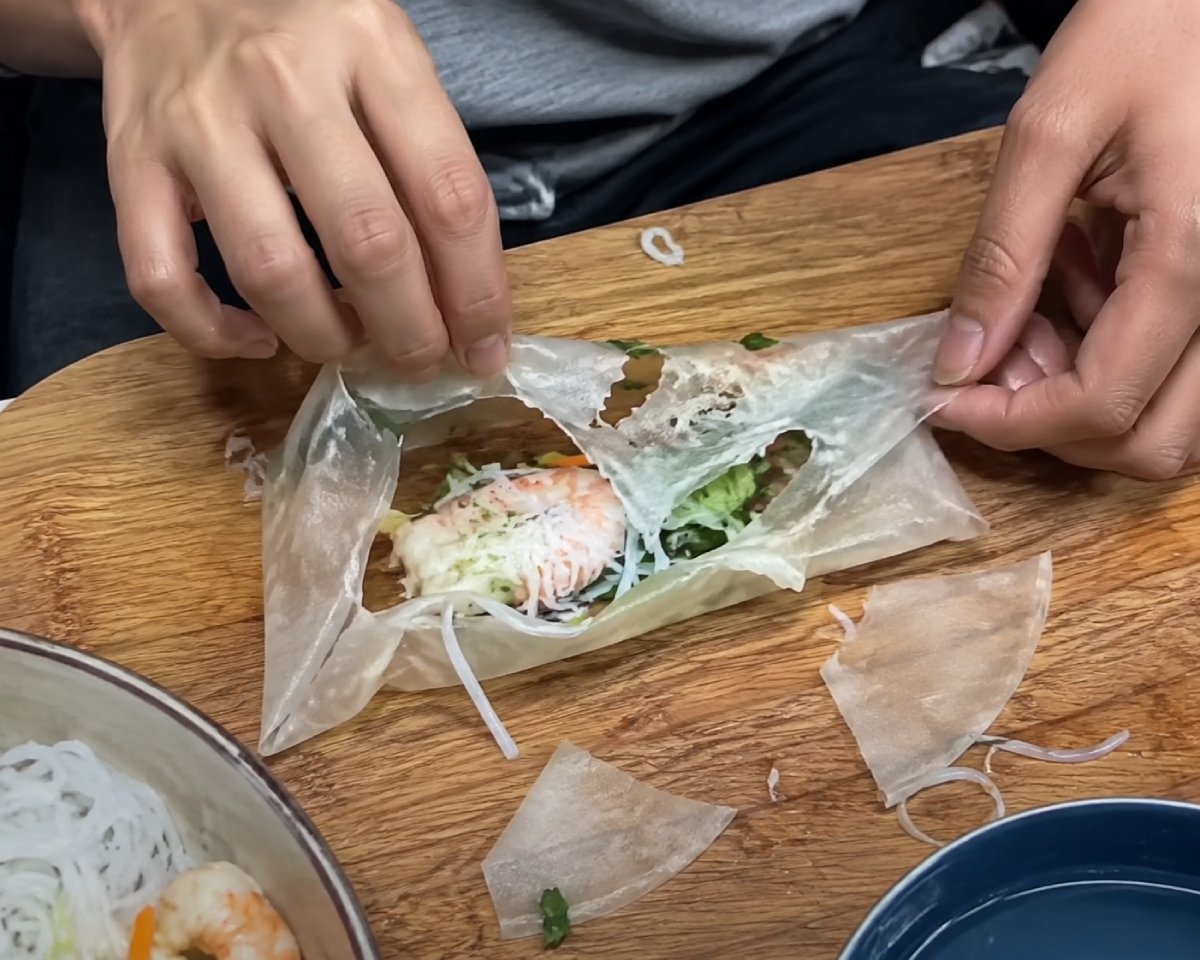
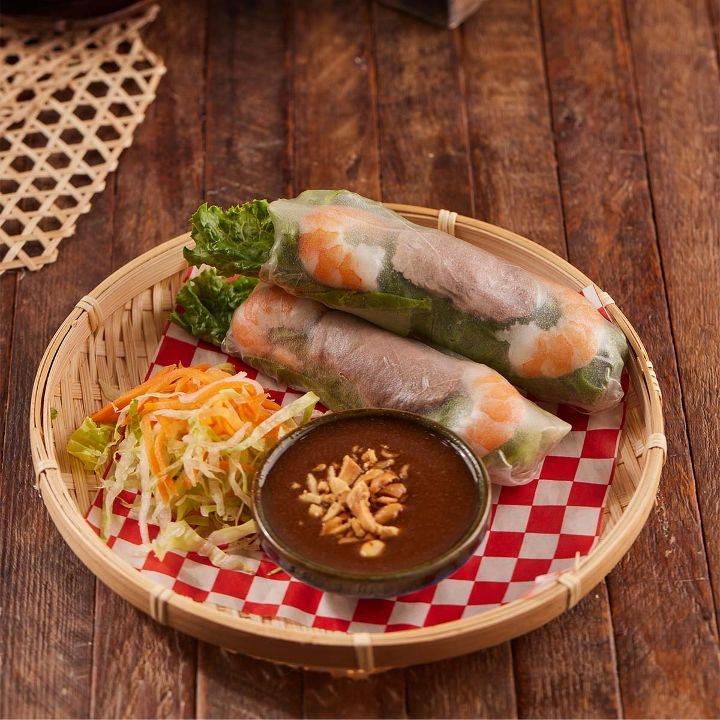
- Fresh spring rolls (gỏi cuốn)
- Summer rolls and rice‑paper rolls
- Certain grilled dishes eaten with rice paper, herbs, and dipping sauces
These foods often come with components that diners mix as they eat. This is not just a fun way to eat; it is also culturally meaningful. Vietnamese families often share food in the center of the table, and each person creates their ideal bite using the herbs and sides provided. This encourages interaction, conversation, and a sense of community.
Serving herbs on the side fits into this tradition. The restaurant is not assuming how much basil or mint you want-they let you adjust your meal yourself, just like you would at home in Vietnam.
4. The Influence of Traditional Medicine (Âm and Dương)
Vietnamese people traditionally view foods through the lens of balance between “cool” (âm) and “warm” (dương). This concept is related to the Chinese yin‑yang idea, but Vietnamese cuisine applies it in its own way. The goal is always balance: too much “heat” can cause discomfort, while too much “coolness” can weaken the body.
Herbs play a major role in restoring harmony in a dish.
Examples:
- Thai basil and cilantro are considered “warm.”
- Mint and bean sprouts are considered “cool.”
- Lime adds sourness, which can neutralize “heaviness” from fatty foods.
- Chili peppers bring heat, useful for digestion.
If a dish is rich and fatty, such as grilled pork or fried spring rolls, adding cooling herbs helps the body digest it comfortably. If a dish is light, adding warming herbs improves energy and flavor. Many Vietnamese diners instinctively apply these principles, even if they never studied the theory.
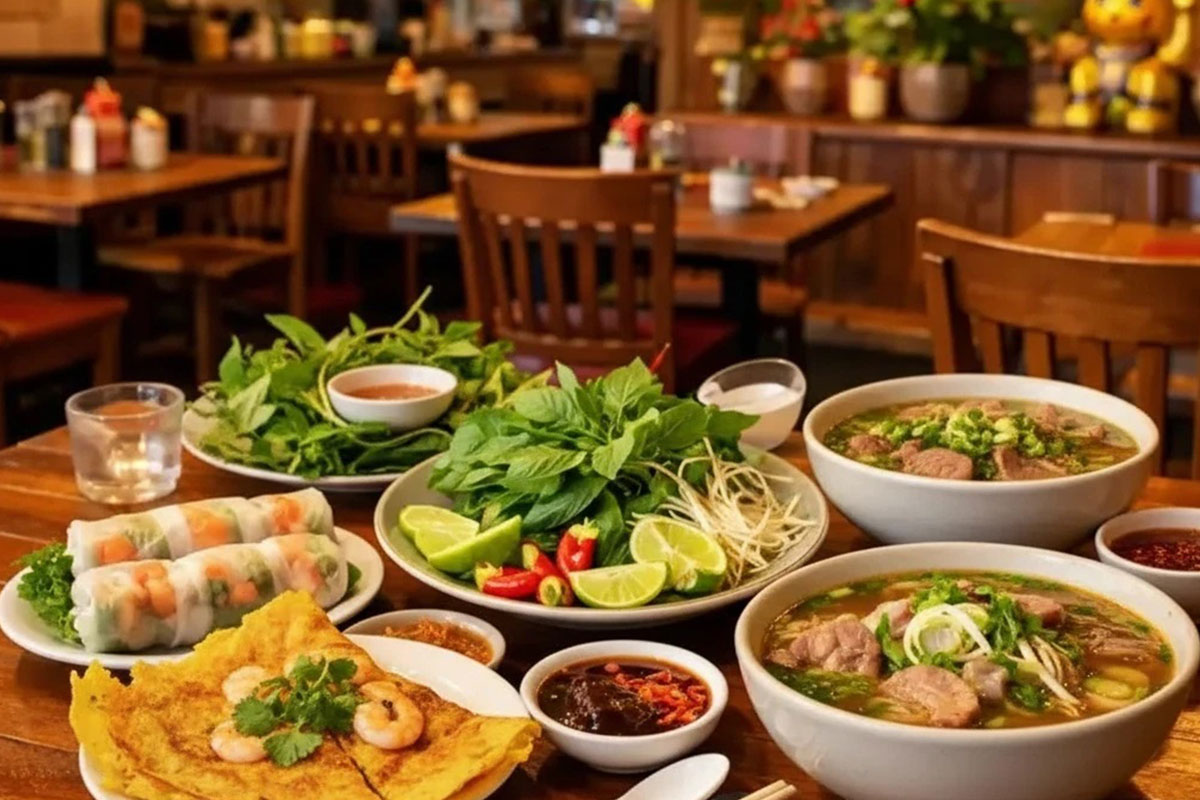
When you see a big herb platter at a Vietnamese restaurant, think of it as an invitation to balance your meal according to what your body needs.
5. Herbs Support Health and Digestion
Another practical reason for serving fresh herbs is their health benefits. Long before modern nutrition science, people noticed how certain herbs helped digestion, reduced heaviness after meals, or prevented sickness.
Modern knowledge supports many of these traditional beliefs. Herbs contain natural chemicals that act as antioxidants, anti‑inflammatory agents, and digestive aids.
For instance:
- Mint helps relax digestive muscles.
- Cilantro may help reduce bloating.
- Basil contains natural compounds that fight bacteria.
- Culantro is rich in vitamins A and C.
- Perilla leaves may ease stomach discomfort.
Add this to the fact that Vietnamese cuisine often includes fish sauce, fermented ingredients, and raw vegetables, and you can understand why herbs are essential-they help your stomach process everything safely and comfortably.
6. Visual Appeal and Freshness
Vietnamese food is known for looking lively and colorful. A plate full of bright herbs sends a message: this meal is fresh, clean, and healthy. In Vietnamese culture, “freshness” is one of the main markers of good food. Unlike cuisines that rely heavily on long braising, roasting, or frying, Vietnamese cooking often involves:
- quick stir‑frying
- lightly poaching
- fresh rolling
- raw vegetables and greens
- last‑minute seasoning
Fresh herbs enhance this style. Their color contrasts beautifully with noodles, grilled meats, and broths. Seeing a plate full of green herbs also signals that the meal has not been overly processed.
7. The Legacy of Street Food Culture
Much of Vietnam’s food culture developed from street food, where vendors serve dishes quickly to many people throughout the day. Herbs on the side allow for speed and efficiency. Instead of preparing each bowl of phở or plate of bún differently based on personal taste, the vendor prepares a consistent base and lets customers customize.
Street food also encourages freshness. Vendors often buy herbs from local markets in the early morning, wash them, and serve them within hours. Restaurants overseas imitate this habit by preparing herbs daily to maintain the same sense of freshness.
8. Historical Influences from Neighboring Regions
Vietnam’s cuisine is a mix of influences from China, France, Southeast Asia, and indigenous traditions. The heavy use of herbs likely has roots in several sources:
- Southeast Asian neighbors such as Thailand, Laos, and Cambodia also use fresh herbs generously.
- Chinese medical and culinary traditions contributed ideas about balancing warm and cool foods.
- French colonization introduced new crops and techniques, but Vietnamese cooks adapted them with local herbs to maintain freshness and flavor.
Over time, Vietnamese cuisine developed its own identity, and herbs became an essential feature that separated it from neighboring food cultures.
9. Herbs Provide Layered Experiences in Each Bite
Vietnamese chefs and home cooks often talk about “layered taste.” This means that each bite should have multiple sensations: soft and crunchy, aromatic and mild, cool and warm, bright and savory. Herbs are essential for building these layers.
For example, when eating gỏi cuốn (fresh spring rolls), the herbs serve several roles:
- Basil adds aroma.
- Mint cools the palate.
- Lettuce adds crunch.
- Chives provide a mild, onion‑like note.
Together, these herbs make each bite complex and satisfying. You could remove them, but the dish would feel flat and less complete.
10. A Way to Show Hospitality
In Vietnamese culture, offering abundance-especially fresh, beautiful greenery-is a sign of generosity. When a restaurant brings out a large herb basket, it communicates hospitality. Guests should feel welcomed and cared for, and one of the best ways to show that is through food that looks plentiful and inviting.
Even overseas, where herbs may be more expensive, Vietnamese restaurants maintain this tradition. Diners often remark on how generous the portions of herbs are, and that generosity becomes part of the dining experience.
11. Herbs Allow for Customization in Every Dish
Finally, herbs are served on the side because they give diners control. Vietnamese food is not rigid; it expects you to adjust your meal to your liking. Want more crunch? Add more bean sprouts. Need more aroma? Toss in more basil. Prefer a lighter flavor? Use fewer herbs.
Vietnamese cooks trust diners to finish the dish according to personal taste. This flexibility is one of the reasons Vietnamese foods is loved around the world.
Conclusion
Vietnamese restaurants serve so many fresh herbs on the side because herbs are central to the identity of Vietnamese cuisine. The tradition blends geography, culture, history, philosophy, and practicality. Herbs add flavor and freshness. They balance the body according to traditional beliefs. They support digestion and health. They encourage interactive, communal dining. They keep dishes visually appealing. And they allow everyone to personalize their food.
So, the next time you see that beautiful plate of herbs, don’t treat it as a garnish. It is an essential part of your meal-one that reflects centuries of tradition and the natural abundance of Vietnam.
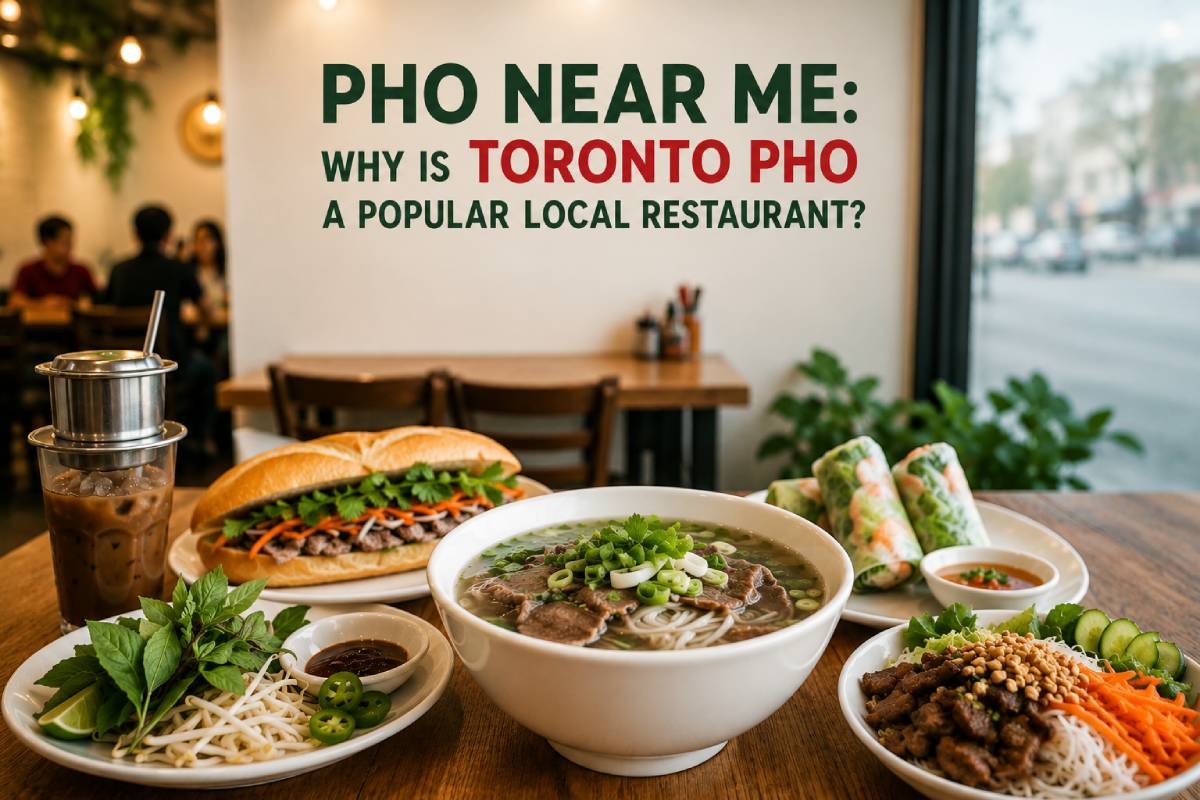
Here are some delicious food and drinks to try when ordering from PHO restaurants in Toronto:
Stir Fried Chicken with Lemongrass (Cơm Gà Xào Sả Ớt)
Rare Beef and Tripe (Phở Tái Sách)
Rare Beef and Tendon (Phở Tái Gân)
Papaya Salad with Beef Jerky (Gỏi Đu Đủ Khô Bò)
Grilled Beef Roll (Bò Nướng Cuốn)
Hanoi Style Vermicelli (Bún Chả Hà Nội)