Understanding Phở Tái and Bò Viên (Before You Cook)
What is Phở Tái?
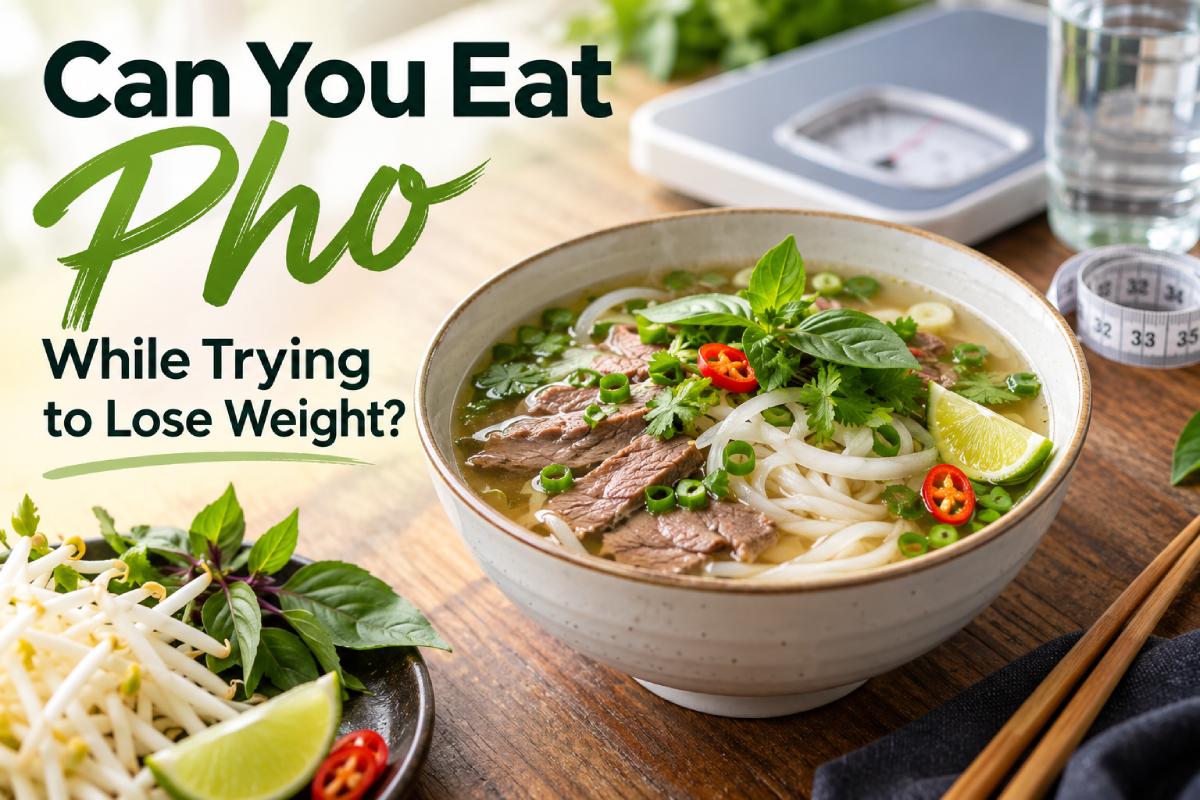
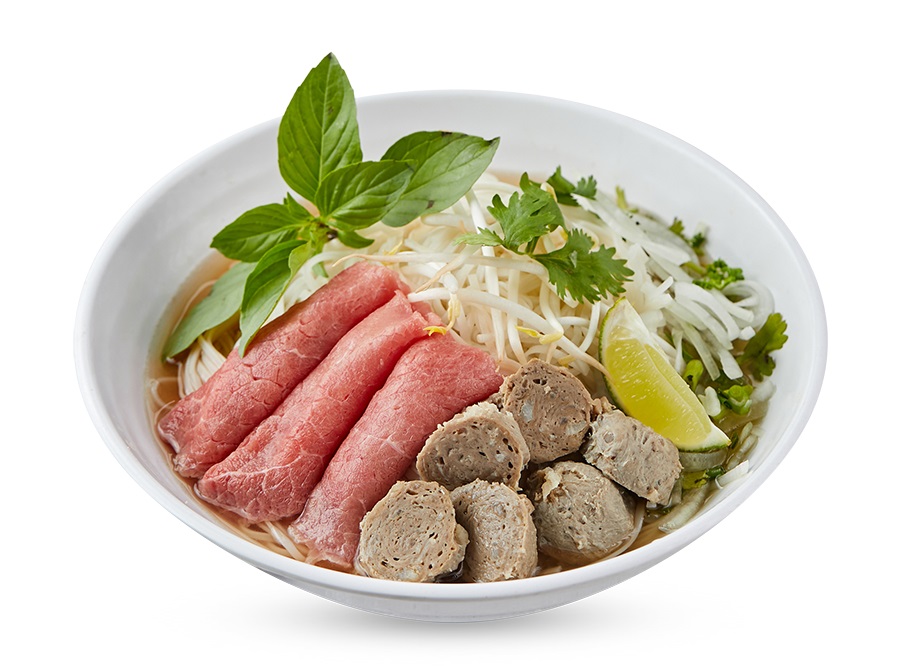
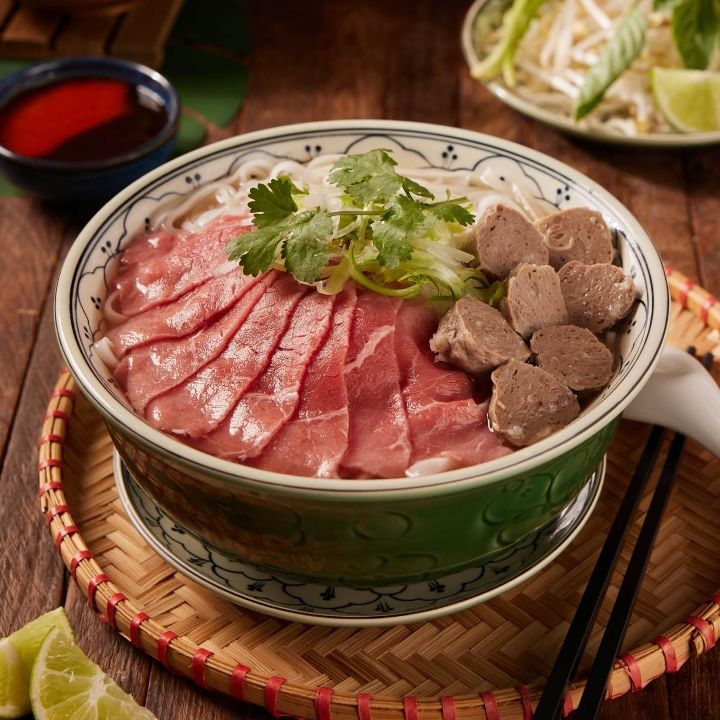
Phở tái means rare beef phở.
The meat is not cooked in the pot. Instead, it’s sliced paper-thin and cooked by the heat of the broth poured over it.
That heat control is what gives phở tái its signature tenderness.
What is Bò Viên?
Bò viên are Vietnamese beef meatballs.
They are not Italian-style, and they are not soft like hamburger meat.
Proper bò viên are:
- Springy
- Slightly elastic
- Smooth on the outside
- Juicy inside
This texture comes from technique, not fillers.
Choosing the Right Meat (This Matters More Than Recipes)
Best Cuts for Phở Tái (Rare Beef or Veal)
Use tender, lean cuts. Fat should be minimal.
Best options:
- Eye of round (bò tái)
- Top sirloin
- Beef tenderloin
- Veal eye of round (for a milder, softer taste)
Avoid:
- Chuck
- Brisket (that’s for slow cooking, not tái)
- Anything heavily marbled
Why Veal Works So Well
Veal has:
- Finer muscle fibers
- Less iron-heavy flavor
- Faster heat penetration
That’s why many high-end phở shops quietly use veal for tái.
How to Slice Beef or Veal for Phở Tái
This step decides everything.
Step 1: Chill the Meat
Place the meat in the freezer for 30–45 minutes.
You don’t want it frozen solid. You want it firm, so it slices cleanly.
Step 2: Slice Against the Grain
Always cut against the grain.
This shortens muscle fibers and keeps the meat tender.
Step 3: Slice Paper-Thin
Aim for:
- Almost transparent
- Thin enough to see light through
- About 1–2 mm thick
If it feels thick, it is thick.
Step 4: Store Correctly
Lay slices flat, slightly overlapping.
Cover and refrigerate until serving.
Do not marinate.
Do not salt early.
Salt tightens protein and ruins tenderness.
Is Rare Beef in Phở Safe?
Short answer: Yes, if done correctly.
Why it works:
- Broth is poured at near-boiling temperature
- Meat is extremely thin
- Heat cooks the surface instantly
Important rules:
- Use fresh, high-quality meat
- Slice thin
- Pour broth that is actively steaming
If your broth isn’t hot enough to fog glasses, it won’t cook the meat properly.
How to Cook Phở Tái (The Correct Method)
Step-by-Step Bowl Assembly
- Warm the bowl
Rinse it with hot water. Cold bowls steal heat. - Add noodles
Cooked rice noodles go in first. - Place raw beef or veal on top
Spread slices evenly. - Add hot broth
Pour directly over the meat, fully submerging it. - Wait 10–15 seconds
The beef will turn from red to soft pink.
That’s it.
No stirring. No boiling.
Common Phở Tái Mistakes
- Cooking beef in the broth pot (turns chewy)
- Using thick slices
- Using lukewarm broth
- Adding salt directly to raw beef
- Letting meat sit too long before serving
Phở tái is precision through simplicity.
Understanding Bò Viên Texture (Why Most Fail)
Bò viên texture comes from protein extraction, not breadcrumbs.
Vietnamese meatballs are:
- Emulsified
- Worked until sticky
- Chilled during mixing
That “bounce” happens when myosin proteins bind correctly.
Ingredients for Authentic Bò Viên
- Lean beef (top round or sirloin)
- Ice or ice water
- Garlic
- Fish sauce
- Sugar
- White pepper
- Cornstarch or tapioca starch (small amount)
- Baking powder (optional but traditional)
No egg.
No breadcrumbs.
How to Make Bò Viên Step by Step
Step 1: Keep Everything Cold
Cold meat = better texture.
- Chill beef cubes
- Chill food processor blade
- Use ice water, not room temperature water
Step 2: Grind the Beef
Pulse until finely ground.
Scrape sides often.
Step 3: Add Seasonings
Add:
- Fish sauce
- Garlic
- Sugar
- White pepper
Pulse again.
Step 4: Add Ice Water Gradually
This is critical.
Add slowly while blending.
The mixture should become smooth and sticky, almost like paste.
Step 5: Add Starch and Baking Powder
Pulse briefly.
Do not overmix.
Step 6: Test the Texture
Scoop a small amount and boil it.
- Bouncy = correct
- Crumbly = underworked
- Rubbery = overheated or overmixed
Adjust before shaping the rest.
Shaping and Cooking Bò Viên
Shaping
Wet your hands.
Squeeze meat through your thumb and index finger to form balls.
Cooking
- Use gently simmering water, not a rolling boil
- Cook until balls float
- Let simmer 2–3 more minutes
Immediately transfer to ice water to stop cooking.
Adding Bò Viên to Phở
Add meatballs after noodles but before garnishes.
The broth will reheat them without overcooking.
Combining Phở Tái and Bò Viên in One Bowl
This is one of the most popular combinations.
Order of layering:
- Noodles
- Raw beef slices
- Cooked bò viên
- Hot broth
- Garnishes
The beef cooks.
The meatballs stay springy.
Nothing gets tough.
Garnishes That Complete the Bowl
Use lightly. Phở is about balance.
Traditional options:
- Green onions
- Cilantro
- Thin white onion slices
- Thai basil
- Bean sprouts
- Lime
- Chili
Avoid drowning phở in sauces.
Taste first. Adjust second.
Why Restaurant Phở Tastes Cleaner Than Home Phở
It’s not secret ingredients. It’s discipline.
Restaurants:
- Keep broth crystal clear
- Control heat constantly
- Never boil meat directly
- Respect timing
You can do the same at home.
Final Thoughts: Phở Is Gentle Food
Phở isn’t about aggression.
It’s about restraint.
When rare beef is sliced correctly, it doesn’t need cooking.
When bò viên is mixed properly, it doesn’t need fillers.
When broth is hot enough, everything falls into place.
Once you master phở tái and bò viên, you’ve mastered the soul of phở.
Here are some delicious food and drinks to try when ordering from PHO restaurants in Toronto:
Rare Beef and Beef Ball (Phở Tái, Bò Viên)
House Special Beef Noodle Soup (Phở Đặc Biệt)
Well Done Beef and Tendon (Phở Nạm Gân)
Rare Beef and Well Done Beef (Phở Tái Nạm)
Well Done Beef and Tripe (Phở Nạm Sách)
Rare Beef and Tripe (Phở Tái Sách)
Rare Beef and Tendon (Phở Tái Gân)