First, understand the core flavor balance.
Vietnamese dishes often aim for a balance of five main tastes:
- Salty
- Sweet
- Sour
- Spicy
- Umami (deep savory flavor)
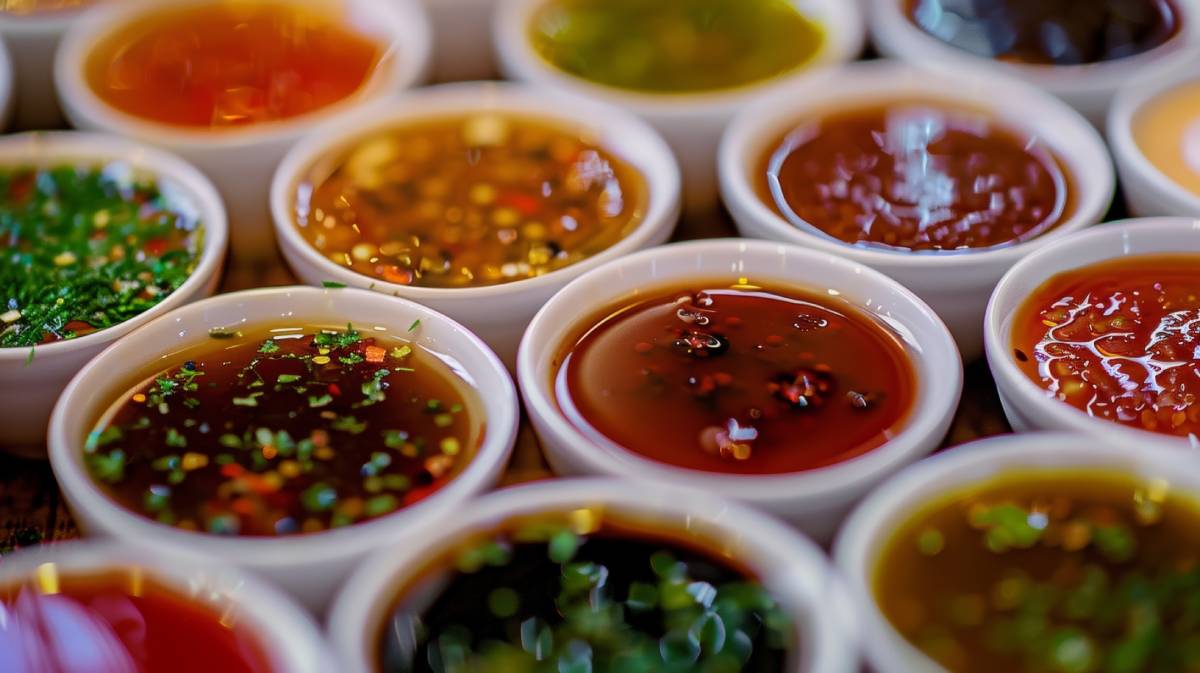
Most sauces or seasoning mixes try to combine at least three of these. For example, a simple dipping sauce might include fish sauce for saltiness, sugar for sweetness, lime juice for sourness, and chili for heat. When these flavors balance each other, the food tastes lively rather than heavy.
A helpful rule is to taste as you mix. If something feels too sharp or salty, add a little sweetness. If it tastes flat, add acidity like lime or vinegar.
Second, learn the role of fish sauce.
Fish sauce, called nuoc mam, is one of the most important ingredients in Vietnamese cooking. It provides saltiness and deep savory flavor. Many Vietnamese dishes use fish sauce the way other cuisines use salt.
But fish sauce is rarely used alone. It is usually combined with sugar, citrus, garlic, or chili. This softens its intensity and creates a more rounded flavor.
For example, a basic Vietnamese dipping sauce often follows this idea:
Fish sauce + water + sugar + lime juice + garlic + chili
The water dilutes the saltiness, the sugar balances the sharpness, and the lime brightens everything. Once you taste this mixture, you begin to understand how Vietnamese seasoning works.
Third, balance sweetness carefully.
Sugar is used in many Vietnamese sauces, but usually in small amounts. The goal is not to make food sweet. Instead, sweetness softens salty or sour ingredients.
Palm sugar is traditional in many dishes, but regular sugar also works. A pinch can make a big difference.
For example:
- In dipping sauces, sugar balances fish sauce and lime.
- In marinades, sugar helps meat caramelize during cooking.
- In soups, a small amount rounds out the broth.
If a sauce tastes harsh or too salty, adding a bit of sugar is often the easiest fix.
Fourth, use acidity to brighten flavors.
Sour ingredients help Vietnamese food taste fresh and light. Lime juice is the most common, but rice vinegar, tamarind, and green mango can also add acidity.
Acid cuts through rich or oily foods. That is why many fried or grilled Vietnamese dishes are served with sour dipping sauces or pickled vegetables.
For example, grilled pork tastes richer without lime, but once you dip it in a sauce with lime juice and fish sauce, the flavor feels lighter and more balanced.
A good tip is to add acidity near the end of mixing a sauce. This keeps the flavor bright instead of dull.
Fifth, add aromatics for depth.
Sauces in Vietnamese cuisine are not just about liquid ingredients. Aromatics add fragrance and complexity. Some common ones include:
- Garlic
- Shallots
- Ginger
- Lemongrass
- Chili
These ingredients are often finely chopped or crushed before being added to sauces.
Garlic gives a sharp, savory bite. Lemongrass adds citrus-like fragrance. Ginger brings warmth. Chili adds heat and color.
Even a simple fish sauce mixture can taste very different depending on which aromatics you add.
Sixth, match the sauce to the cooking method.
Different Vietnamese dishes pair with different sauce styles.
Grilled meats often use bold dipping sauces with garlic, chili, and lime because the smoky flavor of the meat can handle strong seasoning.
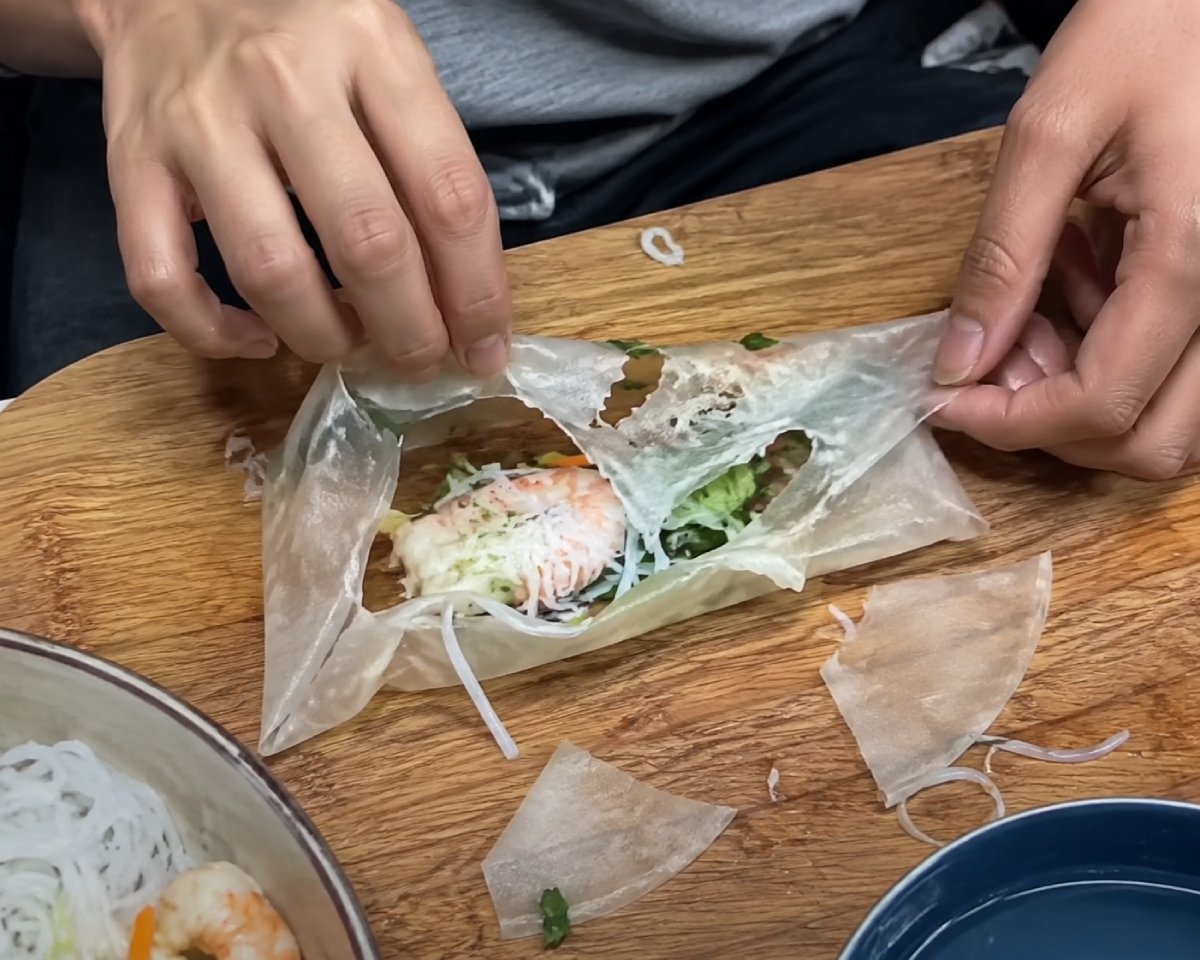
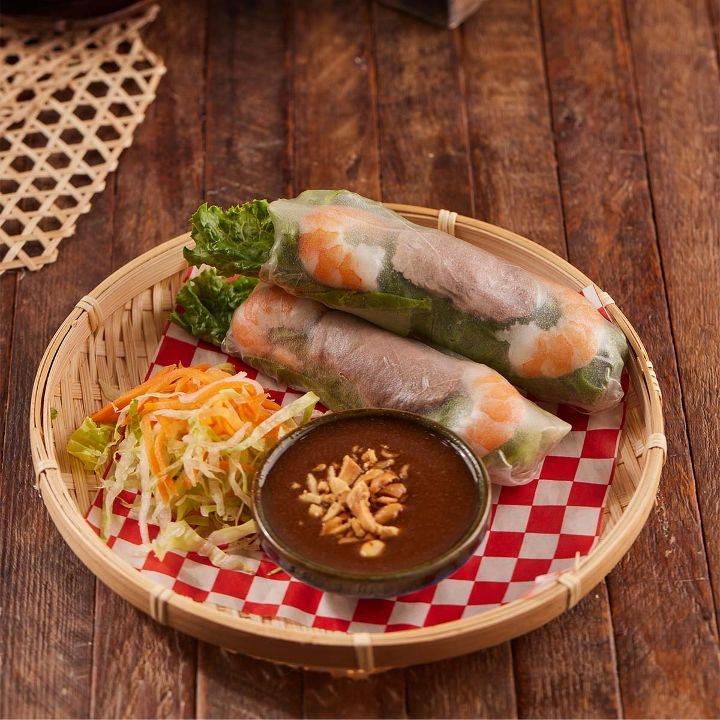
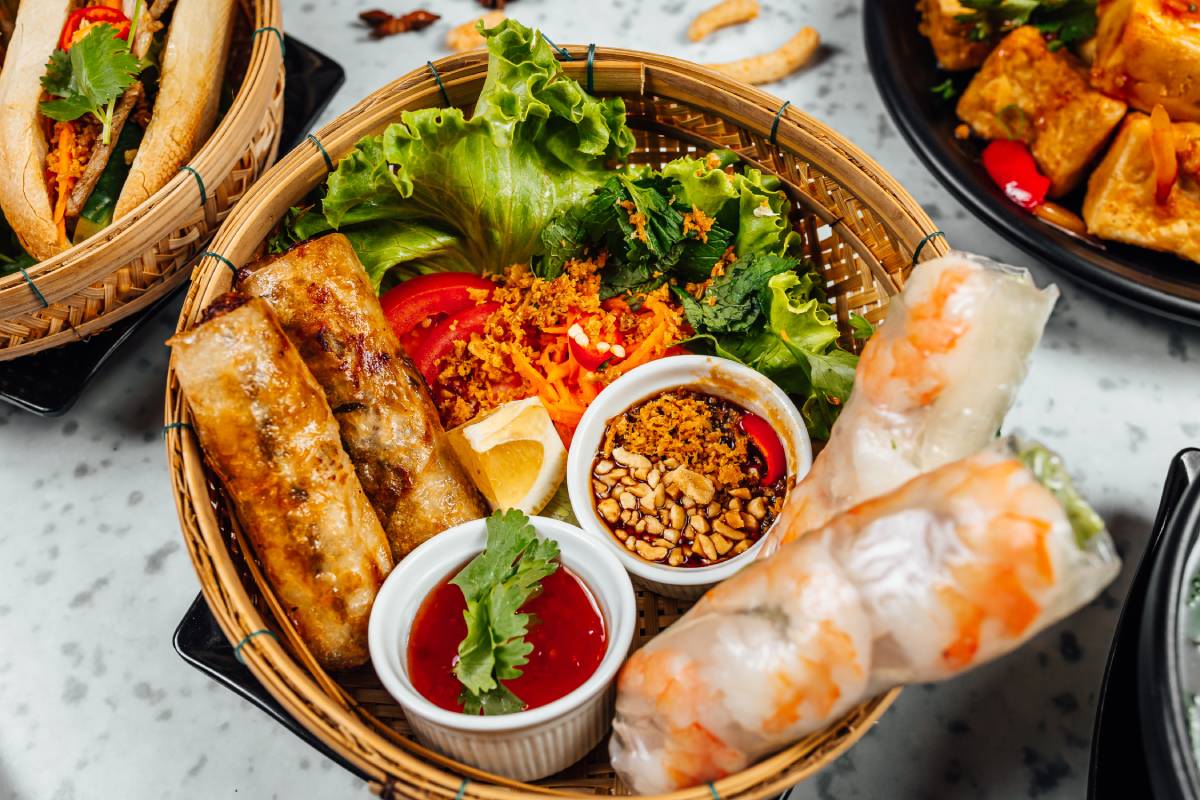
Fresh dishes like spring rolls usually have lighter sauces, sometimes made with hoisin, peanuts, or diluted fish sauce.
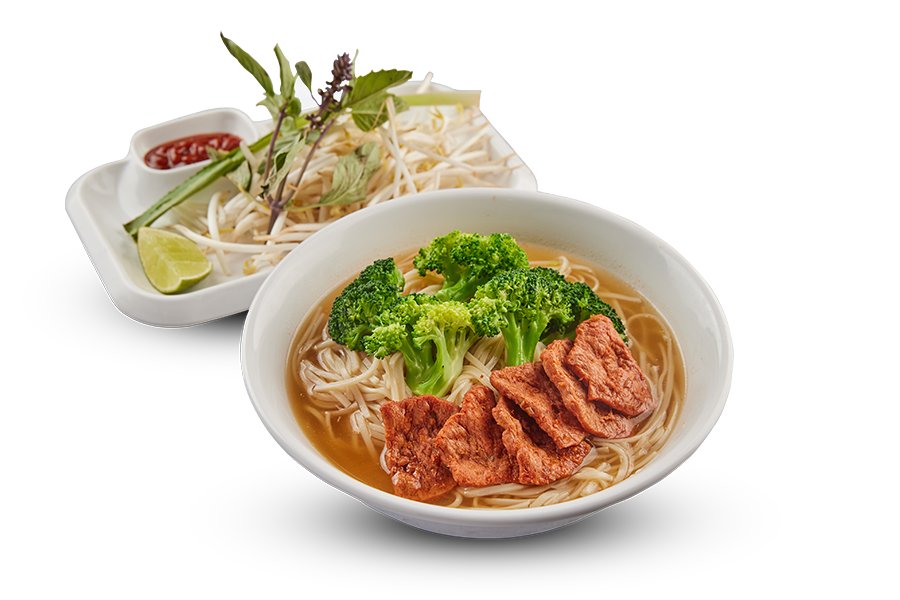
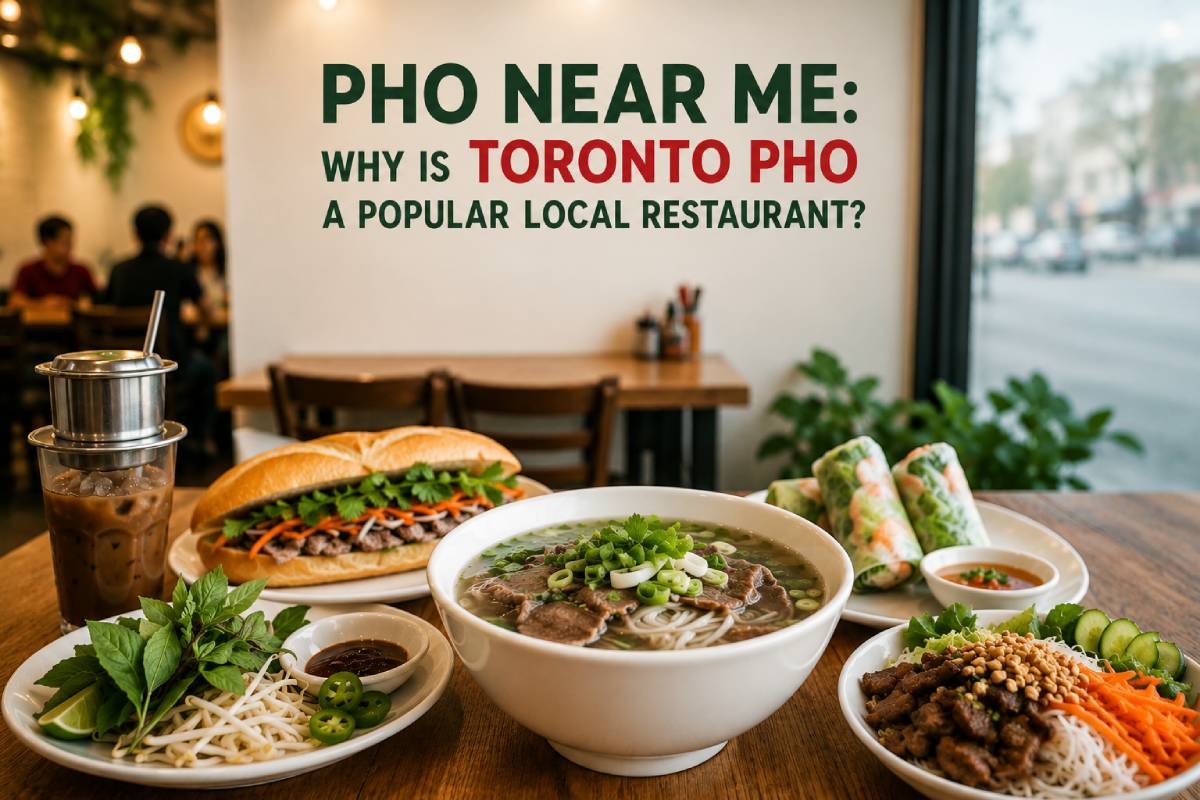
Soups such as pho often rely on simple condiments added at the table. Diners may add lime, chili sauce, or fish sauce to adjust the broth to their taste.
Thinking about the cooking method helps you choose the right sauce strength.
Seventh, dilute when needed.
Many Vietnamese sauces are diluted with water, broth, or coconut water. This may seem unusual if you are used to thicker sauces, but dilution allows the flavor to spread more evenly across a dish.
For example, dipping sauce for rice dishes often includes water to prevent it from being too salty. The lighter consistency allows you to pour it over rice without overwhelming the food.
Dilution also makes sauces more refreshing, which fits the overall style of Vietnamese cuisine.
Eighth, remember that herbs are part of the seasoning.
Fresh herbs are essential in Vietnamese food. They are not just decoration; they change how sauces and seasonings taste.
Common herbs include:
- Thai basil
- Mint
- Cilantro
- Perilla
- Vietnamese coriander
When herbs mix with dipping sauce or broth, they add fresh, green notes that balance salty and savory flavors.
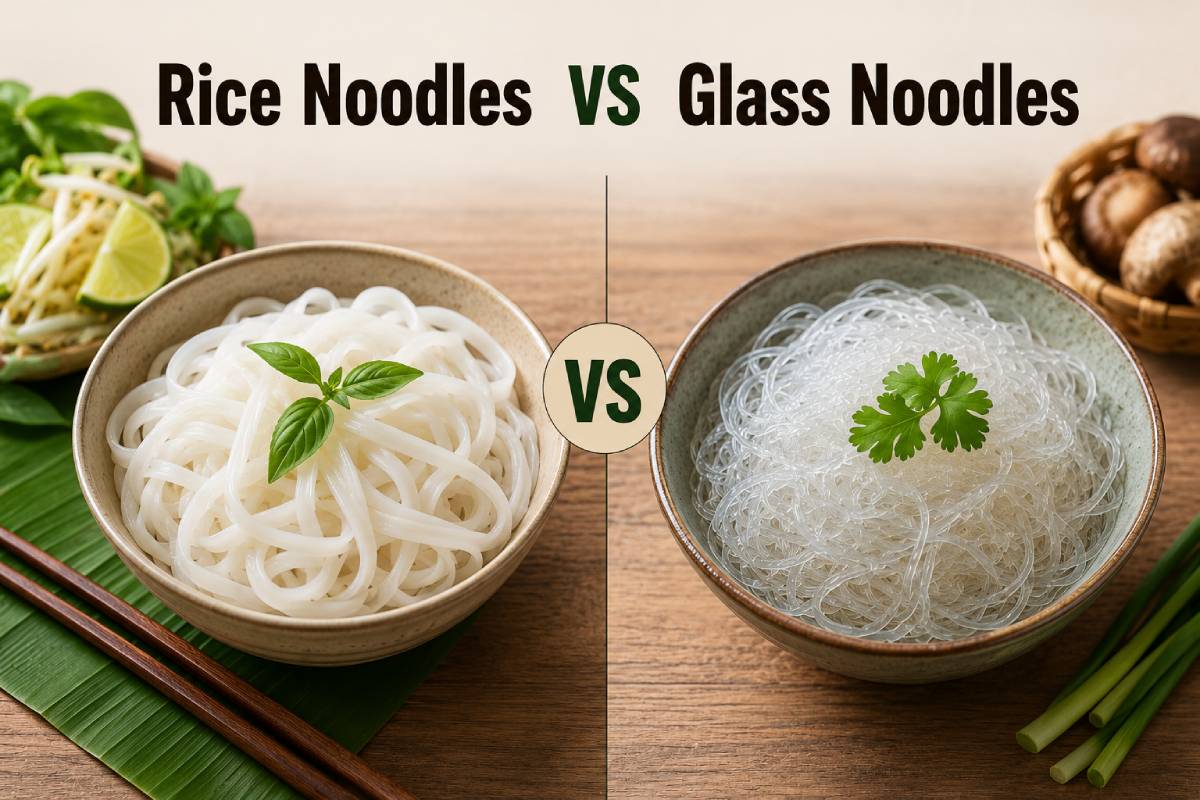
For example, when you eat a bowl of bun (rice noodles), you often mix herbs with fish sauce dressing. The herbs make the sauce feel lighter and more fragrant.
Ninth, start simple and adjust.
One of the best ways to learn Vietnamese seasoning is to start with a simple formula and adjust it.
A common starting ratio for dipping sauce is:
1 part fish sauce
1 part sugar
1 part lime juice
2–3 parts water
From there you can add garlic, chili, or other flavors. If you prefer stronger saltiness, add more fish sauce. If you want brightness, add more lime.
Vietnamese cooks often adjust sauces based on the dish and personal taste rather than following strict measurements.
Tenth, taste the sauce with the food.
A sauce that tastes strong by itself may be perfect once combined with rice, noodles, or vegetables. Vietnamese sauces are often designed to season a whole bite, not to be eaten alone.
For example, a dipping sauce may taste salty on its own, but when paired with rice noodles, herbs, and grilled meat, the flavors balance out.
So always test the sauce with the food it will accompany.
Finally, keep balance as the main goal.
Vietnamese cuisine is less about precise recipes and more about harmony between flavors. A good sauce should not feel too salty, too sweet, or too sour. Instead, the flavors should blend in a way that makes each bite refreshing and satisfying.
If something tastes off, small adjustments usually solve the problem. A squeeze of lime, a pinch of sugar, or a splash of fish sauce can change the whole dish.
Over time, your palate becomes better at recognizing these balances.
Combining sauces and seasonings in Vietnamese cuisine is both simple and creative. With a few basic ingredients and a willingness to taste and adjust, you can create flavors that capture the bright, balanced style that Vietnamese food is known for.
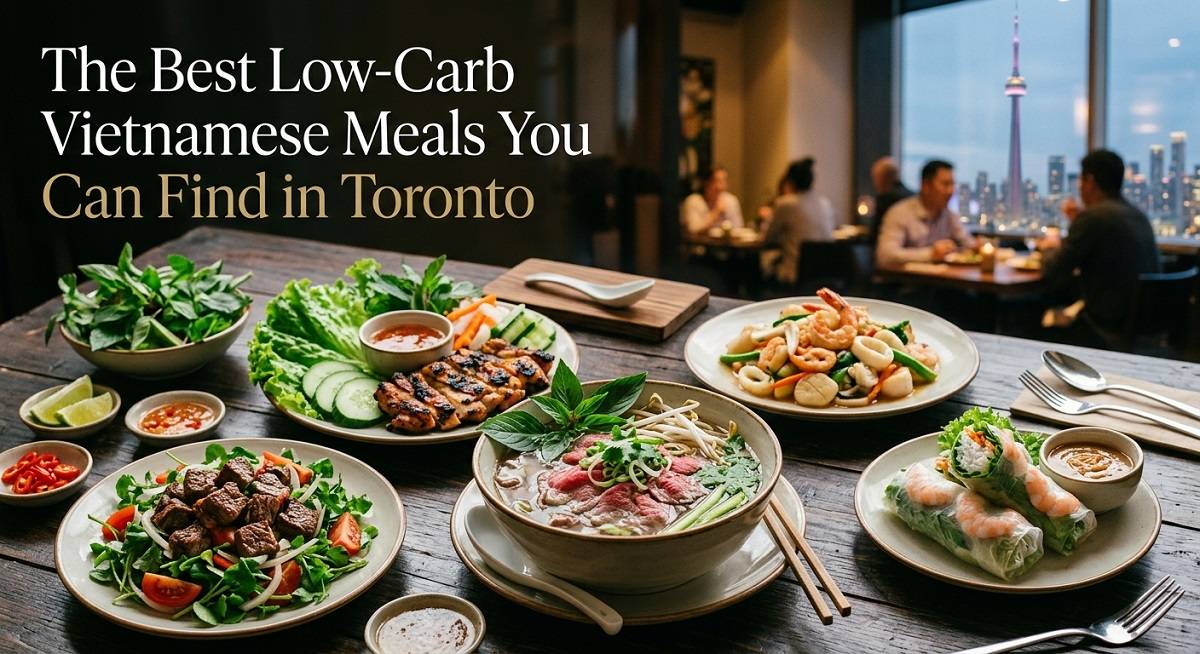
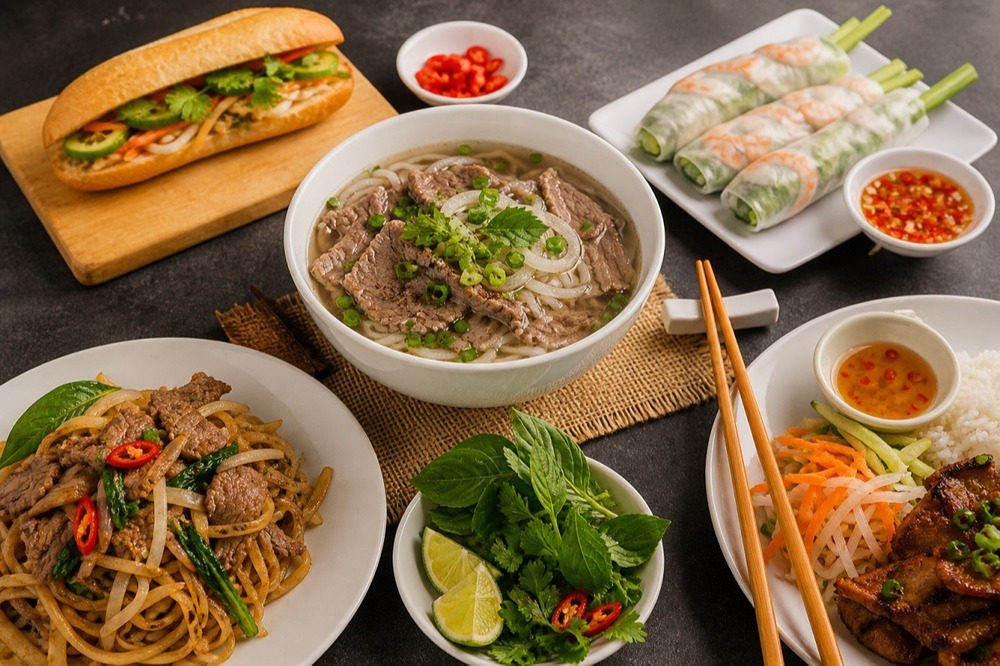
Here are some delicious food and drinks to try when ordering from PHO restaurants in Toronto:
Rare Beef and Beef Ball (Phở Tái, Bò Viên)
Grilled Beef and Spring Roll Vermicelli (Bún Bò Chả Giò)
Fresh Rolls with Peanut Sauce (Gỏi Cuốn)