1. The Food Is Built for Sharing
Celebrations are rarely about eating alone. They are about passing plates, leaning over bowls, and saying, “Try this.”
Vietnamese cuisine naturally supports that.
Family-Style Culture
In Vietnam, meals are often communal. Dishes are placed in the center, and everyone takes what they like. This culture shows up in restaurants too:
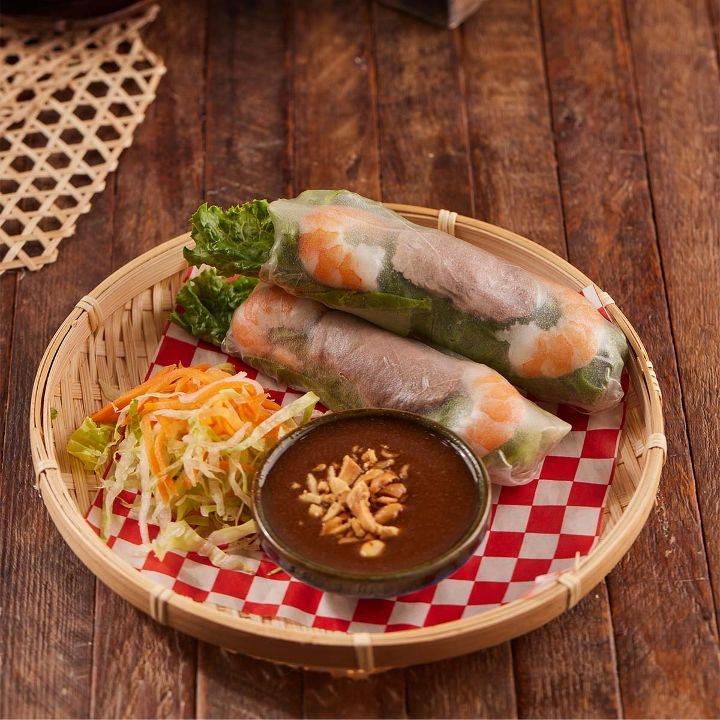
- Platters of fresh spring rolls
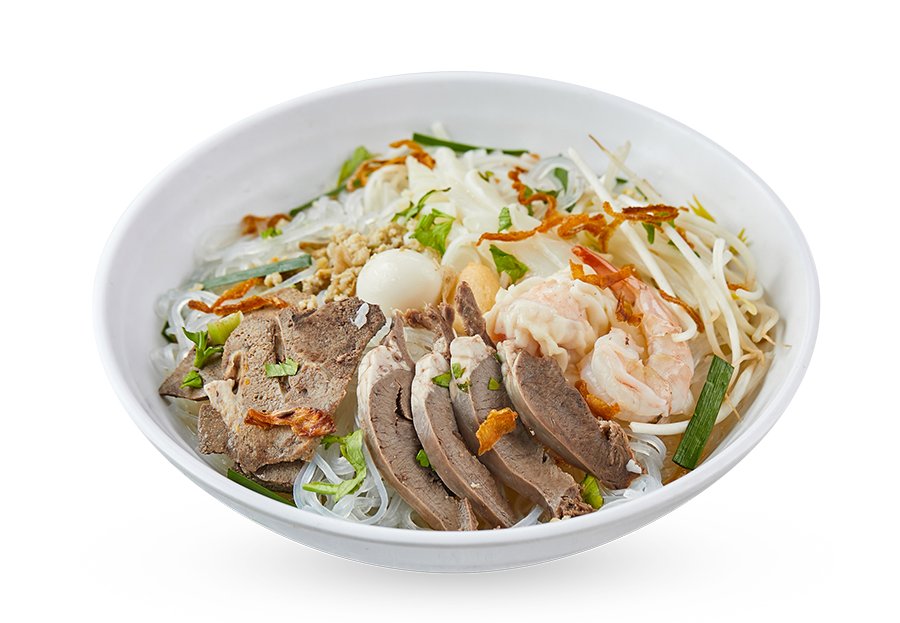
- Shared vermicelli bowls
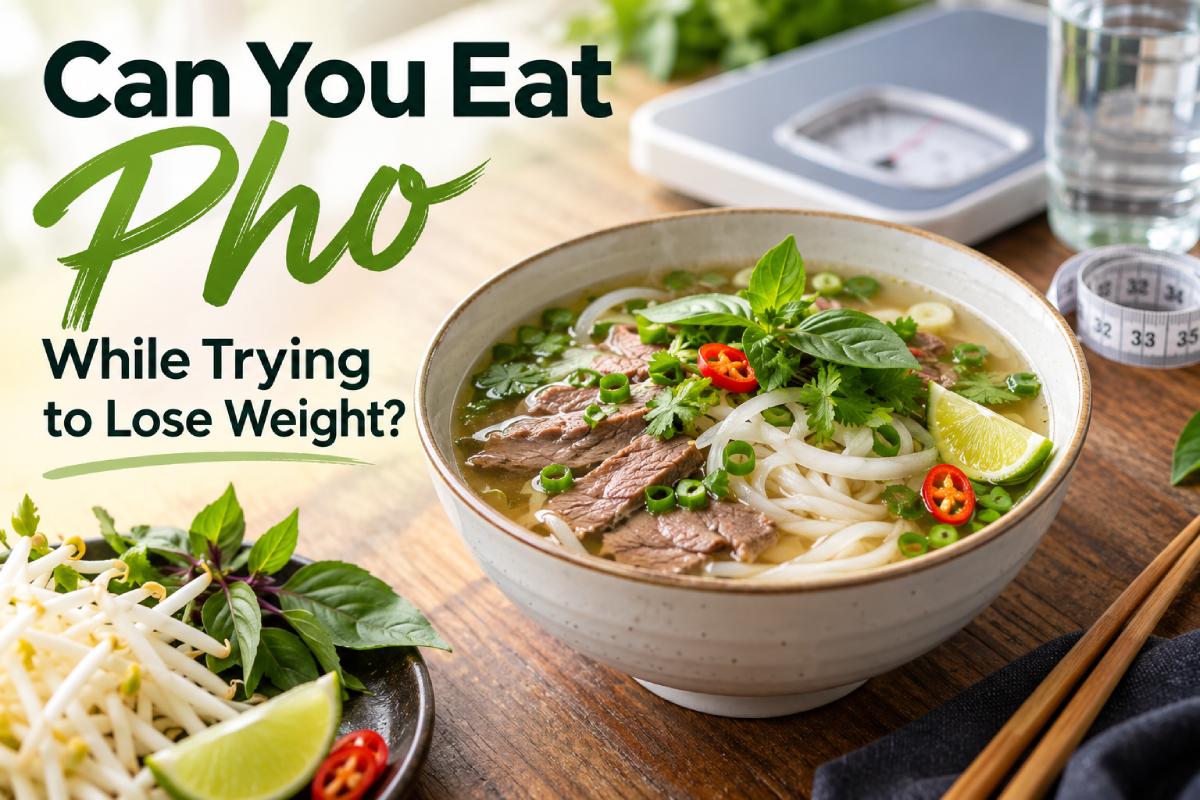
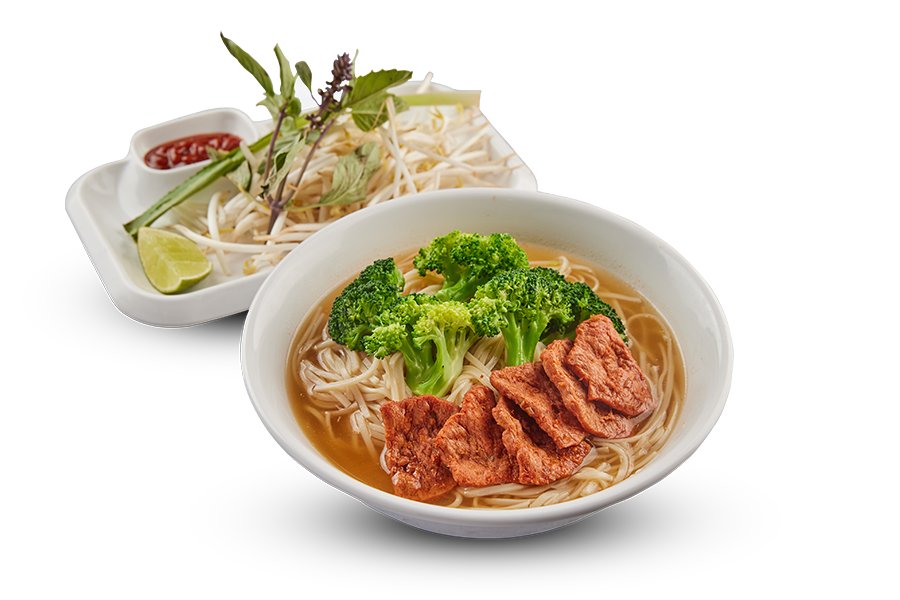
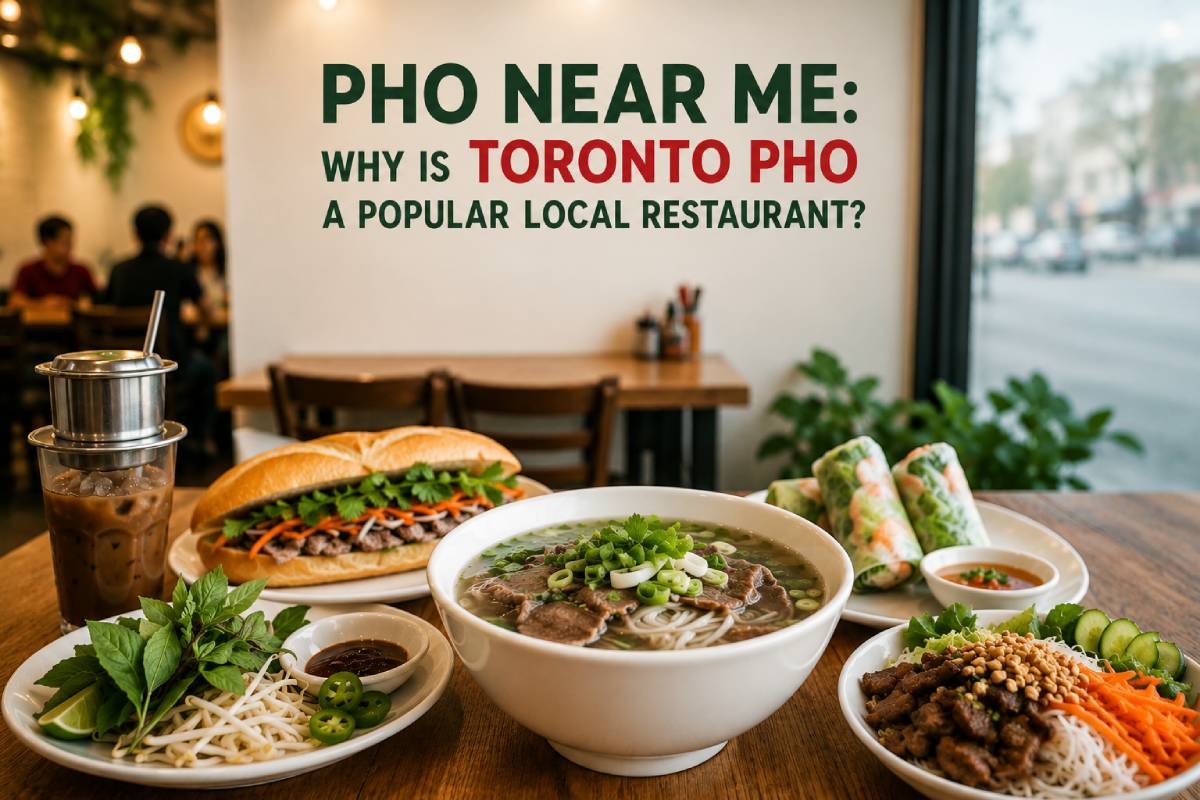
- Large pho bowls with side herbs and toppings
- Appetizers meant to be passed around
Even something as personal as a bowl of pho becomes interactive. You add your own herbs. You squeeze your own lime. You customize your heat level.
That small act of personalization becomes part of the shared experience.
Variety Without Overwhelm
Vietnamese menus usually offer:
- Soups
- Rice dishes
- Noodle bowls
- Grilled meats
- Vegetarian options
That variety means everyone finds something they enjoy without needing to split into different restaurants. No one feels left out.
And when everyone at the table is satisfied, the mood stays positive.
2. The Atmosphere Is Casual but Special
Celebrations need comfort. But they also need a slight sense of occasion.
Vietnamese restaurants balance that beautifully.
Relaxed, Not Rushed
Most Vietnamese spots are:
- Welcoming
- Unpretentious
- Calm but lively
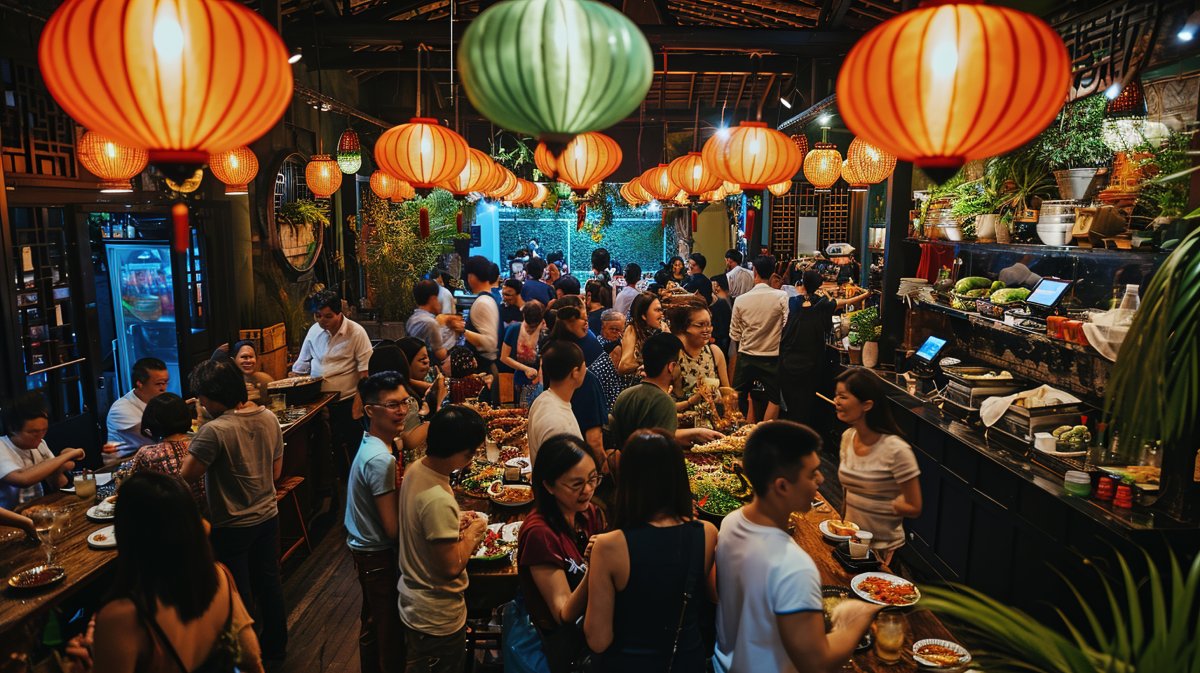
You can sit for a while. You can talk. You can laugh without feeling like you are interrupting a formal dining room.
At the same time, it still feels like going out. You are not just grabbing takeout. You are sitting down, ordering, and enjoying something thoughtfully prepared.
That balance makes it perfect for catch-ups where the conversation matters more than the clock.
3. The Flavors Spark Conversation
Food plays a big role in how people connect.
Vietnamese cuisine is known for its balance:
- Sweet
- Sour
- Salty
- Spicy
- Fresh
This harmony makes dishes interesting without being overwhelming.
When someone at the table tries a fresh roll for the first time or adds too much chili to their pho, it creates natural moments of laughter and bonding.
“Is that spicy?”
“Let me try yours.”
“You have to taste this sauce.”
Shared sensory experiences strengthen social connections. Research in social psychology even shows that shared meals increase feelings of closeness and trust.
Vietnamese food, with its interactive nature and layered flavors, encourages exactly that.
4. It Works for Every Type of Celebration
Not all gatherings are the same.
Some are loud birthday parties.
Some are quiet reconnections after months apart.
Some are work dinners.
Some are family reunions.
Vietnamese restaurants adapt well to all of them.
Birthdays
- Easy to order multiple dishes
- Light but satisfying meals
- Desserts like Vietnamese iced coffee or sweet soups
It feels festive without being heavy.
Work Gatherings
Vietnamese cuisine often feels professional but approachable. It is not messy or intimidating. A team dinner can feel relaxed yet organized.
Family Dinners
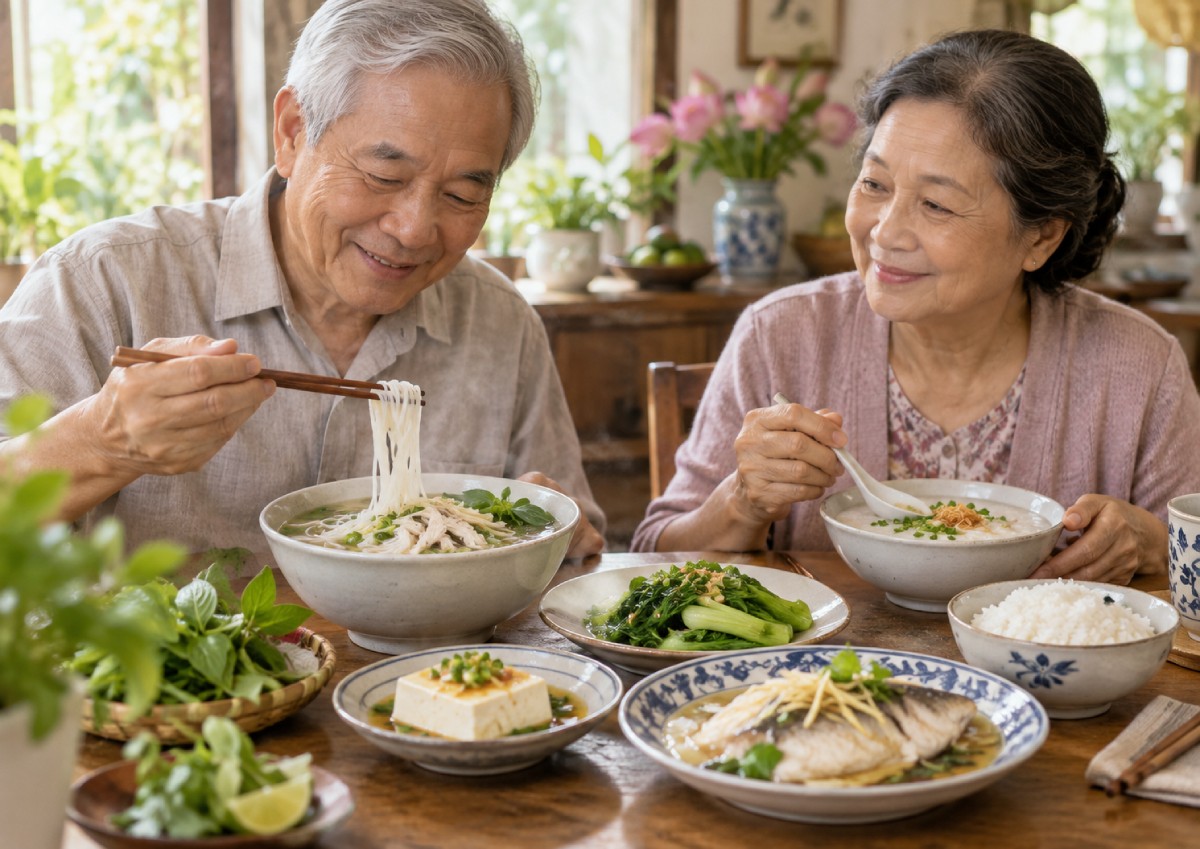
With options for kids, elders, vegetarians, and meat lovers, everyone finds something suitable. That inclusivity reduces stress for the organizer.
When a restaurant works for multiple age groups and dietary needs, it automatically becomes a go-to for gatherings.
5. The Food Is Filling but Not Exhausting
One of the hidden reasons Vietnamese spots feel great for celebrations is how you feel after eating.
You are satisfied.
But not overly stuffed.
Pho broth is light yet rich in flavor. Fresh herbs add brightness. Grilled meats are balanced with rice or noodles and vegetables.
This balance matters.
When you are not overly heavy after a meal, you:
- Stay engaged in conversation
- Feel comfortable staying longer
- Avoid that sleepy, post-meal slump
That physical comfort contributes to emotional comfort.
And celebrations thrive on comfort.
6. It Feels Welcoming and Warm
Vietnamese culture places strong emphasis on hospitality.
That cultural value often shows in restaurants through:
- Friendly service
- Generous portions
- A welcoming attitude toward families and groups
You do not feel judged for laughing too loud.
You do not feel pressured to order the most expensive item.
That warmth creates psychological safety. And when people feel safe, they open up more.
Catch-ups become deeper.
Conversations become more meaningful.
7. It Encourages Slowing Down
Modern life is fast.
Notifications.
Deadlines.
Constant noise.
Vietnamese dining subtly pushes you to slow down.
You sip broth.
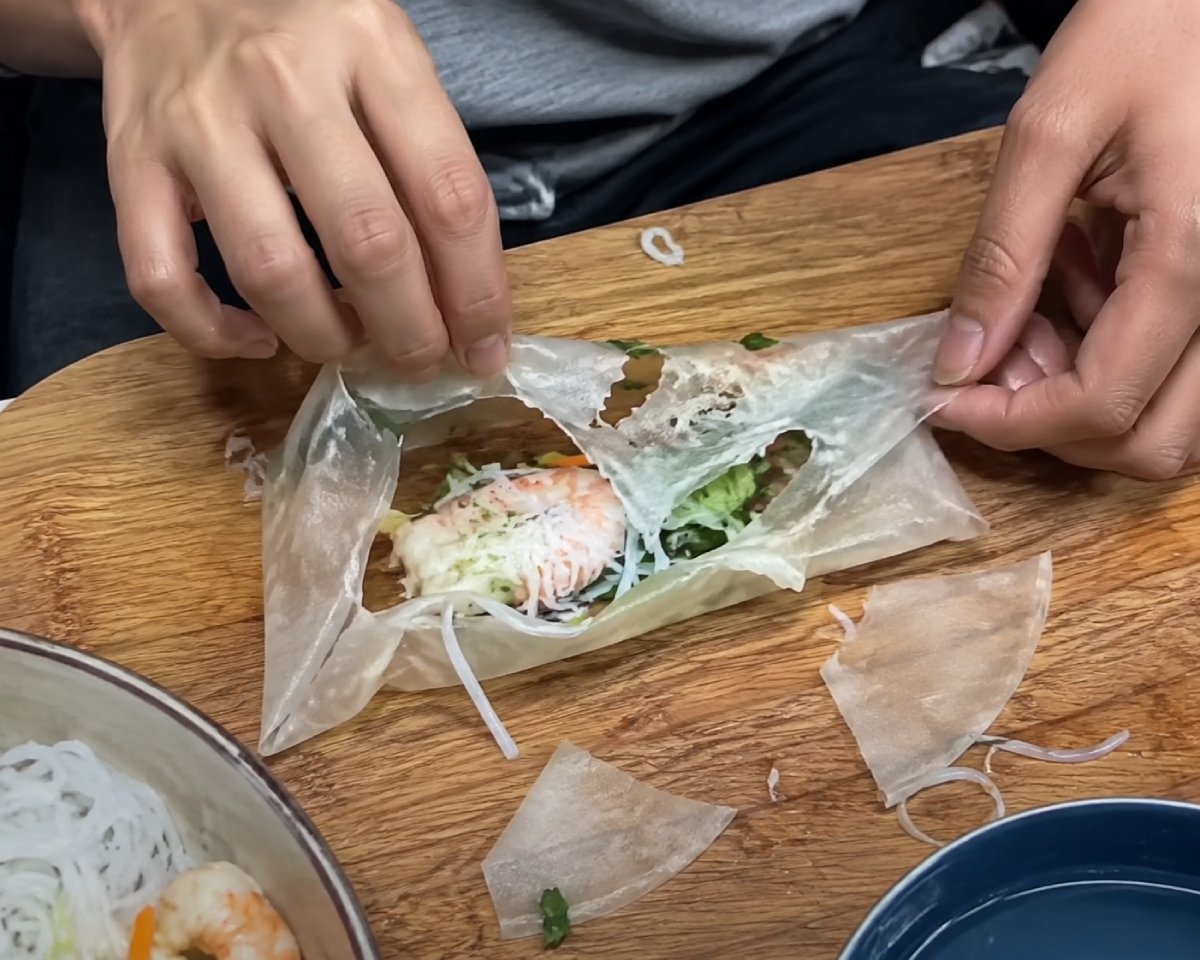
You build your roll.
You mix herbs into your bowl.
These small rituals shift the pace.
Slower meals tend to:
- Increase satisfaction
- Improve digestion
- Enhance conversation quality
In many ways, Vietnamese dining creates space. And space is what good catch-ups need.
8. It Is Affordable for Groups
Celebrations should not feel financially stressful.
Vietnamese restaurants are often reasonably priced compared to many other sit-down dining options. That affordability makes group gatherings more accessible.
You can:
- Order multiple appetizers
- Share dishes
- Treat someone for their birthday
Without feeling like you need to check your bank account afterward.
When cost pressure is low, enjoyment is high.
9. The Visual Appeal Adds to the Experience
We eat with our eyes first.
Vietnamese dishes are colorful:
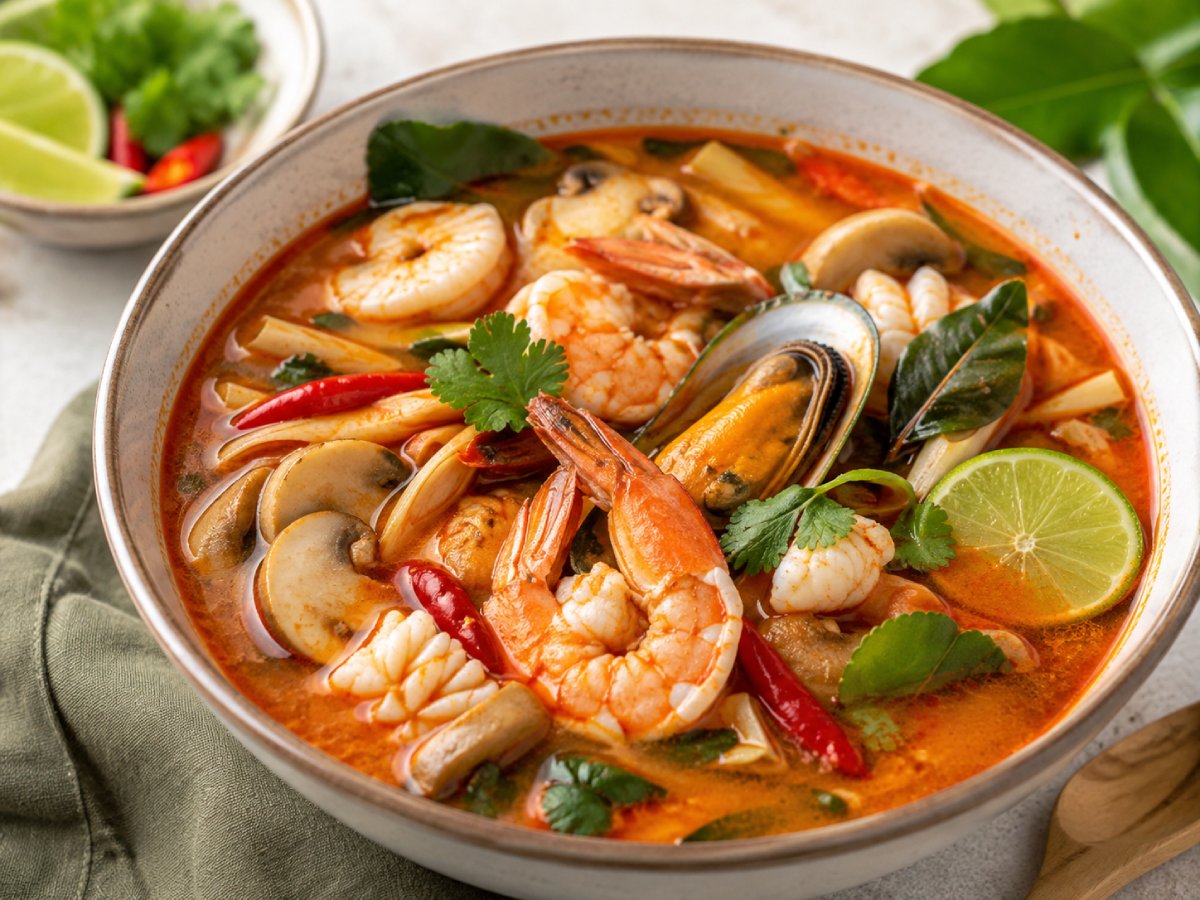
- Bright green herbs
- Vibrant orange carrots
- Fresh red chili
- Clear, golden broth
A table full of Vietnamese food looks inviting and alive.
That visual energy enhances celebration vibes. It feels festive without decorations.
And yes, it is also social-media friendly. A table full of steaming pho and fresh rolls naturally invites photos, which is part of modern celebrations.
10. It Bridges Generations
One powerful aspect of Vietnamese cuisine is how it connects generations.
Grandparents appreciate the simplicity and tradition.
Parents enjoy the balance and variety.
Kids love noodles and grilled meats.
Few cuisines comfortably satisfy all age groups.
When a restaurant works for everyone from age 5 to 75, it becomes a safe and reliable choice for family celebrations.
11. It Feels Authentic
Authenticity matters.
People crave experiences that feel real, not manufactured.
Vietnamese restaurants often reflect strong cultural identity through:
- Traditional recipes
- Authentic ingredients
- Cultural décor
- Family-run businesses
That authenticity adds emotional weight to the gathering. It feels grounded and meaningful, not commercialized.
And meaningful environments make meaningful memories.
12. Shared Meals Strengthen Bonds
Studies consistently show that shared meals:
- Improve relationship quality
- Increase emotional closeness
- Reduce stress
When people eat together, they mirror each other’s behaviors. They synchronize their pace. They share attention.
Vietnamese dining, with its communal elements and interactive components, amplifies these effects.
A table full of pho bowls and shared plates becomes more than food. It becomes connection.
Why Vietnamese Spots Truly Feel Made for Celebrations
When you combine:
- Shareable food
- Balanced flavors
- Comfortable atmosphere
- Cultural warmth
- Affordability
- Visual appeal
- Generational inclusivity
You get a setting that naturally supports togetherness.
Celebrations are not just about milestones. They are about presence.
Vietnamese restaurants create an environment where:
- No one feels rushed
- Everyone finds something they enjoy
- Conversation flows easily
- The energy feels relaxed yet alive
That is why they feel made for birthdays, anniversaries, reunions, and spontaneous catch-ups.
Not because they try too hard.
But because the food, the culture, and the atmosphere quietly align with what gatherings truly need.
Connection.
And sometimes, connection is as simple as passing a plate of fresh rolls across the table and saying, “You have to try this.”
Here are some delicious food and drinks to try when ordering from PHO restaurants in Toronto:
House Special Beef Noodle Soup (Phở Đặc Biệt)
Shrimp and Chicken Pad Thai (Padthai Tôm Gà)
Spicy Hue Vermicelli Noodle in Soup (Bún Bò Huế)
Pork and Shrimp Roll (Gỏi Cuốn Tôm Thịt)
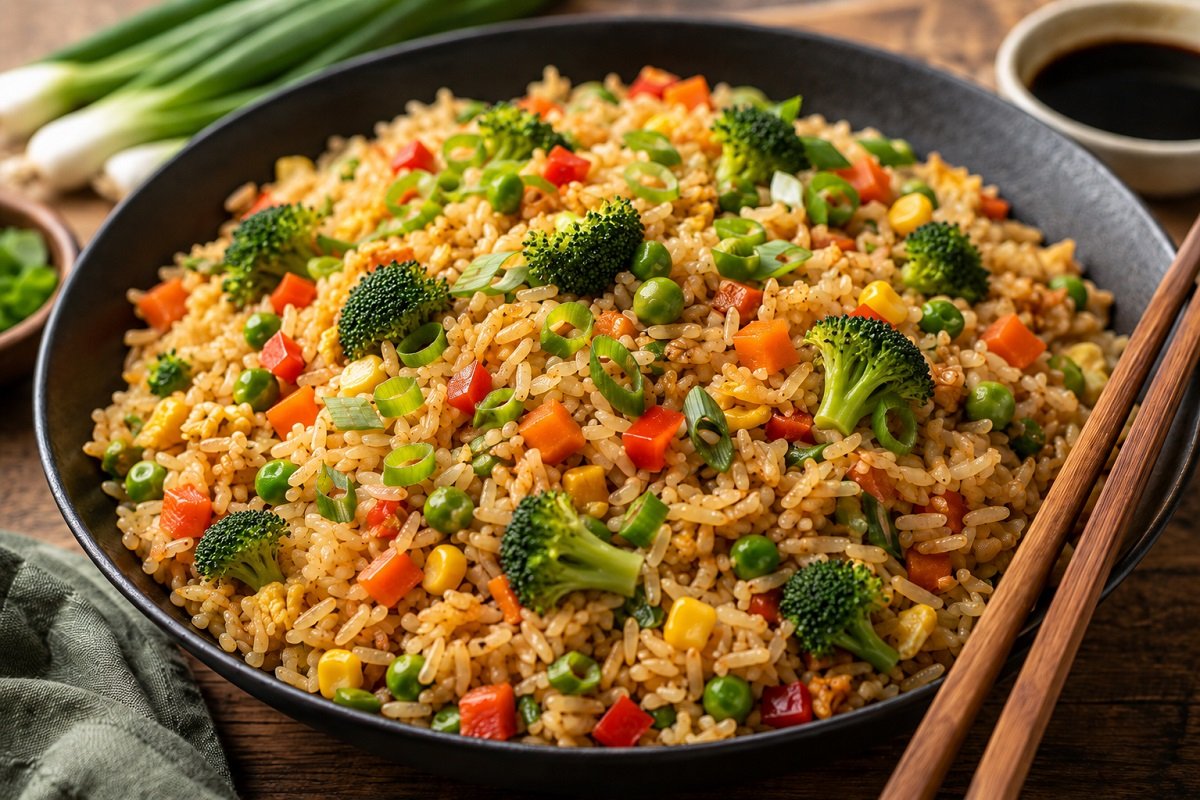
Combination Fried Rice (Cơm Chiên Dương Châu)