What Makes a Meal Feel “Heavy”?
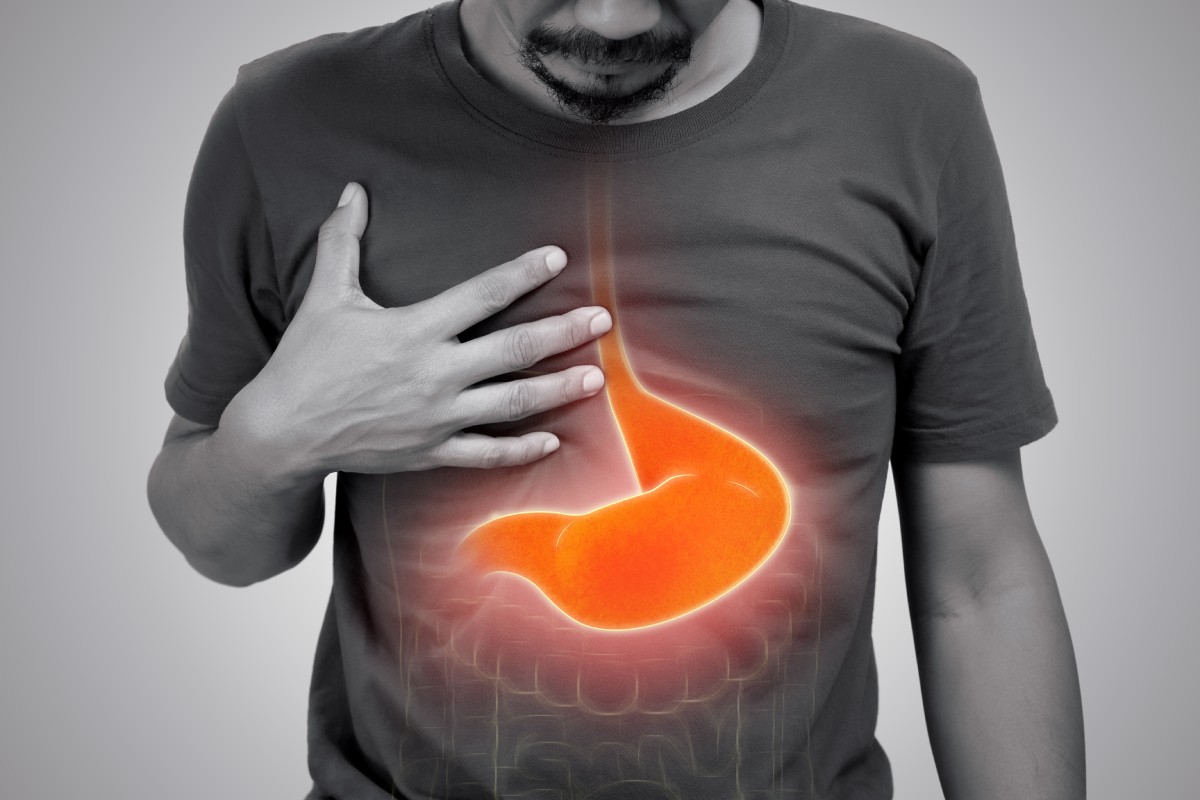
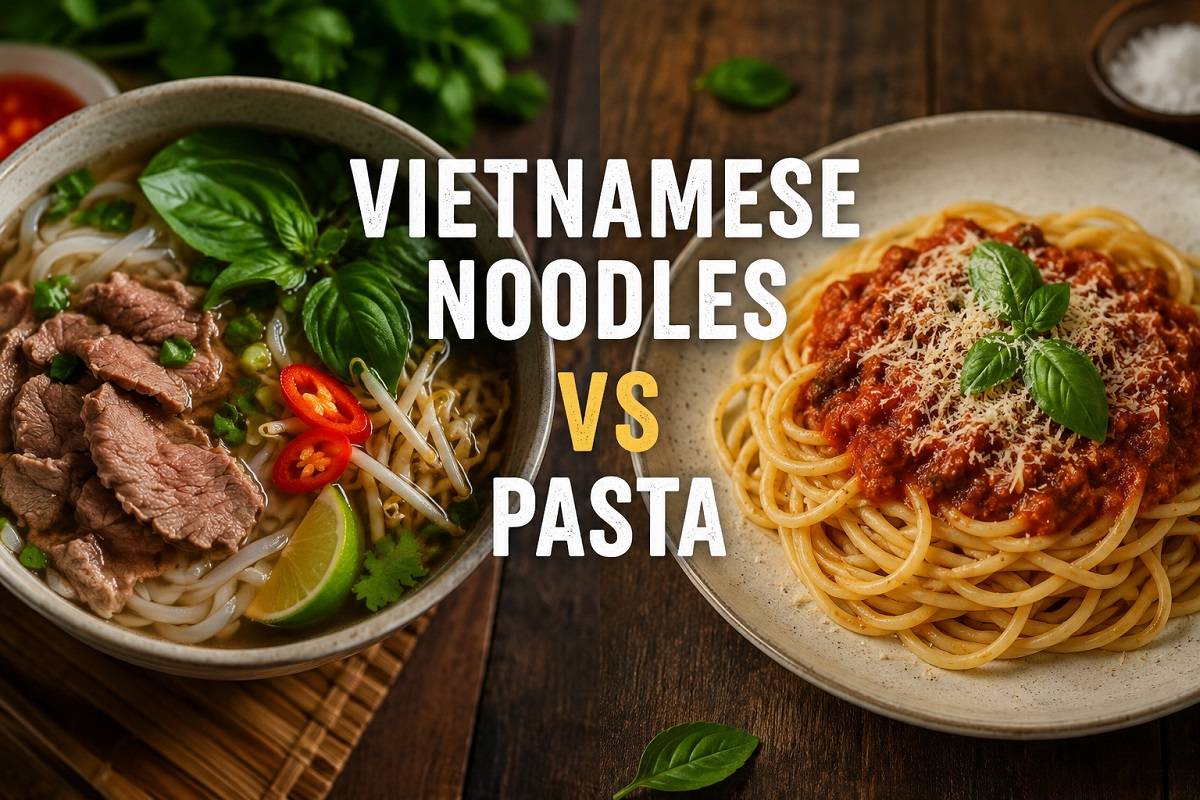
Before comparing noodles and pasta, it helps to understand what people usually mean when they say a meal feels heavy.
Most of the time, they are talking about things like:
- Feeling bloated
- Feeling overly full
- Sluggishness or fatigue after eating
- Stomach discomfort
- Greasiness
- A “food coma” feeling
- Slow digestion
- Thirst from salty or creamy foods
A meal usually feels heavier when it contains:
- Large amounts of cream, butter, or cheese
- Heavy oils
- Very large portions
- Deep-fried ingredients
- Dense carbohydrates
- Too little fiber or vegetables
- Excess sodium
- Rich sauces
This is why two meals with similar calories can feel completely different afterward.
What Are Vietnamese Noodles Usually Made From?
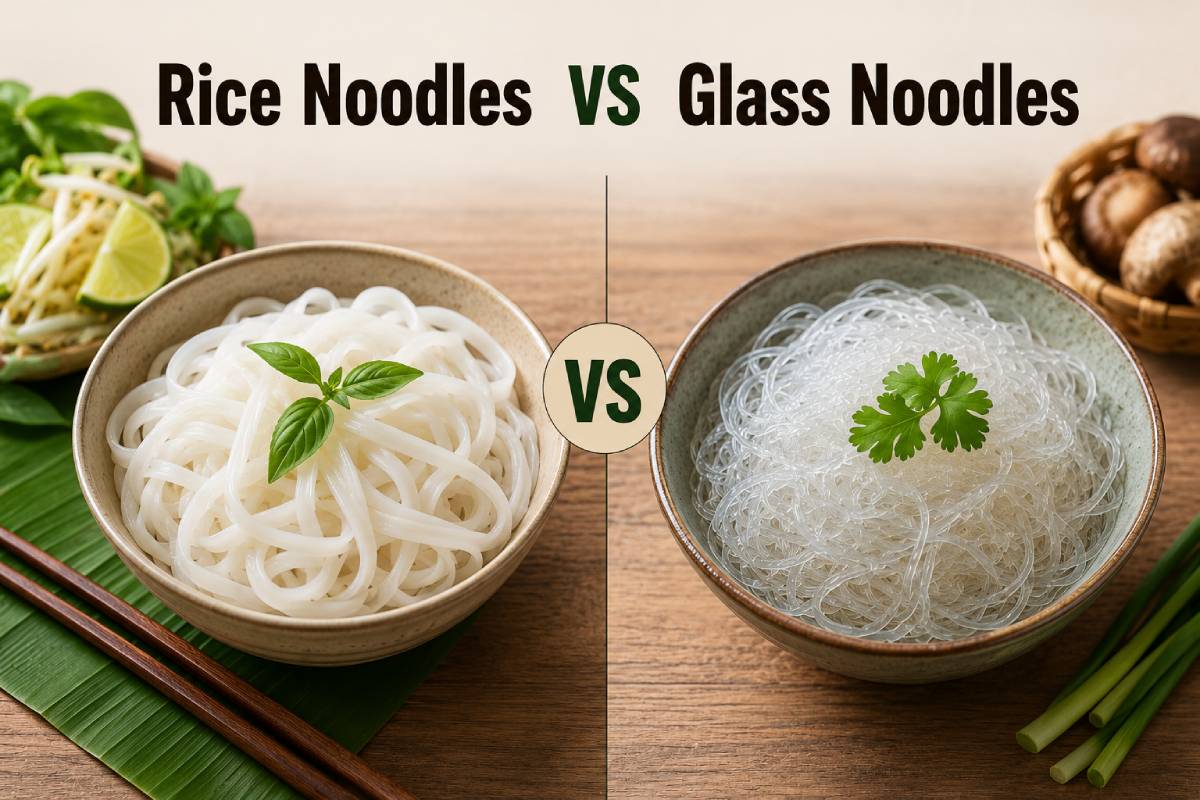
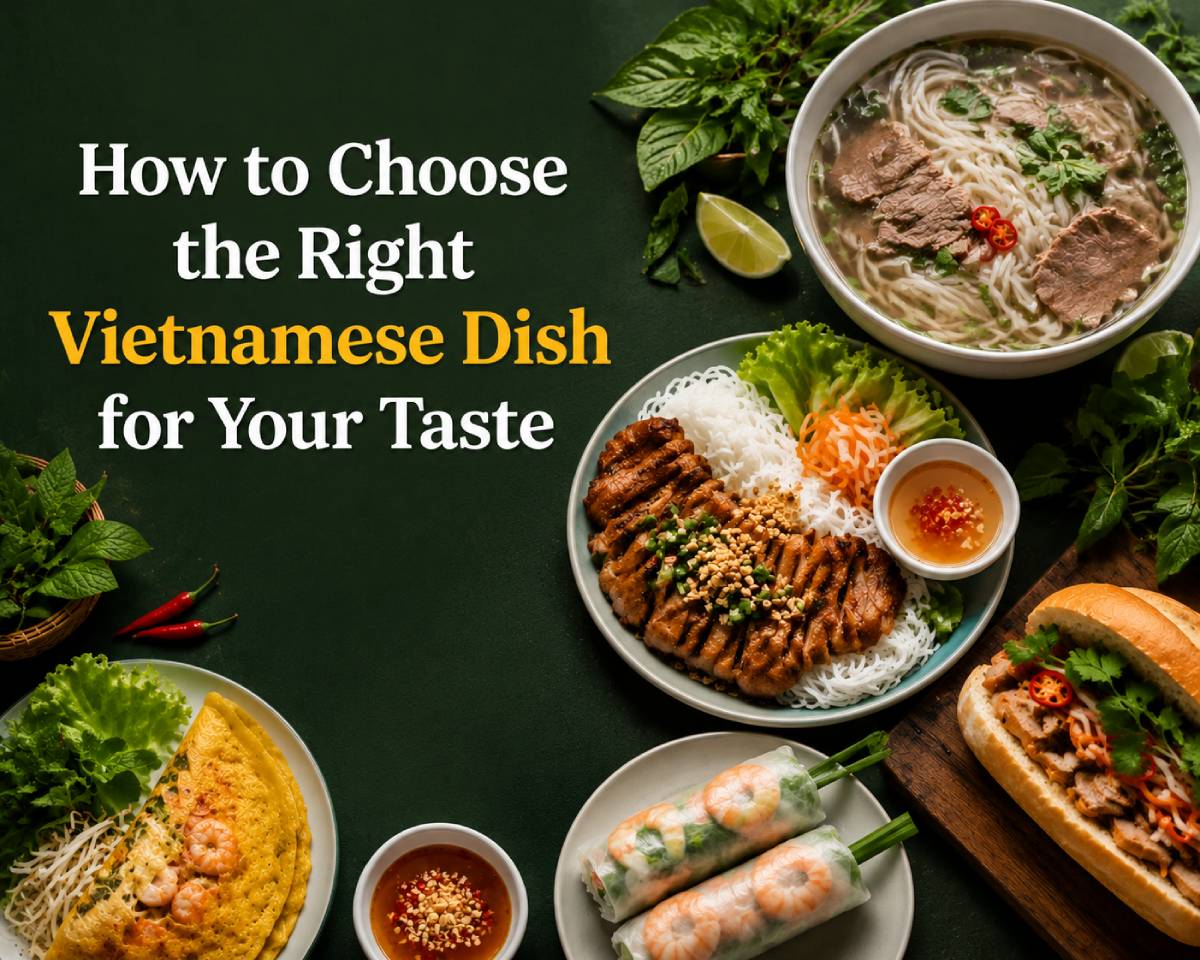
Many Vietnamese noodle dishes use rice noodles instead of wheat-based noodles.
Common Vietnamese noodles include:
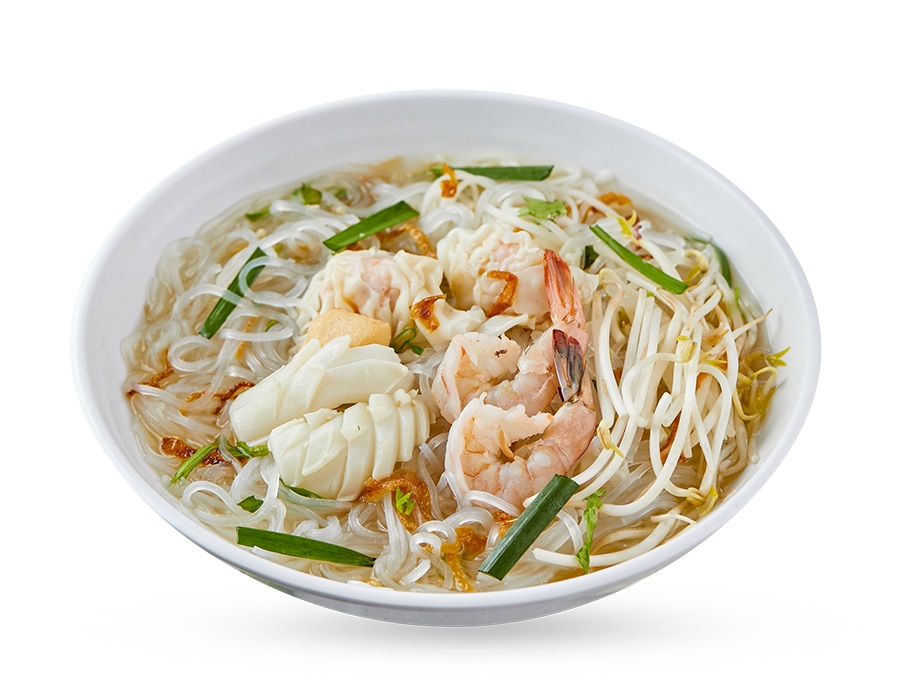
- Pho noodles
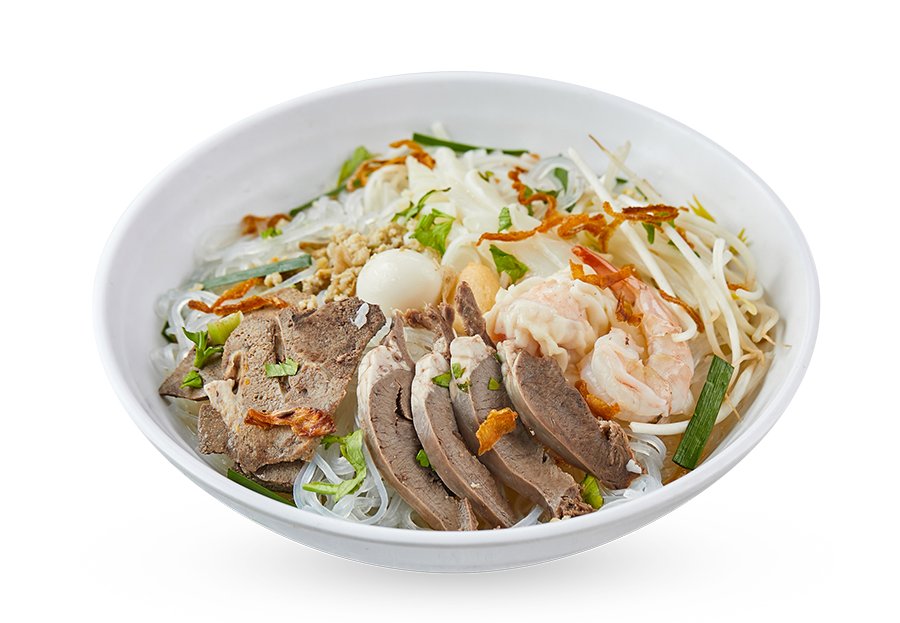
- Vermicelli noodles (bún)
- Glass noodles
- Tapioca-based noodles
- Egg noodles in some dishes
Rice noodles are often softer, thinner, and lighter in texture compared to traditional pasta.
Because they are usually made from rice flour and water, they tend to feel less dense in the stomach for many people.
Popular Vietnamese noodle dishes include:
- Phở
- Bún bò Huế
- Bún thịt nướng
- Vermicelli bowls
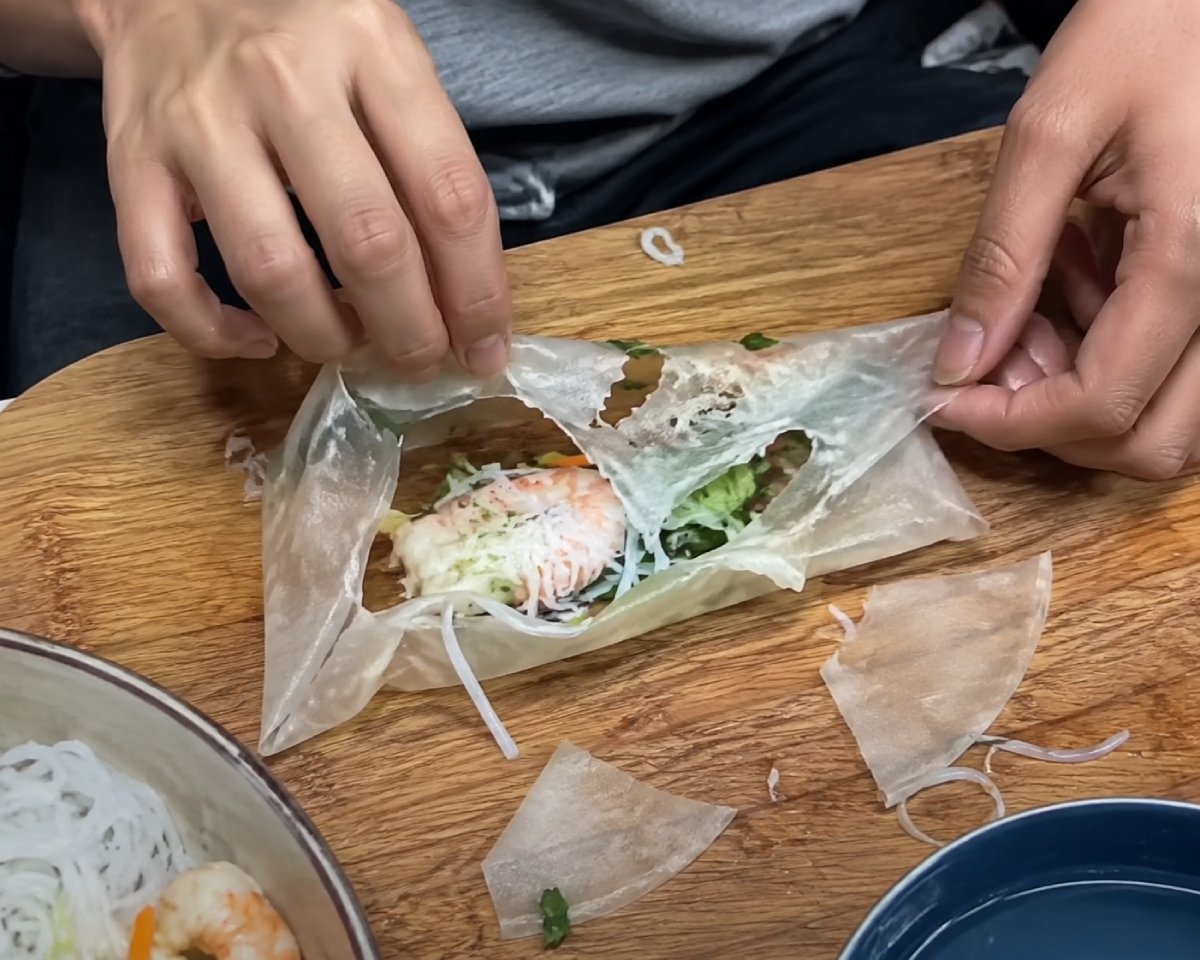
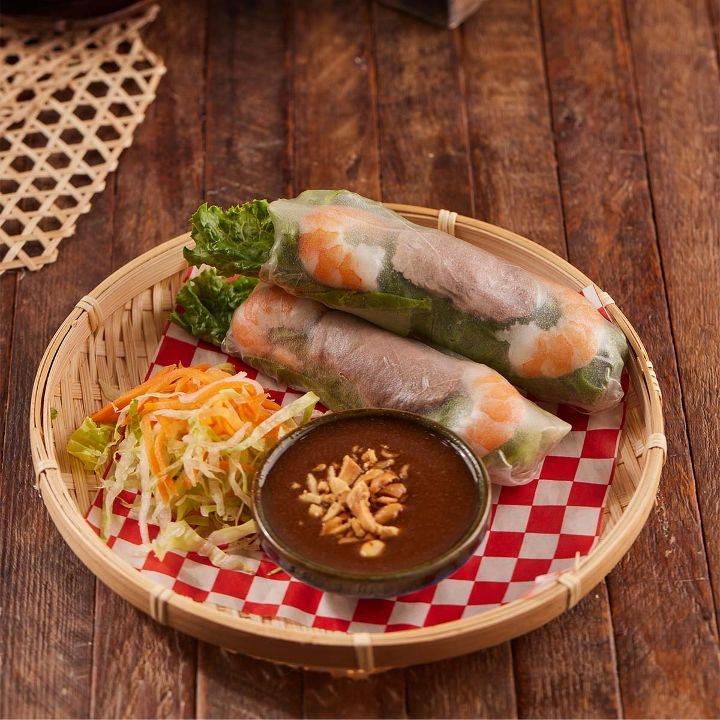
- Fresh spring roll noodles
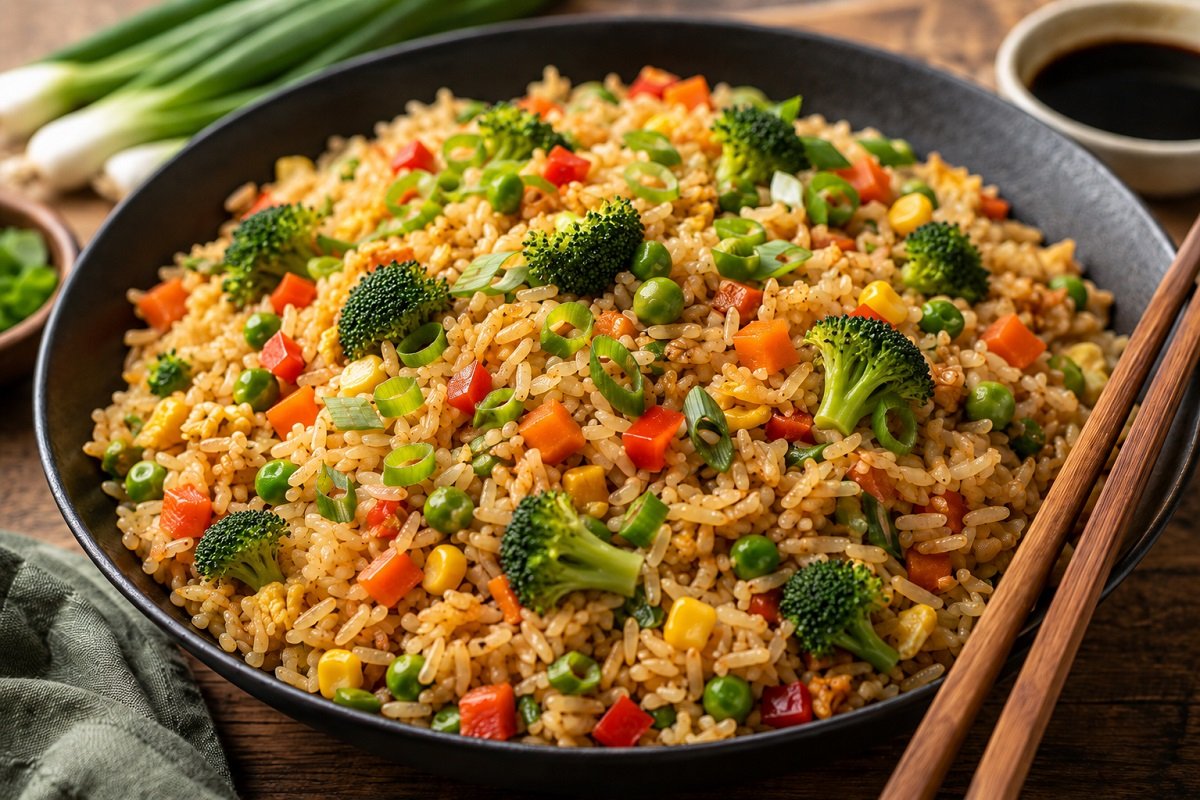
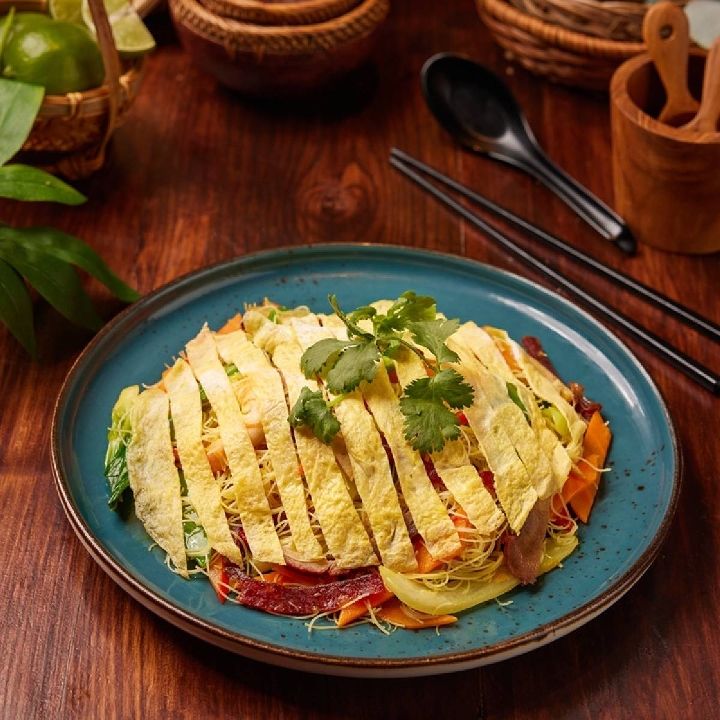
- Stir-fried noodle dishes
Many of these meals also include:
- Fresh herbs
- Bean sprouts
- Lettuce
- Pickled vegetables
- Lean proteins
- Broth instead of cream sauce
That combination changes the entire eating experience.
What Is Pasta Usually Made From?
Traditional pasta is commonly made from:
- Durum wheat
- Semolina flour
- Eggs in some varieties
Pasta itself is not necessarily unhealthy. In fact, simple pasta can be quite balanced depending on how it’s prepared.
The bigger issue is often what gets added to it.
Many popular Western pasta dishes include:
- Alfredo sauce
- Heavy cream
- Butter
- Cheese
- Processed meats
- Large portions
- Rich oils
Examples include:
- Fettuccine Alfredo
- Mac and cheese
- Creamy carbonara
- Baked pasta dishes
- Lasagna
These ingredients can create a much richer and heavier feeling after eating.
Why Vietnamese Noodles Often Feel Lighter
- Broth-Based Meals Are Easier for Many People
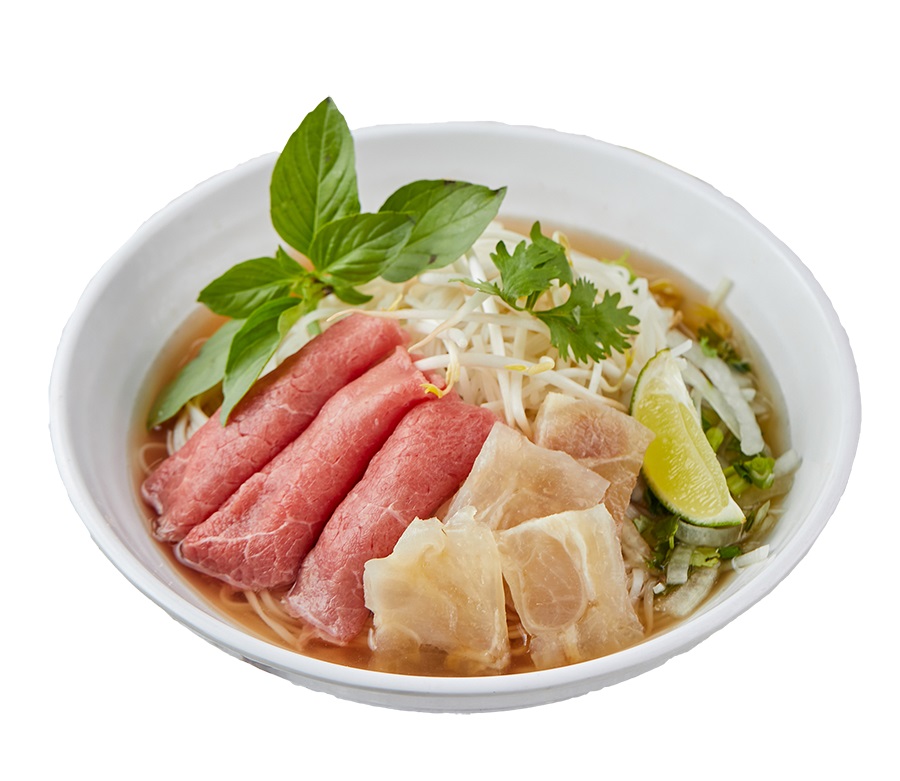
One of the biggest reasons Vietnamese noodle dishes feel lighter is the broth.
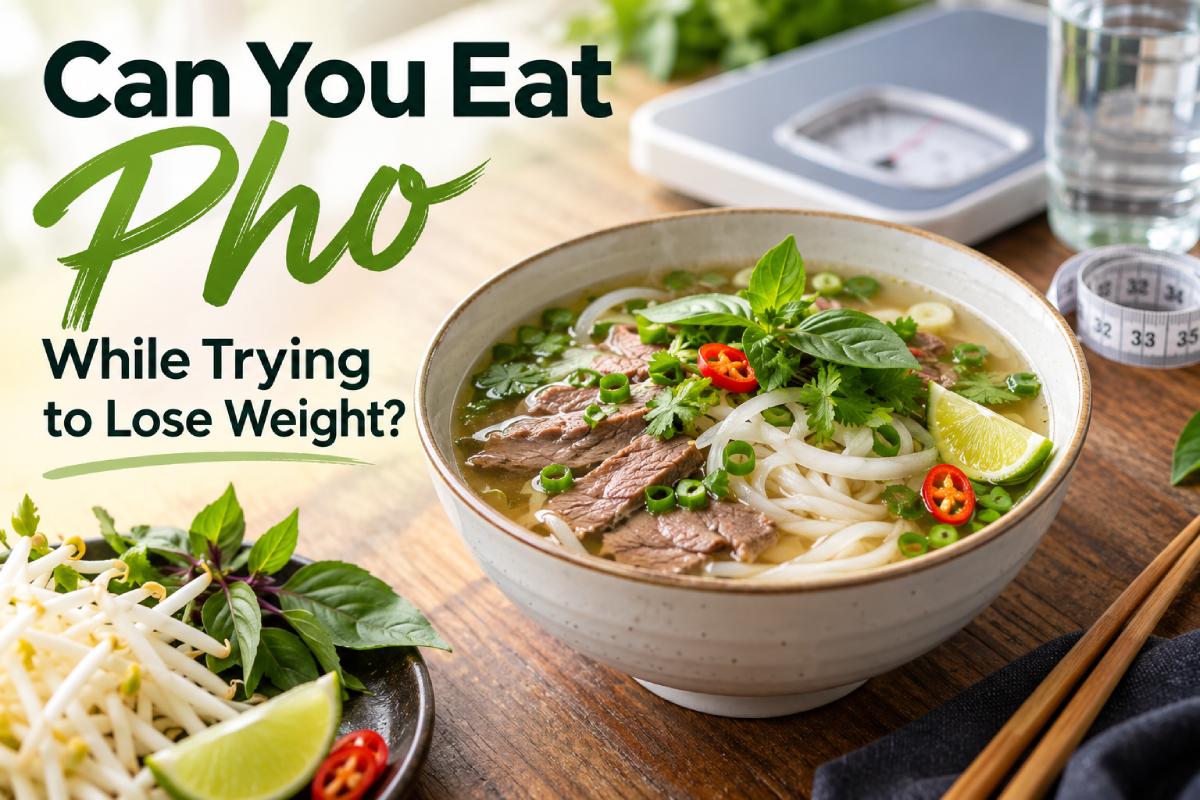
Take pho, for example.
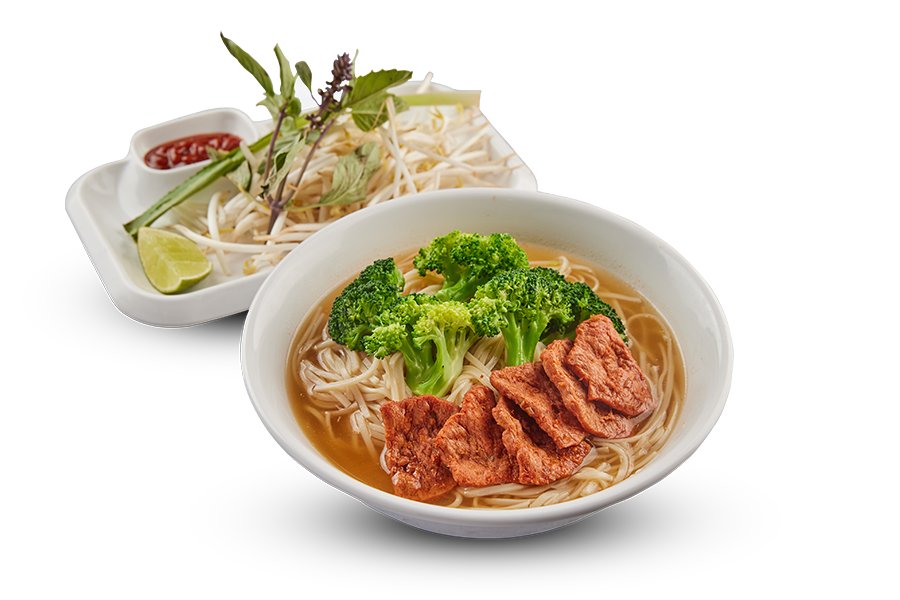
Instead of thick cream sauce, pho uses a clear simmered broth made with herbs, spices, and bones.
This creates flavor without excessive heaviness.
Warm broth can also help meals feel comforting while still staying relatively light.
Many people finish a bowl of pho feeling satisfied rather than stuffed.
- Vietnamese Meals Usually Include More Fresh Vegetables
A lot of Vietnamese noodle dishes come loaded with fresh ingredients like:
- Thai basil
- Cilantro
- Mint
- Lettuce
- Bean sprouts
- Cucumbers
- Pickled carrots
- Daikon
These ingredients add freshness, crunch, water content, and fiber.
That balance helps the meal feel cleaner and less greasy.
Some pasta dishes, on the other hand, are mostly starch, sauce, and cheese with very little freshness added.
- Rice Noodles Feel Less Dense for Some People
Rice noodles are often softer and lighter in texture than wheat pasta.
Some people digest them more comfortably.
Others simply notice less bloating afterward.
This does not mean rice noodles are automatically lower in carbs or calories. But texture and density affect how meals feel physically.
A bowl of vermicelli can sometimes feel lighter than a large plate of thick pasta, even if both are filling.
- Portion Structure Is Different
Many Vietnamese meals are balanced differently.
Instead of one giant pile of noodles, meals often include:
- Herbs
- Vegetables
- Protein
- Broth
- Pickled sides
The noodles are just one part of the meal.
In many Western pasta dishes, pasta becomes the dominant ingredient.
That can make the meal feel heavier faster.
- Less Dairy
Traditional Vietnamese cuisine uses very little dairy compared to many Western pasta dishes.
For people sensitive to cream, cheese, or butter, this makes a major difference.
Heavy dairy sauces are one of the biggest reasons some pasta meals feel overly rich.
Vietnamese noodle dishes usually rely on:
- Herbs
- Fish sauce
- Lime
- Broth
- Garlic
- Chili
- Aromatics
instead of cream-heavy sauces.
Does “Lighter” Mean Healthier?
Not always.
A meal can feel light but still contain:
- High sodium
- Added sugar
- Fried toppings
- Large amounts of refined carbs
Likewise, pasta can absolutely be part of a healthy diet.
The real difference often comes down to:
- Portion size
- Ingredients
- Cooking style
- Balance
For example:
A small pasta dish with olive oil, vegetables, and grilled chicken may feel lighter than a giant fried noodle dish loaded with oil.
Context matters.
Are Rice Noodles Lower in Calories Than Pasta?
Not by a huge amount.
Many people assume rice noodles are dramatically lower in calories, but the difference is usually smaller than expected.
Approximate comparison per cooked cup:
- Rice noodles: around 190–210 calories
- Traditional pasta: around 200–220 calories
The bigger calorie difference usually comes from:
- Sauces
- Oils
- Cheese
- Cream
- Portion size
A creamy Alfredo pasta can easily become far more calorie-dense than pho or vermicelli bowls.
Which One Is Better for Digestion?
This depends on the person.
Some people feel better after eating rice noodles because they:
- Digest softer foods more comfortably
- Prefer lighter meals
- Struggle with heavy cream sauces
- Experience bloating from certain wheat products
Others digest pasta perfectly fine.
There is no universal answer.
However, Vietnamese noodle dishes often contain more hydration, vegetables, and fresh herbs, which may help meals feel easier on the stomach.
Why Pho Often Feels Comforting Instead of Heavy
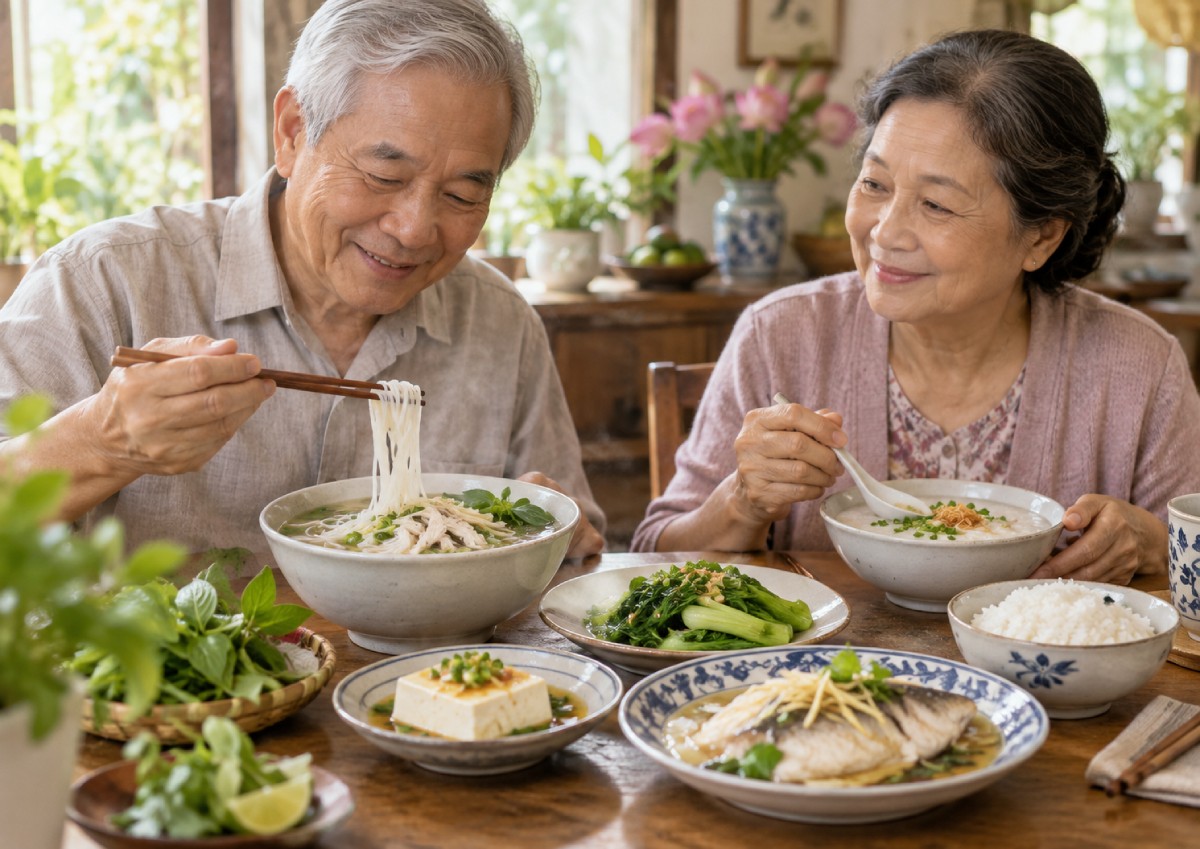
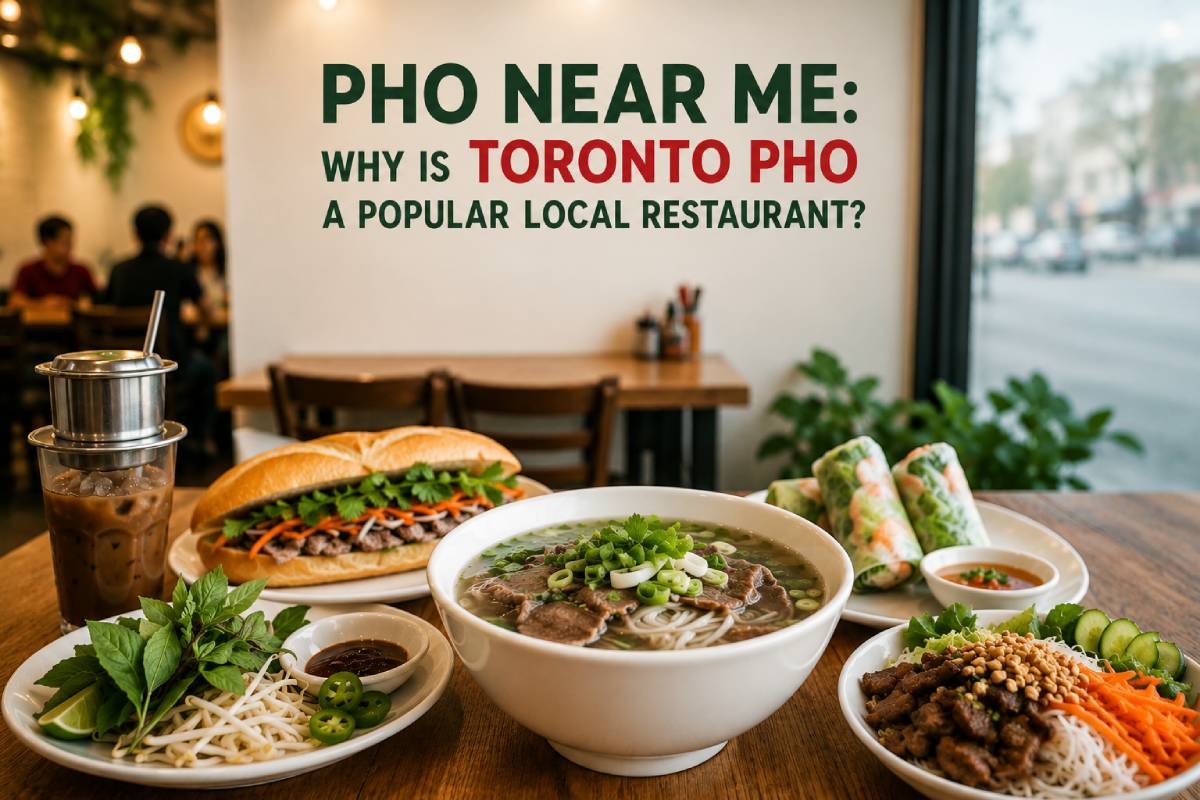
Pho is one of the best examples of balance.
A typical bowl includes:
- Rice noodles
- Broth
- Thin slices of meat
- Fresh herbs
- Bean sprouts
- Lime
- Onion
The meal contains warmth, hydration, protein, and freshness at the same time.
That balance is why many people crave pho when they:
- Feel sick
- Want comfort food
- Need something filling but not overwhelming
- Want a late-night meal without feeling terrible afterward
It satisfies hunger without relying on excessive heaviness.
The Role of Cooking Oils
Another major factor is oil usage.
Some pasta dishes contain:
- Butter-heavy sauces
- Cream emulsions
- Cheese fats
- Processed meats
Vietnamese cuisine can still include oil, especially in stir-fried dishes, but many noodle soups and vermicelli bowls use much less fat overall.
That can significantly affect how your body feels after eating.
What About Gluten?
Traditional pasta contains gluten because it is wheat-based.
Most rice noodles used in Vietnamese cuisine are naturally gluten-free.
For people with gluten sensitivity, this may reduce bloating or stomach discomfort.
However, not everyone reacts negatively to gluten.
So this depends entirely on the individual.
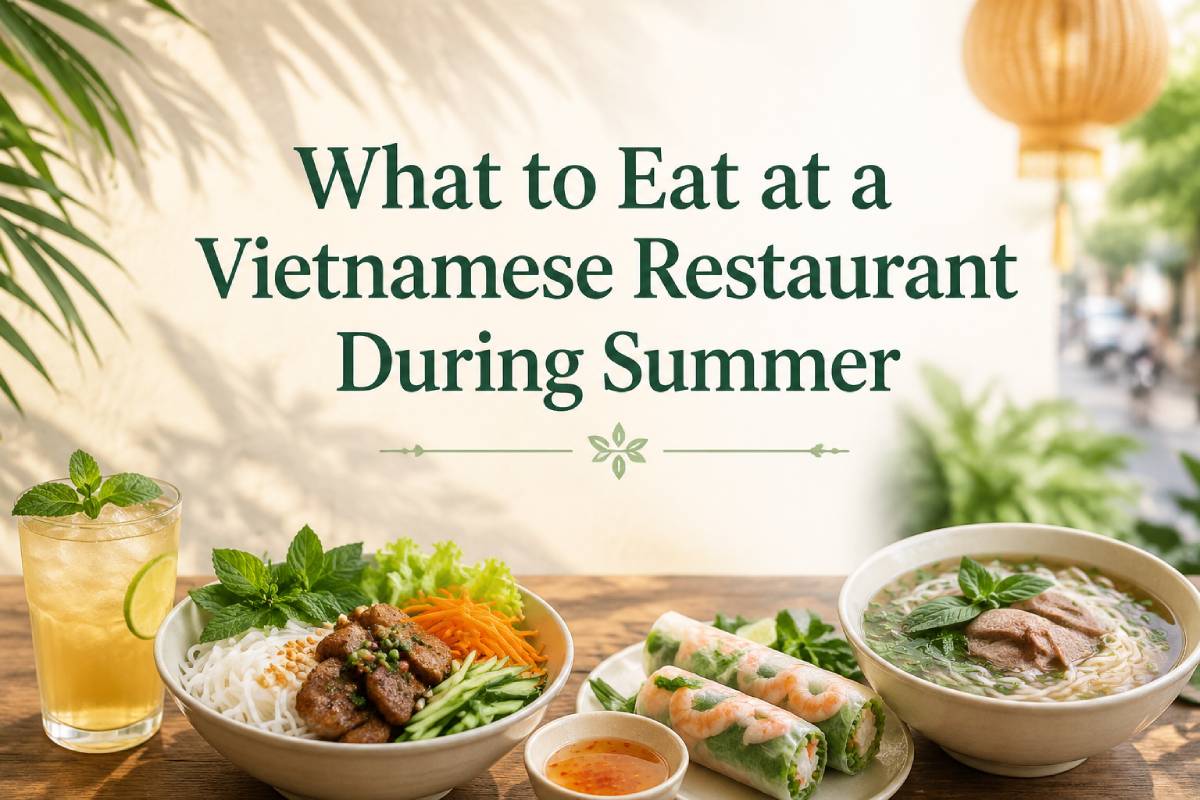
Which Is Better for Hot Weather?
Many people prefer Vietnamese noodles during warmer months because the meals feel fresher and less dense.
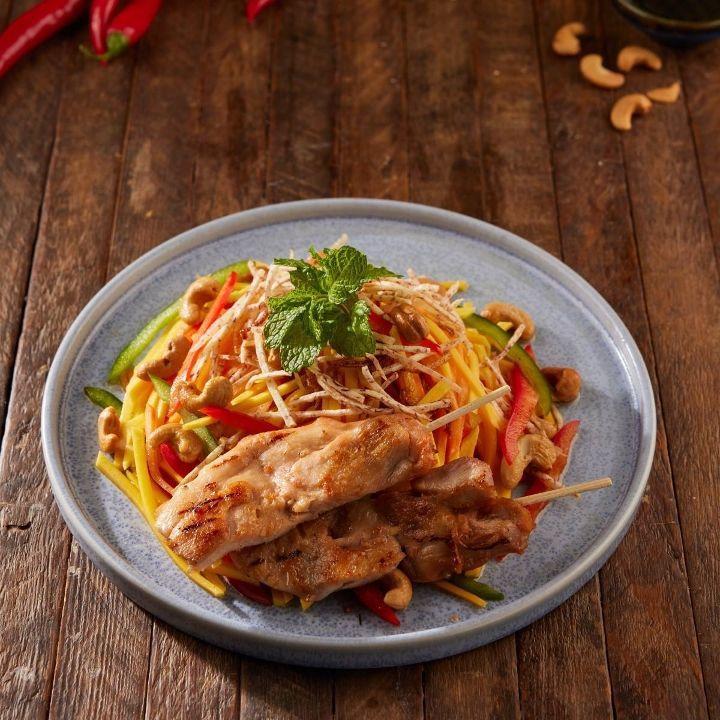
Cold vermicelli bowls with grilled meat and herbs are especially popular in summer.
Heavy creamy pasta dishes can sometimes feel too rich in hot weather.
That’s one reason Vietnamese noodle dishes are often described as “refreshing.”
The Truth: It’s About Balance
Pasta is not the enemy.
Vietnamese noodles are not magically healthy.
The real reason Vietnamese noodle dishes often feel lighter comes down to the overall meal structure.
Vietnamese cuisine frequently emphasizes:
- Fresh herbs
- Broths
- Lean proteins
- Vegetables
- Lighter sauces
- Balance of textures
Meanwhile, many Western pasta dishes are built around richness, creaminess, and comfort.
Both styles can absolutely fit into a healthy lifestyle.
But if your goal is to eat meals that leave you feeling energized instead of overly stuffed, many Vietnamese noodle dishes may feel easier on your body.
Final Thoughts
So, which one feels less heavy?
For many people, Vietnamese noodles win.
Not necessarily because the noodles themselves are dramatically different, but because the entire meal is usually built in a lighter, fresher, and more balanced way.
That’s why so many people finish a bowl of pho or a vermicelli bowl feeling satisfied instead of sluggish.
You still get comfort.
You still get flavor.
You still leave full.
Just without the “I need a nap immediately” feeling that some heavy pasta meals can create.
And honestly, that’s a big reason Vietnamese cuisine continues to grow in popularity around the world.