What Is a Vietnamese Surf n Turf Roll?
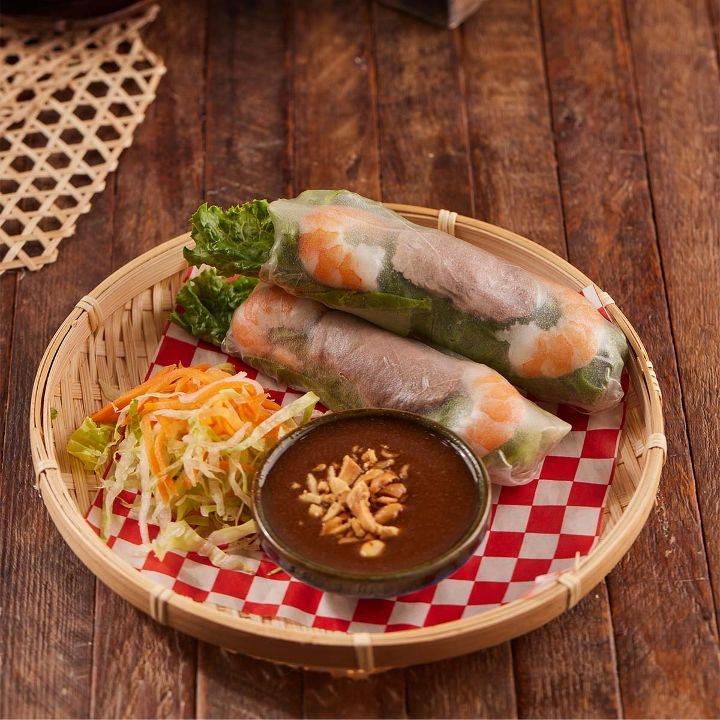
A Vietnamese Surf N Turf Roll is a fresh rice paper roll filled with both meat and seafood.
The roll is inspired by Vietnamese fresh rolls, which may also be called summer rolls or rice paper rolls. Unlike fried spring rolls, fresh rolls are not cooked after they are assembled.
The rice paper wrapper becomes soft after being dipped briefly in water. It is then filled and rolled by hand.
A typical Surf n Turf Roll may include:
- Cooked shrimp
- Grilled or seared beef
- Rice vermicelli noodles
- Lettuce
- Cucumber
- Carrot
- Mint
- Cilantro
- Thai basil
- Rice paper wrappers
The rolls are often served with peanut sauce, hoisin-based sauce, or Vietnamese fish sauce.
There is no single official recipe. You can adjust the ingredients based on your preferences, but the best rolls should include a balance of protein, noodles, vegetables, and herbs.
Ingredients You Will Need
This recipe makes approximately 10 to 12 fresh rolls.
For the beef
- 300 grams sirloin, striploin, or another tender cut of beef
- 1 tablespoon soy sauce
- 1 tablespoon oyster sauce
- 1 teaspoon sesame oil
- 1 teaspoon brown sugar or honey
- 1 clove garlic, finely minced
- ½ teaspoon black pepper
- 1 tablespoon cooking oil
For the shrimp
- 18 to 20 medium or large shrimp
- ½ teaspoon salt
- ½ teaspoon black pepper
- 1 teaspoon cooking oil
- 1 teaspoon lime or lemon juice
For the rolls
- 10 to 12 Vietnamese rice paper wrappers
- 150 grams rice vermicelli noodles
- 1 small cucumber
- 1 medium carrot
- 1 cup lettuce leaves
- ½ cup fresh mint
- ½ cup cilantro
- ½ cup Thai basil, optional
- Bean sprouts, optional
For a simple peanut dipping sauce
- ½ cup smooth peanut butter
- 2 tablespoons hoisin sauce
- 1 tablespoon soy sauce
- 1 teaspoon lime juice
- 1 teaspoon sriracha, optional
- 3 to 5 tablespoons warm water
- Crushed peanuts, optional
Choose the Right Beef
The beef should be tender because the rolls are eaten cold or at room temperature. Tough or chewy beef can make the rolls difficult to enjoy.
Good options include:
- Sirloin
- Striploin
- Tenderloin
- Ribeye
- Flank steak, when sliced very thinly
Sirloin is a practical option because it has good flavour and is usually more affordable than tenderloin.
Before cooking, remove large pieces of fat or tough connective tissue. Pat the beef dry with a paper towel so it browns properly in the pan.
You can cook the steak whole and slice it afterward, or slice it thinly before cooking.
Cooking the steak whole often gives you better control over doneness. Thinly sliced beef, however, cooks more quickly and absorbs marinade well.
Marinate the Beef
Combine the soy sauce, oyster sauce, sesame oil, sugar, garlic, and black pepper in a bowl.
Add the beef and coat it evenly with the marinade.
Let the meat rest for at least 20 minutes. For stronger flavour, you can marinate it in the refrigerator for one to two hours.
Avoid leaving it in a salty marinade for too long because the texture may become too soft or overly seasoned.
Remove the beef from the refrigerator about 15 minutes before cooking. This helps it cook more evenly.
Choose and Prepare the Shrimp
Shrimp works especially well in Vietnamese fresh rolls because it has a clean flavour, firm texture, and attractive colour.
You can use fresh or frozen shrimp.
When using frozen shrimp, thaw them fully before cooking. Pat them dry to prevent extra water from collecting in the pan.
Remove the shell and digestive vein before cooking. The tail may be left on during cooking, but it should be removed before the shrimp goes into the roll.
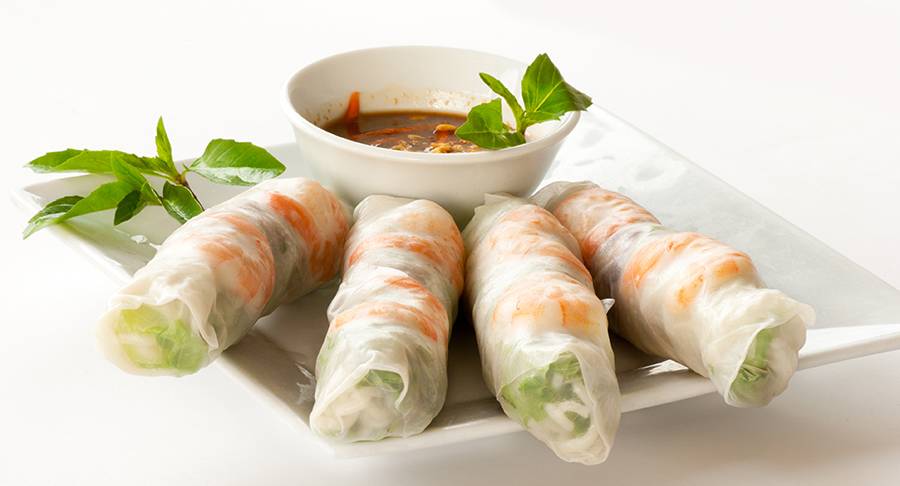
Medium or large shrimp are easiest to use. After cooking, slice each shrimp in half lengthwise. This helps the shrimp lie flat against the rice paper and gives the roll a neat appearance.
Step 1: Cook the Rice Vermicelli
Bring a pot of water to a boil.
Add the rice vermicelli and cook according to the package directions. Depending on the thickness, the noodles may need between three and six minutes.
Do not overcook them. The noodles should be soft but not mushy.
Drain the noodles and rinse them under cold water. This stops the cooking process and removes extra starch.
Allow the noodles to drain well.
You can cut them into shorter lengths with kitchen scissors. Shorter noodles are easier to arrange inside the rice paper and less likely to fall out while eating.
Set the noodles aside until you are ready to assemble the rolls.
Step 2: Cook the Beef
Heat a frying pan or grill pan over medium-high heat.
Add a small amount of cooking oil.
Remove the beef from the marinade and allow any extra liquid to drip off. Place the beef in the hot pan.
If cooking a whole steak, sear it for approximately three to five minutes per side, depending on its thickness and your preferred level of doneness.
Remove the steak from the pan and let it rest for at least five minutes.
Resting is important because it allows the juices to settle inside the meat. Cutting it immediately can cause the juices to escape.
Slice the steak thinly against the grain.
The grain refers to the direction of the muscle fibres. Cutting across those fibres makes the meat more tender and easier to chew.
If you are cooking thinly sliced beef, stir-fry it quickly in batches. Avoid crowding the pan, as too much meat at once can release water and prevent browning.
Let the beef cool slightly before adding it to the rolls.
Step 3: Cook the Shrimp
Season the shrimp lightly with salt and black pepper.
Heat the oil in a clean pan over medium heat. Add the shrimp in one layer.
Cook for approximately two minutes on the first side. Turn them over and cook for another one to two minutes.
The shrimp should turn pink and opaque.
Do not cook them for too long. Overcooked shrimp can become dry and rubbery.
Add a small amount of lime or lemon juice after cooking.
Transfer the shrimp to a plate and allow them to cool.
Once cool enough to handle, remove the tails and slice each shrimp in half lengthwise.
Step 4: Prepare the Vegetables and Herbs
Wash all vegetables and herbs carefully.
Cut the cucumber into thin matchstick-sized pieces.
Peel the carrot and slice it into thin strips. You can also use a julienne peeler for faster preparation.
Wash and dry the lettuce. Tear large leaves into smaller pieces that fit easily inside the rolls.
Remove the mint, cilantro, and basil leaves from thick stems.
If using bean sprouts, rinse them thoroughly and drain them well.
Try to keep all vegetables narrow and similar in size. Thick or uneven pieces can tear the rice paper.
Step 5: Organize Your Work Area
Fresh rolls are easier to make when all ingredients are within reach.
Place the following near your work surface:
- Cooked beef
- Cooked shrimp
- Rice vermicelli
- Lettuce
- Cucumber
- Carrot
- Fresh herbs
- Rice paper wrappers
- A large shallow bowl of warm water
- A clean plate or cutting board
- A serving tray
Keep a damp kitchen towel nearby in case your fingers become sticky.
It is best to roll one piece at a time. Do not soak several rice papers in advance because they may stick together.
Step 6: Soften the Rice Paper
Fill a large shallow bowl or plate with warm water.
The water should be warm, not boiling.
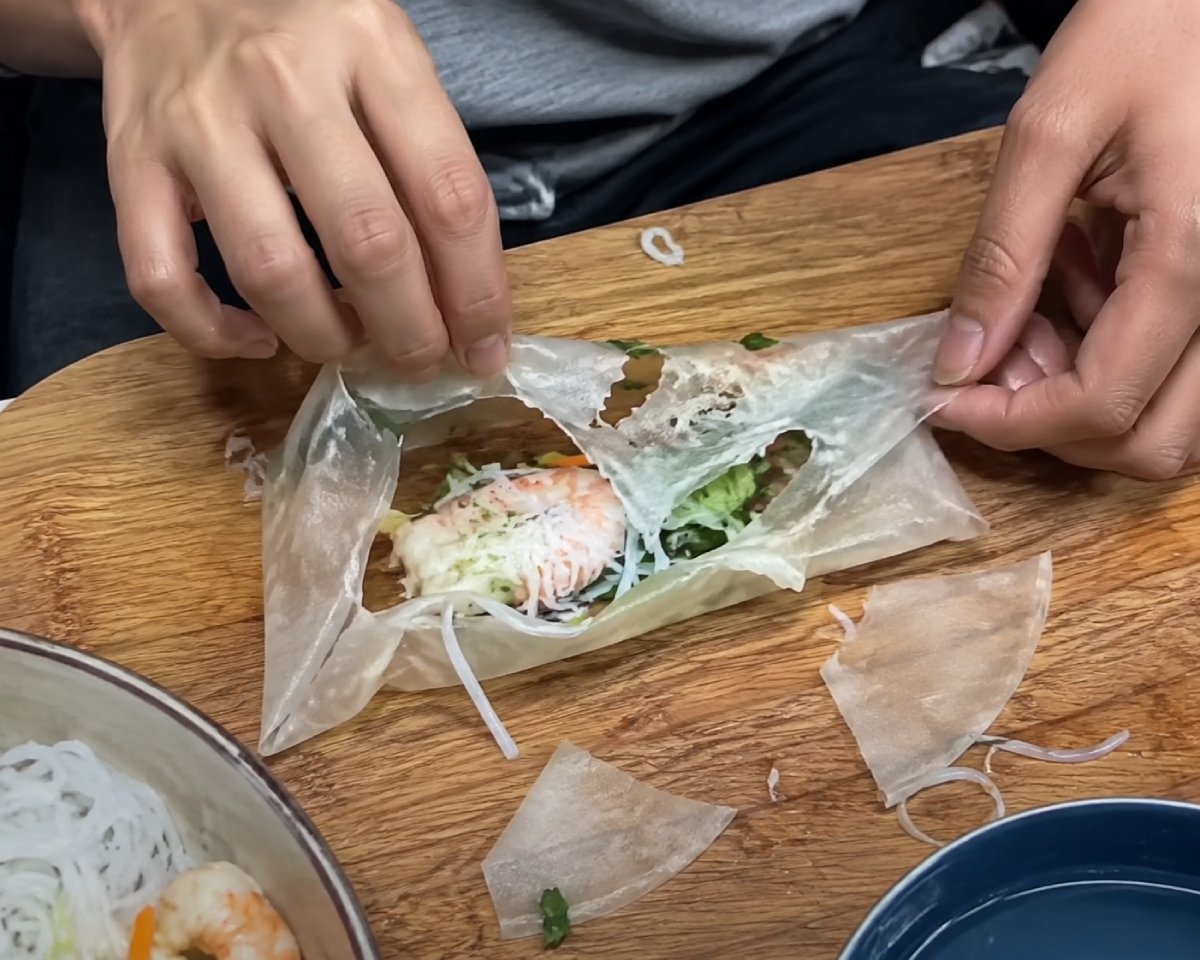
Take one rice paper wrapper and dip it into the water for only a few seconds. Rotate it gently so the entire surface becomes wet.
Remove it while it still feels slightly firm.
Place it on a clean, flat surface.
The wrapper will continue softening as you add the fillings. If you leave it in the water until it becomes completely soft, it may become sticky and difficult to handle.
This is one of the most important parts of making fresh rolls. A short dip usually works better than a long soak.
Step 7: Arrange the Shrimp
Place three or four shrimp halves in a horizontal line across the centre of the rice paper.
Put the cut side facing upward or downward depending on how you want the outside of the roll to look.
Many cooks place the shrimp closer to the top half of the wrapper. This makes the shrimp visible through the rice paper after rolling.
Leave some space around the edges so the wrapper can fold properly.
Step 8: Add the Remaining Fillings
Below the shrimp, add a small amount of:
- Rice vermicelli
- Beef strips
- Lettuce
- Cucumber
- Carrot
- Mint
- Cilantro
- Thai basil
Do not add too much.
Overfilling is the most common reason rice paper rolls break.
The filling should form a narrow horizontal line. Keep it compact and avoid spreading ingredients across the entire wrapper.
A balanced roll should have enough beef and shrimp to provide flavour, but also enough vegetables and herbs to keep it fresh.
Step 9: Roll the Rice Paper
Fold the bottom edge of the rice paper over the filling.
Gently pull the filling toward you to create a tight shape.
Fold the left and right sides inward.
Continue rolling forward until the wrapper closes completely.
Use gentle pressure. The roll should be firm enough to hold its shape but not so tight that the rice paper tears.
Place the finished roll seam-side down on a plate.
Repeat with the remaining wrappers and ingredients.
Try not to place the rolls directly on top of each other because fresh rice paper can stick.
How to Make the Peanut Dipping Sauce
Add the peanut butter, hoisin sauce, soy sauce, lime juice, and sriracha to a bowl.
Mix until combined.
Add warm water one tablespoon at a time until the sauce reaches your preferred consistency.
The sauce should be smooth and thick enough to coat the roll without feeling heavy.
Taste and adjust the flavour.
For a sweeter sauce, add a little more hoisin.
For more heat, add sriracha.
For more acidity, add lime juice.
Sprinkle crushed peanuts on top before serving.
Alternative Vietnamese Fish Sauce
A lighter dipping sauce can be made with fish sauce.
Combine:
- 3 tablespoons fish sauce
- 3 tablespoons warm water
- 2 tablespoons lime juice
- 1½ tablespoons sugar
- 1 small garlic clove, minced
- Sliced chili, optional
Stir until the sugar dissolves.
This sauce is salty, sweet, sour, and slightly spicy. It works especially well when the rolls already contain rich beef.
Common Mistakes to Avoid
Soaking the rice paper too long
Rice paper continues to soften after it is removed from the water. A long soak can make it tear or stick to the work surface.
Adding too much filling
Large amounts of beef, noodles, or vegetables make the roll difficult to close. Start with less filling until you become more comfortable.
Using wet ingredients
Drain noodles and vegetables carefully. Too much water inside the roll can make the wrapper slippery and weak.
Overcooking the shrimp
Shrimp only needs a few minutes. Overcooking can make it rubbery.
Cutting the beef too thick
Thick beef slices are harder to chew inside a fresh roll. Cut the meat thinly and against the grain.
Using large lettuce pieces
Large or stiff pieces of lettuce may push through the rice paper. Tear them into smaller, softer sections.
Preparing the rolls too early
Fresh rolls taste best shortly after they are made. The wrapper may dry out or become too firm if stored for too long.
How to Keep Fresh Rolls from Sticking
Place each finished roll on a lightly damp plate or tray.
Leave some space between the rolls.
You can cover them loosely with a clean, damp kitchen towel while finishing the rest.
Avoid tightly covering them with plastic wrap for long periods, as the rice paper may become overly soft.
For the best texture, serve the rolls within one or two hours.
Can You Make Them Ahead of Time?
You can prepare the individual ingredients in advance.
The beef and shrimp can be cooked earlier and refrigerated. The vegetables can also be sliced ahead of time.
Store each ingredient in a separate airtight container.
Cooked rice vermicelli can be refrigerated, but rinse or loosen it gently before using if it sticks together.
It is better to assemble the rolls shortly before serving.
If you must prepare them ahead, keep them separated and cover them with a damp towel. Refrigeration may cause the wrappers to become firmer, so allow them to sit briefly at room temperature before serving.
How to Serve Surf n Turf Rolls
Serve the rolls whole or cut them in half on a diagonal.
Use a sharp, damp knife if cutting them. A wet blade is less likely to stick to the rice paper.
Arrange the rolls on a plate with small bowls of dipping sauce.
They can be served with:
- Peanut dipping sauce
- Vietnamese fish sauce
- Hoisin sauce
- Chili sauce
- Lime wedges
- Extra herbs
- Pickled vegetables
These rolls work well as an appetizer, light lunch, party dish, or fresh summer meal.
Ways to Customize the Recipe
One of the advantages of homemade rice paper rolls is that they are easy to customize.
You can replace beef with:
- Grilled chicken
- Pork
- Lemongrass beef
- Beef strips with black pepper
- Thinly sliced roast beef
You can replace shrimp with:
- Crab
- Lobster
- Scallops
- Cooked salmon
- Tempura shrimp
Vegetable options include:
- Red cabbage
- Bell pepper
- Avocado
- Green onion
- Mango
- Pickled carrot
- Daikon radish
Avocado makes the roll creamier, while mango adds a light sweetness.
Try not to add too many ingredients at once. A smaller number of well-balanced fillings usually creates a cleaner flavour.
Final Thoughts
Making the perfect Vietnamese Surf n Turf Roll at home is mainly about preparation, balance, and careful rolling.
The shrimp should be tender and lightly seasoned. The beef should be flavourful, thinly sliced, and easy to chew. Rice vermicelli adds body, while cucumber, carrot, lettuce, and fresh herbs add crunch and freshness.
The rice paper should be dipped briefly, not soaked until completely soft. Using a moderate amount of filling helps the roll stay neat and prevents tearing.
Your first few rolls may not look perfect, and that is completely normal. Rice paper becomes easier to handle with practice.
Focus on keeping the ingredients narrow, placing the filling near the centre, and rolling with gentle pressure.
The combination of savoury beef, sweet shrimp, soft noodles, crisp vegetables, aromatic herbs, and creamy peanut sauce creates a dish that feels fresh, colourful, and satisfying.
With a little preparation, you can make restaurant-style Vietnamese Surf n Turf Rolls in your own kitchen without complicated equipment or difficult techniques.
Here are some delicious food and drinks to try when ordering from PHO restaurants in Toronto:
Grilled Pork Roll (Thịt Nướng Cuốn)
Grilled Beef Roll (Bò Nướng Cuốn)
Grilled Chicken Roll (Gà Nướng Cuốn)