Is Singapore Rice Vermicelli Actually from Singapore?
Despite its name, the dish commonly called Singapore noodles or Singapore rice vermicelli is not considered a traditional Singaporean recipe. It is generally associated with Cantonese cooking and is especially common in Hong Kong-style restaurants and Chinese takeout menus.
Its exact history is not completely clear, but food writers commonly connect it to Hong Kong’s Cantonese restaurant culture. Curry powder gives the noodles their yellow color and distinguishes the dish from other Cantonese rice-noodle stir-fries. It would therefore be more accurate to describe it as a Hong Kong-style Cantonese dish inspired by Southeast Asian flavors rather than a recipe that originated in Singapore.
Whatever its origins, the dish has become popular around the world because it is flavorful, flexible, and easy to customize.
Ingredients You Will Need
This recipe makes approximately four servings.
For the noodles and stir-fry
- 225 grams or 8 ounces thin dried rice vermicelli
- 225 grams or 8 ounces raw shrimp, peeled and cleaned
- 150 grams or 5 ounces Chinese barbecue pork, cooked chicken, or turkey
- 2 large eggs
- 1 small onion, thinly sliced
- 1 small carrot, cut into thin strips
- 1 red bell pepper, cut into thin strips
- 1 cup bean sprouts
- 2 green onions, sliced
- 2 cloves garlic, finely chopped
- 3 tablespoons neutral cooking oil, divided
For the seasoning mixture
- 1½ tablespoons curry powder
- 1 tablespoon light soy sauce
- 1 tablespoon oyster sauce
- 1 tablespoon Shaoxing wine or dry sherry
- ½ teaspoon sugar
- ½ teaspoon sesame oil
- ¼ teaspoon white pepper
- 2 tablespoons water or unsalted chicken stock
Chinese barbecue pork, also known as char siu, is commonly used in restaurant-style versions. Its slightly sweet flavor works well with the curry seasoning. However, cooked chicken is an easier substitute if char siu is unavailable.
Use a neutral oil with a relatively high smoke point, such as canola, peanut, sunflower, or vegetable oil. Extra-virgin olive oil has a stronger flavor and is less suitable for this style of high-heat cooking.
Choose the Correct Noodles
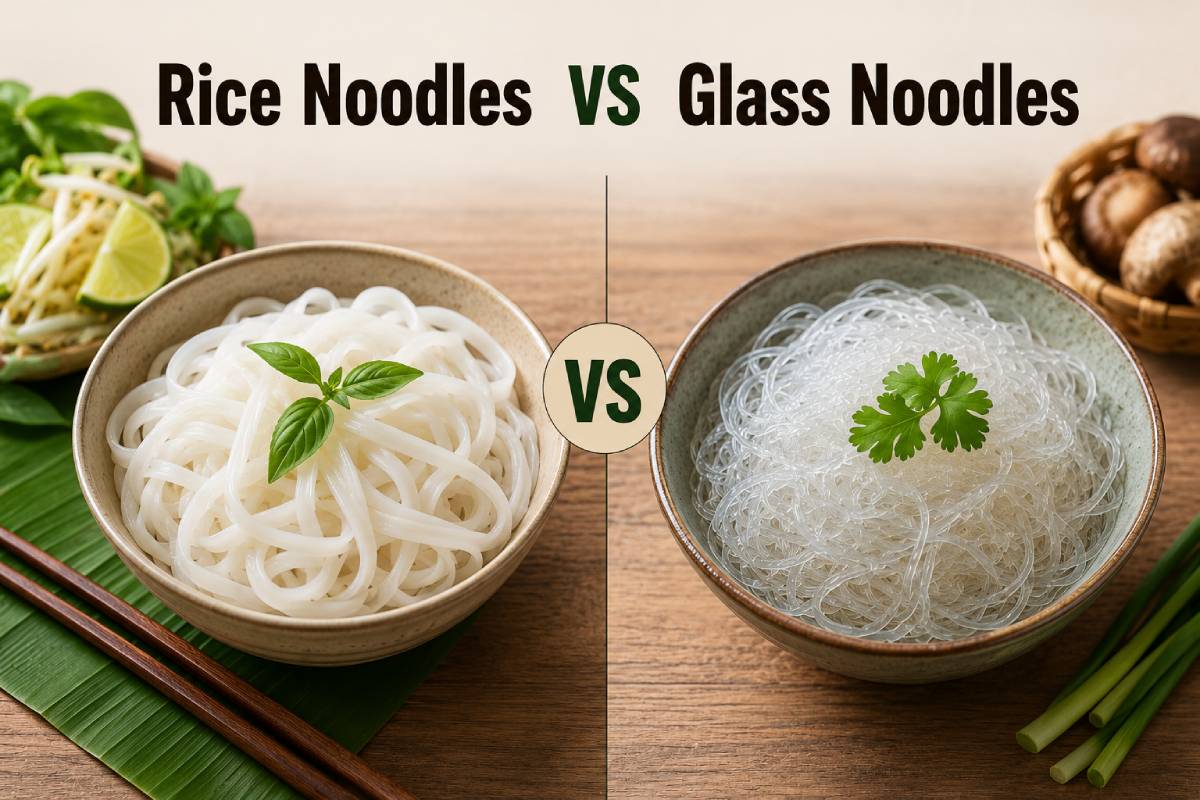
Look for very thin rice vermicelli, sometimes labeled rice sticks, rice noodles, mei fun, or bee hoon. These noodles are made primarily from rice flour and water. They are different from glass noodles, which are usually made from mung bean or sweet potato starch.
Check the package instructions because rice vermicelli brands vary. Some noodles soften after a short soak in hot water, while others require several minutes. The goal is to make them flexible but not fully soft. They will continue cooking in the wok and absorb some of the seasoning mixture.
If the noodles become completely tender during soaking, they may turn mushy when stir-fried.
Step 1: Prepare the Seasoning
Add the curry powder, soy sauce, oyster sauce, Shaoxing wine, sugar, sesame oil, white pepper, and water to a small bowl. Stir until the sugar dissolves and the ingredients are evenly combined.
Preparing the seasoning in advance is better than adding each ingredient separately to the hot pan. Rice vermicelli can absorb liquid quickly, so a premixed sauce helps distribute the flavor more evenly.
Different curry powders have different levels of heat and bitterness. A mild Chinese, Malaysian, or general-purpose curry powder is a practical choice. If your curry powder is particularly strong, begin with one tablespoon. You can increase the amount the next time you prepare the recipe.
Step 2: Soften the Rice Vermicelli
Place the dried noodles in a large bowl and cover them with warm or hot water according to the package directions. Let them soak only until they can bend without snapping.
Drain the noodles thoroughly. Leave them in a colander for several minutes so excess water can escape. You can also spread them on a clean tray or large plate. If the noodles are very long, use clean kitchen scissors to cut them once or twice. Shorter strands are easier to mix without breaking.
Do not leave the drained noodles sitting in a bowl of water. Excess moisture can steam the ingredients instead of allowing them to stir-fry.
Step 3: Prepare the Proteins and Vegetables
Pat the shrimp dry with a paper towel. Moisture on the surface can prevent proper browning. Cut the cooked pork, chicken, or turkey into thin strips.
Slice the onion, carrot, and bell pepper as evenly as possible. Thin pieces cook quickly and mix easily with the delicate noodles. Keep the garlic and green onions separate because they need less cooking time.
Crack the eggs into a small bowl and beat them with a fork. Add a tiny pinch of salt if desired.
At this point, arrange everything near the stove. Once the cooking begins, you will not have much time to chop or measure ingredients.
Step 4: Cook the Eggs
Heat a large wok or wide frying pan over medium-high heat. Add about one teaspoon of oil and pour in the beaten eggs.
Allow the eggs to set slightly before gently stirring them. Cook until they form soft pieces, but do not let them become dry or heavily browned. Transfer the eggs to a clean plate.
Cooking the eggs separately prevents them from coating the noodles and disappearing into the dish. They will be returned to the pan near the end.
Step 5: Cook the Shrimp
Add another small amount of oil to the pan. Place the shrimp in a single layer and cook for approximately one to two minutes on each side, depending on their size.
The shrimp should become opaque and lightly pink. Remove them as soon as they are cooked. Leaving them in the pan during the entire stir-fry process can make them firm and rubbery.
If you are using raw chicken instead of cooked meat, slice it thinly and cook it completely during this stage. Transfer it to the plate with the shrimp or eggs before continuing.
Step 6: Stir-Fry the Vegetables
Add the remaining oil to the hot pan. Add the sliced onion and carrot first because they require the most cooking time. Stir-fry them for about two minutes.
Add the bell pepper and continue cooking for another minute. The vegetables should begin to soften but still have some texture. Add the chopped garlic and cook for about 20 seconds, stirring constantly to prevent it from burning.
Next, add the cooked pork or other prepared meat. Stir briefly to warm it and combine it with the vegetables.
Avoid cooking the vegetables until they become completely soft. A little crispness provides a pleasant contrast to the tender noodles.
Step 7: Add the Noodles and Seasoning
Add the drained rice vermicelli to the pan. Use two spatulas, wooden spoons, or kitchen tongs to lift and turn the noodles gently. Pulling or pressing them too aggressively can break the strands.
Pour the seasoning mixture around the noodles rather than placing it all in one spot. Continue lifting and tossing until the curry color is distributed evenly.
Cook for approximately two to four minutes. The exact time will depend on how much the noodles softened during soaking. If they still seem firm and dry, add one tablespoon of water or stock around the edge of the pan. Add only a small amount at a time because too much liquid can make the noodles soggy.
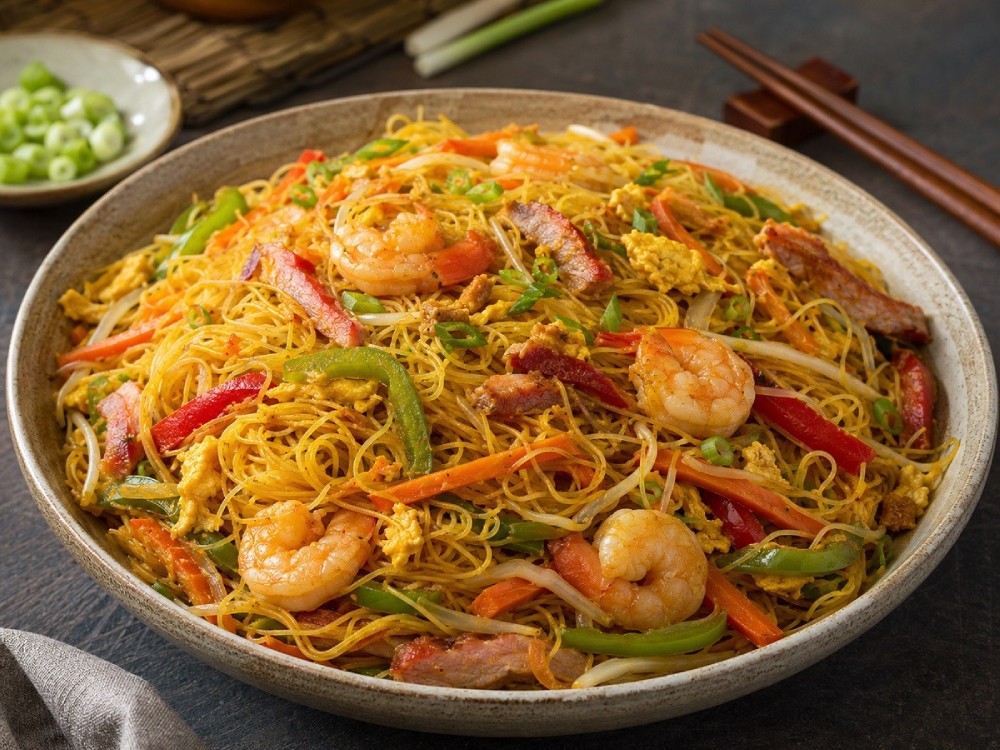
The finished noodles should be tender but still separate. Singapore rice vermicelli is generally a relatively dry stir-fry, not a saucy noodle dish.
Step 8: Return the Remaining Ingredients
Add the cooked shrimp and eggs back to the pan. Add the bean sprouts and most of the green onions.
Gently toss everything for another minute, just long enough to heat the ingredients and slightly soften the bean sprouts. Taste a small portion before adding more salt or soy sauce. Oyster sauce, soy sauce, and cooked barbecue pork may already provide enough saltiness.
Turn off the heat and scatter the remaining green onions over the noodles.
How to Prevent Sticky or Soggy Noodles
The most common problem is soaking the noodles for too long. Remember that they should still feel slightly firm before entering the pan.
Draining them well is equally important. Water trapped between the strands creates steam, which can make the finished dish wet and heavy.
Use the widest pan available. A small, overcrowded pan traps moisture and makes tossing difficult. If your pan is not large enough to hold everything comfortably, cook the recipe in two batches.
Finally, prepare the ingredients before heating the pan. If the noodles remain over the heat while you search for a sauce or chop a vegetable, they can quickly become overcooked.
Easy Variations
You do not need to use both shrimp and barbecue pork. The recipe can be made with chicken, turkey, tofu, or only vegetables. Firm tofu should be cooked separately until lightly golden before being added at the end.
For a vegetarian version, leave out the meat and shrimp. Replace oyster sauce with a vegetarian mushroom-based stir-fry sauce. Add mushrooms, snow peas, shredded cabbage, or extra bell peppers.
If you prefer more heat, add sliced fresh chili, chili oil, or a small amount of cayenne pepper. Add these carefully because curry powder may already contain spicy ingredients.
Storing and Reheating Leftovers
Allow leftovers to cool, then store them in a covered container in the refrigerator. For the best quality, eat them within two or three days.
Reheat the noodles in a frying pan over medium heat with a small splash of water. Toss gently until they are hot. The microwave can also be used, but covering the container and adding a few drops of water will help prevent the noodles from drying out.
Final Thoughts
Singapore rice vermicelli may look like a complicated restaurant dish, but its success depends on a few basic techniques: soften the noodles without overcooking them, drain them thoroughly, prepare every ingredient in advance, and stir-fry in an uncrowded pan.
Once you understand those steps, the recipe becomes highly flexible. You can change the vegetables, select your preferred protein, and adjust the curry seasoning to suit your taste. The finished dish should be colorful, lightly spiced, and full of contrasting textures, a satisfying homemade alternative to Chinese takeout.
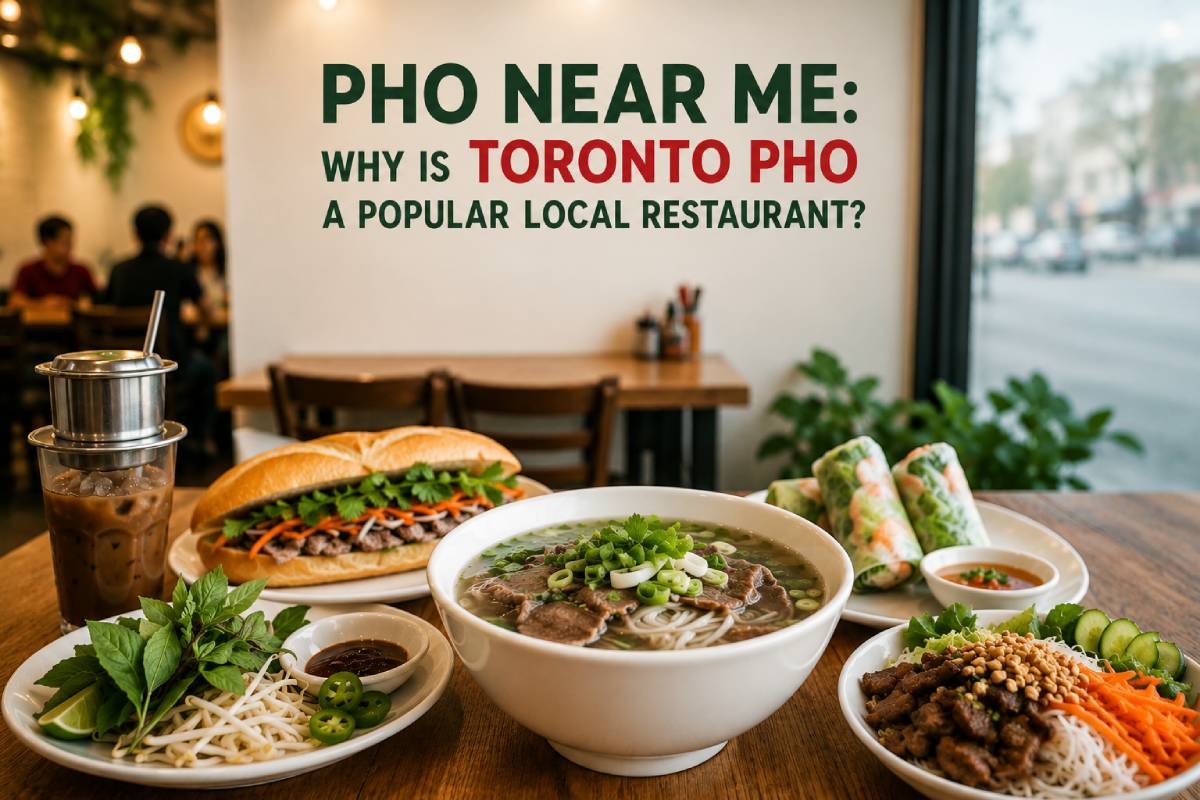
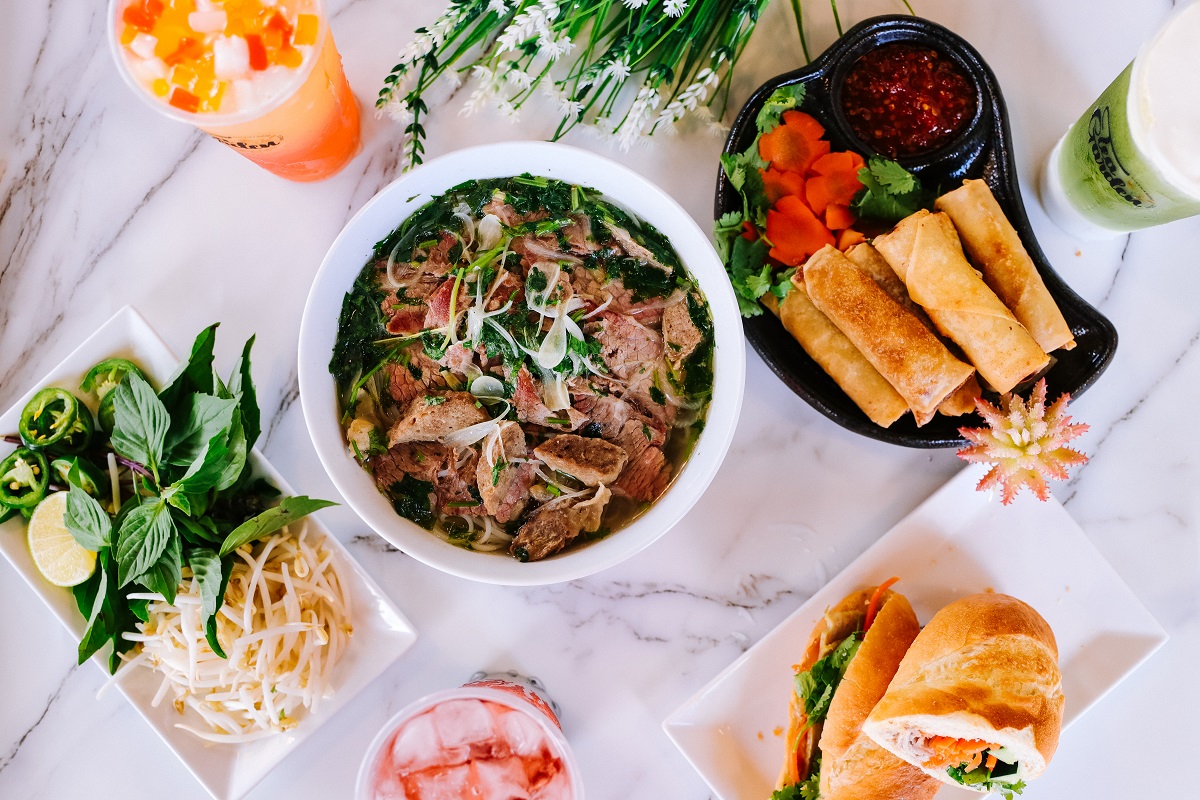
Here are some delicious food and drinks to try when ordering from PHO restaurants in Toronto:
Grilled Pork Vermicelli (Bún Thịt Nướng)
Grilled Chicken Vermicelli (Bún Gà Nướng)
Grilled Pork and Spring Roll Vermicelli (Bún Thịt Nướng Chả Giò)
Grilled Pork and Grilled Pork Stick Vermicelli (Bún Thịt Nướng Nem Nướng)