1. Pho Is Often One of the Easiest Choices
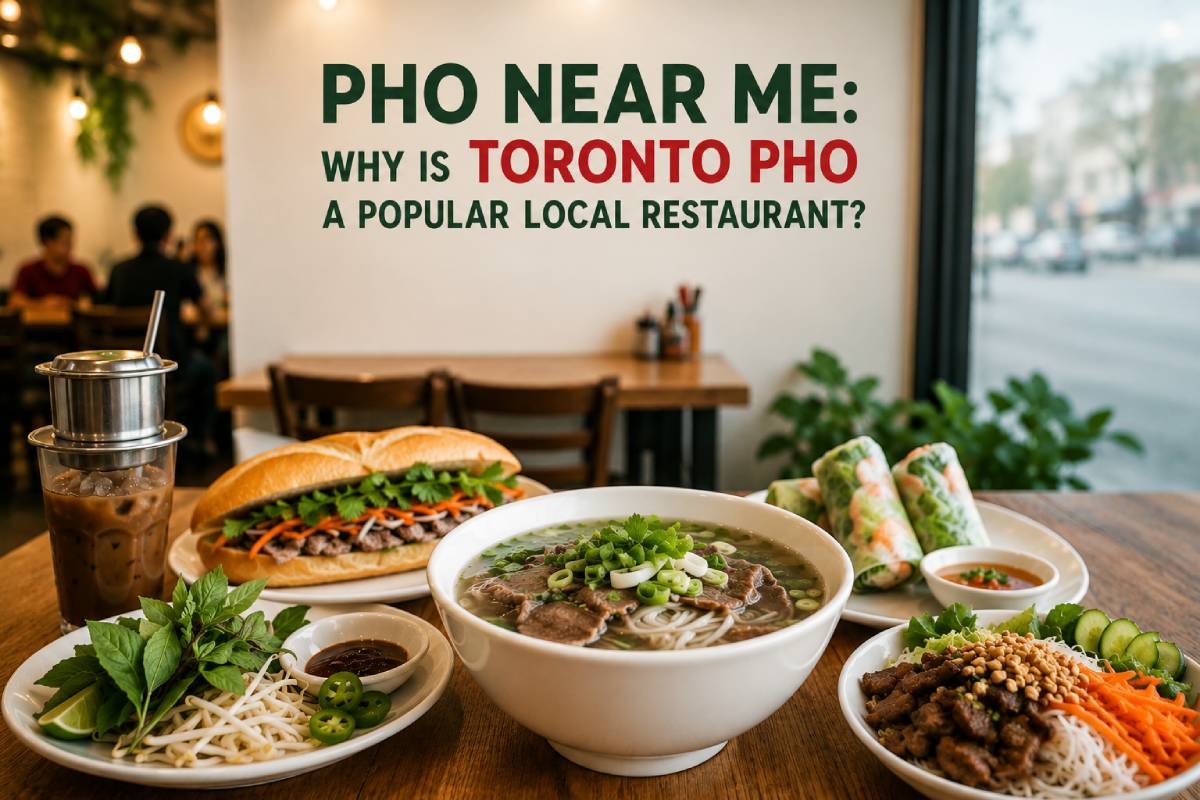
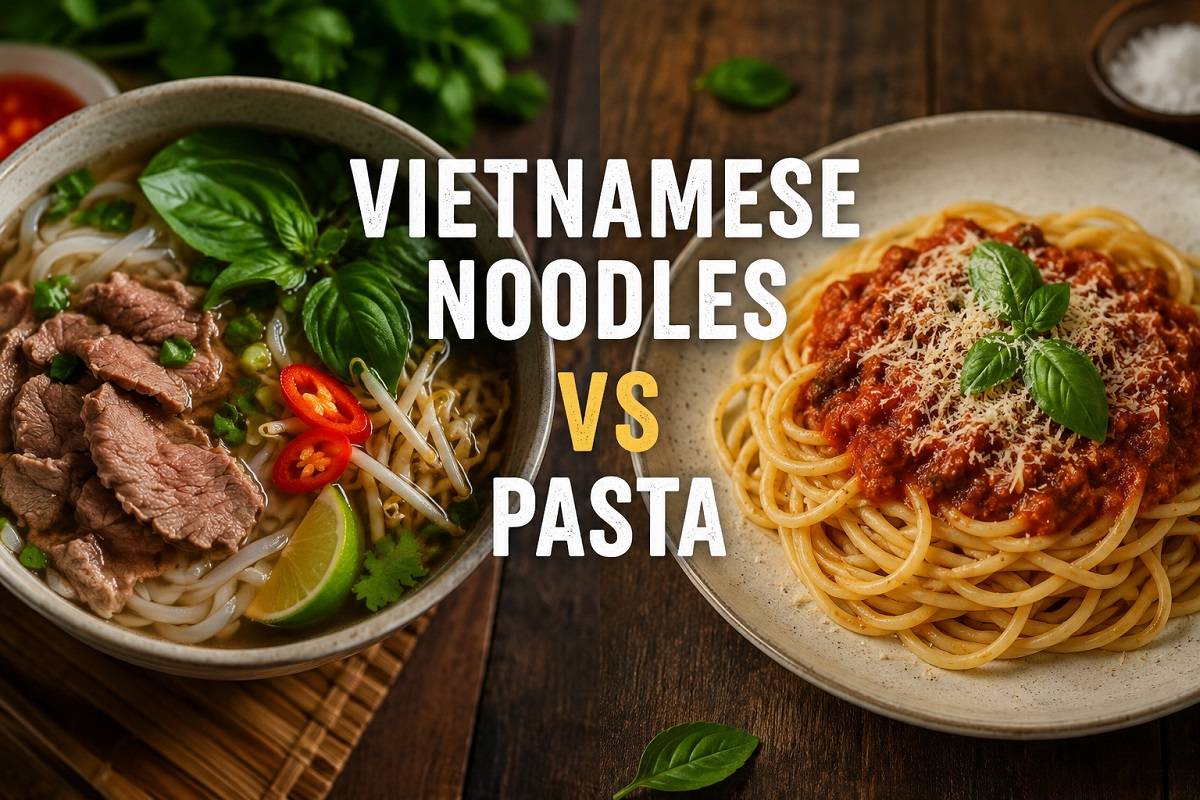
Pho is one of the most well-known Vietnamese dishes, and it can also be one of the easiest for older adults to enjoy.
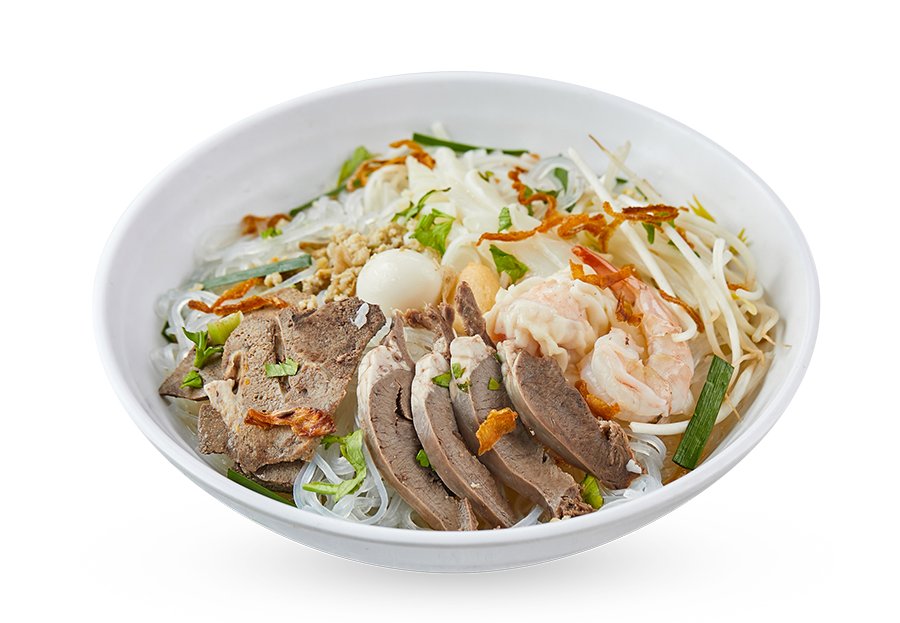
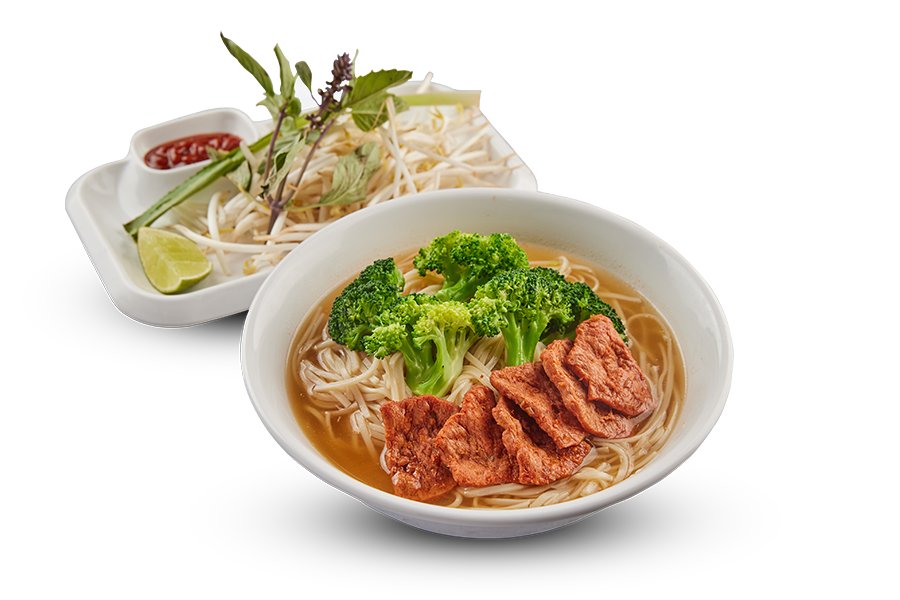
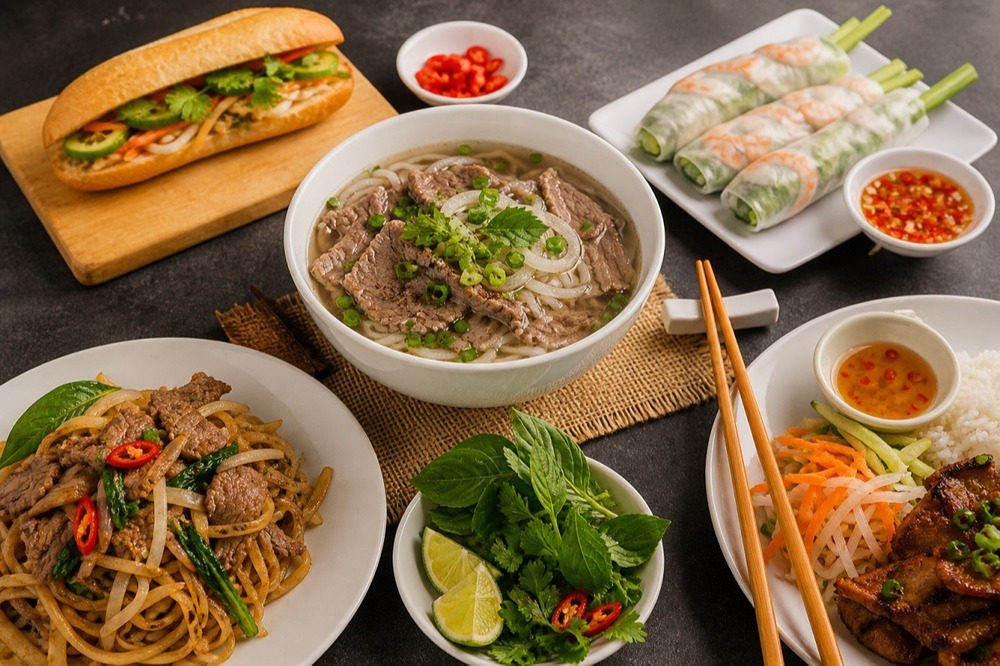
Pho usually includes:
- Warm broth
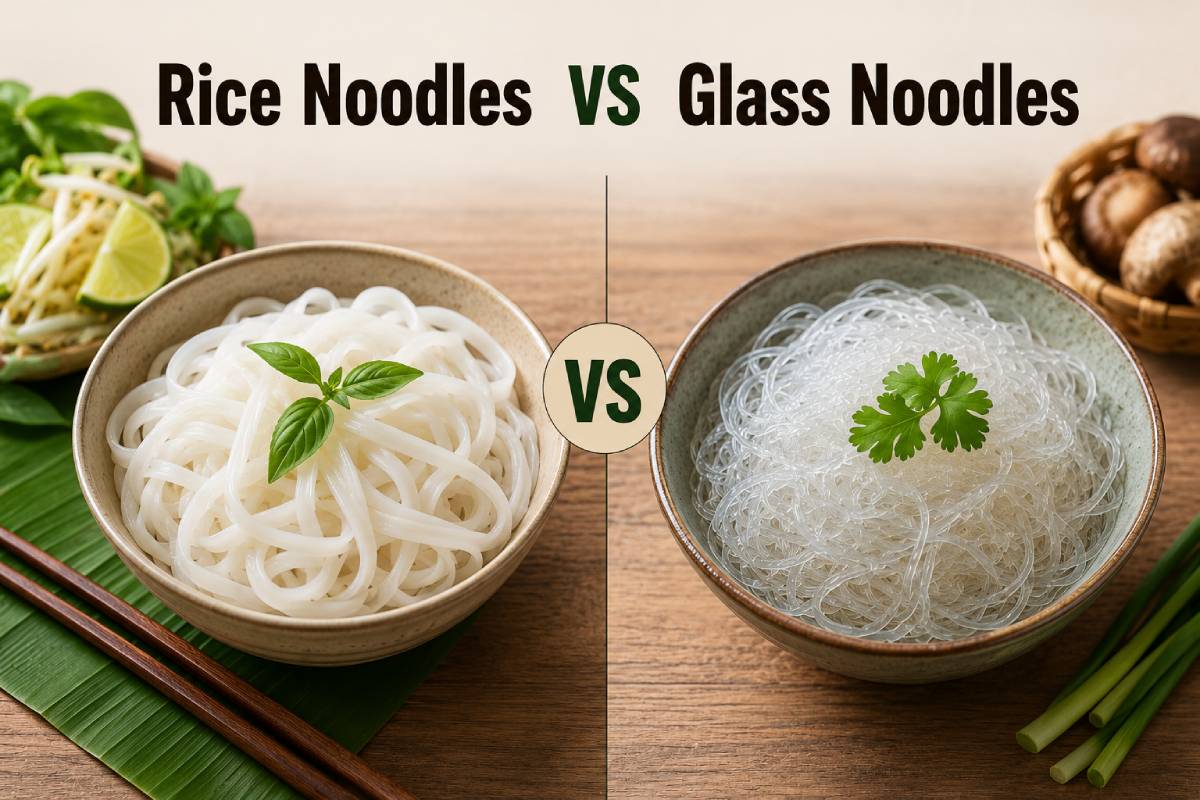
- Soft rice noodles
- Thinly sliced meat or chicken
- Herbs
- Green onions
- Optional bean sprouts, lime, or sauces
The soft noodles are generally easy to chew, especially when they have been sitting in the hot broth for a few minutes.
The broth can also make the meal feel comforting and easy to eat. For older adults who prefer warm meals or do not enjoy dry foods, soup-based dishes like pho may be more appealing.
If chewing meat is difficult, the meat can be cut into smaller pieces. Chicken pho may also be easier for some people than thicker cuts of beef.
Toppings can be adjusted as well. Someone who finds raw bean sprouts or large amounts of herbs difficult to chew can simply leave them out.
Pho is very customizable, which is one reason it works well for people with different preferences.
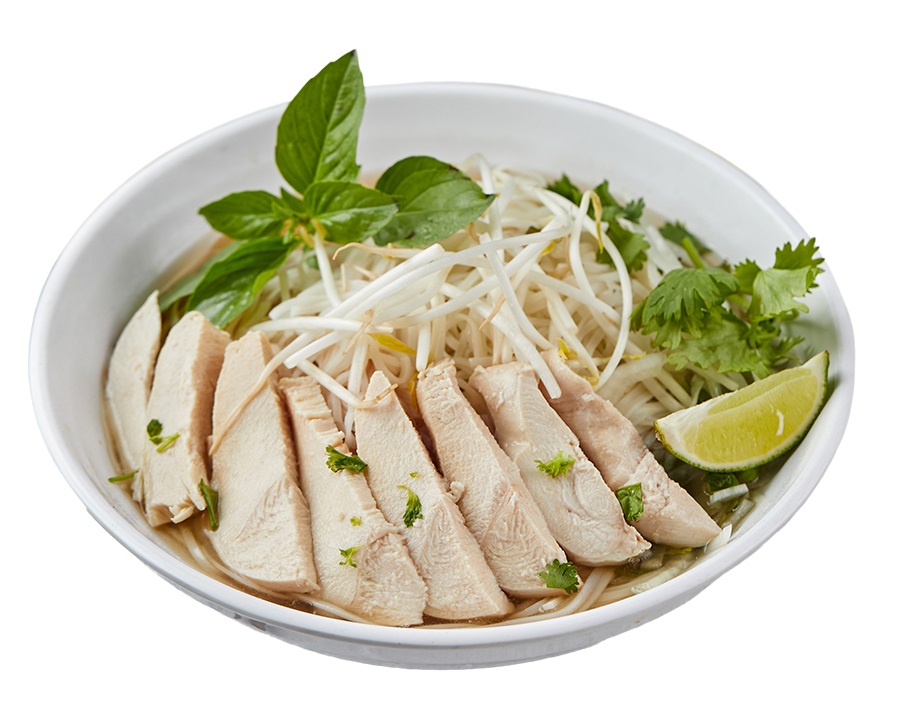
2. Chicken Pho Can Be Especially Gentle
While beef pho is popular, chicken pho, often called pho ga, may be an even easier option for some older adults.
The chicken is usually tender and can be shredded into small pieces. The broth tends to have a lighter taste, which may appeal to people who prefer less intense flavors.
Chicken pho can also be served without spicy sauces.
For someone with a smaller appetite, a small bowl of pho ga can provide noodles, protein, and broth without feeling like an overly large meal.
If sodium intake is a concern, it may be helpful to ask for less broth, choose a lower-sodium version when available, or avoid adding extra fish sauce and salty condiments.
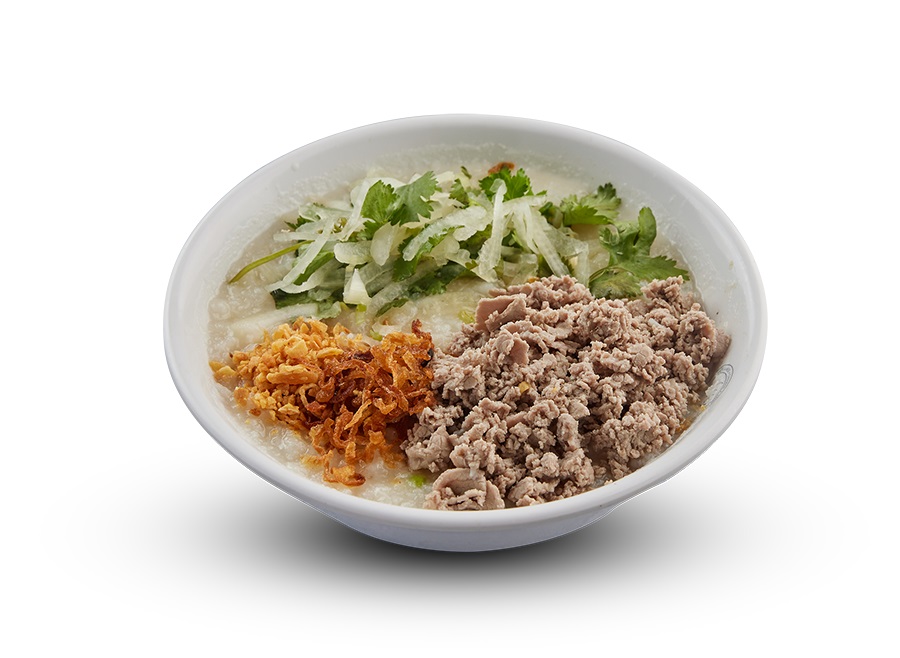
3. Congee or Vietnamese Rice Porridge Is Very Soft
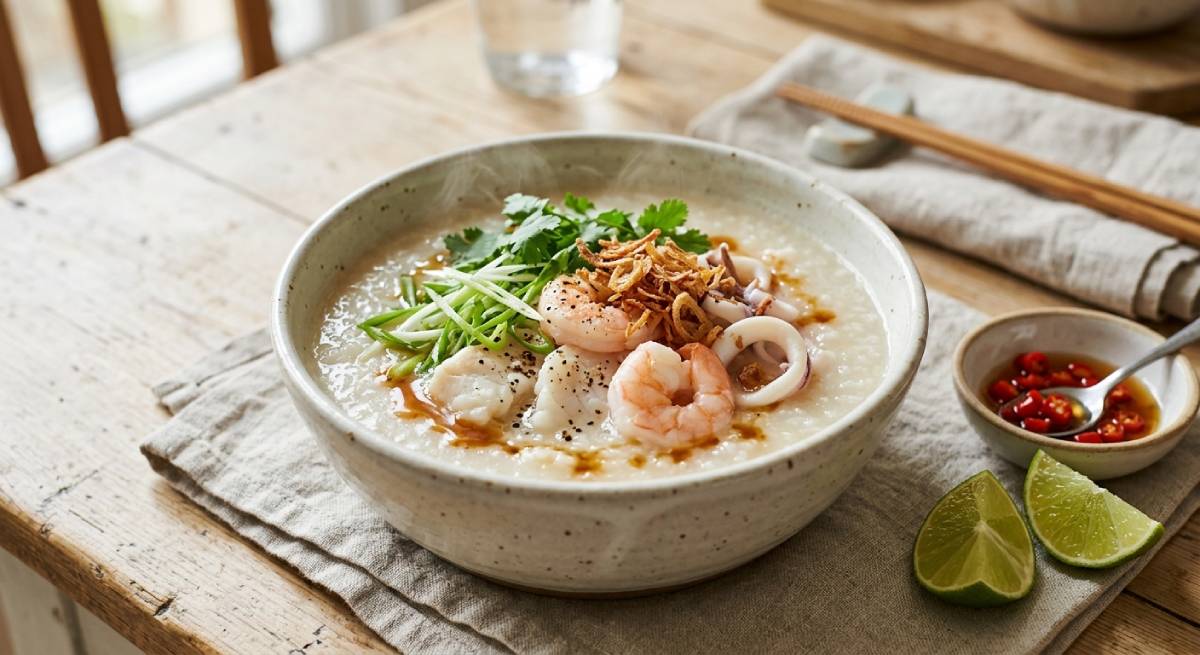
Vietnamese rice porridge, commonly known as chao, is another excellent option.
Chao is made by cooking rice with plenty of water or broth until the grains become very soft. The final texture is similar to a thick soup or porridge.
It may include:
- Chicken
- Fish
- Ground pork
- Egg
- Ginger
- Green onion
Because the rice is cooked until very soft, chao requires very little chewing.
This can make it useful for older adults who prefer softer meals due to dental sensitivity or reduced chewing strength.
The ingredients can also be adjusted easily. Meat can be shredded finely, and vegetables can be cooked until tender.
Chao is often served warm and has a simple, comforting taste. It can work well as breakfast, lunch, or dinner.
4. Soft Rice Noodle Soups Are Another Good Option
Pho is not the only Vietnamese noodle soup worth considering.
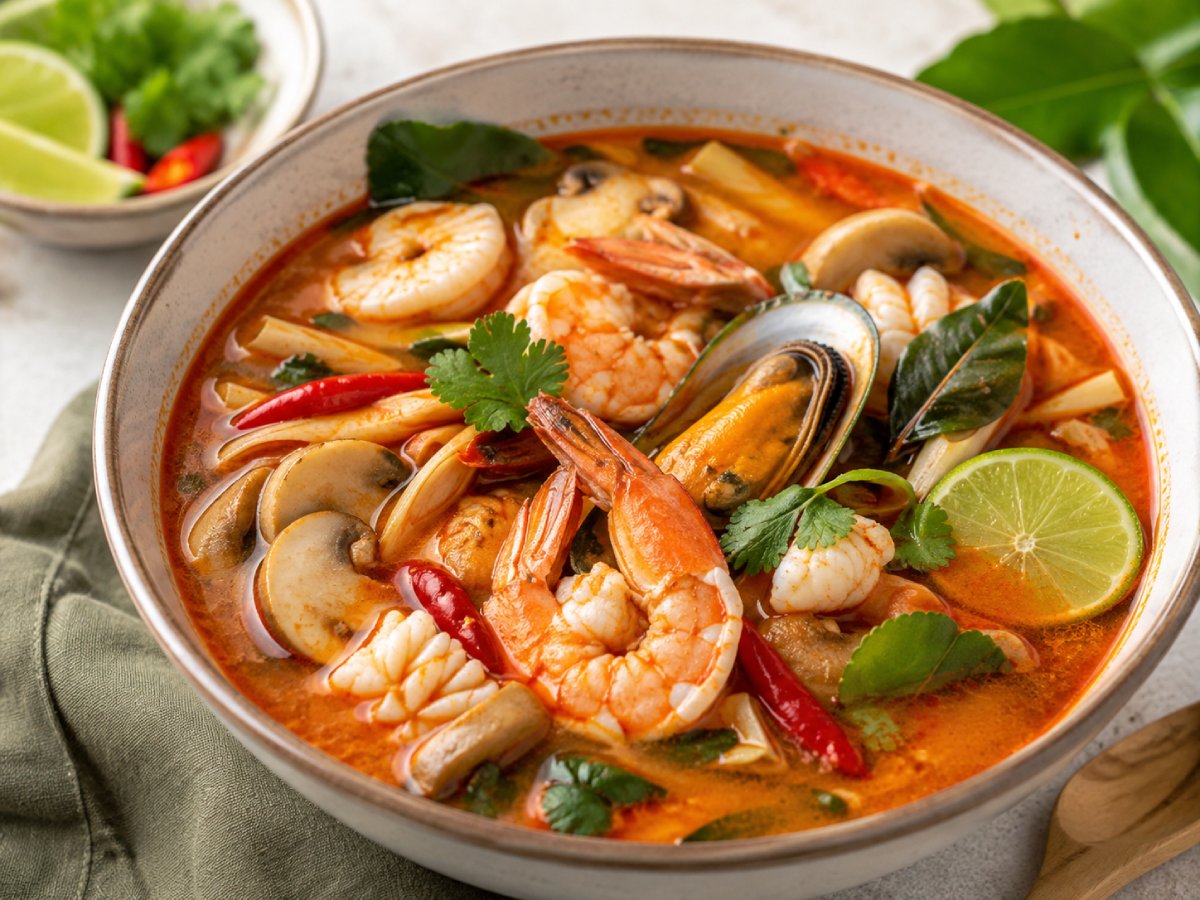
Many Vietnamese soups use rice noodles that become soft when cooked. Depending on the restaurant or region, options may include different broths, vegetables, seafood, pork, or chicken.
For older adults, the easiest versions are usually those with:
- Soft noodles
- Tender protein
- Well-cooked vegetables
- Mild broth
Very chewy meat, large pieces of seafood, or crunchy toppings may be less comfortable for some people.
When ordering, it can be helpful to ask whether meat can be sliced thinner or vegetables can be cooked more thoroughly.
5. Vietnamese Steamed Rice with Tender Chicken
A simple plate of rice with chicken can be a good choice for someone who prefers a more traditional meal rather than soup.
Vietnamese rice plates may include grilled, roasted, or poached chicken served with steamed rice.
For older adults, poached or very tender chicken is often easier to chew than meat that has been grilled until firm.
The rice can also be softened slightly with broth or sauce.
A simple combination of rice, tender chicken, and cooked vegetables can be satisfying without being too complicated.
If the dish comes with a very salty sauce, it can be served on the side so the person can control how much they use.
6. Steamed Fish Can Be Soft and Easy to Eat
Fish is another ingredient commonly found in Vietnamese meals.
When properly cooked, fish can be very soft and flaky. This can make it easier to chew than some types of beef or pork.
Steamed fish with rice is a simple option that may work well for older adults.
However, bones are important to consider. Fish with small bones may be difficult or unsafe for someone with poor eyesight, reduced hand coordination, or swallowing problems.
Boneless fish is usually the better option.
The fish can be served with rice and soft cooked vegetables for a complete meal.
7. Vietnamese Egg Dishes Can Be Easy to Chew
Eggs can also be a useful part of a soft Vietnamese-style meal.
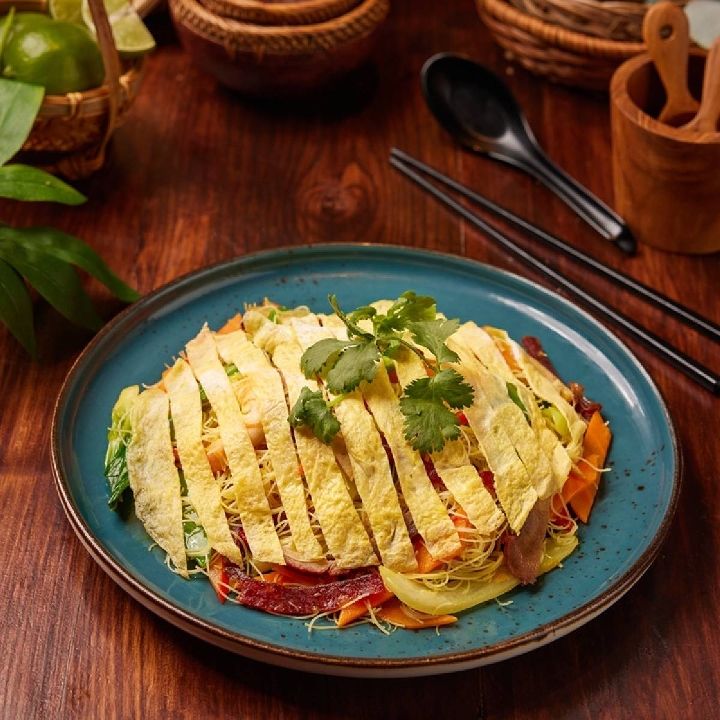
Vietnamese omelets, steamed egg dishes, or scrambled egg preparations are usually easy to chew when cooked softly.
Eggs can be combined with:
- Ground meat
- Soft vegetables
- Rice
- Mild seasonings
A soft egg dish with rice can be a practical choice for breakfast or a light lunch.
For people who find large meals tiring, smaller egg-based dishes may also be easier to finish.
8. Soft Tofu Dishes Are Worth Considering
Tofu has a soft texture and can be easier to eat than many meat dishes.
Vietnamese tofu dishes may be prepared with tomato sauce, vegetables, or light seasoning.
Soft tofu can be especially suitable for people who have difficulty chewing tough foods.
It can be eaten with rice or added to soup.
For older adults who prefer less meat, tofu can also provide variety.
The main thing to watch is how it is prepared. Deep-fried tofu has a firmer, sometimes chewy outer layer, while steamed or gently cooked tofu is much softer.
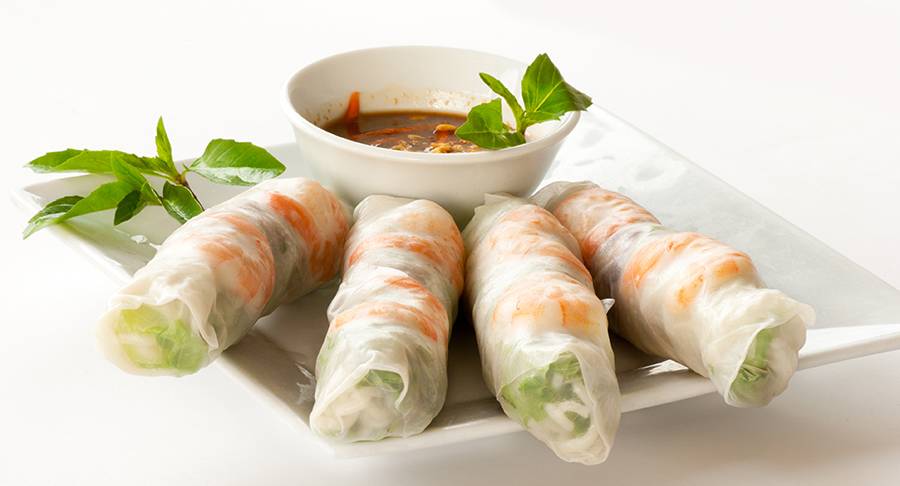
9. Fresh Spring Rolls May Work for Some Older Adults
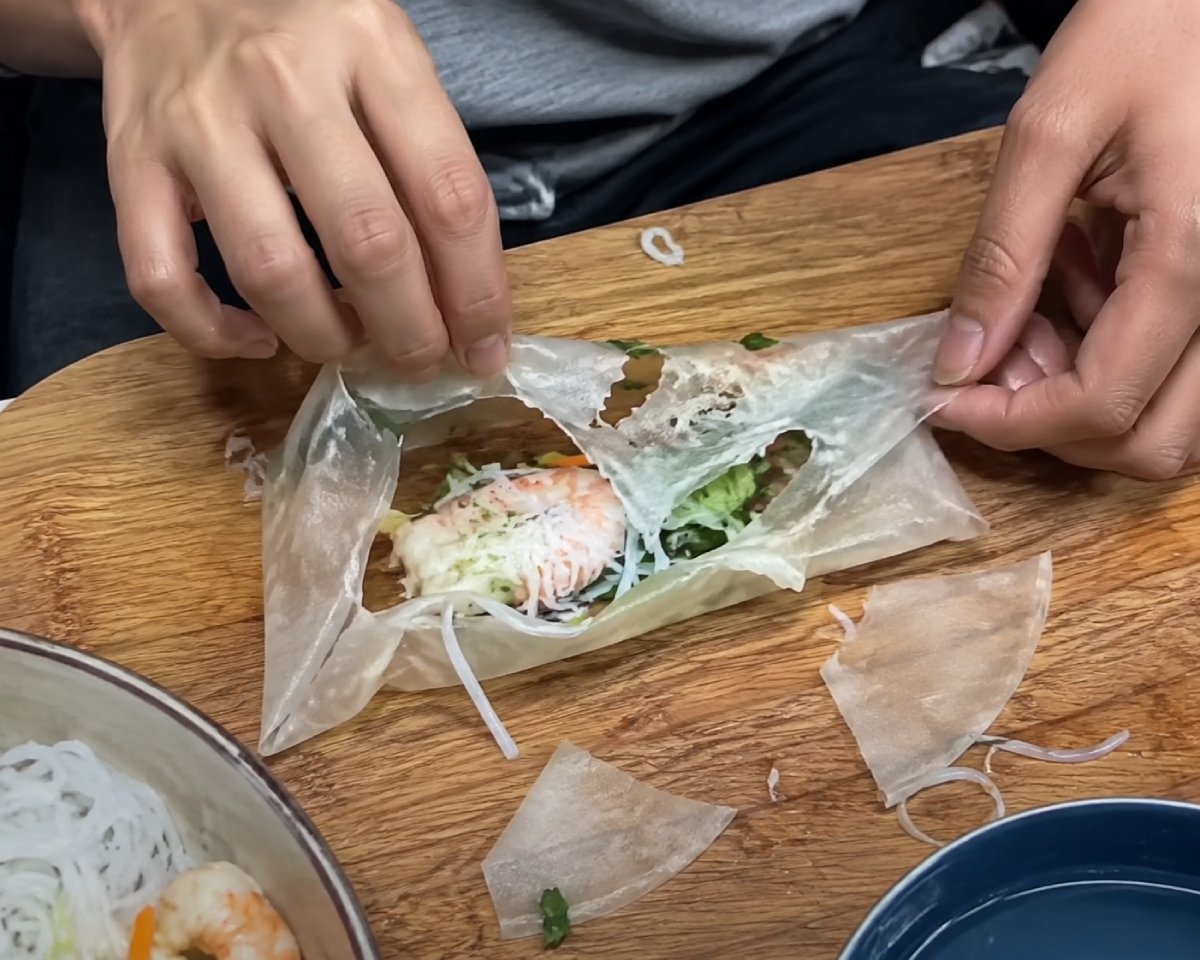
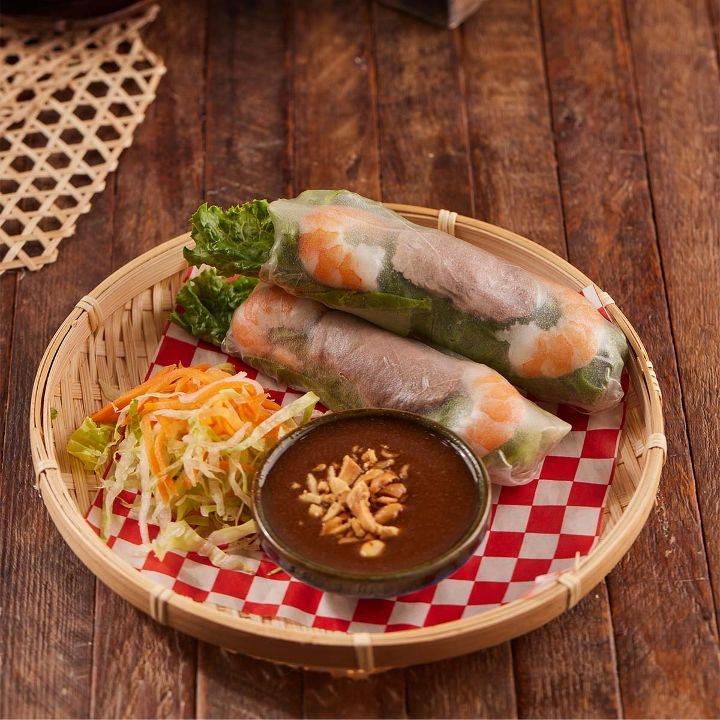
Vietnamese fresh spring rolls, or goi cuon, are popular because they are light and fresh.
They are usually made with rice paper and may contain:
- Rice noodles
- Shrimp
- Pork
- Lettuce
- Herbs
However, fresh spring rolls may not be the easiest choice for every older adult.
The rice paper can become chewy, and raw vegetables may require more chewing.
For someone with strong teeth and no chewing difficulty, fresh spring rolls can be a healthy and enjoyable appetizer.
For someone who struggles with chewing, though, noodle soups or rice porridge may be a better choice.
Spring rolls can also be cut into smaller pieces to make them easier to handle.
10. Cooked Vegetables Are Usually Easier Than Raw Vegetables
Vietnamese cuisine uses many vegetables, but their texture can vary.
Older adults who have difficulty chewing may find well-cooked vegetables easier than raw herbs, bean sprouts, or crunchy vegetables.
Good choices may include:
- Cooked carrots
- Soft bok choy
- Steamed squash
- Tender cabbage
- Cooked mushrooms
- Soft eggplant
When eating noodle soup, vegetables can be left in the hot broth longer to soften them.
This small change can make a big difference in comfort.
11. Mild Foods May Be More Comfortable
Vietnamese food can range from very mild to quite spicy.
Some older adults enjoy spicy food and have no problem with it. Others may find chili uncomfortable, especially if they experience heartburn, dry mouth, or digestive sensitivity.
Fortunately, many Vietnamese dishes do not need to be spicy.
Pho, rice porridge, rice dishes, steamed fish, and chicken soup can all be served with little or no chili.
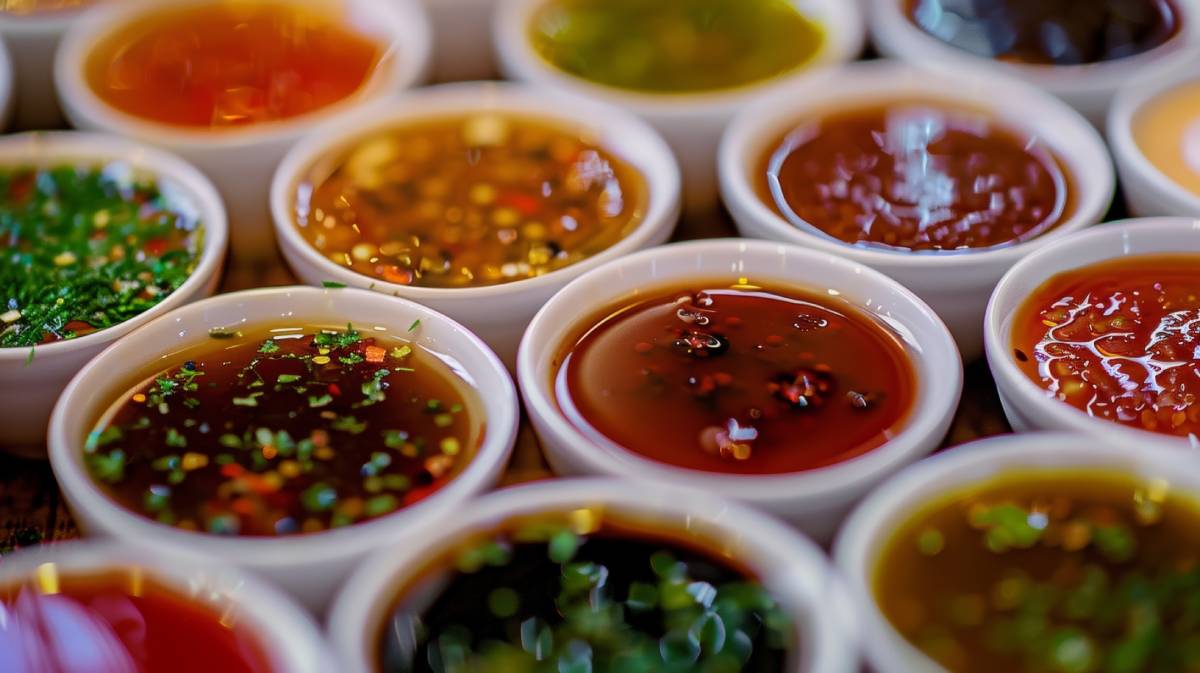
Spicy sauces are often served separately, making it easy to control the heat level.
12. Portion Size Matters Too
Older adults sometimes have smaller appetites than younger adults.
A large restaurant bowl or rice plate can feel overwhelming, even when the food itself is easy to eat.
Smaller portions may be more comfortable.
Sharing a dish, ordering a small bowl, or taking half the meal home can make Vietnamese food easier to enjoy without pressure.
Eating slowly and allowing enough time for the meal can also help.
How to Make Vietnamese Food Easier for an Older Adult
A few small adjustments can make many Vietnamese dishes easier to enjoy:
- Ask for noodles to be cooked slightly softer.
- Choose tender chicken, fish, tofu, or ground meat.
- Cut meat into small pieces.
- Request sauces on the side.
- Skip crunchy toppings if chewing is difficult.
- Allow vegetables to cook longer in soup.
- Choose boneless fish.
- Avoid excessive chili if spicy food causes discomfort.
- Order smaller portions when appetite is limited.
These changes do not completely change the dish. They simply make the texture and flavor easier to manage.
What About Someone with Swallowing Problems?
Difficulty swallowing is different from simply preferring soft food.
If an older adult coughs while eating, frequently chokes, has trouble swallowing liquids, or feels food getting stuck, they may need a medical assessment.
In that situation, ordinary soft foods may not always be appropriate.
A healthcare professional or swallowing specialist may recommend specific food textures and liquid consistencies.
It is important not to assume that soup, noodles, or porridge are automatically safe for someone with a swallowing disorder.
The Bottom Line
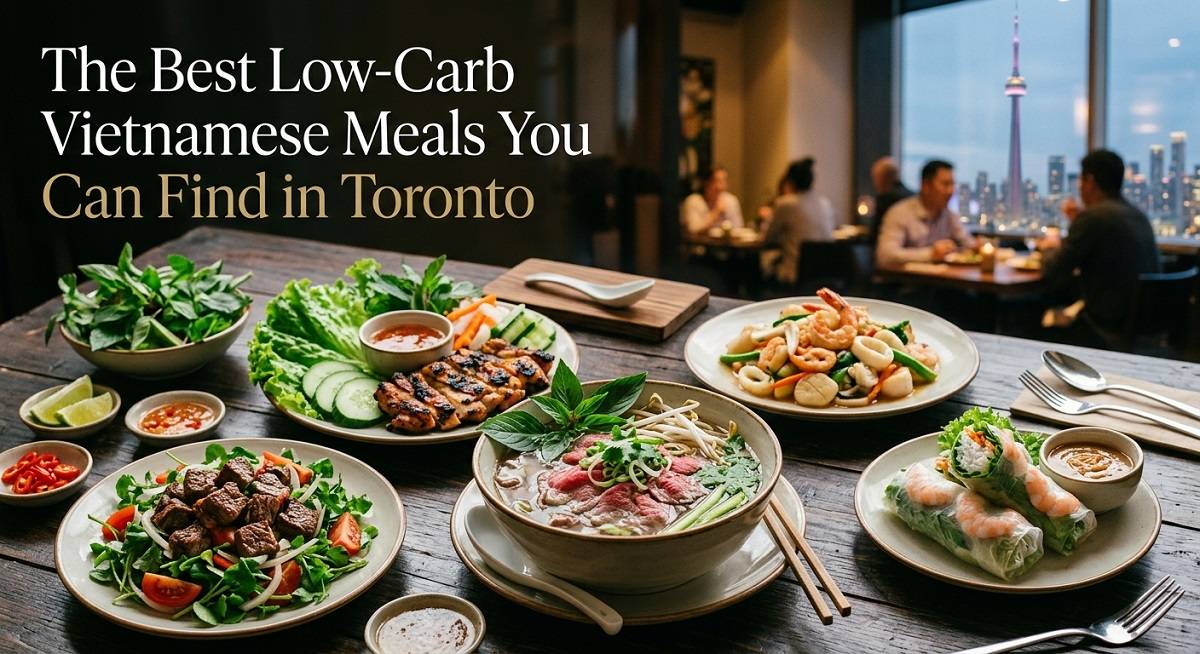
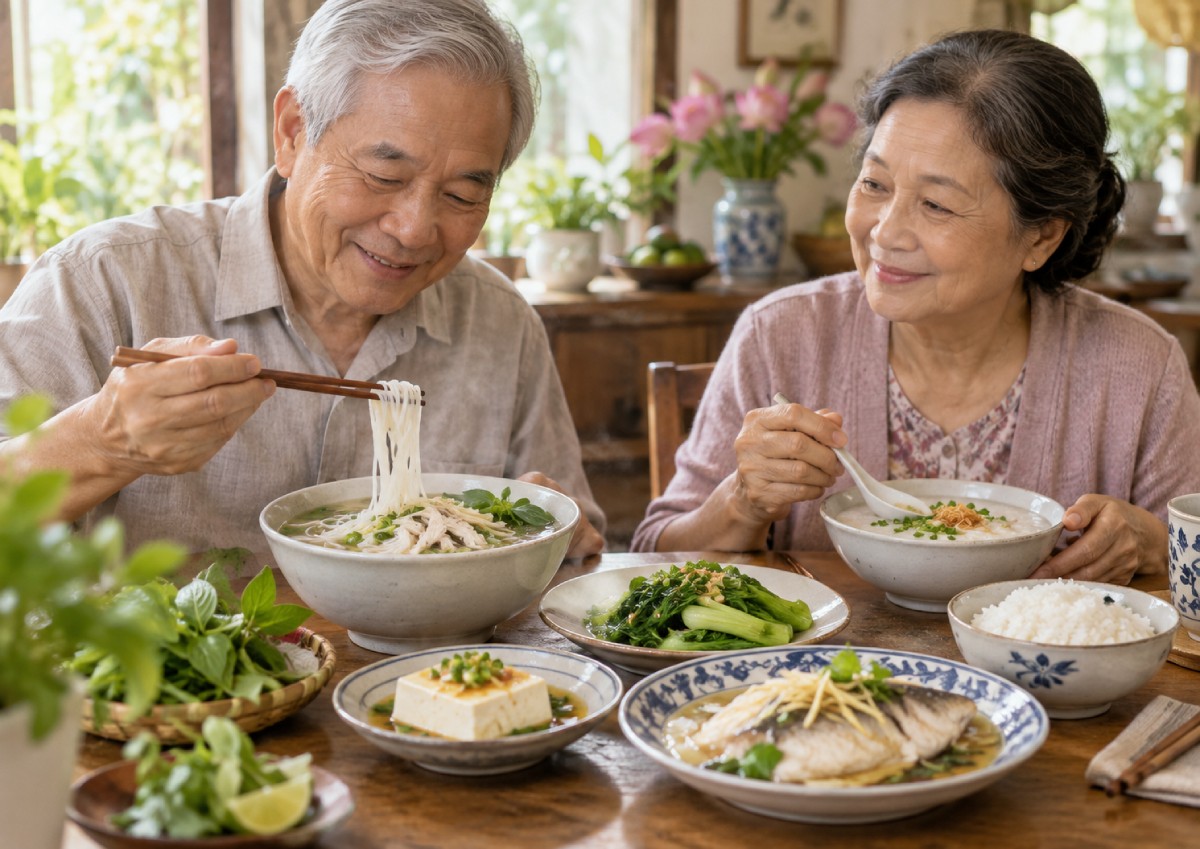
Vietnamese cuisine offers many foods that older adults can enjoy comfortably.
Some of the easiest choices include pho, chicken noodle soup, Vietnamese rice porridge, soft rice dishes, steamed fish, eggs, tofu, and well-cooked vegetables.
The key is often texture.
Soft noodles, tender protein, warm broth, and cooked vegetables can make a meal easier to chew and more enjoyable.
Vietnamese food is also highly customizable. Spicy sauces, crunchy toppings, herbs, and salty condiments can usually be added or removed depending on personal preference.
For older adults without specific medical dietary restrictions, a warm bowl of pho or chao can be a simple, comforting place to start.
And when choosing any meal for an older adult, the best option is usually one that is not only easy to eat, but also familiar, appealing, and enjoyable.