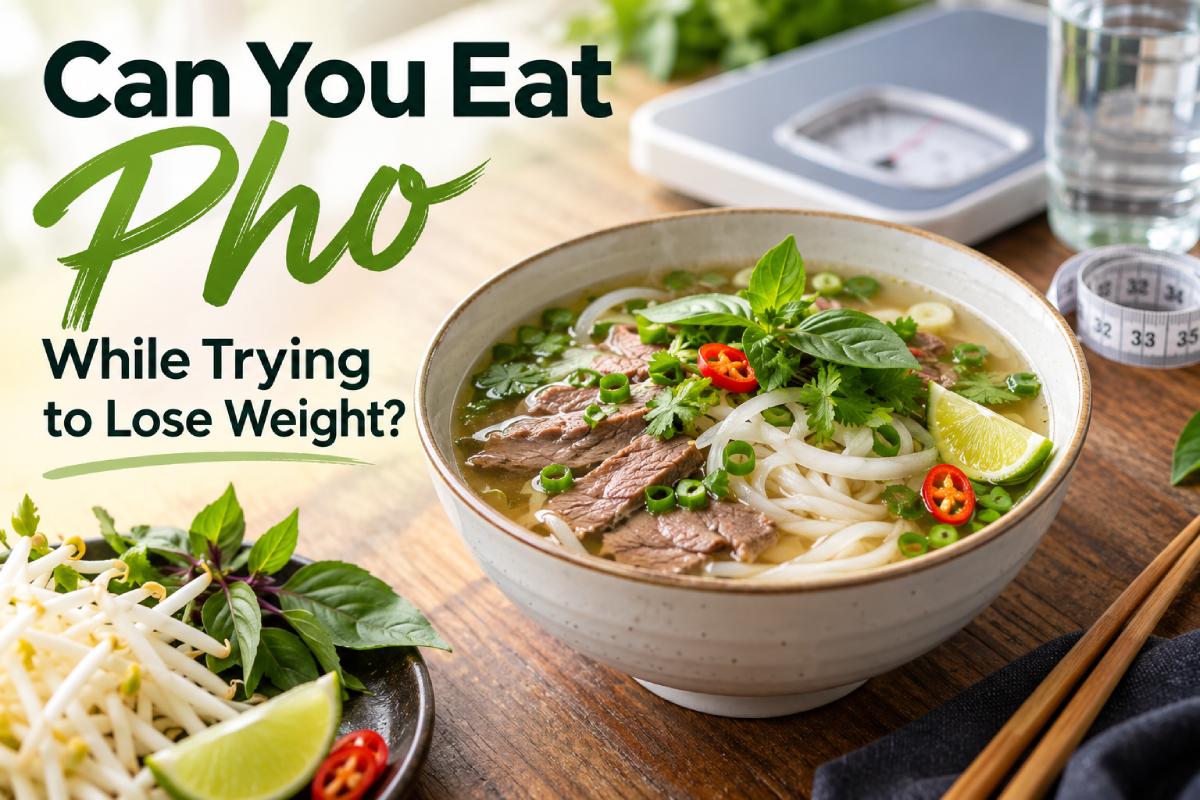
What Is Pho Made Of?
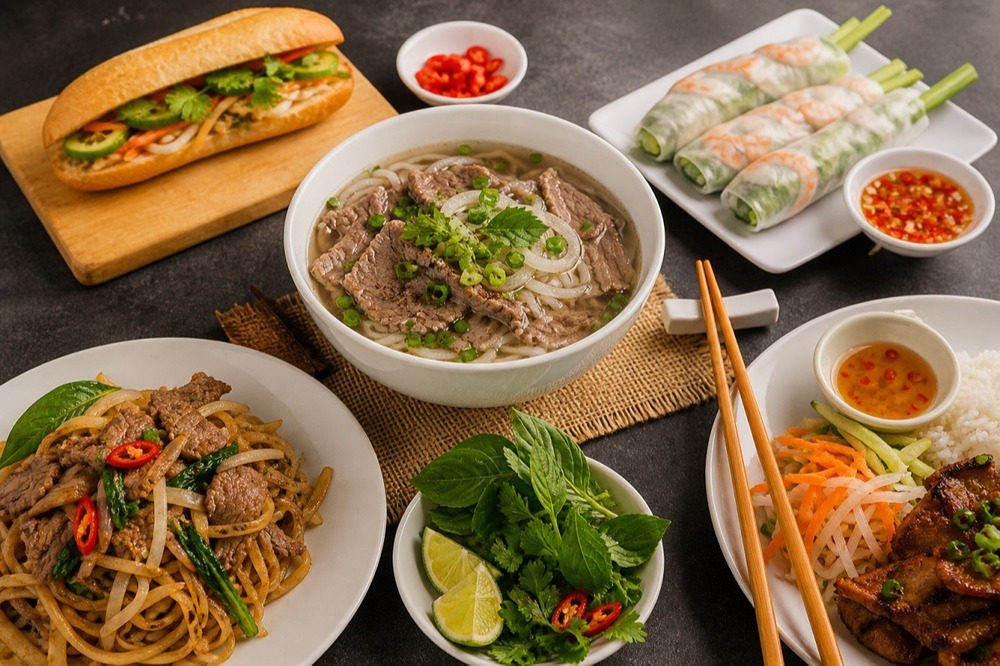
Pho is a Vietnamese noodle soup that usually includes several basic ingredients:
- Broth
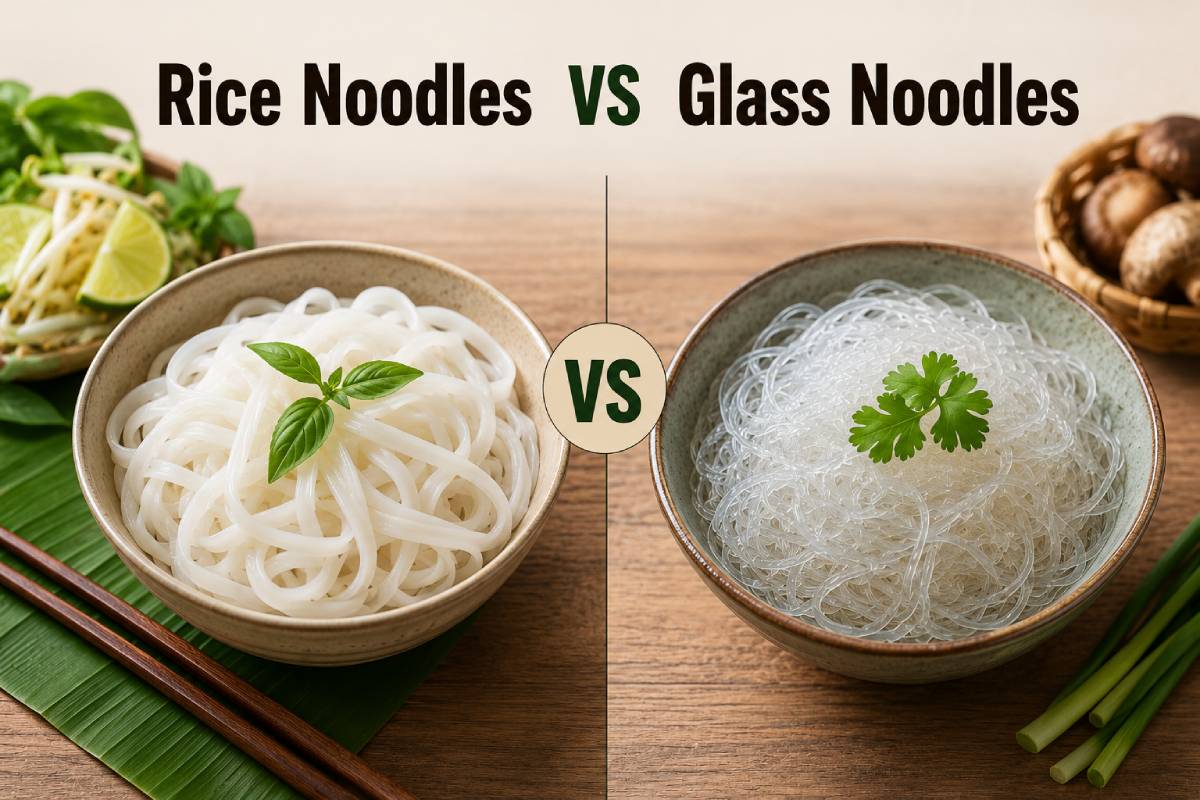
- Rice noodles
- Beef, chicken, or another protein
- Herbs
- Green onions
- Bean sprouts
- Lime
- Chili or jalapeño
- Optional sauces and toppings
Traditional pho broth is usually prepared by simmering bones, meat, spices, and aromatics for several hours.
Common spices may include cinnamon, star anise, cloves, coriander seeds, ginger, and onion.
The rice noodles provide most of the carbohydrates in the bowl, while the meat contributes protein and some fat.
Fresh herbs and vegetables add flavour without adding many calories.
This combination can make pho a balanced meal, depending on how much of each ingredient is included.
Is Pho High in Calories?
Pho is not automatically a high-calorie food.
Calories can vary significantly from one restaurant or recipe to another.
A smaller bowl with lean meat and a moderate number of noodles may be relatively light. A large restaurant bowl with fatty meat, extra noodles, rich broth, and several sauces may contain considerably more calories.
The noodle portion is one of the biggest factors.
Rice noodles are not unhealthy, but they are calorie-dense enough that large portions can quickly increase the total energy in your meal.
The meat matters too.
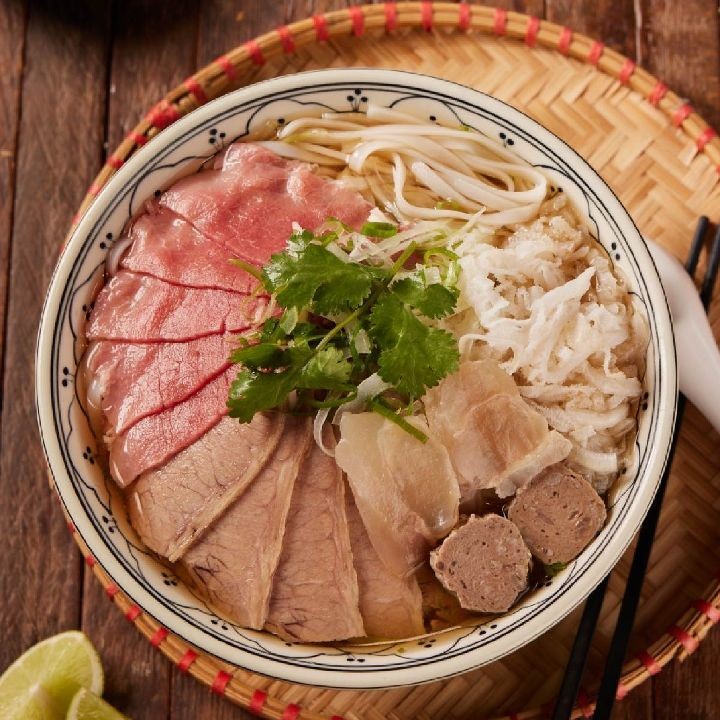
Lean cuts such as chicken breast or lean beef generally contain fewer calories than fattier cuts, brisket, tendon, or large amounts of beef fat.
Even sauces can make a difference.
A small amount of hoisin or chili sauce may not change much, but adding several large spoonfuls can contribute extra sugar, sodium, and calories.
Why Pho Can Work Well for Weight Loss
One reason pho can fit into a weight-loss plan is that it contains several foods that may help you feel satisfied.
Protein Can Help Keep You Full
Protein plays an important role in weight management.
Meals containing enough protein generally keep people feeling fuller than meals made mostly from refined carbohydrates.
Pho commonly contains:
- Beef
- Chicken
- Seafood
- Tofu
Choosing a good protein portion may help make the meal more satisfying.
If you finish a bowl of pho and feel hungry again shortly afterward, increasing the protein may be more helpful than simply increasing the noodles.
Broth Adds Volume
Pho contains a large amount of liquid.
Foods that contain more water can sometimes help you feel full because they increase the volume of the meal without necessarily adding a large number of calories.
A broth-based soup may therefore feel more filling than a smaller dry meal with the same number of calories.
However, the broth itself can still contain fat and sodium, so it is not completely calorie-free.
Herbs and Vegetables Add Flavour Without Many Calories
Pho often comes with fresh ingredients such as:
- Thai basil
- Cilantro
- Bean sprouts
- Green onions
- Lime
- Jalapeños
These ingredients can add texture, freshness, and flavour without dramatically increasing calories.
Adding more vegetables and herbs is an easy way to make your bowl feel bigger without adding large amounts of noodles.
The Biggest Weight-Loss Issue: Portion Size
One of the easiest ways to turn pho into a very large meal is simply to order a large bowl.
Restaurant portions can contain much more food than you would normally serve yourself at home.
Large bowls often mean:
- More noodles
- More meat
- More broth
- More fat
- More sodium
- More sauces
If weight loss is your goal, you do not necessarily need to avoid pho.
You may simply need a smaller portion.
Ordering a small or medium bowl is one of the simplest changes you can make.
Another option is to eat slowly and stop when you feel comfortably satisfied instead of trying to finish the entire bowl.
Should You Reduce the Noodles?
You do not need to completely remove noodles to lose weight.
Rice noodles are a normal source of carbohydrates and can be part of a healthy diet.
However, they are often one of the largest calorie sources in pho.
If you want to make your meal lighter, you could ask for:
- Slightly fewer noodles
- Extra bean sprouts
- More vegetables
- More herbs
- A little leaner protein
This can change the balance of the meal without making it feel like you are eating “diet food.”
A bowl with moderate noodles, plenty of vegetables, and enough protein may be more filling than a bowl that is mostly noodles.
Choose Leaner Protein When Possible
Pho can include many different cuts of meat.
Some are naturally leaner than others.
Options such as chicken breast or lean beef may contain less fat than fattier brisket or heavily marbled cuts.
That does not mean you can never eat higher-fat cuts.
It simply means they may add more calories to the bowl.
If you eat pho regularly while trying to lose weight, choosing leaner protein most of the time can help keep calories more manageable.
Protein also helps protect muscle mass during weight loss, especially when combined with resistance exercise.
Watch the Sauces
Pho is often served with hoisin sauce, chili sauce, fish sauce, or other condiments.
These sauces can make the bowl more flavourful, but it is easy to add more than you realize.
Hoisin sauce, for example, contains sugar and calories.
Instead of pouring a large amount directly into your broth, try using a smaller amount or dipping pieces of meat into the sauce.
Lime juice, chili peppers, fresh herbs, and jalapeños can also add plenty of flavour with very few calories.
What About Sodium?
Pho broth can contain a significant amount of sodium.
Sodium does not directly create body fat, but eating a high-sodium meal can cause your body to temporarily hold more water.
This can make the number on the scale increase for a day or two.
That temporary increase does not necessarily mean you gained fat.
Weight can naturally change from day to day because of:
- Water retention
- Sodium intake
- Carbohydrate intake
- Digestion
- Hormones
- Hydration
If you eat pho and notice the scale is slightly higher the next morning, there is no need to panic.
One meal rarely determines long-term progress.
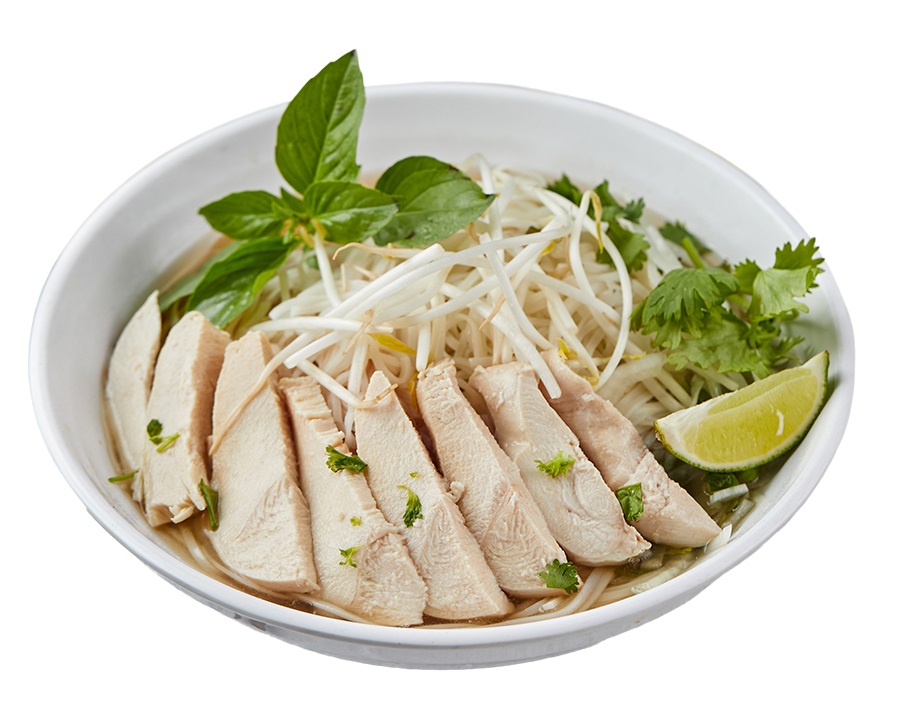
Is Chicken Pho Better for Weight Loss?
Chicken pho can be a good option, especially when it is made with lean chicken.
Chicken breast is relatively high in protein and lower in fat than many fattier beef cuts.
However, chicken pho is not automatically lower in calories.
The total meal still depends on:
- Bowl size
- Amount of noodles
- Skin on the chicken
- Broth preparation
- Sauces
- Extra toppings
A large chicken pho can still contain more calories than a smaller beef pho.
The overall portion matters more than simply choosing chicken instead of beef.
What About Beef Pho?
Beef pho can also fit into a weight-loss diet.
Beef provides protein, iron, vitamin B12, and other nutrients.
The main difference is that certain cuts of beef contain more fat.
If you want a lighter bowl, you may prefer lean beef cuts and avoid excessive amounts of fatty meat.
You can also ask for a mixture of lean meat and vegetables rather than ordering extra noodles.
Can You Eat Pho After a Workout?
Pho can be a useful post-workout meal because it provides both carbohydrates and protein.
The noodles provide carbohydrates that can help replenish energy stores, while the meat provides protein to support muscle recovery.
The broth can also contribute fluids.
If you are trying to lose weight, however, the same rule still applies: total calorie intake matters.
Exercise does not automatically mean you need an extremely large meal afterward.
A moderate serving of pho with enough protein can work well after physical activity.
How to Order Pho for Weight Loss
You do not need to make your meal complicated.
A few simple choices can make a significant difference.
Try these strategies:
- Choose a small or medium bowl.
- Pick lean chicken or beef when available.
- Ask for slightly fewer noodles.
- Add extra bean sprouts and herbs.
- Use sauces lightly.
- Eat slowly.
- Stop when you feel satisfied.
- Avoid adding fried side dishes unless you truly want them.
You do not have to follow every suggestion.
Even changing one or two things can reduce the overall calorie content of your meal.
Do You Need to Avoid Pho Broth?
Usually, no.
The broth is one of the main parts of pho and contributes a lot of its flavour.
However, some broths contain more fat than others.
You may sometimes notice a visible layer of oil on top.
You can still enjoy the broth, but you do not necessarily need to drink every last drop.
If you are watching sodium, leaving some broth behind can also reduce how much sodium you consume.
Pho Is Only One Part of Your Diet
No single food causes or prevents weight loss.
Weight loss generally happens when your body uses more energy than you consume over time.
That means your overall eating pattern matters much more than one bowl of pho.
You could eat pho several times a week and still lose weight if your total diet supports your calorie needs.
You could also gain weight while eating foods labelled “healthy” if your total calorie intake is consistently too high.
Instead of asking whether pho is a “good” or “bad” food, it may be more helpful to ask:
How does this meal fit into the rest of my day?
That approach is usually more realistic and sustainable.
You Do Not Need a Perfect Pho Bowl
Weight loss does not require perfection.
Sometimes you may want the large bowl.
Sometimes you may want extra noodles.
Sometimes you may want hoisin sauce.
That is completely compatible with a balanced eating pattern.
The goal is not to turn every meal into the lowest-calorie version possible.
The goal is to create eating habits you can maintain.
If pho is one of your favourite meals, learning how to include it sensibly may be much easier than removing it from your diet completely.
The Bottom Line
Yes, you can eat pho while trying to lose weight.
Pho can provide protein, carbohydrates, fluids, vegetables, herbs, and a satisfying meal. The biggest factors to watch are usually portion size, noodle quantity, fatty meats, sauces, and extra sides.
A smaller bowl with lean protein, moderate noodles, and plenty of herbs and vegetables can fit comfortably into many weight-loss plans.
Most importantly, remember that one meal does not determine your progress.
Weight loss is based on your overall habits over time.
So, if you enjoy pho, you do not necessarily need to give it up.
A few thoughtful choices can allow you to enjoy your bowl while still moving toward your goals.
Here are some delicious food and drinks to try when ordering from PHO restaurants in Toronto:
Rare Beef and Well Done Beef (Phở Tái Nạm)
Rare Beef and Beef Ball (Phở Tái, Bò Viên)
Rare Beef and Tripe (Phở Tái Sách)
Rare Beef and Tendon (Phở Tái Gân)
Well Done Beef and Beef Ball (Phở Nạm, Bò Viên)
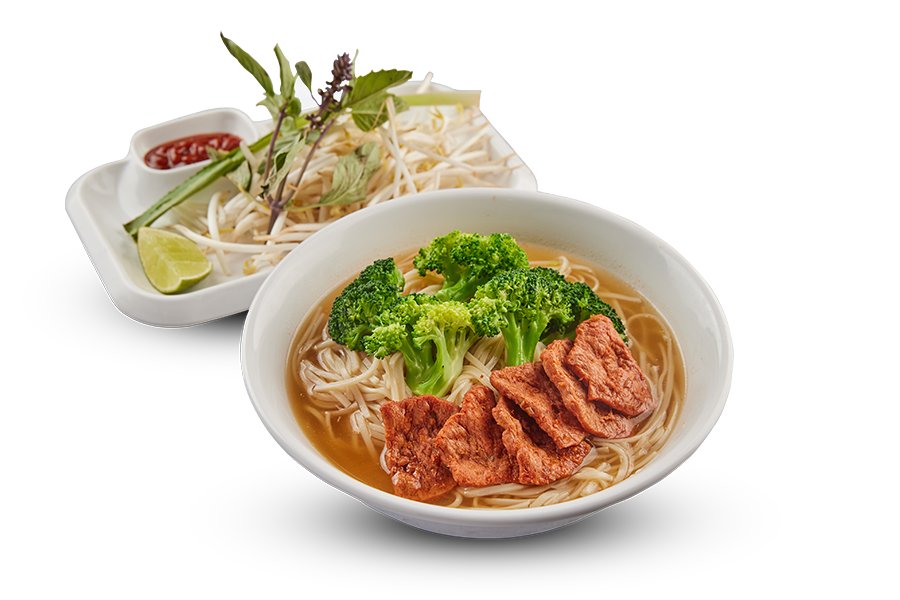
Rice Noodle Soup with Vegetable and Tofu. (Phở CHAY)
Chicken Noodle Soup (Phờ Gà CHAY)