Why Do Some Seniors Have Less Appetite?
A smaller appetite is common among older adults, but the reasons aren't always the same.
As people age, their sense of taste and smell may change. Foods that once smelled wonderful might not seem as appealing anymore.
Other factors can affect eating habits, too.
For example, some seniors experience:
- Difficulty chewing tougher foods
- Changes in digestion
- Medication-related changes in taste or appetite
- Lower activity levels
- Fatigue when preparing meals
- Loneliness during mealtimes
According to Health Canada's guidance on healthy eating for seniors, changes in appetite, chewing, swallowing, and daily routines can make nutritious eating more challenging.
However, eating less doesn't necessarily mean needing fewer nutrients.
Protein, vitamins, minerals, and sufficient energy remain important for maintaining strength and supporting everyday activities.
That's why choosing foods that are both appealing and nutritious matters.
What Makes Chicken Pho Different From Other Soups?
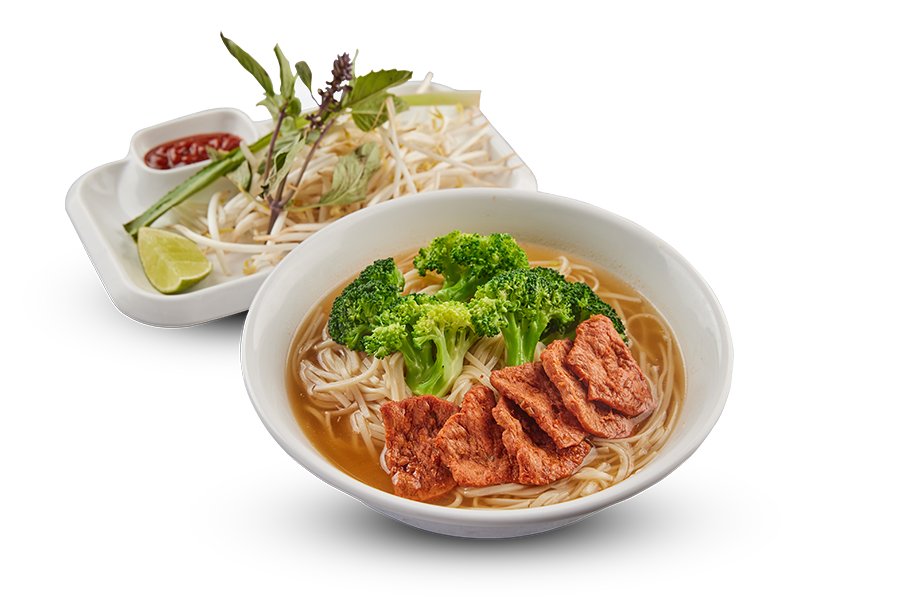
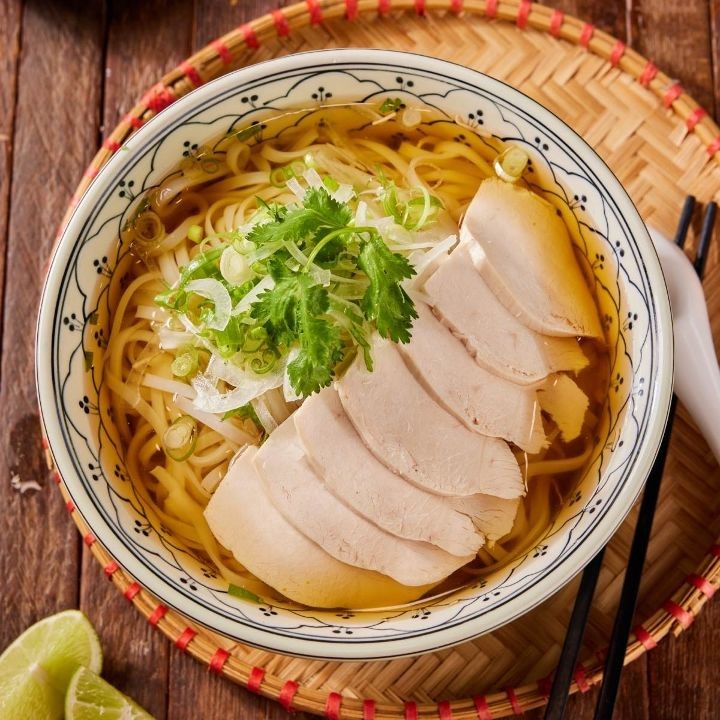
Chicken pho, also called pho ga, is a Vietnamese soup traditionally made with chicken broth, rice noodles, chicken, and aromatic ingredients.
A typical bowl contains several components.
Chicken broth: The broth provides warmth, flavour, and fluid. It is often prepared using ingredients such as ginger, onion, and spices.
Rice noodles: These soft noodles provide carbohydrates, which the body uses for energy.
Chicken: Chicken adds protein, an important nutrient for maintaining muscle mass.
Herbs and vegetables: Ingredients such as green onions, cilantro, and bean sprouts add flavour, texture, and variety.
Unlike a thick cream-based soup, chicken pho usually has a clear broth and separate ingredients.
This allows diners to adjust how much broth, chicken, and noodles they eat.
For someone with a smaller appetite, that flexibility can be especially useful.
5 Reasons Chicken Pho May Work Well for Seniors With Smaller Appetites
1. Warm Broth Can Make a Meal More Appealing
Imagine sitting down to a large plate of food when you aren't particularly hungry.
Even before taking a bite, the portion might feel overwhelming.
A warm bowl of chicken pho offers a different experience.
Its fragrant broth, often seasoned with ginger and other aromatics, may make the meal more inviting.
The warmth and aroma can be pleasant for someone who finds ordinary meals uninteresting.
This doesn't mean chicken pho will automatically increase appetite. However, an enjoyable smell and flavour can make eating more appealing.
For some seniors, beginning with a few spoonfuls of broth may feel easier than starting with a large solid meal.
2. Tender Chicken Provides Important Protein
Protein becomes particularly important as people age.
It helps maintain muscles and supports the body's normal repair processes.
When seniors eat smaller portions, they may struggle to consume enough protein throughout the day.
Chicken pho offers a convenient source through its chicken pieces.
For an older adult who has difficulty chewing, finely shredded, thoroughly cooked chicken may be easier to manage than a large piece of meat.
However, broth alone generally doesn't provide the same amount of protein as eating the chicken itself.
If a senior eats only the broth and leaves the meat behind, the meal may contribute less protein than expected.
A practical approach is to serve a smaller bowl containing a reasonable amount of tender chicken rather than a large bowl filled mostly with noodles.

3. Soft Rice Noodles May Be Easier to Chew
Some seniors avoid certain foods because chewing becomes uncomfortable.
Dental problems, dentures, or sensitive gums can make tougher foods less appealing.
Rice noodles, when properly cooked, have a soft texture.
They don't require the same chewing effort as crunchy vegetables or tougher cuts of meat.
Their mild flavour also combines naturally with chicken broth.
For seniors who prefer softer foods, chicken pho may be more comfortable to eat than a meal containing hard or chewy ingredients.
However, people with swallowing difficulties need special consideration. Soft noodles and thin liquids aren't automatically safe for someone with dysphagia.
If coughing, choking, or swallowing difficulties occur, a healthcare professional should assess which textures are appropriate.
4. The Broth Contributes to Fluid Intake
Staying hydrated is another important consideration for older adults.
Some seniors don't feel thirsty as frequently as they once did.
Others simply forget to drink water regularly.
Because chicken pho contains a substantial amount of broth, it can contribute to daily fluid intake.
Health Canada includes lower-sodium soups among foods that can support hydration.
However, restaurant pho broth may contain considerable sodium, depending on how it's prepared.
Seniors who have been advised to limit sodium should pay attention to the broth and avoid automatically adding extra fish sauce or other salty seasonings.
Pho can contribute to hydration, but it shouldn't replace regular water intake.
5. Portion Sizes Can Be Easily Adjusted
One of the most practical advantages of chicken pho is its flexibility.
A large restaurant serving may be too much for someone with a small appetite.
Fortunately, there is no requirement to finish an entire bowl.
A senior might begin with a small serving containing chicken, a modest number of noodles, and some broth.
If they're still hungry afterward, they can have more.
This approach avoids making mealtime feel like a challenge.
It also follows general nutrition advice encouraging smaller, more frequent meals for older adults who struggle with appetite.
Is Chicken Pho Nutritious Enough to Be a Complete Meal?
Chicken pho can provide several useful nutrients, but its nutritional value depends on the recipe and portion.
A bowl containing a good amount of chicken, rice noodles, broth, and vegetables offers protein, carbohydrates, fluid, and some micronutrients.
However, not every bowl has the same nutritional balance.
For example, a serving with mostly broth and noodles may provide less protein than a chicken-rich version.
Pho also isn't necessarily high in fibre, calcium, or all nutrient seniors need.
That's why variety throughout the day remains important.
A senior who enjoys chicken pho for lunch might have yogurt, fruit, eggs, vegetables, or other nutritious foods at different meals and snacks.
The goal isn't to make one dish provide everything.
It's to make eating regularly more manageable while maintaining an overall balanced diet.
How Can You Make Chicken Pho Better for an Older Adult?
A few simple adjustments can make chicken pho more suitable for someone with a reduced appetite.
Choose a Smaller Portion
Instead of serving a large restaurant bowl, begin with a manageable amount.
A smaller portion may feel less intimidating, especially for someone who gets full quickly.
Include Enough Chicken
Make sure the meal contains chicken rather than relying primarily on broth and noodles.
For seniors with limited appetite, prioritizing protein-rich foods can help them get more nutrition from smaller servings.
Adjust the Noodle Texture
Softer noodles may be preferable for someone who finds firmer foods difficult to chew.
They can also be cut into shorter pieces if that makes eating more comfortable.
Be Mindful of Sodium
Consider requesting less salty broth when possible, and limit additional salty sauces.
People managing kidney disease, heart failure, or other conditions may need individualized dietary guidance.
Keep Strong Toppings Optional
Chili sauce, raw bean sprouts, and other garnishes aren't essential.
Some seniors may prefer a milder flavour or softer, cooked vegetables.
Others may enjoy herbs and lime because they make the soup more interesting.
Personal preference should guide the final bowl.
When Might Chicken Pho Not Be the Best Choice?
Although chicken pho can be a reasonable meal option, it won't suit everyone.
For seniors with swallowing disorders, thin broth and slippery noodles may create difficulties. A clinician or swallowing specialist can recommend suitable food and liquid textures.
People following strict sodium restrictions may also need a modified recipe.
Another concern is eating too little overall.
A senior who drinks only a small amount of broth every day may not be getting enough energy or protein.
Persistent appetite loss, unintended weight loss, frequent choking, or increasing difficulty eating should be discussed with a healthcare professional.
A comforting meal can help with everyday eating, but it cannot address every underlying cause of reduced appetite.
Can Chicken Pho Be Part of a Regular Meal Routine?
Absolutely, provided it fits the person's nutritional needs.
Chicken pho doesn't have to be reserved for special occasions or restaurant visits.
It can work as a lunch, light dinner, or smaller meal during the day.
Some seniors may prefer eating half a serving at lunchtime and saving the remainder for later, provided leftovers are refrigerated promptly and reheated thoroughly.
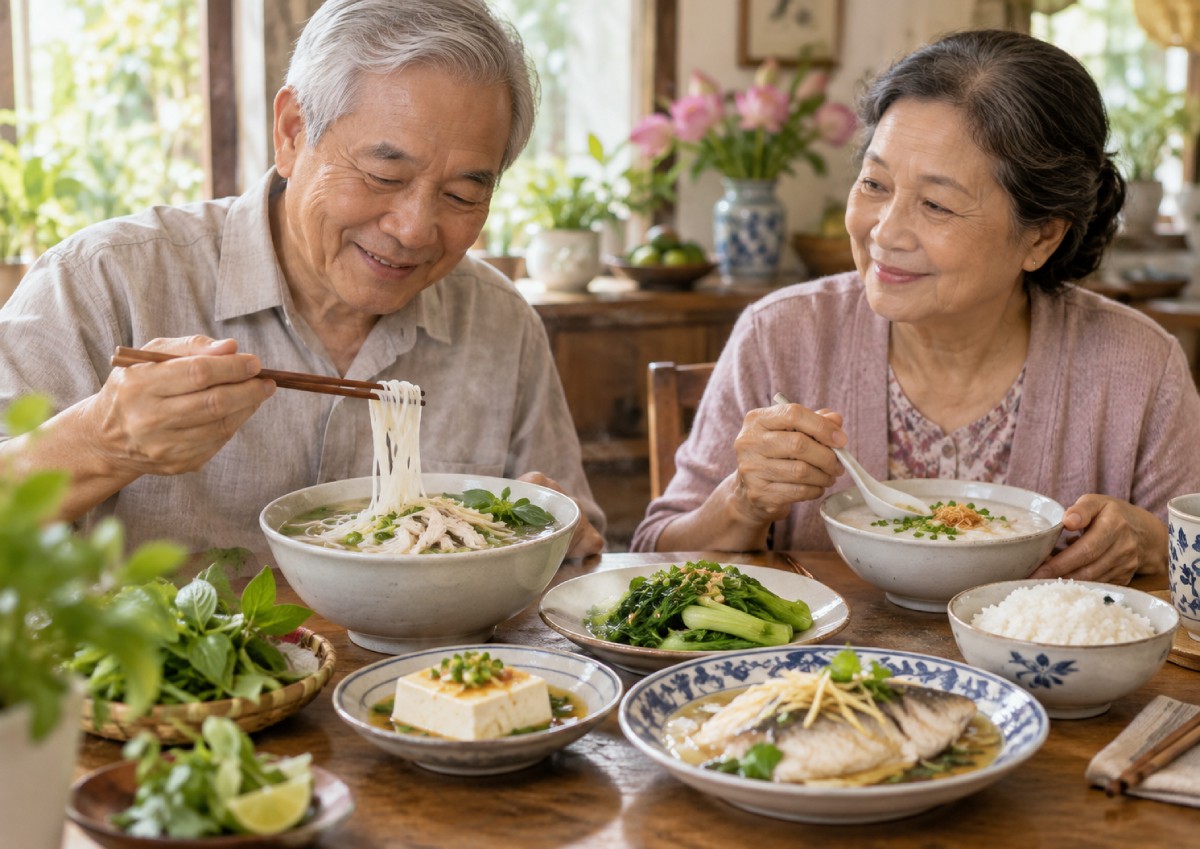
Family members can also make mealtimes more enjoyable by sitting together.
Eating with others, enjoying familiar flavours, and having manageable portions may help make meals feel less like a responsibility.
The important thing is consistency and variety, not relying on one particular dish every day.
Frequently Asked Questions
Is chicken pho easier to eat than beef pho for seniors?
It depends on preparation. Finely shredded chicken may be easier for some people to chew than firmer beef slices, but tenderness and individual chewing ability matter more than the type of meat.
Can seniors eat chicken pho every week?
Yes, chicken pho can be included in a varied weekly diet, provided the portions, sodium content, and overall nutrient intake suit their needs.
Is chicken pho good for someone who gets full quickly?
It may be a practical choice because the portion can be adjusted. Include sufficient chicken and other nutritious ingredients rather than filling up entirely on broth.
Should seniors drink all the pho broth?
Not necessarily. Broth contributes fluid and flavour, but it may also contain substantial sodium. Drinking every drop isn't required to enjoy the meal.
Final Thoughts
So, is chicken pho good for seniors who have less appetite?
For many older adults, it can be a satisfying and practical option.
Its warm broth, tender chicken, soft rice noodles, and adjustable portions may make eating more comfortable and enjoyable.
The key is to focus on nutritional balance, appropriate textures, and portions that match the individual's appetite.
Chicken pho isn't a treatment for appetite loss or a substitute for a varied diet. But when prepared thoughtfully, it can be one comforting way to help make mealtimes more appealing.
Sometimes, a smaller bowl of food someone genuinely enjoys is a better starting point than a large meal they don't want to eat.
Here are some delicious food and drinks to try when ordering from PHO restaurants in Toronto:
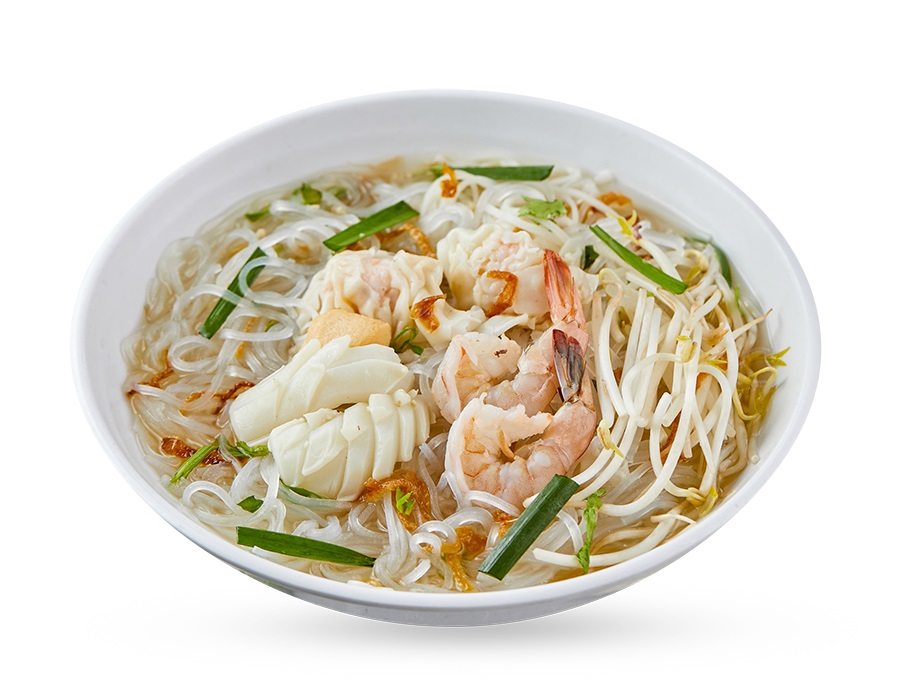
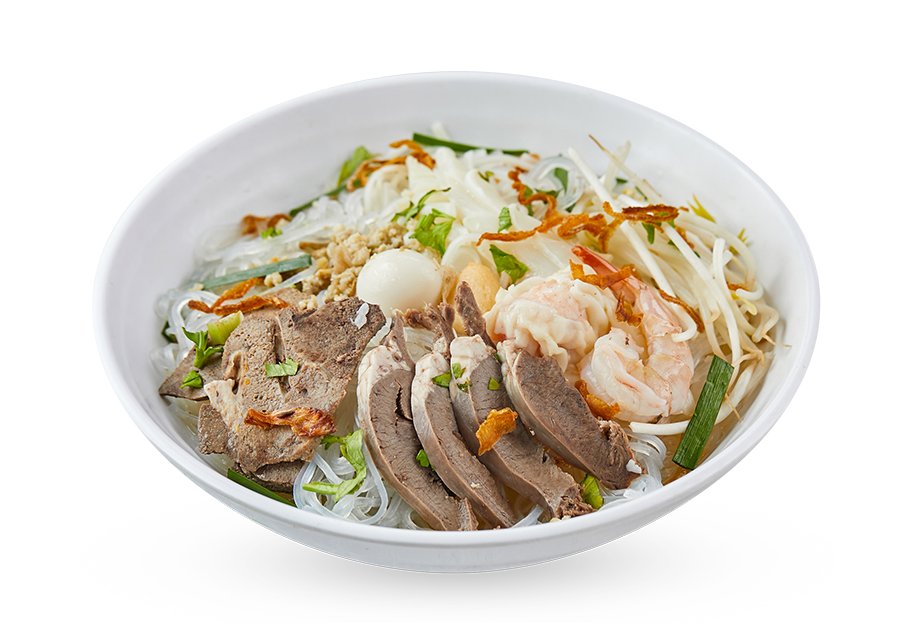
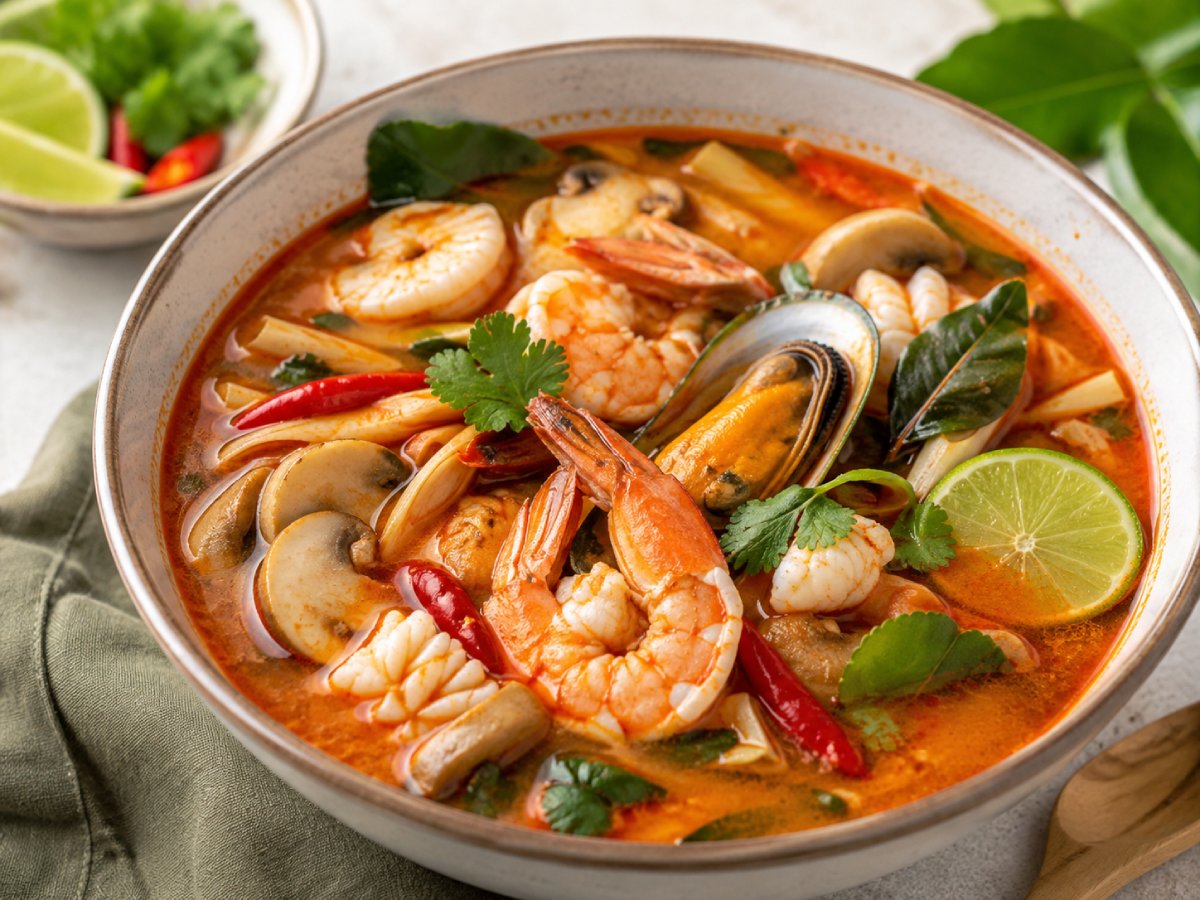
Seafood Rice Noodle in Soup (Hủ Tíu Đồ Biển)
Shrimp Wonton with Egg Noodle in Soup (Mì Hoành Thánh)
Grilled Pork, Grilled Chicken, and Steamed Crab Meat (Cơm Sườn Gà Chả)
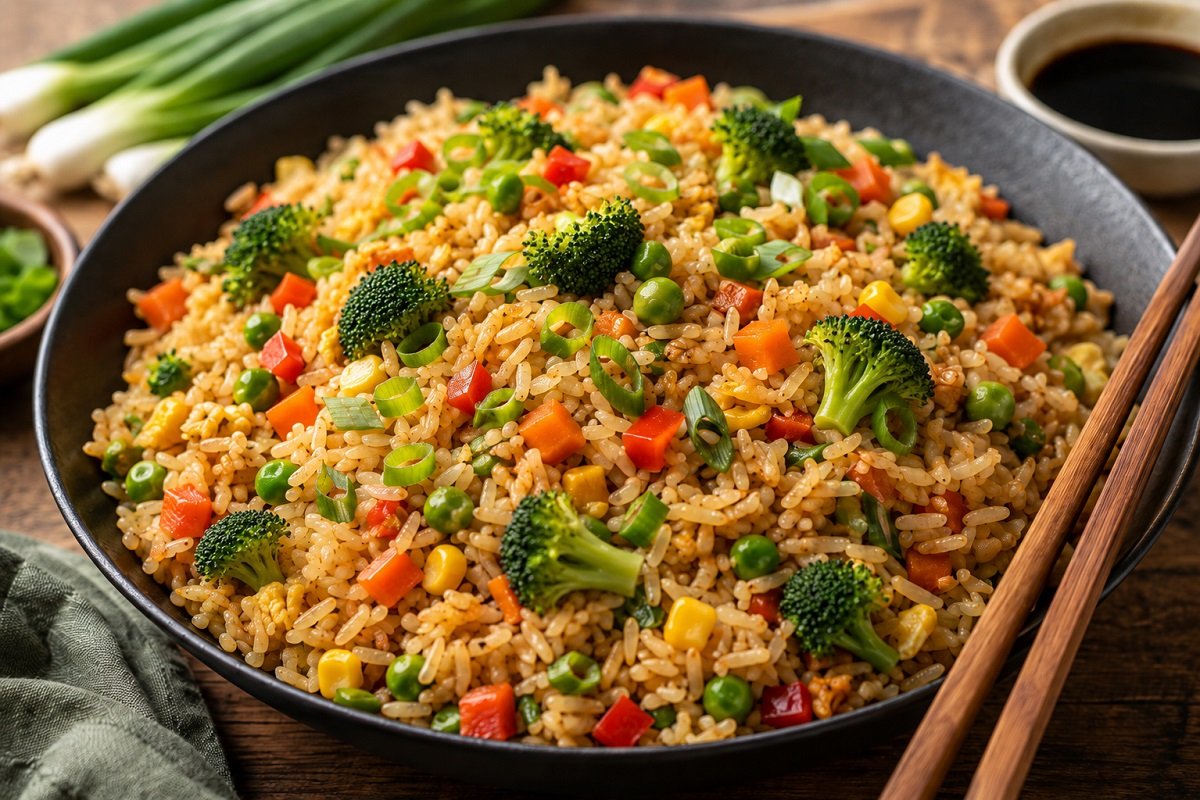
Shrimp Fried Rice (Cơm Chiên Tôm)