What Is a Vietnamese Mango Smoothie?
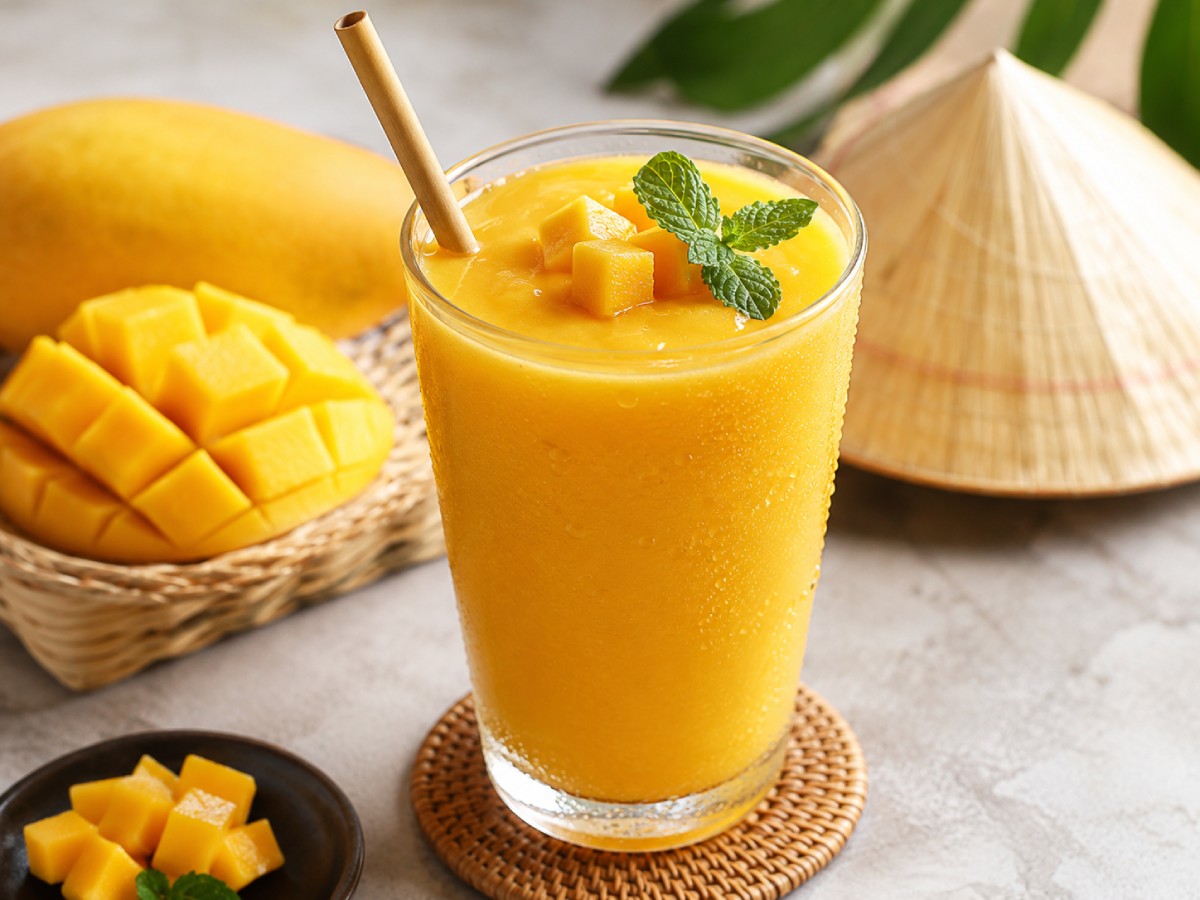
A Vietnamese mango smoothie, sometimes called sinh tố xoài, is a blended fruit drink made mainly with fresh mango. In Vietnamese, “sinh tố” refers to a smoothie or blended fruit drink, while “xoài” means mango.
Vietnamese fruit smoothies are commonly prepared with fresh tropical fruit, crushed ice, milk, yogurt, sugar, or sweetened condensed milk. They are often thicker and creamier than fruit juices but lighter than milkshakes.
The mango provides natural sweetness and a smooth texture. Milk adds richness, while ice makes the drink cold and refreshing. Sweetened condensed milk is a common addition because it gives the smoothie a creamy texture and a slightly caramel-like sweetness.
The exact recipe can vary between cafés, street vendors, restaurants, and home kitchens. Some smoothies are very thick and served with a spoon, while others are thin enough to drink through a straw.
Why This Smoothie Is So Easy to Make
You do not need advanced cooking skills to make this recipe. The main work involves peeling and cutting the mango. After that, the blender does almost everything.
The recipe is also flexible. You can adjust the milk, ice, and sweetness based on your preference. If the smoothie is too thick, add more milk. If it is too thin, add more mango or a few extra ice cubes.
You can also prepare it with fresh or frozen mango. Fresh mango usually provides the best flavor, while frozen mango creates a colder and thicker drink.
Another advantage is that the ingredients are easy to find. Most supermarkets carry mangoes, milk, yogurt, and condensed milk. Even if you cannot find one ingredient, there are several simple substitutions.
Ingredients You Will Need
To make approximately two servings, prepare the following ingredients:
- Two large ripe mangoes
- Half a cup of cold milk
- Two to three tablespoons of sweetened condensed milk
- Half a cup of ice cubes
- One teaspoon of fresh lime juice, optional
You may also add a small amount of yogurt if you prefer a thicker texture.
The measurements do not have to be exact. Mangoes vary in size, sweetness, and moisture, so you may need to adjust the milk and sweetener.
Choosing the Best Mangoes
The quality of the mango has a major effect on the final drink. A ripe, fragrant mango gives the smoothie a naturally sweet flavor and a smooth texture. An underripe mango may make the drink sour, firm, or slightly bitter.
Look for mangoes that feel slightly soft when gently pressed. They should not feel completely hard, but they should also not be extremely soft or leaking.
A ripe mango often has a fruity aroma near the stem. However, color is not always a reliable sign of ripeness. Some mango varieties remain green even when ripe, while others turn yellow, orange, or red.
Ataulfo mangoes, also known as honey mangoes, are an excellent choice. They have smooth flesh, a rich flavor, and fewer fibers than some larger varieties. Kent and Keitt mangoes also work well because they are juicy and sweet.
Avoid mangoes with large black areas, deep wrinkles, mold, or a fermented smell.
How to Ripen Mangoes at Home
If your mangoes are too firm, leave them at room temperature for a few days. Placing them in a paper bag can speed up the ripening process.
You can add a banana or apple to the bag because these fruits naturally release a gas that encourages ripening.
Check the mangoes daily. Once they feel slightly soft and smell fragrant, move them to the refrigerator if you are not using them immediately.
Do not refrigerate hard mangoes too early. Cold temperatures can slow down the ripening process and affect the texture.
How to Cut a Mango
Mangoes have a long, flat seed in the center. To cut one, place the mango upright on a cutting board. Slice down one side of the seed, then repeat on the other side.
You should now have two large mango sections, sometimes called cheeks.
Use a small knife to score the flesh into cubes without cutting through the skin. Push the skin upward so the mango cubes rise. Cut the cubes away from the skin.
You can also remove additional flesh from around the seed. Be careful because ripe mangoes can be slippery.
For the smoothest drink, remove any stringy or fibrous parts before blending.
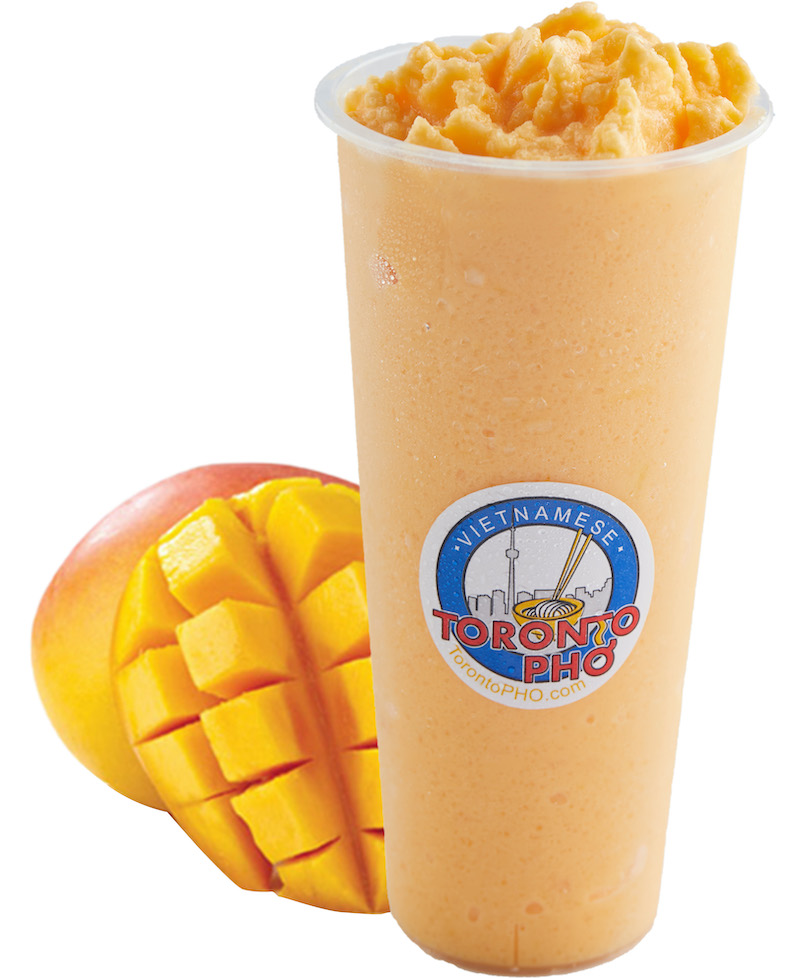
Step-by-Step Vietnamese Mango Smoothie Recipe
Begin by adding the mango pieces to the blender. It is usually better to place softer ingredients near the blades.
Next, pour in the cold milk. Add two tablespoons of sweetened condensed milk and the ice cubes.
If you enjoy a slightly brighter flavor, add one teaspoon of fresh lime juice. Lime is optional, but it can balance the sweetness and make the mango flavor taste fresher.
Blend the ingredients for approximately 30 to 60 seconds. Stop when the mixture looks smooth, creamy, and evenly blended.
Taste the smoothie before serving. Add another tablespoon of condensed milk if the mango is not sweet enough.
If the smoothie is too thick, add one or two tablespoons of milk and blend again. If it is too thin, add more mango, yogurt, or a few additional ice cubes.
Pour the smoothie into cold glasses and serve immediately.
How to Get the Best Texture
A good mango smoothie should be creamy without feeling heavy. It should also be smooth enough to drink easily.
The amount of ice has a strong effect on texture. Too much ice can make the drink watery and reduce the mango flavor. Too little ice may leave the smoothie warm or overly thick.
Start with a small amount of ice and add more only when needed.
Frozen mango is another useful option. It can replace some or all of the ice. Because frozen mango adds both flavor and thickness, it often creates a stronger mango taste.
For an especially creamy smoothie, add two or three tablespoons of plain yogurt. Full-fat yogurt produces a richer result, while low-fat yogurt creates a lighter drink.
You can also use crushed ice instead of large cubes if your blender is not very powerful.
How to Control the Sweetness
The sweetness of the smoothie depends mainly on the ripeness of the mangoes. Very ripe mangoes may require little or no extra sweetener.
Sweetened condensed milk is traditional in many Vietnamese-style drinks, but it is quite sweet. Begin with a small amount, blend, and taste before adding more.
You can replace condensed milk with sugar, honey, maple syrup, or another preferred sweetener. However, each option changes the flavor slightly.
For a less sweet smoothie, use plain milk and skip the added sugar. You can also add lime juice to balance the natural sweetness.
Remember that a cold drink may taste slightly less sweet than a room-temperature mixture. Taste the smoothie after it has been blended with ice.
Milk Options and Substitutions
Regular dairy milk works well, but it is not the only option.
Coconut milk gives the smoothie a richer tropical flavor. Because canned coconut milk can be thick, you may need to dilute it with a little water.
Oat milk creates a smooth, mild drink. Almond milk is lighter and adds a subtle nutty flavor. Soy milk provides a creamy texture and generally blends well with mango.
If you avoid dairy, use plant-based milk and replace condensed milk with coconut condensed milk or another dairy-free sweetener.
You can also use orange juice instead of milk for a lighter, fruitier smoothie. However, the result will taste less creamy and less similar to a traditional Vietnamese-style smoothie.
Easy Recipe Variations
Once you understand the basic recipe, you can try several variations.
For a mango yogurt smoothie, add half a cup of plain or vanilla yogurt. Reduce the amount of milk so the drink does not become too thin.
For a mango coconut smoothie, replace regular milk with coconut milk. Add shredded coconut on top for extra texture.
For a mango banana smoothie, blend one small banana with the mango. Banana makes the drink thicker and sweeter, so you may not need condensed milk.
For a mango avocado smoothie, add half a ripe avocado. This creates an especially smooth, rich texture without making the avocado flavor too strong.
For a mango passion fruit smoothie, add fresh passion fruit pulp after blending. Stir it in by hand if you want to keep the crunchy seeds.
You can also add chia seeds, fresh mint, or a small amount of ginger for a different flavor.
Common Mistakes to Avoid
One common mistake is using underripe mangoes. Hard mangoes may not blend smoothly and often have less sweetness.
Another mistake is adding too much liquid at the beginning. It is easier to thin a thick smoothie than to fix one that is too watery.
Do not add too much ice. Large amounts of ice can weaken the mango flavor and separate as the smoothie sits.
Over-sweetening is another common problem. Always taste the mango before deciding how much condensed milk or sugar to use.
Finally, serve the drink soon after blending. Mango smoothies taste best when fresh. Over time, the ice melts and the ingredients may begin to separate.
Can You Make It in Advance?
A Vietnamese mango smoothie is best enjoyed immediately, but you can prepare some ingredients in advance.
Cut the mango and store it in an airtight container in the refrigerator for up to two days. You can also freeze mango cubes on a tray and then transfer them to a freezer bag.
If you blend the smoothie ahead of time, keep it refrigerated in a sealed container. Stir or blend it again before serving because separation may occur.
Avoid storing a smoothie with a large amount of ice for too long. The melting ice will make it watery.
Serving Ideas
Serve your mango smoothie in a tall glass with a wide straw. You can decorate it with a small mango slice, mint leaves, or a spoonful of diced mango.
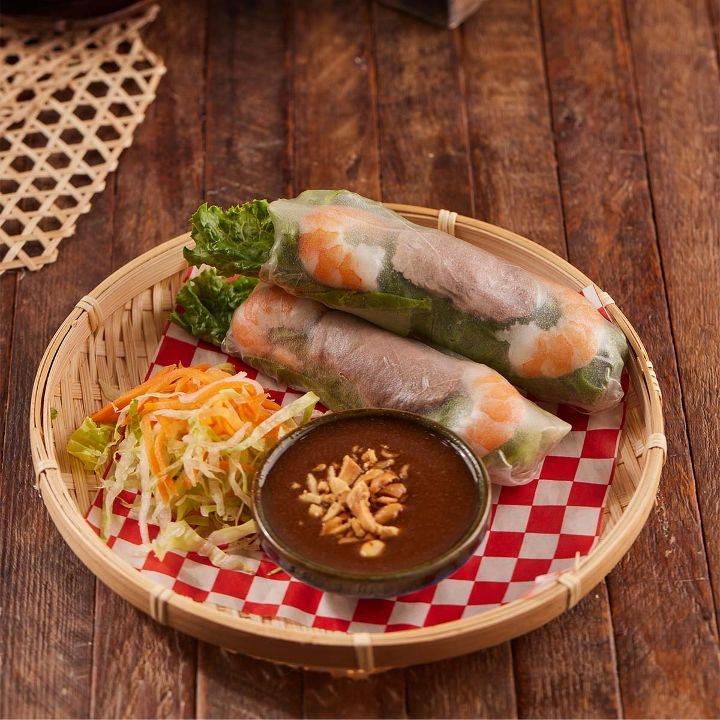
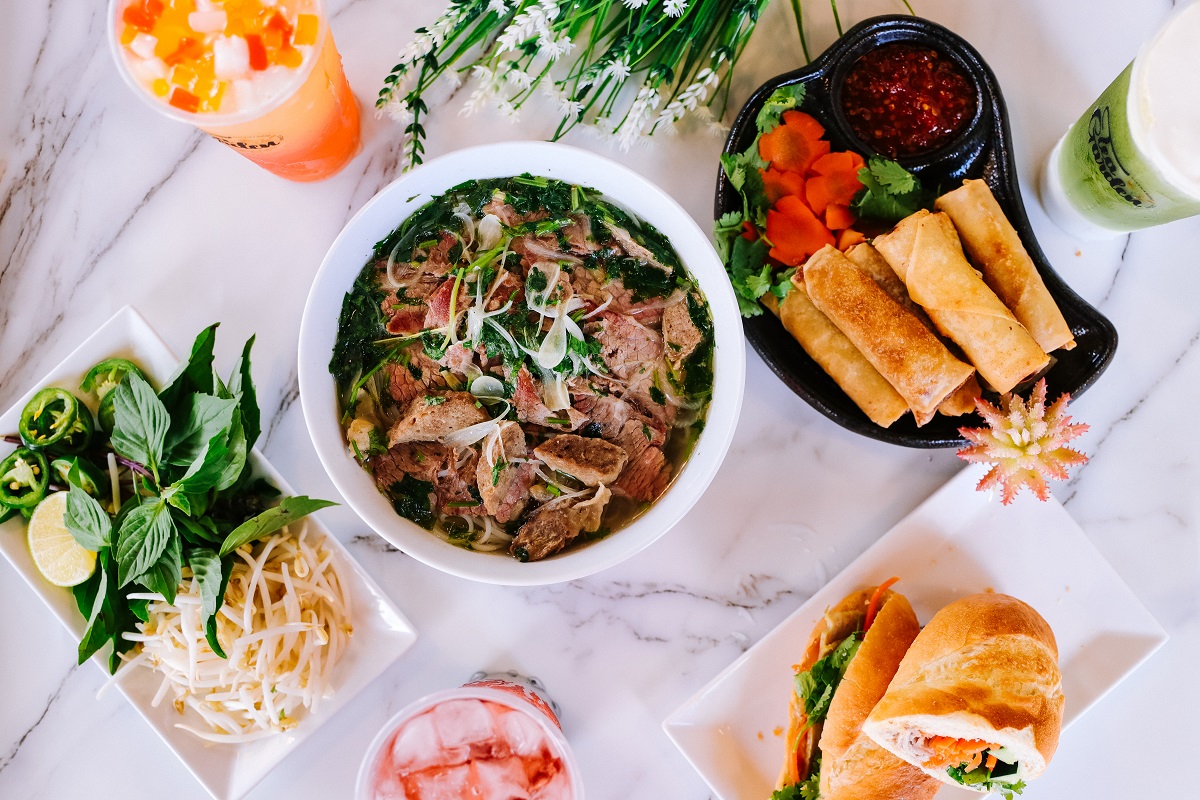
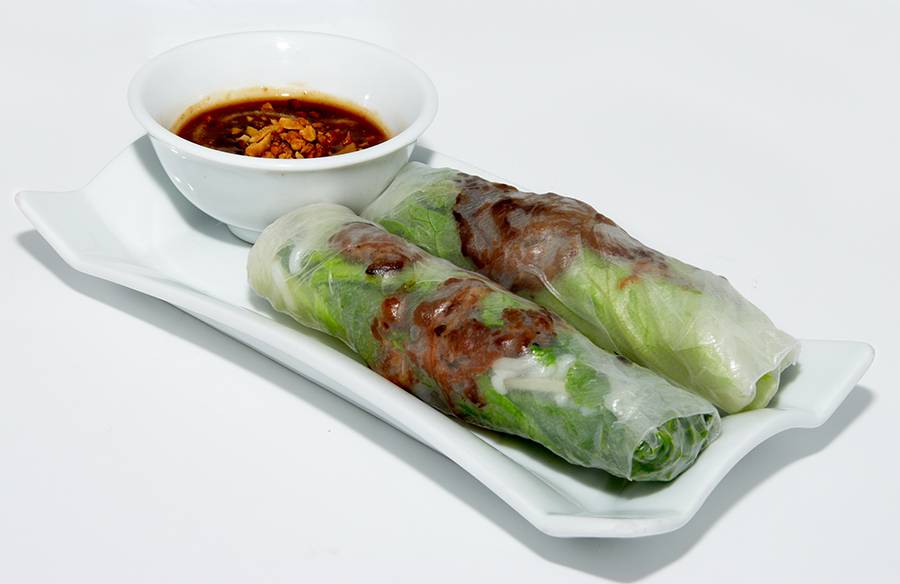
It pairs well with Vietnamese spring rolls, grilled chicken, rice dishes, noodle bowls, and spicy foods. It’s cool, sweet flavor can help balance salty or spicy meals.
It can also be served as a simple dessert after dinner or as a refreshing drink at a summer gathering.
Final Thoughts
An easy Vietnamese mango smoothie is a simple way to enjoy the natural flavor of ripe mangoes. With only a few ingredients, you can create a drink that is creamy, cold, and refreshing.
The most important steps are choosing ripe mangoes, adding liquid gradually, and adjusting the sweetness after blending. Once you master the basic recipe, you can personalize it with yogurt, coconut milk, banana, avocado, or other tropical ingredients.
Whether you prepare it for breakfast, dessert, or a warm afternoon, this homemade Vietnamese mango smoothie delivers plenty of flavor without requiring much time or effort.
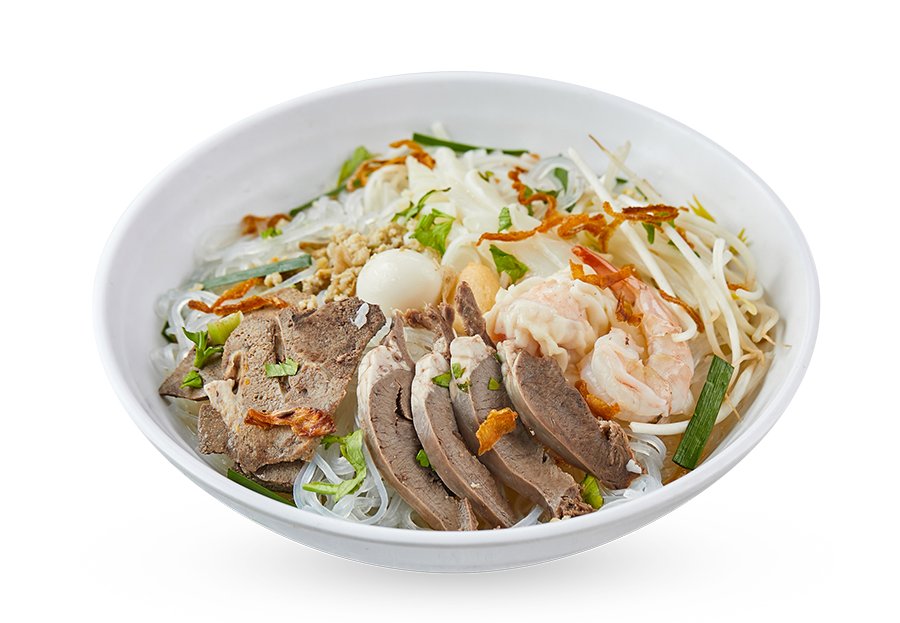
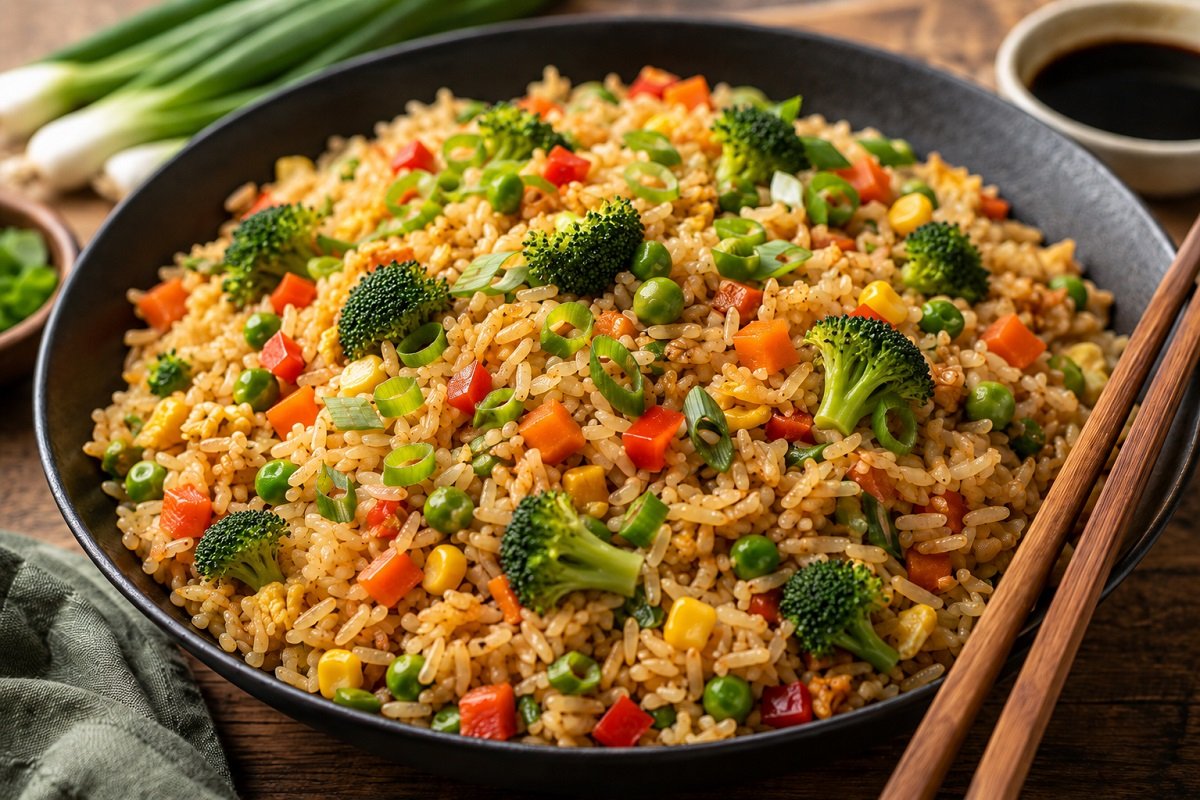
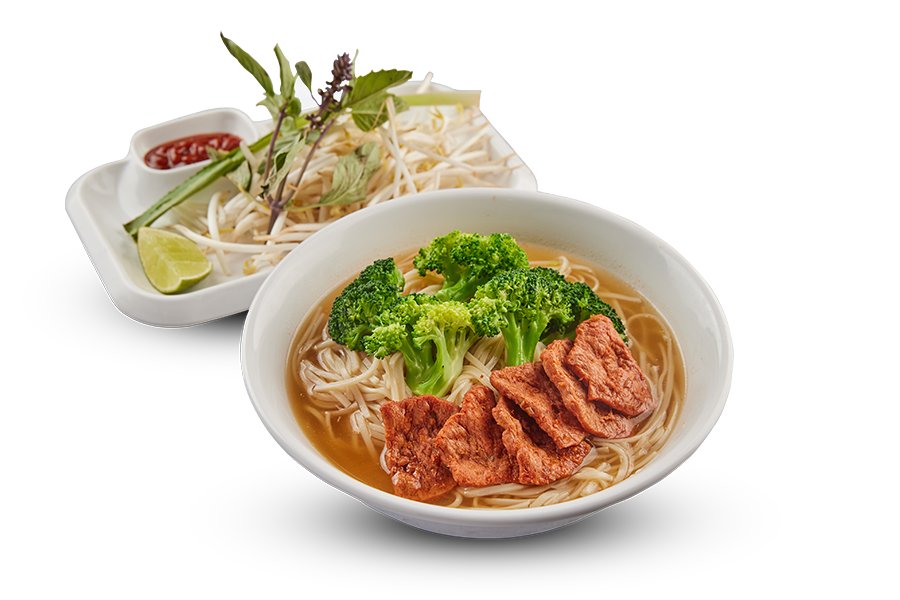
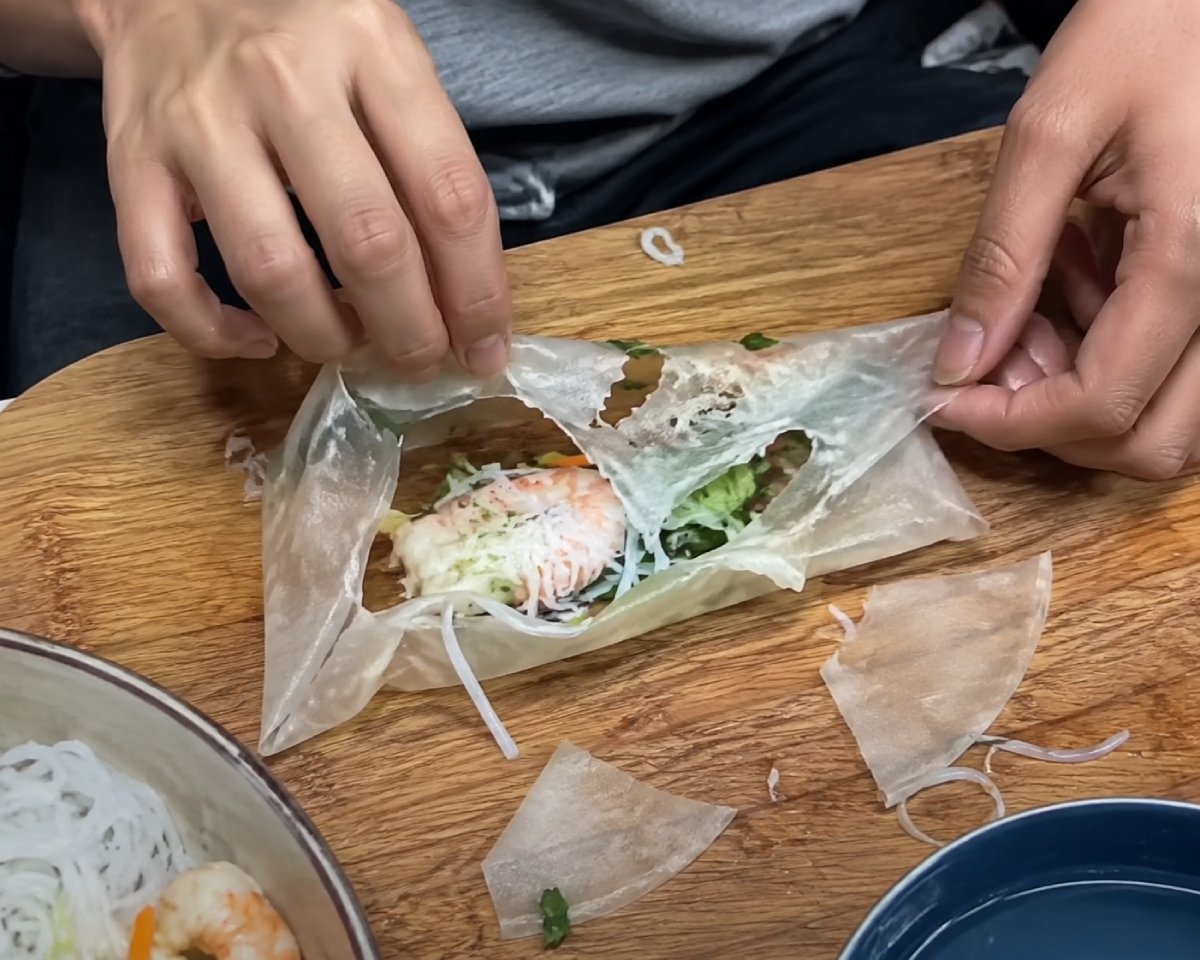
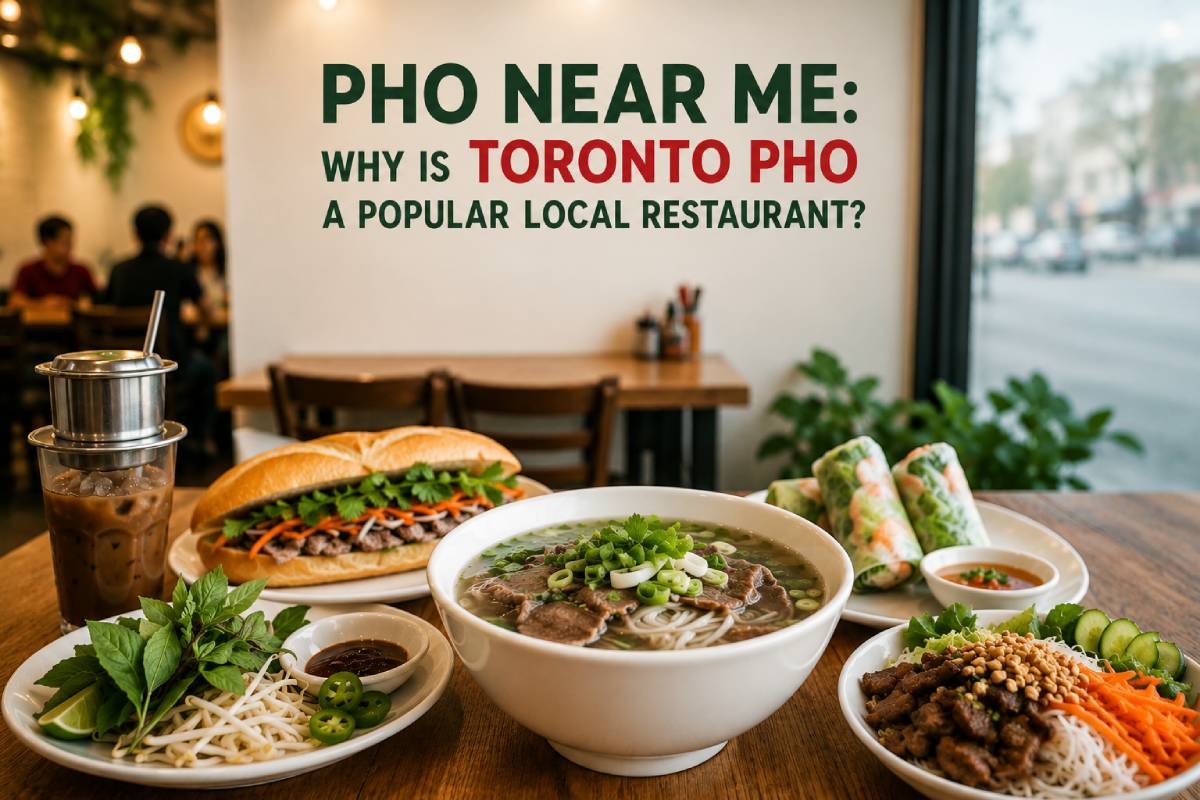
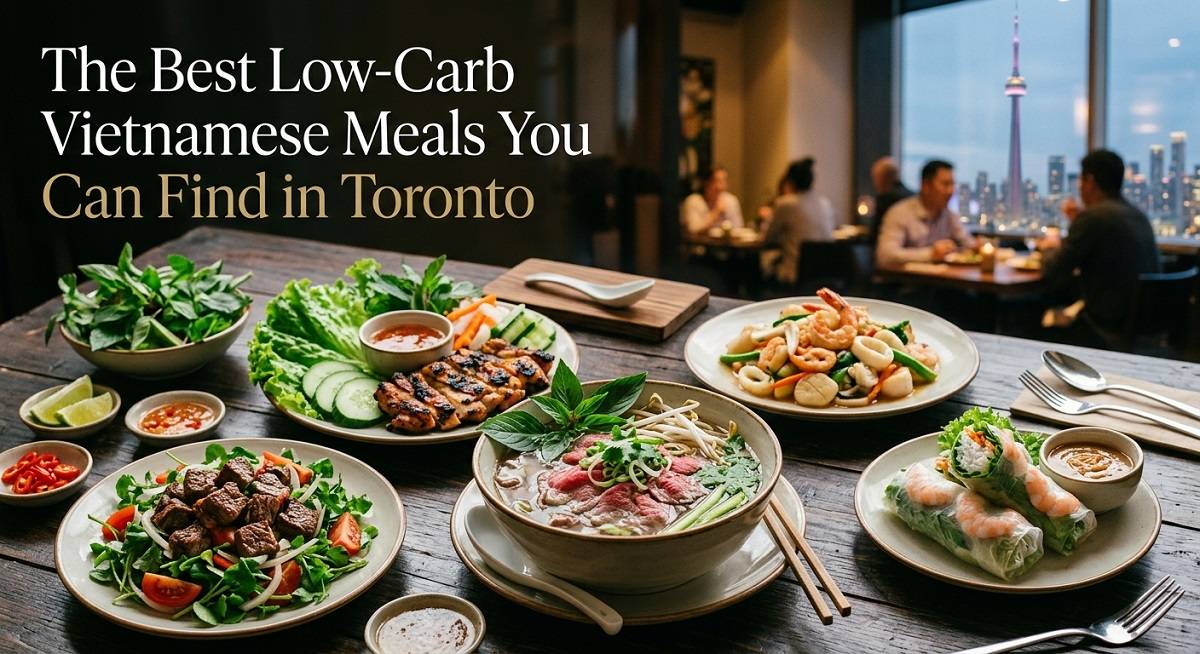
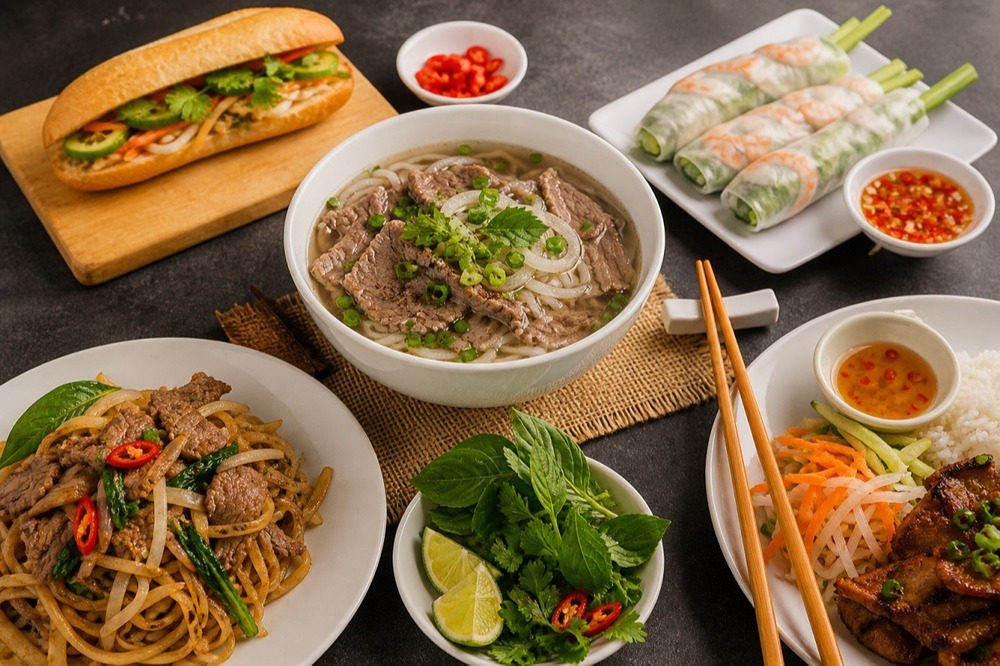
Here are some delicious food and drinks to try when ordering from PHO restaurants in Toronto: