Why Vietnamese Food Works Well When You Want Less Red Meat
One of the useful things about Vietnamese cooking is that many dishes can be prepared with different proteins.
A noodle bowl may be available with beef, chicken, shrimp, tofu, or vegetables. The same is often true for rice dishes, soups, fresh rolls, and stir-fried meals.
This flexibility makes it easier to choose based on what you feel like eating that day.
Vietnamese meals also commonly include fresh ingredients such as bean sprouts, cucumber, lettuce, carrots, mint, basil, cilantro, green onions, and other vegetables and herbs.
As a result, reducing red meat does not necessarily mean replacing one large protein with another. You can build a meal around a combination of vegetables, noodles or rice, herbs, broth, and a lighter protein.
Here are some Vietnamese dishes and ingredients worth considering.
1. Chicken Pho
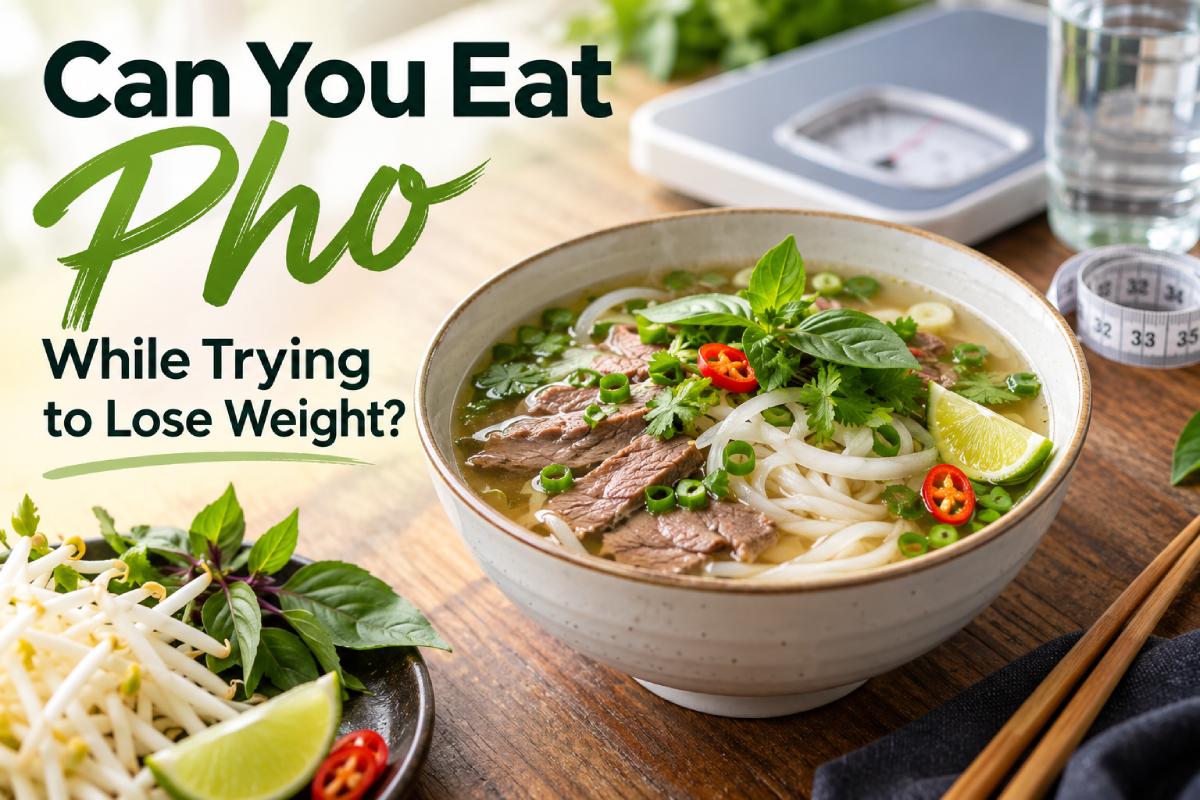
Pho is one of the best-known Vietnamese dishes.
Many people immediately think of beef pho, but chicken pho, often called pho ga, is another popular option.
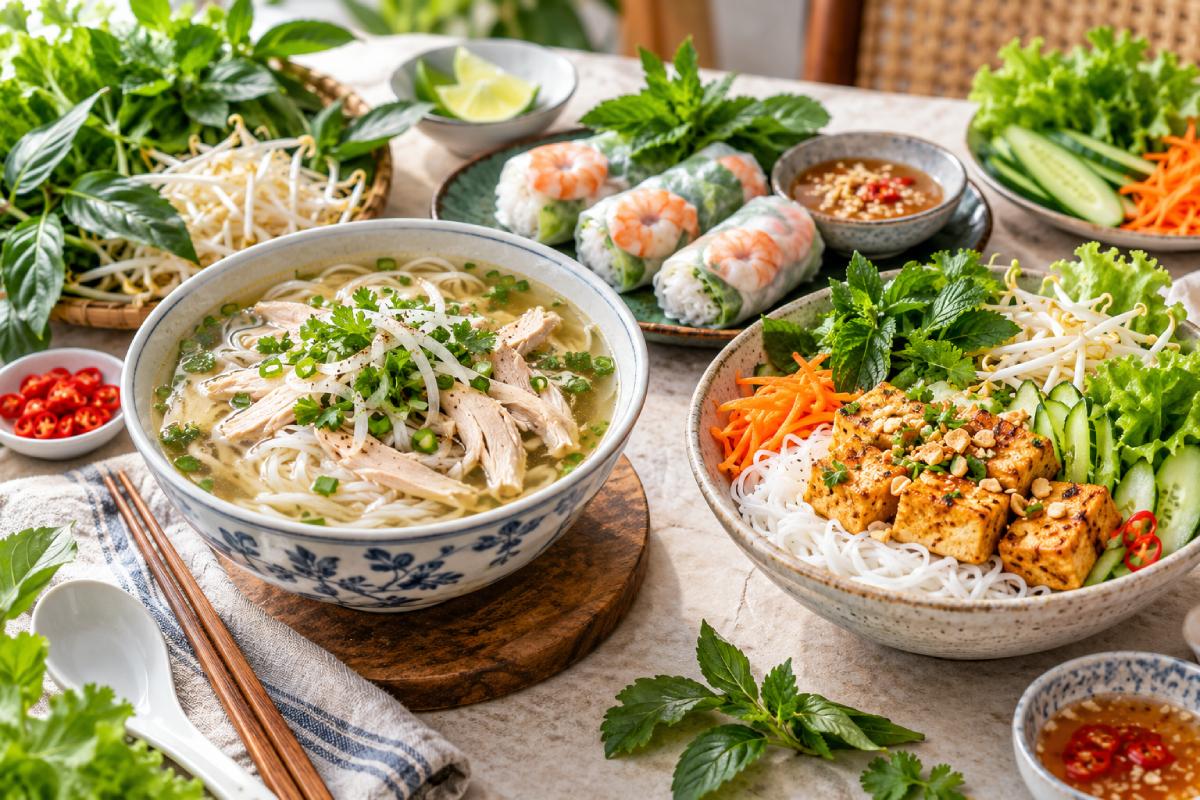
It usually includes rice noodles in a fragrant broth with sliced chicken, onions, herbs, and optional additions such as bean sprouts, lime, basil, or chili.
Chicken pho can be a good choice if you enjoy the comfort and warmth of traditional pho but want an alternative to beef.
The broth remains an important part of the experience. Depending on how it is prepared, it may include aromatic ingredients such as ginger, onion, star anise, cinnamon, and other spices.
This gives the soup plenty of flavour without requiring a heavy meat portion.
Chicken pho can also work well as a lunch or dinner when you want something filling without feeling overly rich.
2. Tofu Pho
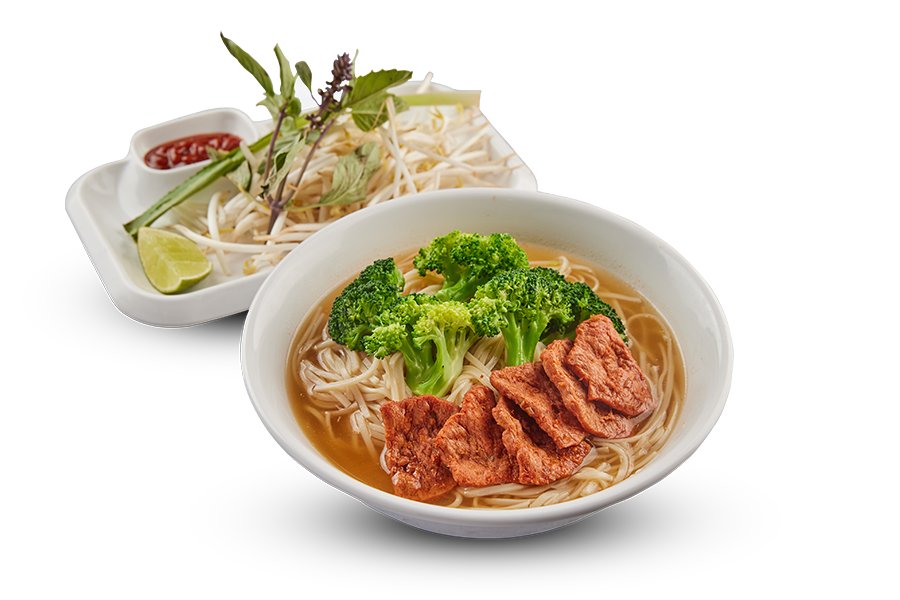
If you want to reduce meat more broadly, tofu pho is another option.
Tofu has a mild flavour, which allows it to absorb some of the flavours from the broth and other ingredients around it.
Depending on the restaurant and recipe, tofu pho may include fried or soft tofu along with rice noodles, herbs, vegetables, and broth.
One important point is that not every tofu pho is automatically vegetarian. Some restaurants may use a meat-based broth even when tofu is the main protein.
If you are specifically looking for a vegetarian or vegan dish, it is worth asking how the broth is prepared.
For someone who is simply trying to eat less red meat, however, tofu can be an easy way to add variety.
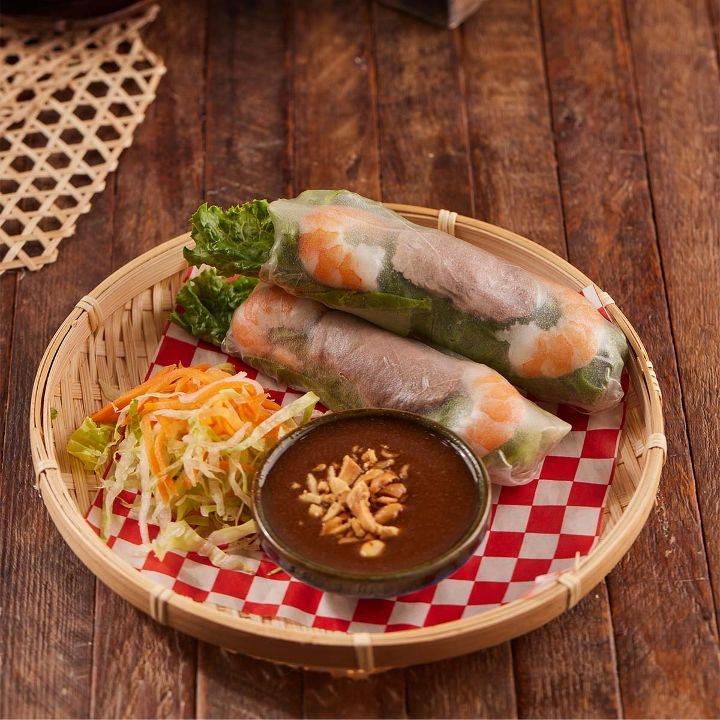
3. Shrimp Fresh Rolls
Vietnamese fresh rolls are another simple option.
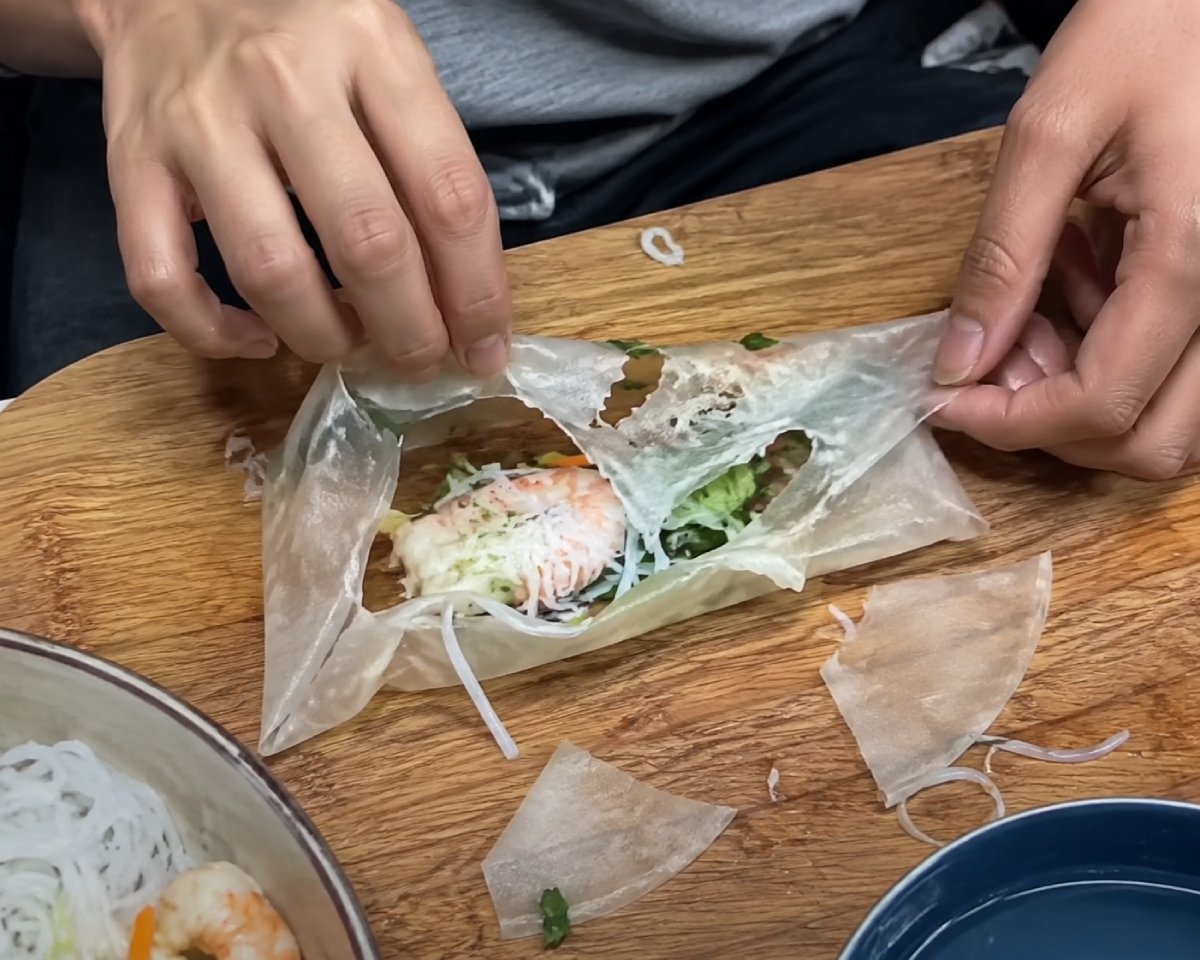
They are usually made with thin rice paper wrapped around ingredients such as rice vermicelli, lettuce, herbs, vegetables, and shrimp.
Unlike deep-fried spring rolls, fresh rolls are served soft and cool.
The ingredients are relatively simple, but the combination of textures makes them interesting. You get the softness of the rice paper and noodles, the freshness of the herbs and vegetables, and the firmer texture of the shrimp.
Fresh rolls are often served with a dipping sauce, which adds another layer of flavour.
They can work as an appetizer, a light lunch, or part of a larger meal.
4. Tofu Fresh Rolls
You do not need seafood to enjoy fresh rolls.
Tofu rolls are a useful alternative for anyone trying to eat less meat or add more plant-based meals to their routine.
They may contain tofu, vermicelli noodles, lettuce, cucumber, carrots, herbs, and other fresh vegetables.
Because the ingredients are wrapped individually, fresh rolls can provide a balanced mix of textures without needing a large amount of protein.
They are also a good example of how Vietnamese food often relies on herbs, sauces, and contrasting textures for flavour rather than depending only on meat.
5. Chicken Vermicelli Bowls
Vermicelli bowls are a practical choice when you want something fresh but still substantial.
A typical Vietnamese vermicelli bowl may include thin rice noodles, grilled chicken, cucumber, lettuce, pickled vegetables, herbs, and a sauce or dressing.
Some versions may also include crushed peanuts, green onions, or crispy toppings.
What makes these bowls appealing is the mixture of warm and cool ingredients.
The chicken may arrive warm from the grill, while the vegetables and herbs stay fresh and crisp.
If you usually order a beef vermicelli bowl, changing to chicken is one of the simplest ways to reduce red meat without choosing a completely different meal.
6. Chicken Banh Mi
Banh mi is a Vietnamese sandwich usually served in a light, crisp baguette.
While some versions use pork or other meats, chicken banh mi is widely available and can be an easy red-meat alternative.
The sandwich may include grilled or seasoned chicken, cucumber, pickled carrots, herbs, chili, and sauces.
What makes banh mi distinctive is the contrast between the crunchy bread, fresh vegetables, savoury filling, and bright flavours from herbs and pickles.
It is also convenient when you want a quick meal rather than a large bowl of noodles or soup.
7. Chicken Rice Dishes
Rice plates are another common part of Vietnamese dining.
Instead of beef, you can often choose grilled chicken served with steamed rice, vegetables, cucumber, pickled vegetables, or salad.
Some dishes may include a sauce on the side, allowing you to control how much you add.
A chicken rice plate is especially useful if you prefer meals that are simple and familiar.
You still get a traditional combination of protein, rice, and vegetables, but without relying on red meat.
8. Shrimp and Rice
Seafood and rice are another natural combination.
Shrimp may be grilled, stir-fried, or prepared with vegetables and served over rice.
Depending on the recipe, the dish may be lighter and simpler or more strongly seasoned.
If you regularly eat beef-based rice dishes, replacing them occasionally with shrimp can make your weekly meals feel more varied.
9. Vegetable and Tofu Stir-Fries
Not every Vietnamese meal needs to centre around meat or seafood.
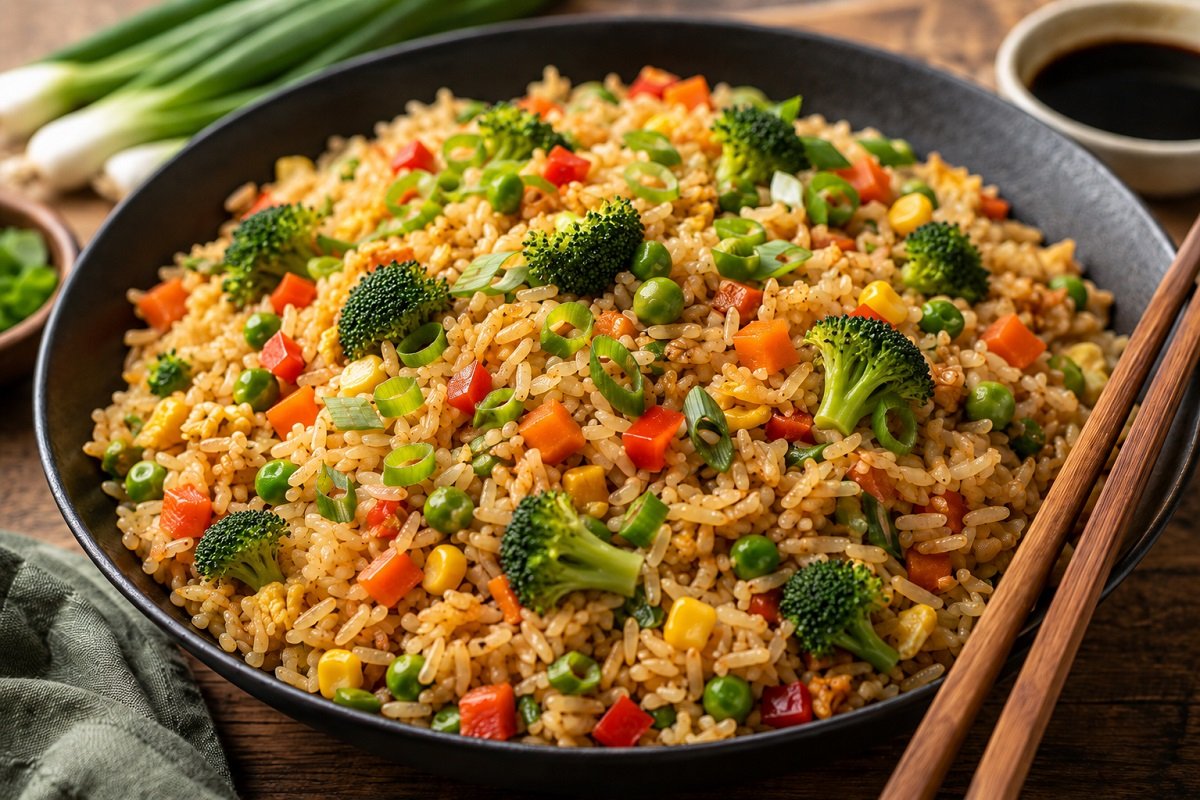
A vegetable and tofu stir-fry can include ingredients such as broccoli, peppers, onions, mushrooms, bok choy, carrots, and other vegetables.
The ingredients are usually cooked quickly, which can help them maintain some texture rather than becoming overly soft.
Served with rice, this can make a satisfying meal on its own.
It is also a practical choice when you want a break from animal protein altogether.
10. Vietnamese Soups with Chicken, Seafood, or Vegetables
Pho is not the only Vietnamese soup worth trying.
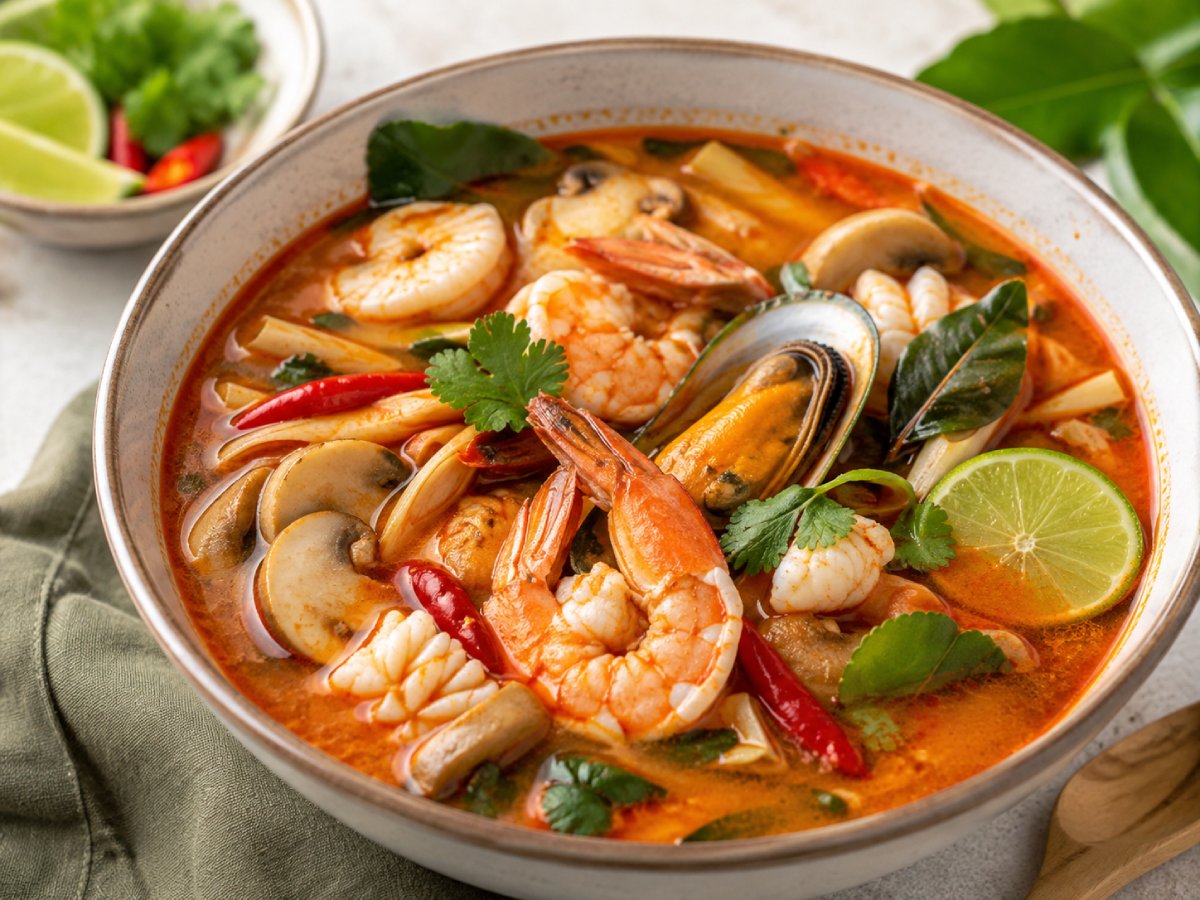
Vietnamese cuisine includes many noodle soups that can feature chicken, shrimp, fish, tofu, tomatoes, vegetables, and herbs.
Some soups are clear and light, while others may have stronger, sweeter, sourer, or spicier flavours.
Exploring different soups can be a good way to move beyond your usual beef-based order.
If you are unsure what is in a particular broth, ask. Broths can sometimes contain meat ingredients even when the visible toppings do not.
11. Vietnamese Salads
Vietnamese-style salads can also be a useful choice when you want something fresh.
Depending on the dish, they may include shredded vegetables, cabbage, herbs, cucumber, carrots, green onions, peanuts, and a light dressing.
Chicken, shrimp, or tofu may be added for protein.
These salads are often more about freshness and texture than heavy dressings.
They can be eaten on their own or shared alongside another dish.
Cutting Back Does Not Have to Mean Giving Something Up
One reason people struggle with dietary changes is that they focus mainly on restriction.
They think about what they cannot order.
A more practical approach is to focus on variety.
If you normally choose beef pho, try chicken pho one day.
If you usually order a beef vermicelli bowl, try shrimp next time.
If you want to experiment with a meat-free meal, start with tofu banh mi or tofu fresh rolls.
Small changes are often easier to maintain than completely changing the way you eat overnight.
Pay Attention to the Whole Meal
Choosing less red meat is only one part of a meal.
You may also want to consider how the dish is prepared, what vegetables are included, portion size, sauces, sodium, and how the meal fits into the rest of your day.
For example, a tofu dish is not automatically lighter just because it contains tofu. Fried tofu, rich sauces, and large portions can still make a meal quite substantial.
The same is true for chicken or seafood.
There is no single Vietnamese dish that is automatically the "best" choice for everyone.
Your needs, preferences, appetite, allergies, and dietary goals all matter.
Ask About Ingredients When You Need To
Restaurant recipes vary.
A dish with tofu may use a meat-based broth. A sauce may contain fish sauce. A soup may be prepared differently from one restaurant to another.
If you have a strict dietary requirement, allergy, or preference, asking a simple question before ordering is always a good idea.
If your goal is only to reduce red meat rather than avoid it completely, you will usually have even more flexibility.
Vietnamese Food Gives You Plenty of Choices
Eating less red meat does not require giving up enjoyable restaurant meals.
Vietnamese cuisine offers many alternatives, including chicken pho, shrimp rolls, tofu dishes, vermicelli bowls, banh mi, rice plates, soups, salads, and vegetable-based meals.
You can still enjoy familiar flavours while experimenting with different proteins and ingredients.
The easiest place to start may simply be your next order.
Instead of automatically choosing beef, try chicken, shrimp, tofu, seafood, or a vegetable-based dish.
Over time, those small choices can make your meals more varied while helping you cut back on red meat in a way that feels realistic and enjoyable.