
Is Vietnamese Food Usually Made with Pork?
Pork is a common ingredient in Vietnamese cooking, but it is far from the only protein used.
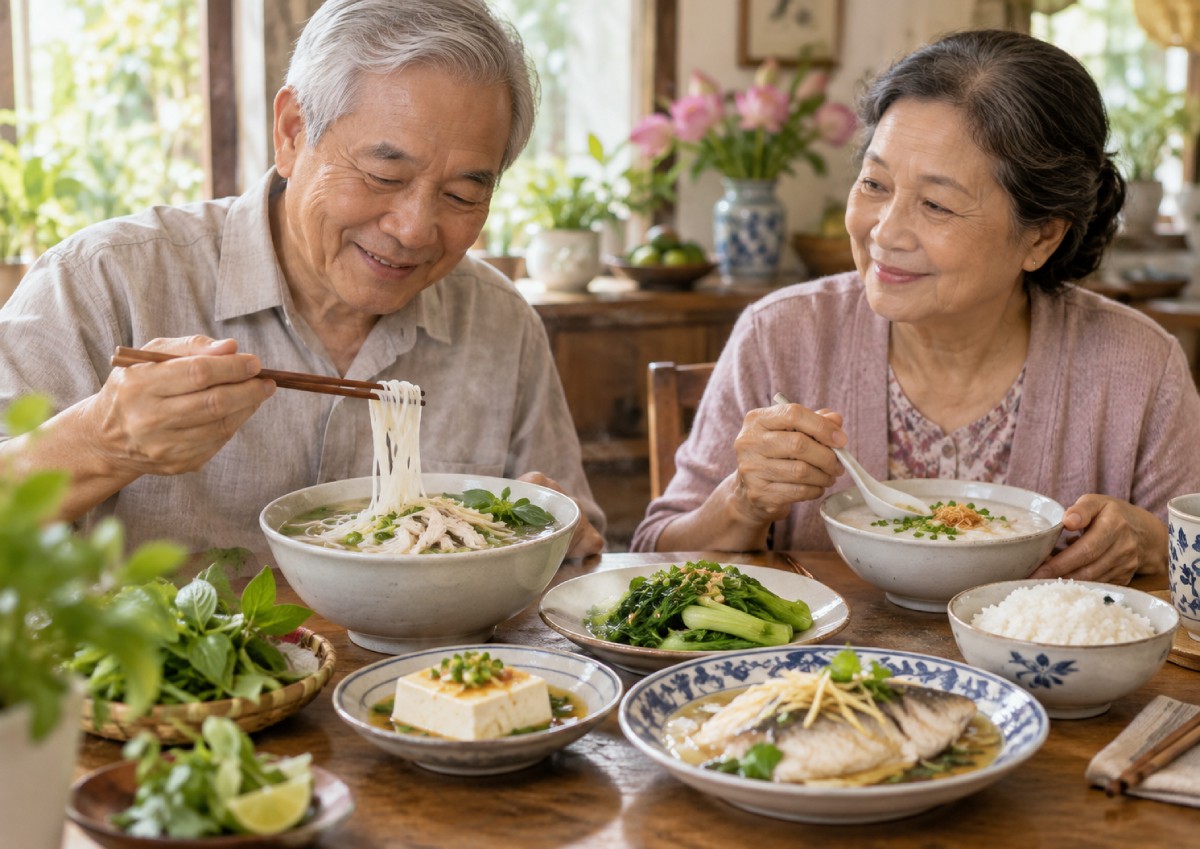
Traditional Vietnamese cuisine includes beef, chicken, shrimp, fish, tofu, and a wide variety of vegetables. Different regions of Vietnam also have their own cooking styles and popular ingredients.
For example, beef is central to many versions of pho, while chicken appears in noodle soups, rice dishes, and vermicelli bowls. Seafood is especially popular in coastal Vietnamese cooking.
You will also find vegetarian dishes influenced by Vietnam's Buddhist culinary traditions.
The important thing to understand is that a dish's name doesn't always reveal every ingredient.
A bowl of noodles might contain chicken but use a broth prepared with other animal ingredients. A vegetable spring roll might be served with a sauce containing fish sauce.
If you avoid pork for religious, dietary, or personal reasons, understanding these details can make ordering easier.
1. Beef Pho: A Comforting Pork-Free Possibility
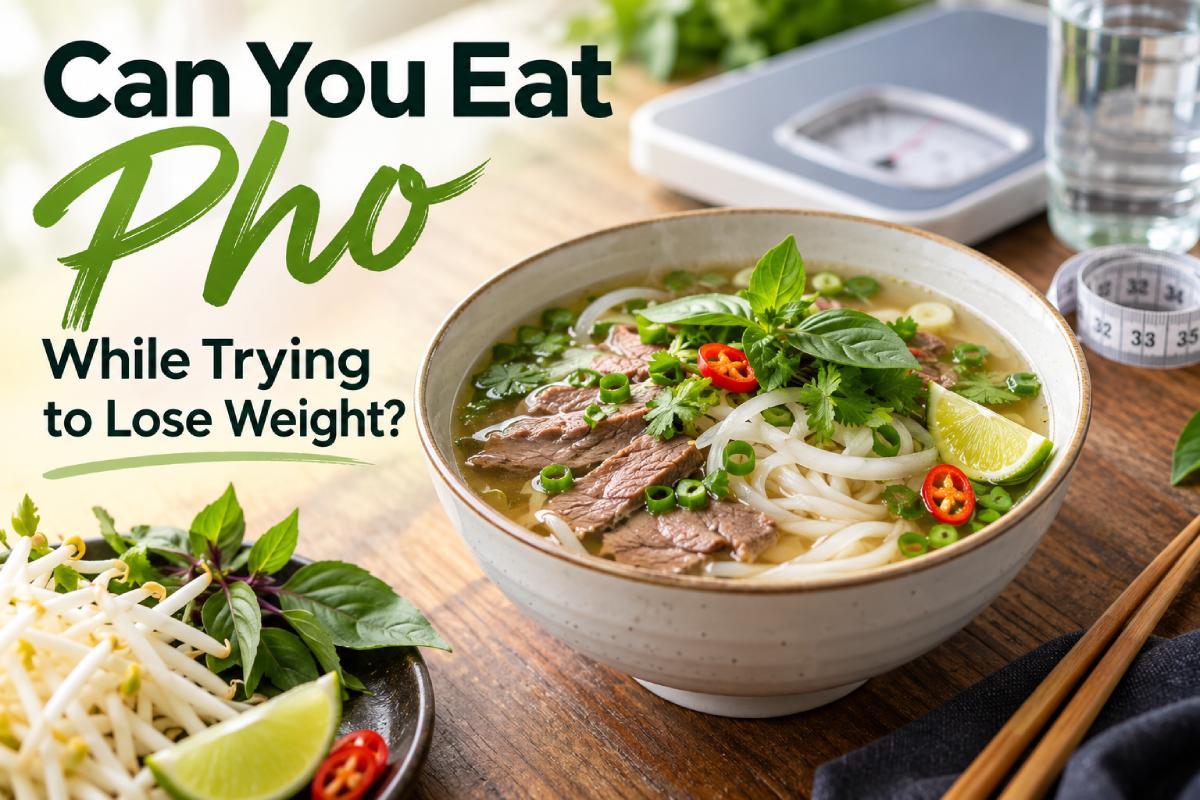
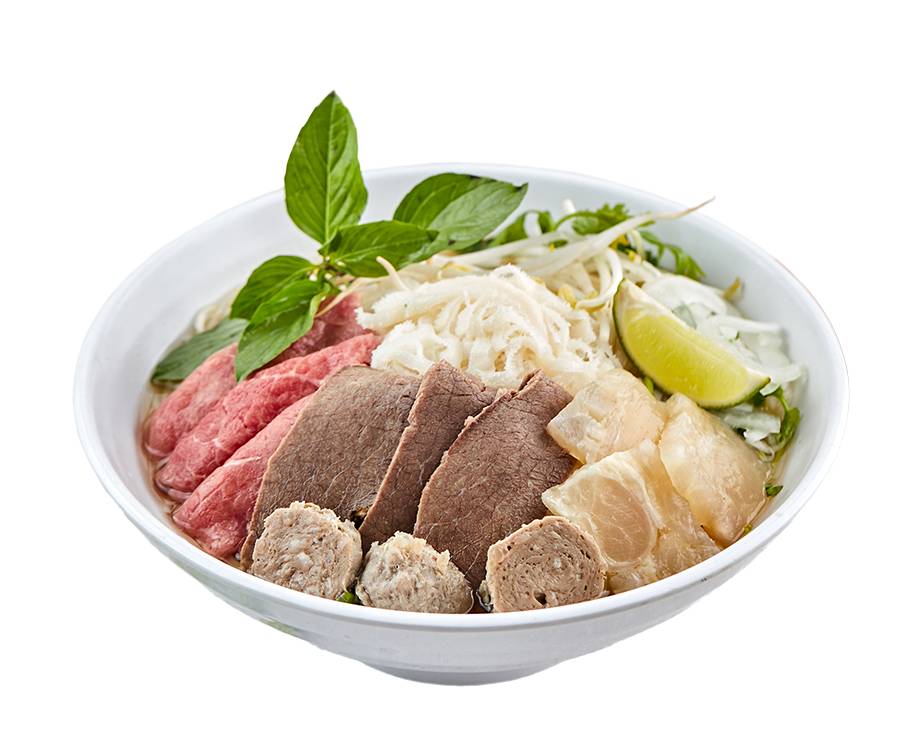
Pho is one of Vietnam's best-known dishes, and beef pho, called phở bò, is a natural starting point for people avoiding pork.
A typical bowl includes rice noodles, aromatic broth, slices of beef, and garnishes such as green onions, cilantro, basil, bean sprouts, and lime.
The broth is traditionally prepared by simmering beef bones with spices such as star anise, cinnamon, cloves, and ginger.
Popular beef pho variations include:
- Phở tái: Pho with thinly sliced rare beef that cooks in the hot broth.
- Phở chín: Pho with cooked beef.
- Phở bò viên: Pho served with beef meatballs.
- Phở tái nạm: Pho combining rare beef and well-done beef brisket or flank.
These options can be suitable when the restaurant uses beef-based broth and pork-free ingredients.
One detail to check is the beef meatballs. Recipes and packaged products vary, so it's worth confirming their ingredients.
Ordering tip: Ask whether the pho broth is made entirely without pork bones or pork-based seasoning.
2. Chicken Pho: A Lighter Noodle Soup Option
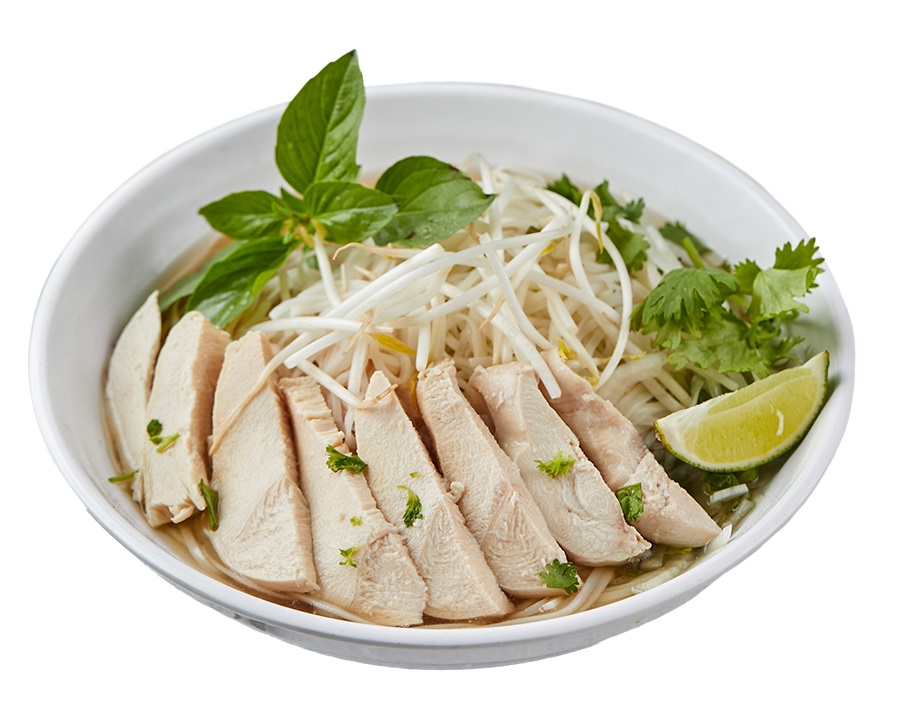
If you prefer chicken over beef, phở gà is another excellent dish to consider.
Chicken pho typically combines tender chicken, rice noodles, and a fragrant broth with herbs and spices.
Compared with beef pho, its flavour is often lighter and more delicate, although the exact taste depends on the restaurant's recipe.
Common toppings include cilantro, green onions, lime, and fresh herbs.
Chicken pho can also appeal to people trying Vietnamese food for the first time because its ingredients feel familiar while offering a distinctly Vietnamese flavour.
However, not every restaurant prepares a separate chicken broth. Some kitchens use shared stock bases.
Before ordering, ask whether the chicken pho broth contains any pork ingredients.
When prepared with a pork-free broth, chicken pho can be a satisfying choice for lunch or dinner.
3. Fresh Vietnamese Spring Rolls with Shrimp or Tofu
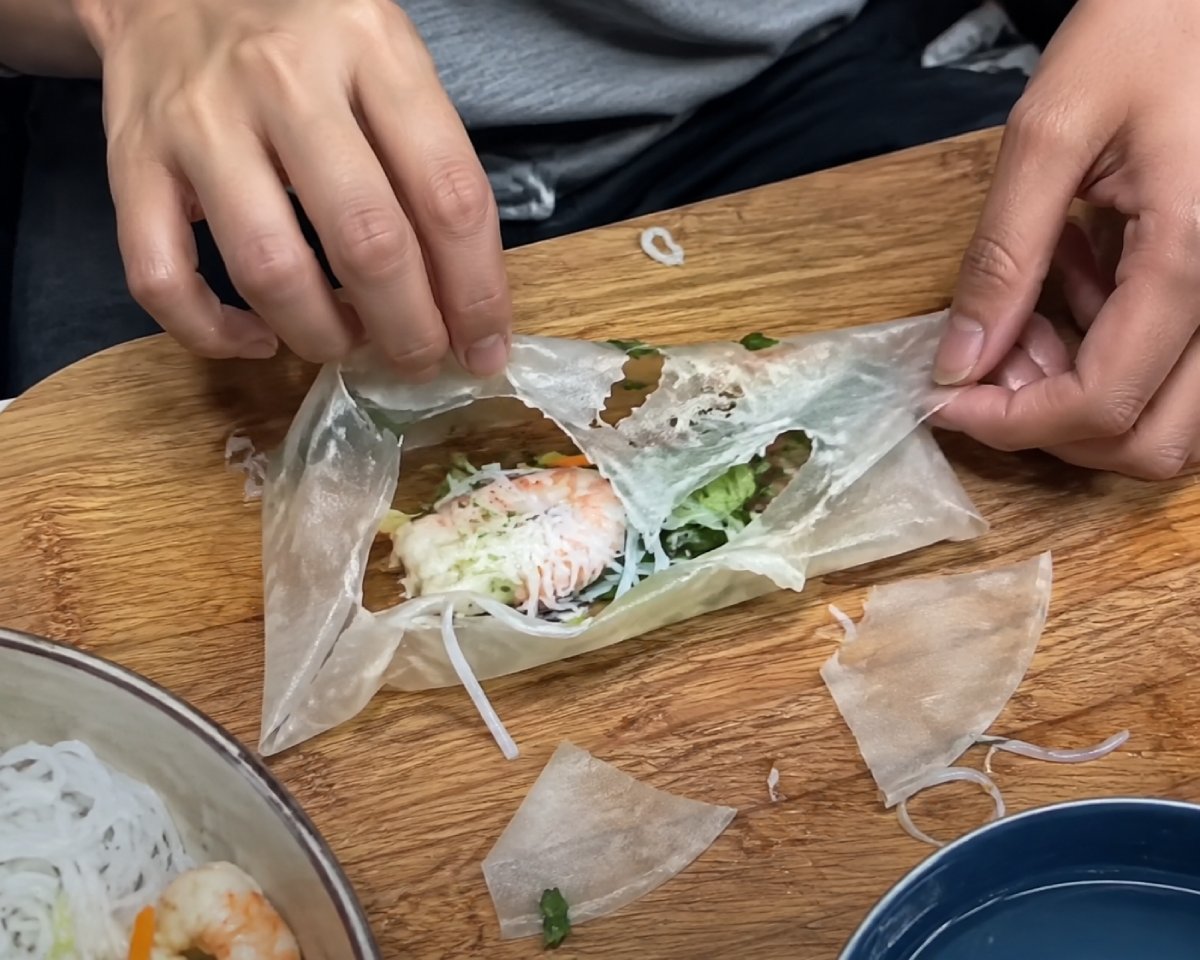
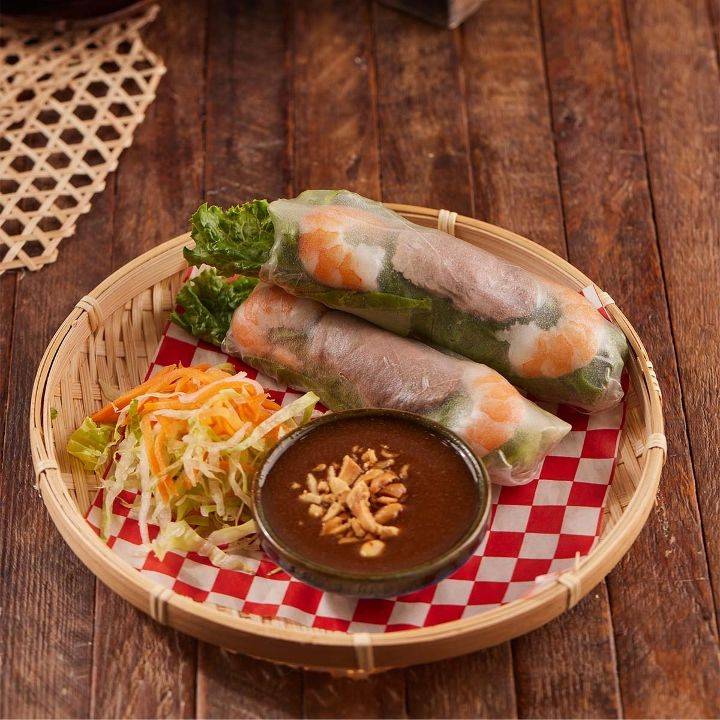
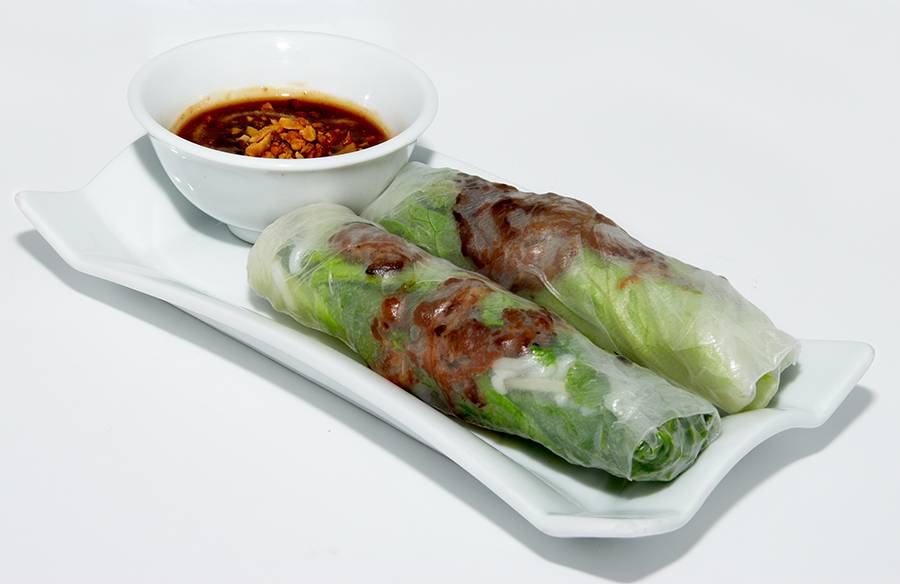
Fresh Vietnamese spring rolls, commonly called gỏi cuốn, are popular for their refreshing taste and combination of textures.
They are usually wrapped in soft rice paper and filled with rice vermicelli, lettuce, herbs, and protein.
Traditional versions often contain both shrimp and pork, which is an important detail for anyone avoiding pork.
Fortunately, some restaurants offer alternatives such as shrimp-only, tofu, or vegetable rolls.
Fresh rolls are typically served with a dipping sauce, which might contain hoisin sauce, peanuts, fish sauce, or other seasonings.
When ordering, ask two questions: Does the filling contain pork, and is the dipping sauce suitable for your dietary needs?
Don't assume that visible shrimp means the roll contains only seafood.
4. Grilled Chicken with Rice or Vermicelli
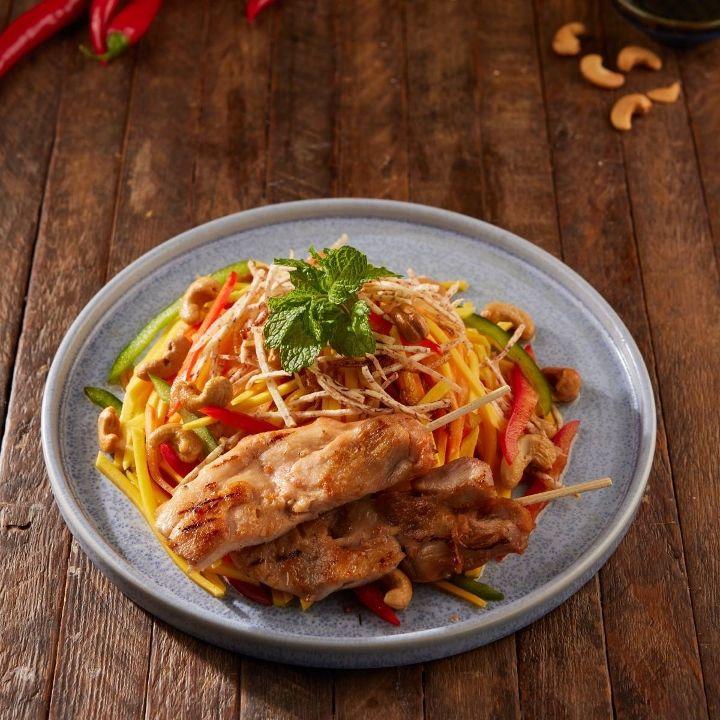
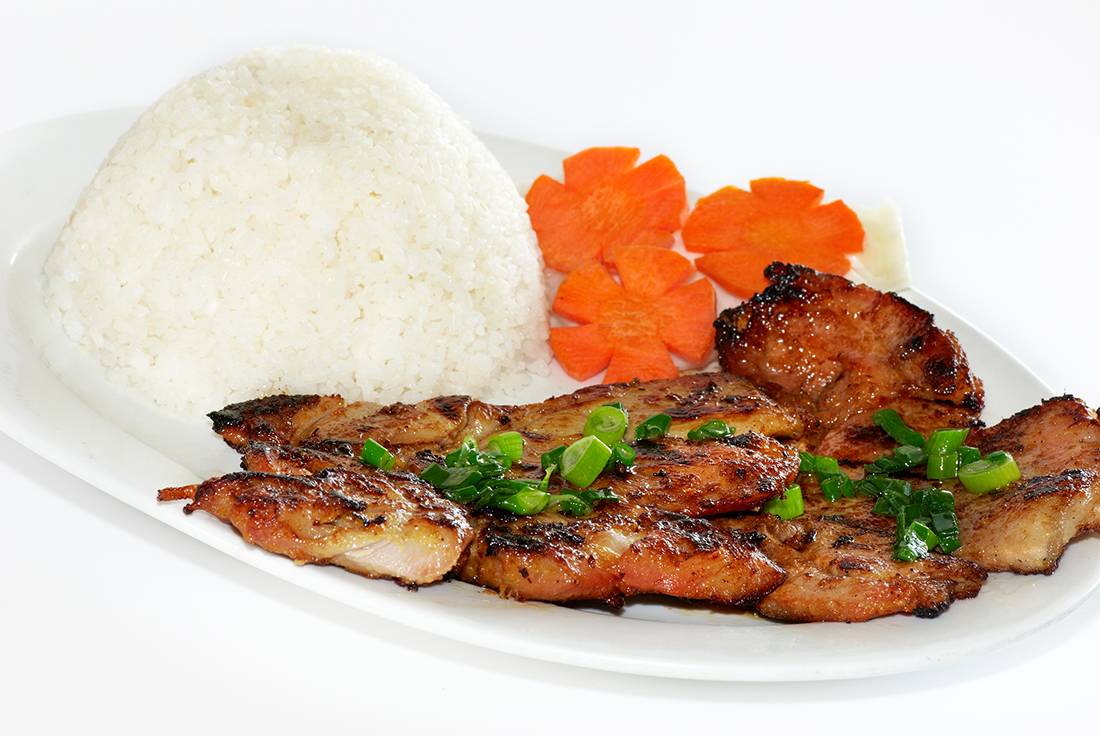
Grilled chicken is one of the most approachable options on many Vietnamese menus.
Vietnamese-style grilled chicken is often marinated with ingredients such as lemongrass, garlic, soy sauce, fish sauce, and other seasonings.
It may be served over steamed rice or vermicelli noodles with fresh vegetables and herbs.
Two menu terms worth recognizing are cơm gà nướng, referring to grilled chicken with rice, and bún gà nướng, referring to grilled chicken with vermicelli.
The combination of warm grilled meat, soft noodles or rice, and crisp vegetables makes these dishes especially appealing.
Many restaurants also serve them with nước chấm, a Vietnamese dipping sauce.
Although grilled chicken dishes don't normally require pork, recipes and cooking methods vary. Confirm that the marinade, toppings, and accompanying sauce do not contain pork-derived ingredients.
5. Vietnamese Seafood Noodle Soups
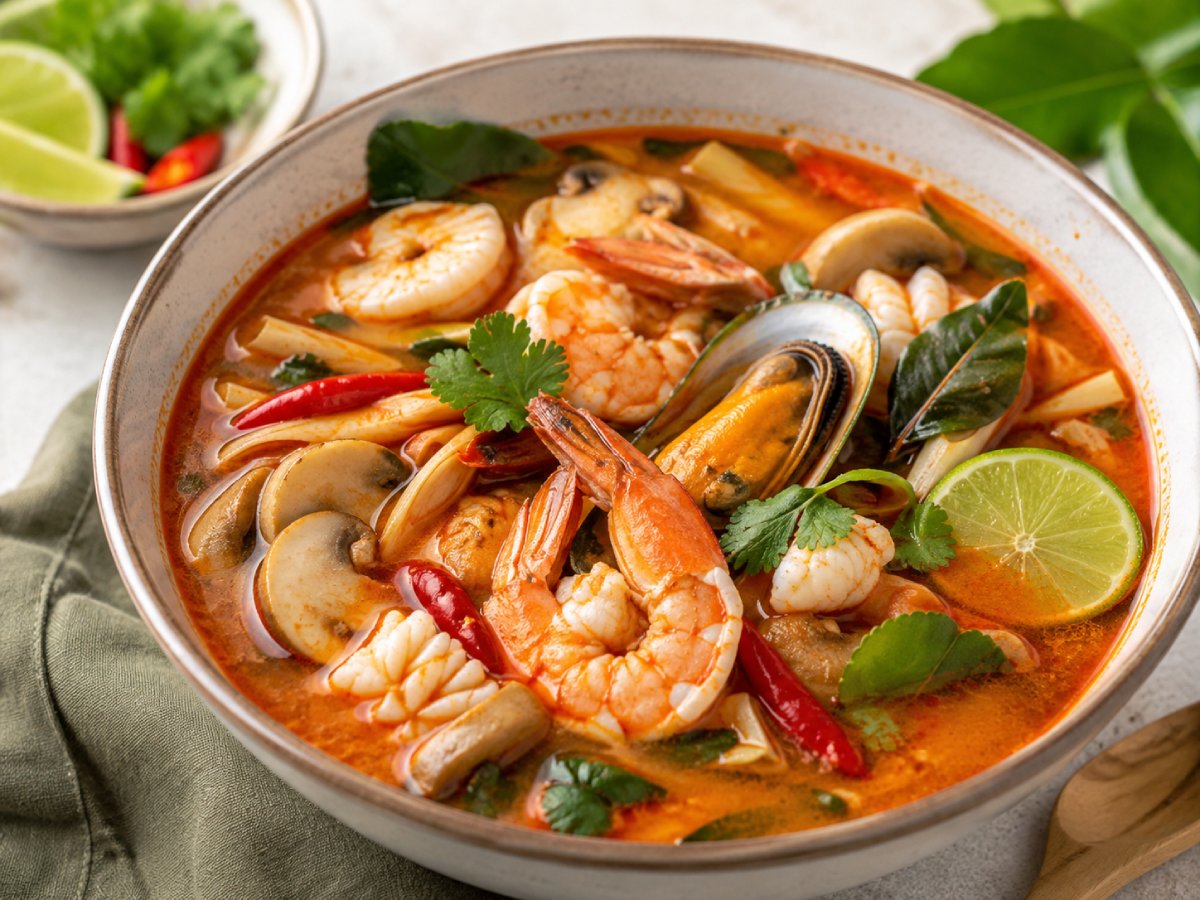
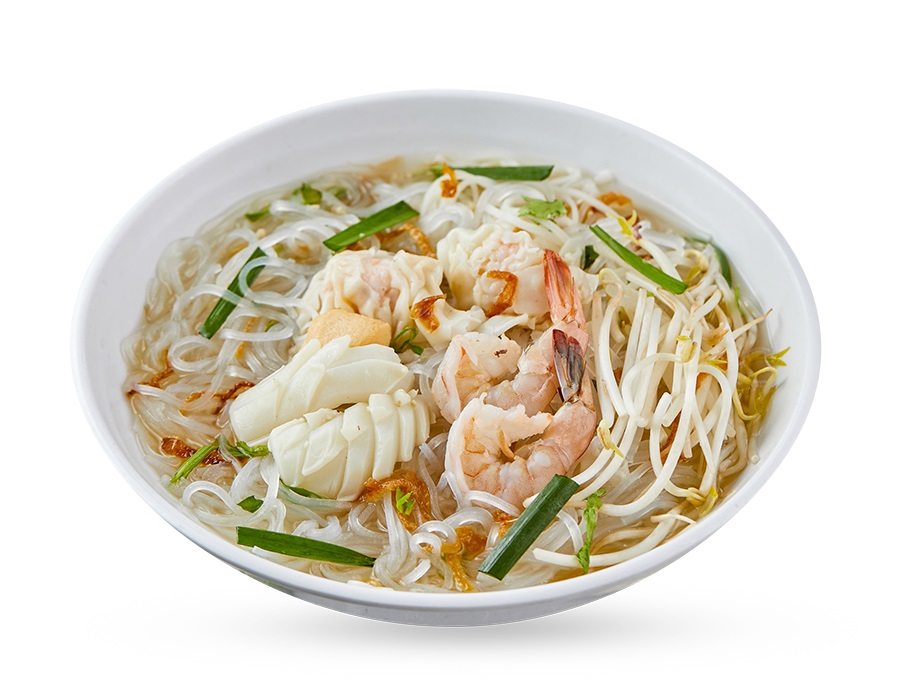
Vietnamese cuisine offers several seafood noodle dishes featuring ingredients such as shrimp, squid, fish, and seafood balls.
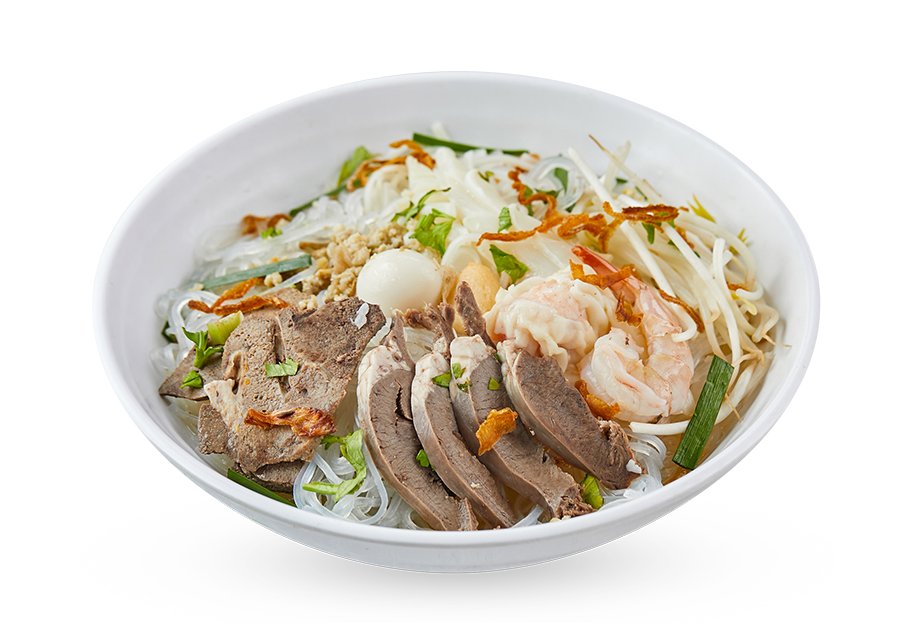
One example is hủ tiếu đồ biển, a seafood noodle soup that can include rice noodles, seafood, vegetables, and a savoury broth.
Depending on the recipe, the soup may feature garlic, herbs, green onions, and a variety of seasonings.
Seafood noodle soups can be a welcome alternative if you're looking for something other than chicken or beef.
But there's one important consideration: some versions of hủ tiếu use pork bones to create their broth, even when seafood is the main topping.
Fish balls and other processed seafood ingredients may also have additional ingredients.
Before ordering: Ask whether the broth is pork-free and whether the seafood toppings contain any pork or pork-derived additives.
6. Vietnamese Vegetarian and Tofu Dishes
Avoiding pork doesn't mean you must choose another kind of meat.
Vietnamese cuisine also offers many vegetable-based dishes featuring tofu, mushrooms, noodles, and fresh produce.
Look for dishes containing the word chay, which is commonly associated with vegetarian food.
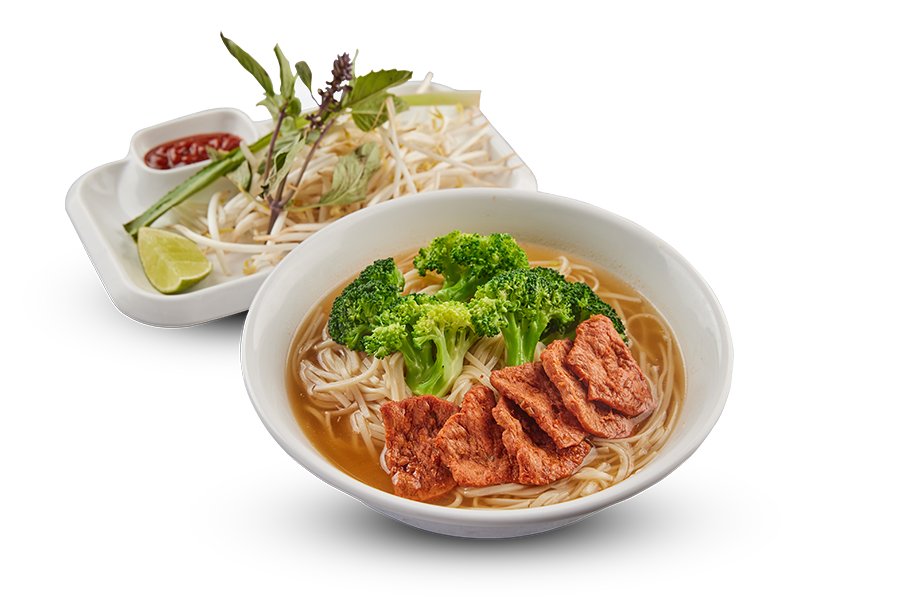
Depending on the restaurant, options may include tofu stir-fries, vegetable noodle bowls, vegetarian spring rolls, or vegetarian pho.
Tofu can be prepared in several ways, including frying, grilling, or simmering in a savoury sauce.
Mushrooms are also popular because they add depth and a satisfying texture to vegetable dishes.
However, a dish described as vegetable-based isn't automatically vegetarian or pork-free. Some kitchens use fish sauce, meat-based broth, or animal-derived seasonings.
If you also avoid other animal ingredients, explain your requirements clearly rather than relying only on the word "vegetarian."
7. Vietnamese Bánh Mì Without Pork
Bánh mì is a Vietnamese sandwich that combines a crisp baguette with savoury fillings, fresh herbs, and pickled vegetables.
Traditional versions frequently contain pork-based meats, pâté, or both.
However, some restaurants serve bánh mì with grilled chicken, beef, tofu, or other alternatives.
Common vegetables and garnishes include cucumber, cilantro, pickled carrots, and daikon radish.
If you're ordering a bánh mì without pork, pay particular attention to the spreads.
Pâté is often made with pork liver or other animal ingredients, while certain mayonnaise or seasoning preparations may vary.
Ask the restaurant to confirm the fillings, spreads, and seasonings rather than simply requesting the sandwich without visible pork.
Which Vietnamese Dishes Need Extra Attention?
Some dishes are more likely to contain pork, even when it isn't immediately obvious.
|
Vietnamese dish |
What to check |
|
Fresh spring rolls (gỏi cuốn) |
Traditional fillings may combine pork and shrimp. |
|
Fried spring rolls (chả giò) |
Fillings often include ground pork. |
|
Bánh mì |
Pâté, cold cuts, and other spreads may contain pork. |
|
Hủ tiếu noodle soup |
The broth may be prepared with pork bones. |
|
Bún bò Huế |
Traditional recipes often include pork bones or pork ingredients. |
|
Vegetarian noodle dishes |
Confirm that the broth and sauces are free of pork. |
These dishes aren't necessarily off-limits. Their suitability depends on how the restaurant prepares them.
How to Order Pork-Free Vietnamese Food Confidently
You don't need to understand every Vietnamese ingredient to order successfully. A few straightforward questions can help you avoid confusion.
Ask about the broth. Noodle soup broths sometimes contain ingredients that aren't visible in the finished dish. Ask whether pork bones, pork stock, or pork-based seasonings are used.
Check fillings and toppings. Spring rolls, sandwiches, meatballs, and mixed noodle bowls may contain more than one protein.
Ask about sauces and marinades. Most familiar Vietnamese sauces aren't inherently pork-based, but recipes and commercially prepared ingredients can differ.
Explain your requirements. Saying "I don't eat pork, including pork broth or pork fat" gives restaurant staff more useful information than simply saying "no pork."
Mention cross-contact concerns. If your requirements also involve shared cooking surfaces, fryers, or utensils, ask whether the kitchen can accommodate them.
If you follow halal or kosher dietary rules, avoiding pork alone may not be sufficient. Other ingredients, meat sourcing, alcohol-based seasonings, and kitchen practices may matter too. A pork-free menu item should not automatically be considered halal or kosher.
Is It Easy to Enjoy Vietnamese Food Without Pork?
Yes. Vietnamese cuisine offers considerable variety beyond pork dishes.
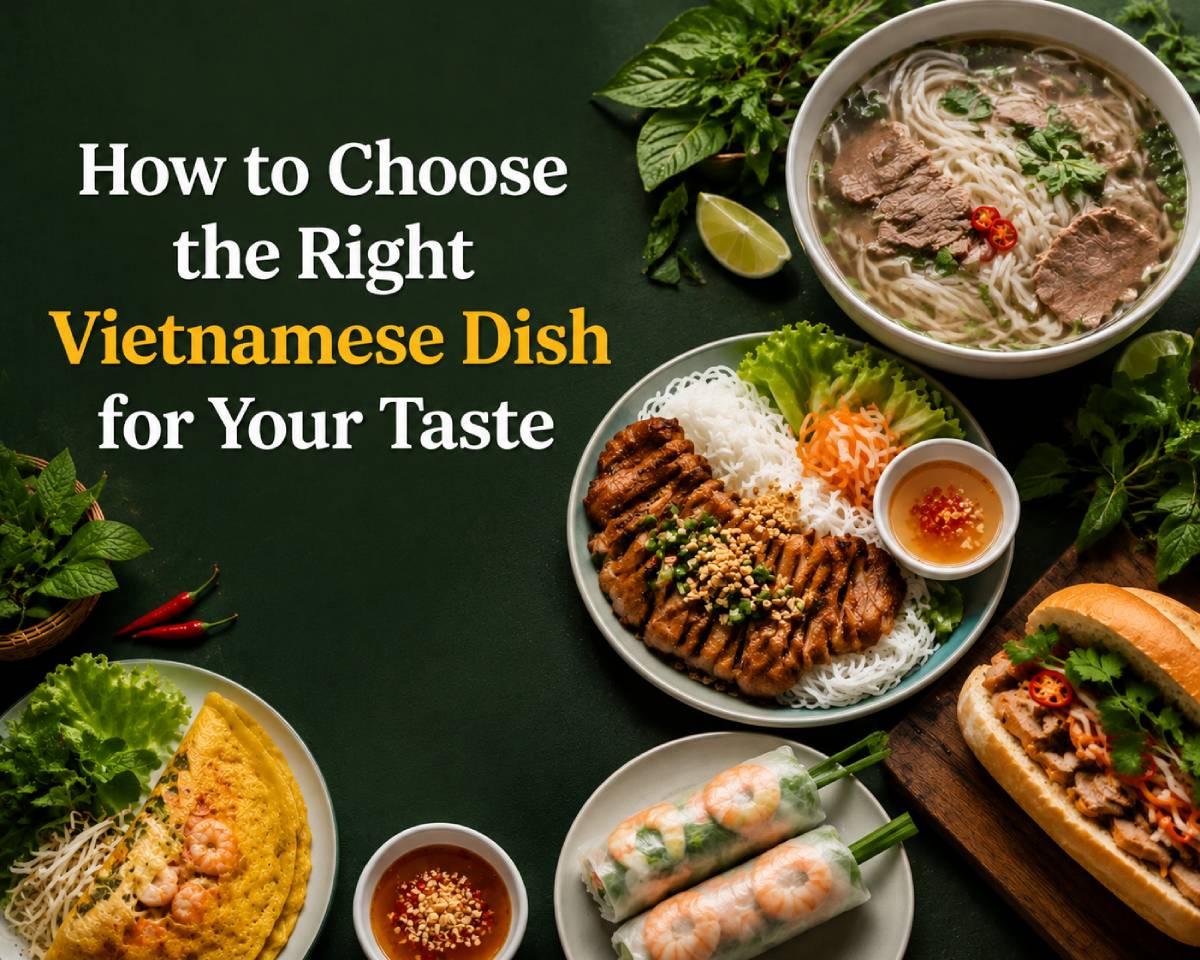
You can explore fragrant beef pho, comforting chicken soup, grilled chicken over rice, seafood noodles, tofu dishes, and carefully selected fresh rolls.
The key is remembering that restaurant recipes aren't always identical.
Rather than guessing from a dish's name or appearance, ask about the broth, fillings, and sauces whenever necessary.
Vietnamese food is worth exploring for its balance of savoury flavours, fragrant herbs, fresh vegetables, and satisfying textures. Avoiding pork doesn't mean missing out on those experiences.
Frequently Asked Questions
Does Vietnamese pho contain pork?
Not always. Traditional beef pho generally uses beef-based broth, while chicken pho is commonly prepared with chicken. However, restaurant recipes can differ, and some kitchens may use shared stocks or other ingredients. Always confirm the broth and toppings if you need your meal to be completely pork-free.
Are Vietnamese spring rolls pork-free?
Some are, but many traditional fresh spring rolls contain both shrimp and pork. Fried spring rolls also frequently include ground pork. Ask whether shrimp-only, tofu, or vegetable versions are available, and check the dipping sauce if you have additional dietary restrictions.
Can I eat bánh mì if I avoid pork?
Yes, provided the restaurant offers a suitable filling and confirms the other ingredients. Grilled chicken, beef, or tofu bánh mì may be available. Remember to ask about pâté, cold cuts, spreads, and seasonings, since these can contain pork even when the main filling doesn't.
Is Vietnamese food suitable for a halal diet?
Some Vietnamese dishes can be prepared with halal-compatible ingredients, but being pork-free doesn't automatically make a meal halal. Meat sourcing, alcohol-containing ingredients, broth, sauces, and food preparation practices may also be relevant. Ask the restaurant about its ingredients and halal certification or practices before ordering.
What is the easiest Vietnamese dish to try if I don't eat pork?
Beef pho, chicken pho, and grilled chicken with rice are good starting points because their main proteins are easy to identify. However, suitability still depends on the broth, seasonings, sauces, and cooking methods. Confirm these details with the restaurant before placing your order.
Final Thoughts
You don't have to give up the pleasure of Vietnamese cuisine simply because you avoid pork. With so many beef, chicken, seafood, and vegetable-based dishes available, there is plenty to discover.
Start with a dish that sounds appealing, ask a few questions about how it's prepared, and enjoy exploring the fresh ingredients and distinctive flavours that make Vietnamese food so popular.