What Is GERD and Why Does Food Matter?
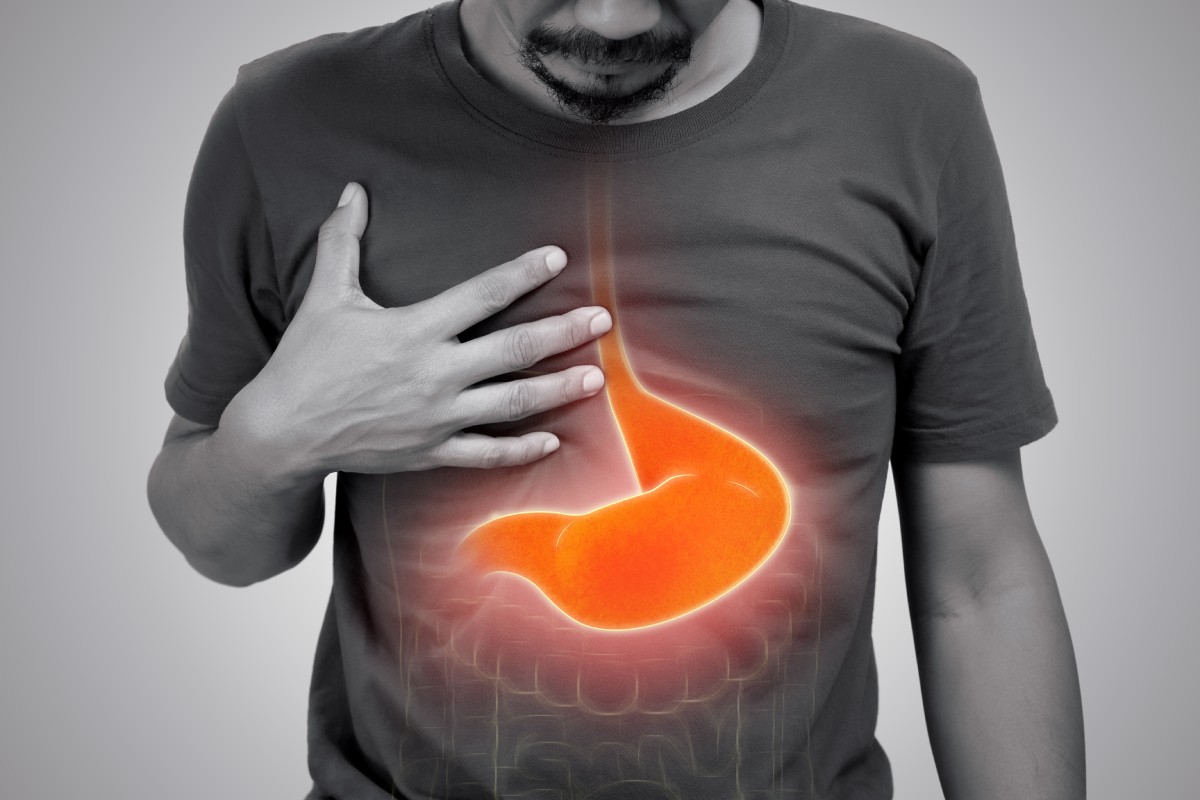
GERD is a digestive condition where stomach acid frequently moves upward into the esophagus, the tube that connects your mouth to your stomach. This backward flow of acid can cause symptoms such as:
- Heartburn or a burning feeling in the chest
- A sour taste in the mouth
- Throat irritation
- Burping
- Feeling of pressure after eating
- Discomfort when lying down after meals
Certain foods and eating habits can make these symptoms worse. Common triggers include spicy foods, fatty meals, acidic ingredients, caffeine, alcohol, and eating large portions.
However, food triggers are different for everyone. A meal that causes reflux for one person may not affect another person in the same way.
Is Pho Naturally Good for Acid Reflux?
Traditional pho has several qualities that may make it easier to tolerate compared with heavier meals.
Pho is usually:
- Warm and hydrating
- Made with broth rather than thick sauces
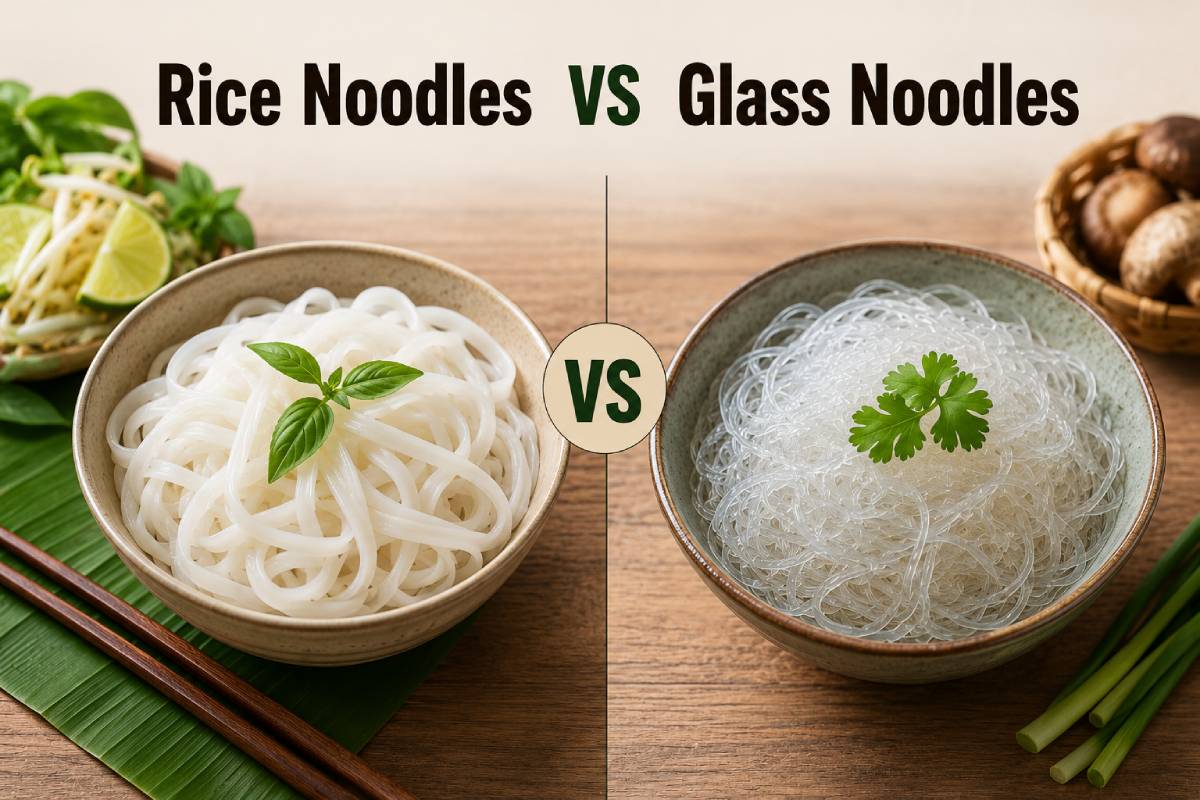
- Served with rice noodles instead of fried ingredients
- Prepared with fresh herbs and vegetables
- Lower in dairy compared with many Western comfort foods
A lighter soup-based meal can sometimes feel easier on digestion because it is not as heavy as fried or high-fat dishes.
The broth in pho also provides fluid, and the rice noodles are generally mild and easy to digest. For some people with GERD, these characteristics make pho a more comfortable option.
However, the ingredients added to pho can change how your body responds.
Ingredients in Pho That May Trigger Acid Reflux
While pho itself is not automatically a reflux trigger, some common additions may increase symptoms.
1. Spicy Ingredients
Many people enjoy adding chili peppers, chili oil, or spicy sauces to pho. While these ingredients create a stronger flavor, spicy foods are a common reflux trigger for many individuals.
Spicy ingredients may irritate the esophagus or increase the feeling of burning after eating.
If you have GERD, consider starting with a mild version of pho and adding only a small amount of spice if your body tolerates it.
2. Fatty Cuts of Meat
Traditional pho can include different types of meat, including beef. Some cuts contain more fat than others.
High-fat foods may slow digestion, which can increase pressure in the stomach. This pressure can make it easier for stomach acid to move upward.
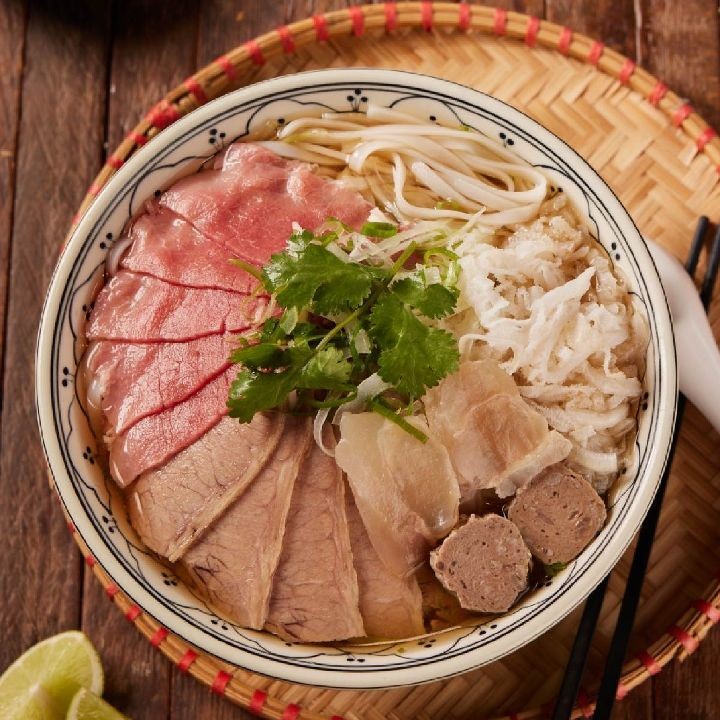
If you are sensitive to reflux, choosing leaner protein options such as:
- Lean beef slices
- Chicken pho
- Shrimp
- Tofu
may be easier on your digestive system.
3. Large Portions
Even foods that are generally healthy can cause problems when eaten in large amounts.
A large bowl of pho contains noodles, broth, protein, and toppings. Eating too much at once can stretch the stomach and increase the likelihood of reflux.
A smaller portion eaten slowly may be more comfortable.
4. Acidic Additions
Many people add lime juice to pho for extra freshness. While lime adds flavor, citrus fruits are acidic and may trigger symptoms in some people with GERD.
You do not necessarily need to avoid lime completely. Instead, try using a small amount and notice how your body reacts.
How to Make Pho More GERD-Friendly
If you enjoy pho but want to reduce the chance of acid reflux, a few simple adjustments can make a difference.
Choose a Lighter Broth
A very rich or oily broth may be harder for some people with GERD to tolerate. A lighter broth with less visible oil may be a better option.
When ordering pho at a restaurant, you can ask for:
- Less oil
- Lean protein
- More vegetables
- Less spicy toppings
Be Careful with Spices
Instead of adding a large amount of chili sauce immediately, start with a small amount. You can always add more later.
Fresh herbs such as basil, cilantro, and green onions can add plenty of flavor without creating the same level of heat.
Eat Slowly
Eating quickly can cause you to swallow more air and may contribute to bloating or discomfort.
Take your time with pho. Eating slowly gives your body a chance to recognize fullness before you overeat.
Avoid Lying Down After Eating
One of the most important habits for people with GERD is staying upright after meals.
Avoid lying down immediately after eating pho. Giving your body time to digest can reduce the chance of acid moving back into the esophagus.
Many people find it helpful to wait several hours before going to bed after a larger meal.
Can Pho Broth Help with Digestion?
Many people associate soup with comfort and easy digestion. A warm broth-based meal can feel soothing, especially when compared with heavy fried foods.
Pho broth often contains ingredients such as ginger, herbs, and spices that contribute to its aroma and flavor. Ginger, in particular, has traditionally been used in many cultures as a digestive ingredient.
However, it is important to remember that pho is not a treatment for GERD. While some ingredients may feel comforting, GERD management usually depends on overall eating habits, lifestyle choices, and medical guidance when needed.
Pho vs Other Popular Meals for GERD
When compared with some heavier restaurant meals, pho may be a reasonable option for many people with reflux.
For example:
Pho:
- Broth-based
- Customizable
- Can include lean protein and vegetables
Fried foods:
- Higher in fat
- May slow digestion
- Commonly associated with reflux symptoms
Cream-based dishes:
- Often higher in fat
- May feel heavier after eating
Spicy fried dishes:
- Combine multiple possible triggers
This does not mean pho is always better for everyone. Individual tolerance matters more than general rules.
Signs That Pho May Not Work for You
Even if pho seems like a healthy choice, pay attention to your symptoms.
You may want to adjust your meal if you notice:
- Heartburn after eating pho
- A sour taste afterward
- Chest discomfort
- Increased burping
- Throat irritation
Keeping a simple food diary can help identify patterns. Write down what you ate, the portion size, and any symptoms afterward.
Over time, you may discover which ingredients are comfortable for your body and which ones cause problems.
Restaurant Pho vs Homemade Pho
Eating pho at a restaurant can be convenient, but you have less control over ingredients.
Restaurant versions may contain:
- Richer broth
- More oil
- Larger portions
- Extra sauces and spicy toppings
Making pho at home allows you to adjust the recipe based on your needs.
You can control:
- The amount of fat in the broth
- The spice level
- The protein choice
- The portion size
- The toppings
For people managing GERD symptoms, customization can make a significant difference.
Final Thoughts: Can You Eat Pho With GERD?
Yes, many people with GERD can enjoy pho, but the best approach is to make thoughtful choices. A mild bowl of pho with a lighter broth, lean protein, moderate portions, and fewer spicy ingredients may be easier to tolerate.
However, GERD triggers are highly personal. The most important thing is paying attention to how your body responds.
Pho does not have to be removed from your diet simply because you experience acid reflux. By choosing the right ingredients, eating mindfully, and avoiding common triggers, you may still enjoy this flavorful Vietnamese dish while supporting better digestive comfort.
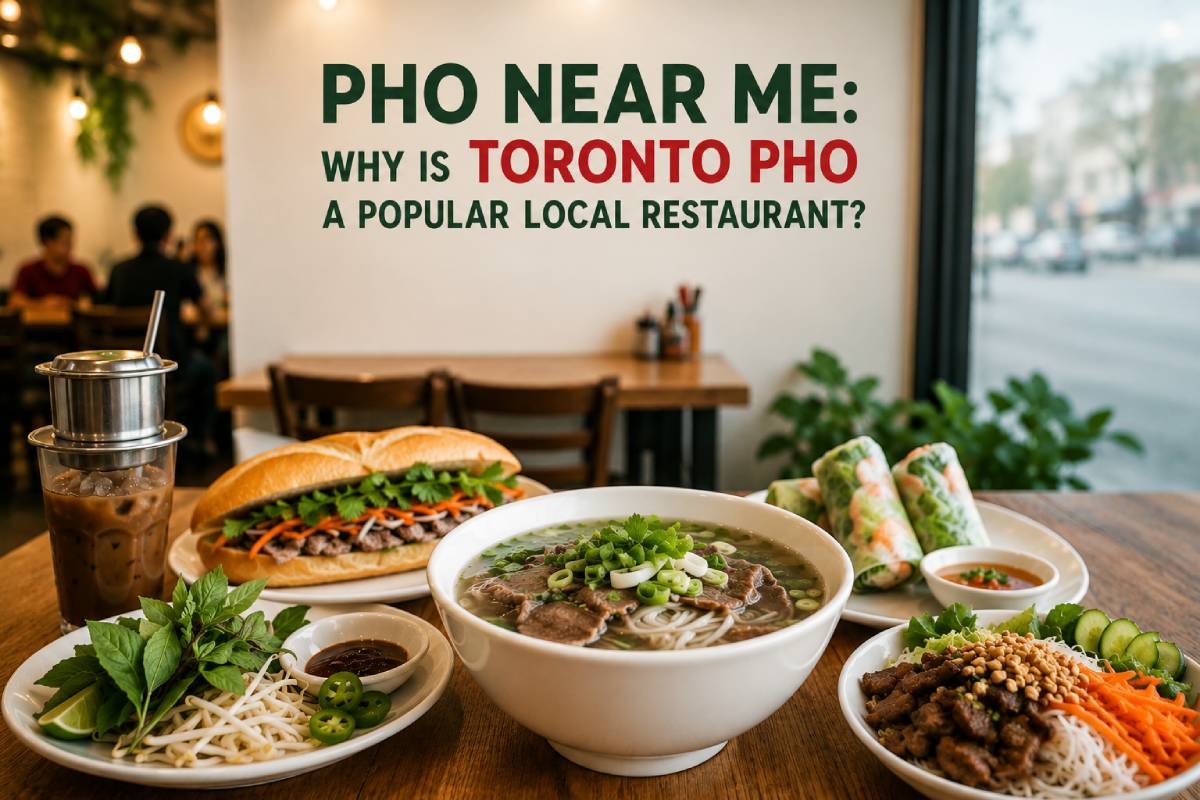
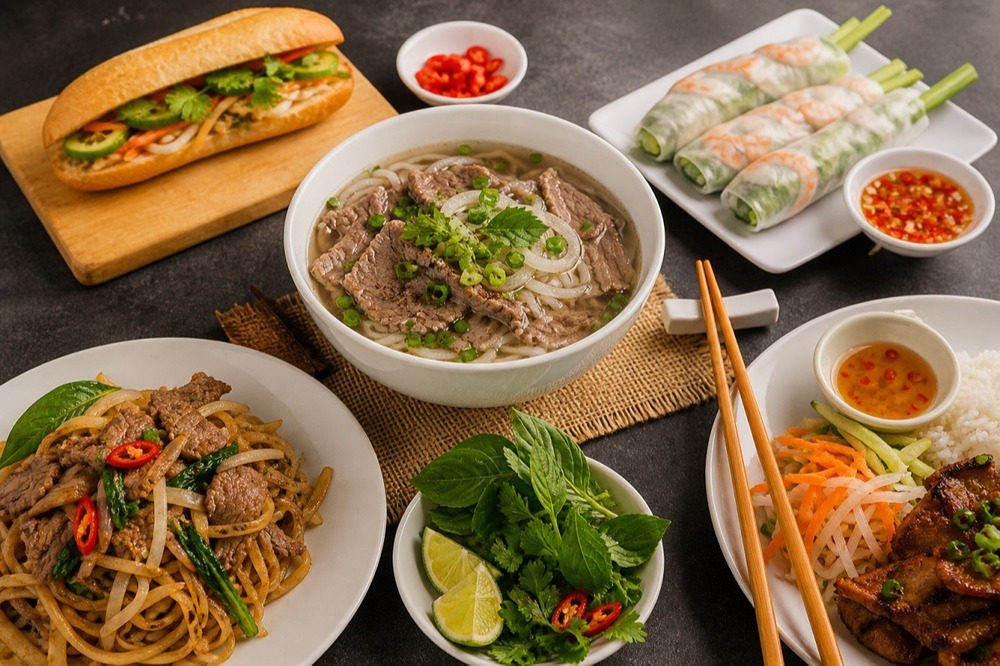
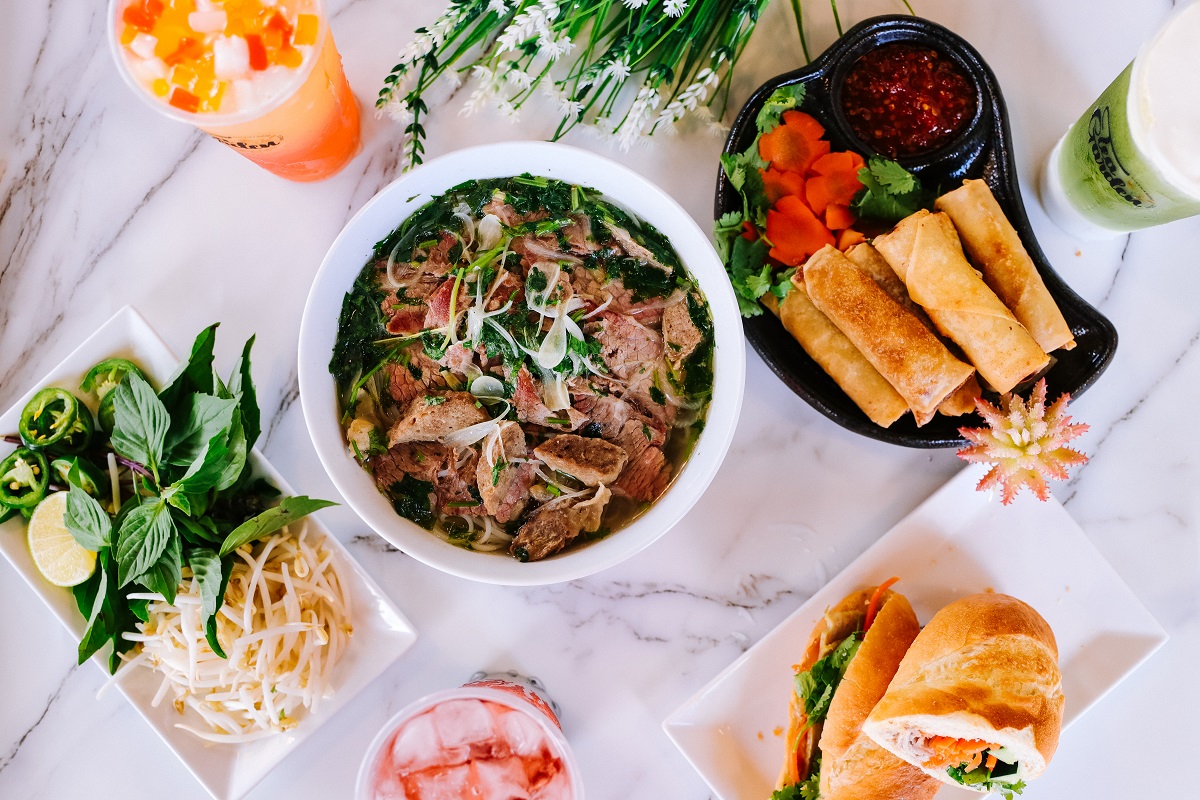
Here are some delicious food and drinks to try when ordering from PHO restaurants in Toronto:
Rare Beef and Well-Done Beef (Phở Tái Nạm)
Rare Beef and Tendon (Phở Tái Gân)
Rare Beef and Tripe (Phở Tái Sách)
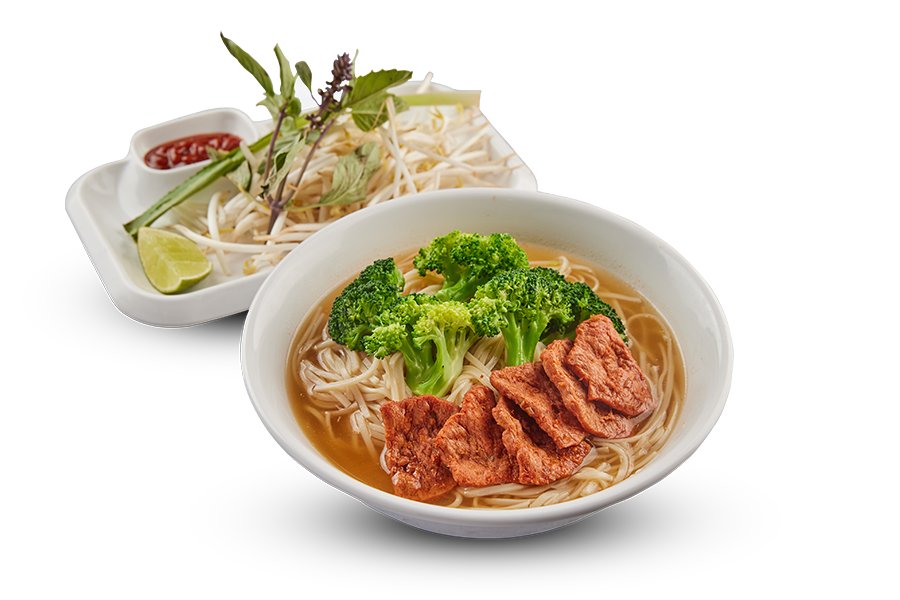
Rice Noodle Soup with Vegetable and Tofu. (Phở CHAY)