Why Is Rice Paper So Easy to Tear?
Vietnamese rice paper, often called bánh tráng, is made mainly from rice flour, water, and sometimes tapioca starch or other ingredients.
When dry, the wrapper is firm and brittle. Once it comes into contact with water, it starts absorbing moisture and becomes soft and flexible.
This change happens quickly.
If the wrapper absorbs too much water, it can become weak, sticky, and difficult to control. If it does not absorb enough water, it may remain stiff and crack when folded.
The goal is to soften the rice paper just enough that it can bend without becoming overly wet.
That balance is one of the most important parts of making Vietnamese rolls successfully.
1. The Rice Paper Was Soaked for Too Long
One of the most common reasons Vietnamese rolls tears is over-soaking the rice paper.
Many beginners wait until the wrapper feels completely soft before removing it from the water. By that point, it may already have absorbed too much moisture.
Rice paper continues softening even after you remove it from the water.
That means you usually do not need to soak it until it feels completely flexible.
Easy Fix
Dip the rice paper briefly in lukewarm or room-temperature water.
Depending on the brand and thickness, a quick dip of a few seconds may be enough.
Place the wrapper on your work surface while it is still slightly firm. Wait a few moments before adding the filling.
As the rice paper sits, it will continue absorbing moisture and become easier to fold.
This method gives you more control and reduces the chance of tearing.
2. The Water Is Too Hot
Hot water may seem helpful because it softens rice paper faster, but it can actually make rolling more difficult.
Very warm water causes the wrapper to soften too quickly. It may become sticky before you have time to arrange your ingredients.
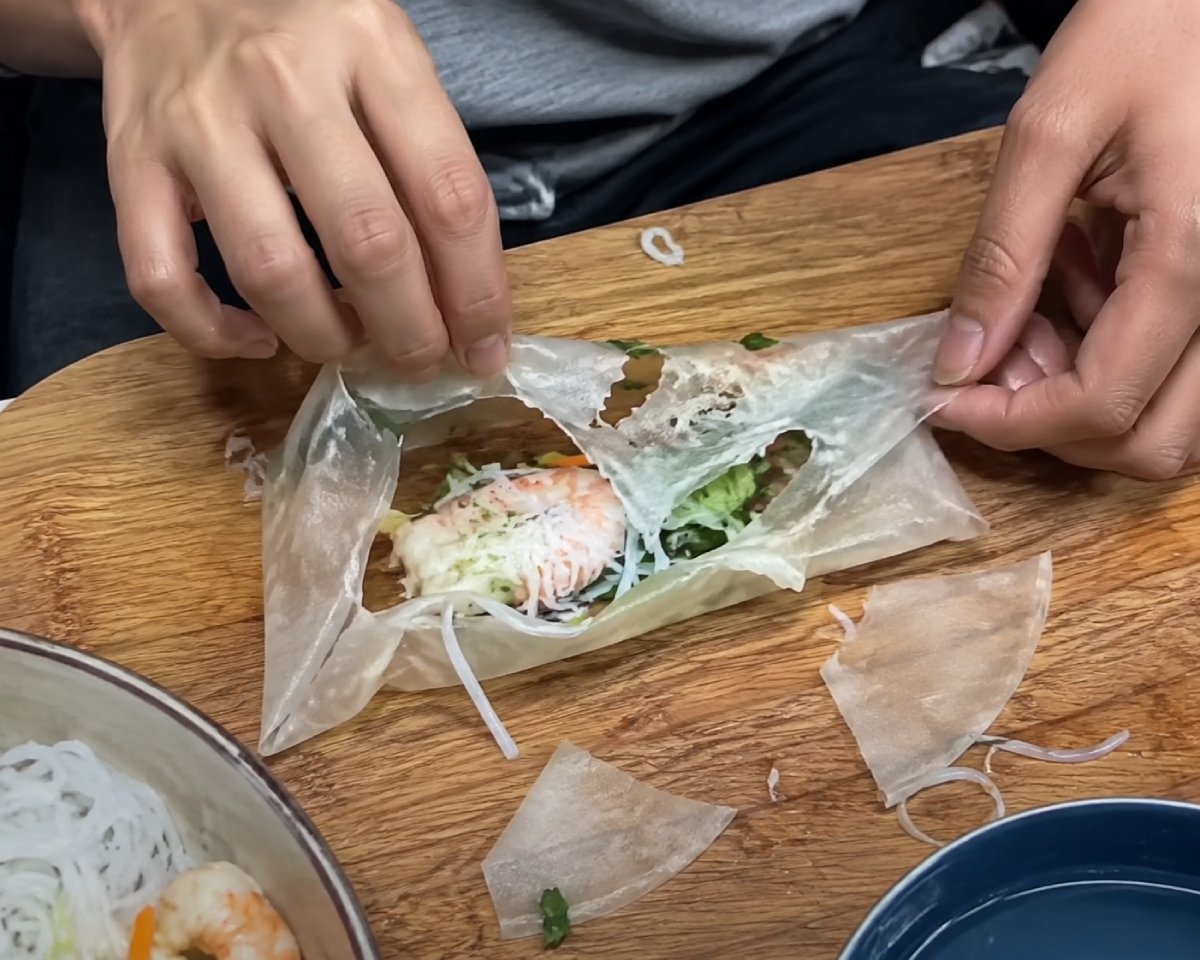
Once the wrapper becomes extremely soft, even a small amount of pressure can create a hole.
Easy Fix
Use cool, room-temperature, or slightly lukewarm water.
The exact temperature depends on the type of rice paper you are using, but extremely hot water is rarely necessary.
Slower softening gives you more time to work and makes the wrapper easier to handle.
3. You Are Using Too Much Filling
Overfilling is another major cause of torn Vietnamese rolls.
It is tempting to add extra noodles, vegetables, shrimp, meat, and herbs because a fuller roll looks more satisfying.
However, rice paper can only stretch so far.
When too much filling is packed inside, the wrapper becomes tight. As you pull the rice paper around the ingredients, the pressure can cause it to split.
Even if the roll does not tear immediately, it may break while being moved, served, or eaten.
Easy Fix
Start with less filling than you think you need.
Leave enough empty rice paper around the ingredients so that you can fold the sides and roll the wrapper comfortably.
After making a few rolls, you will get a better sense of how much filling each wrapper can hold.
A slightly smaller roll is usually easier to handle and more enjoyable to eat.
4. Hard Ingredients Are Pressing Against the Wrapper
Some ingredients can damage rice paper even when the roll is not overfilled.
Sharp pieces of carrot, cucumber, lettuce stems, bean sprouts, or crispy vegetables can press directly against the thin wrapper.
As you tighten the roll, these firm edges may puncture the rice paper.
This can create small holes that become larger during rolling.
Easy Fix
Pay attention to where harder ingredients are placed.
Keep sharp or firm vegetables closer to the center of the filling.
Place softer ingredients such as rice noodles, lettuce leaves, or herbs between the harder vegetables and the rice paper.
You can think of these softer ingredients as a protective layer.
Thinly slicing firm vegetables can also make a major difference.
5. The Filling Is Too Wet
Vietnamese rolls often contain fresh ingredients such as lettuce, cucumber, herbs, shrimp, noodles, or cooked meat.
If these ingredients are very wet, the extra moisture can weaken the rice paper.
Wet noodles or freshly washed vegetables can make the wrapper slippery and fragile.
Sauces placed directly inside the roll can create the same problem.
Easy Fix
Dry the ingredients before assembling the rolls.
After washing lettuce, mint, cilantro, or other herbs, shake off the excess water or gently pat them dry.
Drain rice noodles well before using them.
If shrimp or meat is sitting in liquid, remove the excess moisture before adding it to the wrapper.
It is usually better to serve dipping sauce on the side rather than adding a large amount inside the roll.
6. You Are Rolling Too Tightly
A Vietnamese roll should feel firm enough to hold together, but it should not be pulled as tightly as possible.
If you stretch the rice paper too much, especially around firm ingredients, the wrapper can tear.
This often happens when someone tries to make the roll look perfectly compact.
Easy Fix
Roll firmly but gently.
After folding the bottom section over the filling, lightly pull the ingredients toward you to keep the roll organized.
Then fold in the sides and continue rolling forward.
Use enough pressure to keep everything together, but avoid aggressively stretching the rice paper.
The wrapper should hold the ingredients, not squeeze them.
7. You Are Rolling Too Slowly
Once rice paper has been softened, timing matters.
If you leave the wrapper sitting for too long before rolling, it can become increasingly soft and sticky.
Eventually, it may stick to your work surface or become difficult to lift.
When you try to separate it from the surface, it may tear.
Easy Fix
Prepare your ingredients before soaking the first wrapper.
Arrange your noodles, vegetables, herbs, shrimp, meat, and other fillings within easy reach.
Then soften one rice paper wrapper at a time.
Once the wrapper is ready, add the filling and roll it without unnecessary delay.
A simple assembly station can make the process much smoother.
8. Your Work Surface Is Causing the Wrapper to Stick
Rice paper can stick strongly to certain surfaces, especially after it becomes very soft.
A wet cutting board, smooth plate, or sticky countertop can make the wrapper difficult to lift.
Pulling a stuck wrapper away from the surface may cause it to stretch or split.
Easy Fix
Use a clean, slightly damp work surface.
A wooden cutting board, smooth plate, or clean kitchen towel can work well depending on your preference.
The surface should not be covered in standing water.
If necessary, lightly dampen it instead of making it completely wet.
You may need to experiment with different surfaces to find the one that works best with your brand of rice paper.
9. The Rice Paper Quality or Thickness Is Different
Not all rice paper is the same.
Some wrappers are very thin and designed to become soft almost instantly. Others are thicker and can tolerate more filling and handling.
Different brands may also contain different amounts of rice flour and tapioca starch.
As a result, a soaking method that works perfectly for one brand may not work for another.
Easy Fix
Read the package instructions, but also pay attention to how the wrapper behaves.
If your rice paper keeps becoming too soft, shorten the soaking time.
If it cracks during folding, give it slightly more moisture or a little more resting time before rolling.
For beginners, slightly thicker rice paper can sometimes be easier to handle.
10. The Wrapper Is Still Too Dry
While over-soaking is common, the opposite problem can also cause tearing.
If rice paper is too dry, it may crack instead of stretch.
You may notice small splits near the edges when you fold the wrapper.
Easy Fix
Make sure the entire surface of the wrapper comes into contact with water.
If necessary, rotate it through the water so every section becomes lightly moistened.
Then allow it to rest briefly before rolling.
The wrapper should feel flexible but not mushy.
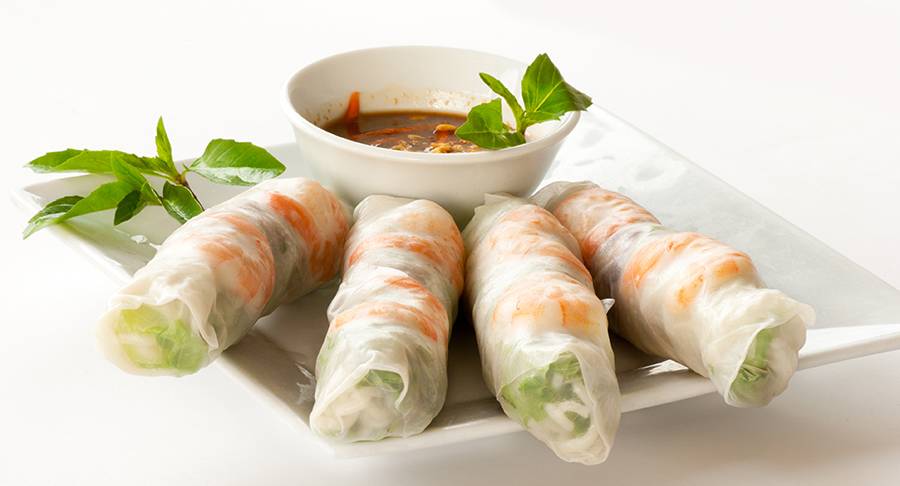
What Should You Do If the Rice Paper Tears?
A small tear does not always mean you need to start over.
If the hole is minor and the filling is still contained, you may be able to continue rolling.
You can also place a small softened piece of rice paper over the damaged area as a patch.
Another option is to wrap the entire roll in a second rice paper sheet.
The second-wrapper method works especially well if the first wrapper has split badly but the filling is still organized.
The finished roll will be slightly thicker, but it can still taste perfectly good.
How to Make Vietnamese Rolls Easier to Roll
A simple routine can reduce most rice paper problems.
First, prepare and dry all your ingredients.
Next, fill a shallow plate or bowl with room-temperature or slightly warm water.
Dip one rice paper wrapper briefly into the water and place it on your work surface.
Wait a few seconds for it to soften naturally.
Place a moderate amount of filling near the lower third of the wrapper.
Keep sharp ingredients away from direct contact with the rice paper.
Fold the bottom edge over the filling, fold in the sides, and roll forward gently.
Repeat the process one wrapper at a time.
After a few attempts, you will start recognizing the correct texture automatically.
Practice Matters More Than Perfect Technique
Vietnamese rolls are one of those foods that become much easier with repetition.
Your first few rolls may be loose, uneven, or slightly torn. That is normal.
The most important thing is learning how your rice paper responds to water.
Once you understand the correct soaking time and filling amount, the process becomes much more predictable.
You will also become faster at arranging ingredients and rolling before the wrapper becomes too soft.
Final Thoughts
Vietnamese rolls usually tear because the rice paper is too wet, too dry, overloaded, stretched too tightly, or placed around ingredients that are too sharp or wet.
Fortunately, none of these problems are difficult to fix.
Use moderate-temperature water, soak the wrapper briefly, prepare your ingredients in advance, avoid overfilling, keep firm vegetables away from the outer layer, and roll with gentle pressure.
Most importantly, remember that rice paper continues softening after it leaves the water.
Once you understand that simple detail, making Vietnamese rolls becomes much easier.
A little practice is usually all it takes to go from wrappers that tear constantly to neat, flexible rolls that hold together from the first bite to the last.
Here are some delicious food and drinks to try when ordering from PHO restaurants in Toronto:
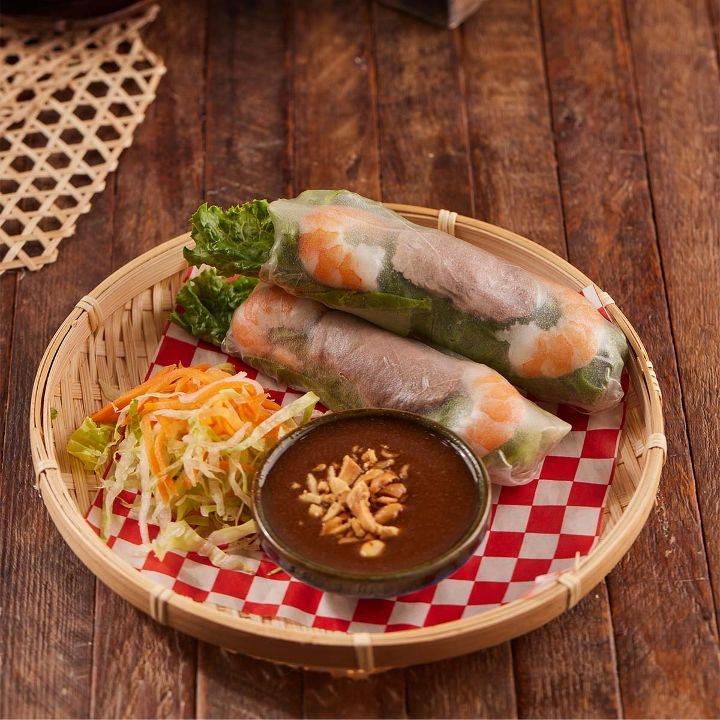
Grilled Pork Roll (Thịt Nướng Cuốn)
Grilled Beef Roll (Bò Nướng Cuốn)
Grilled Chicken Roll (Gà Nướng Cuốn)