Understanding What Makes Pho Special
Before deciding what to eat first, it helps to understand the main components of pho.
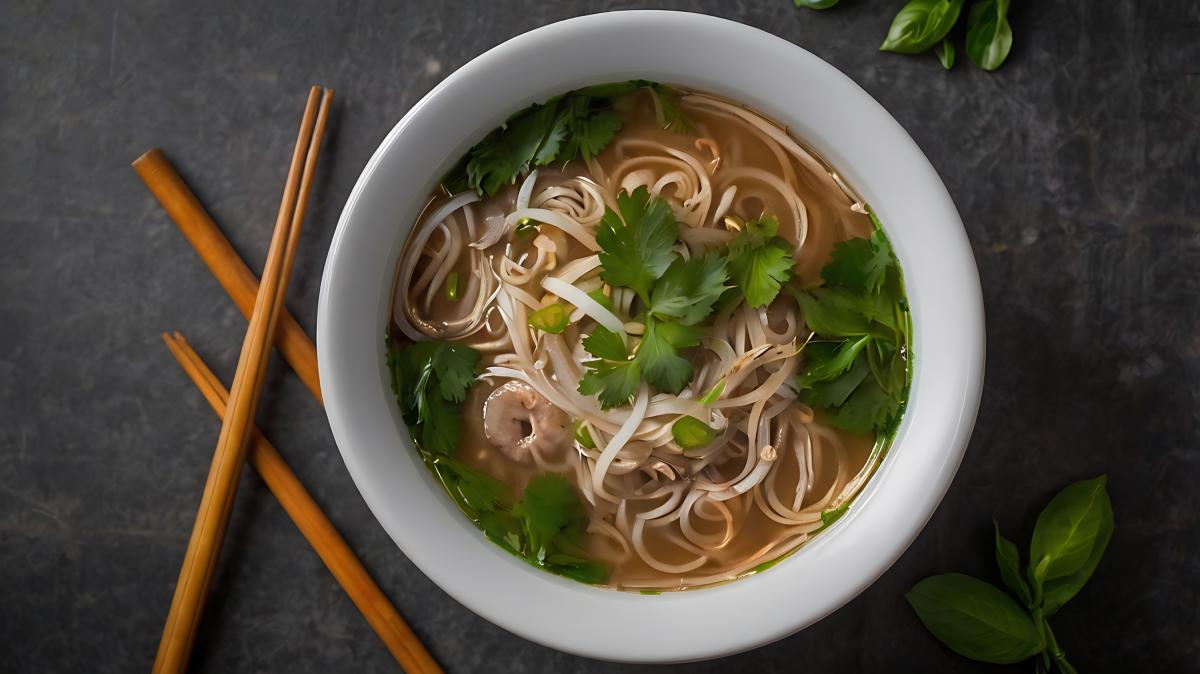
Traditional Vietnamese pho usually contains several important ingredients that create its distinctive character.
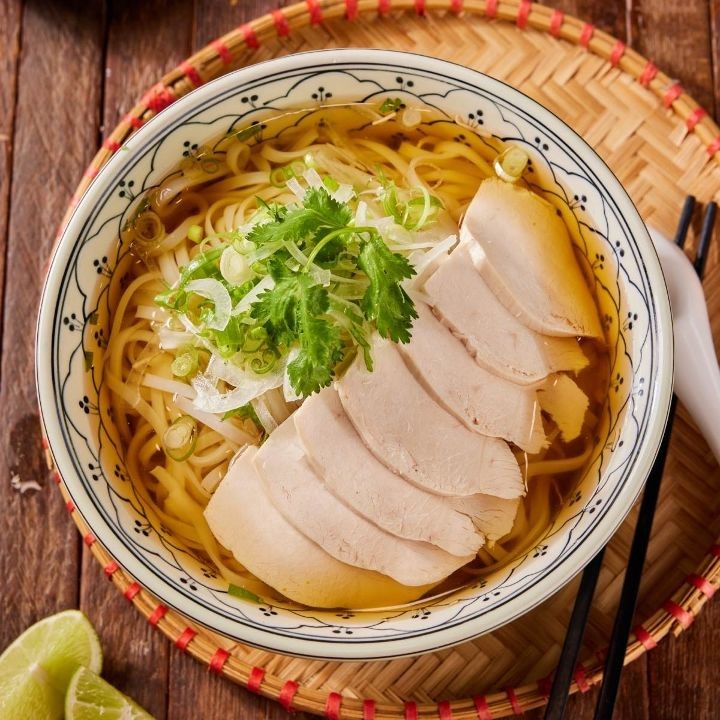
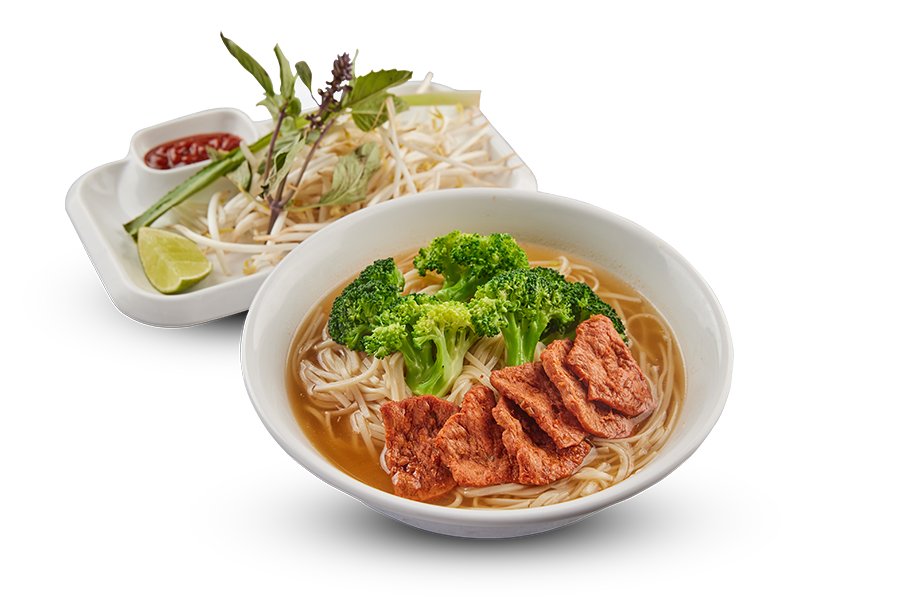
The broth is the foundation of the dish. Depending on the recipe, it may be prepared using beef bones, chicken, aromatics, and spices. Ingredients such as star anise, cinnamon, ginger, and onion help develop the familiar fragrance associated with pho.
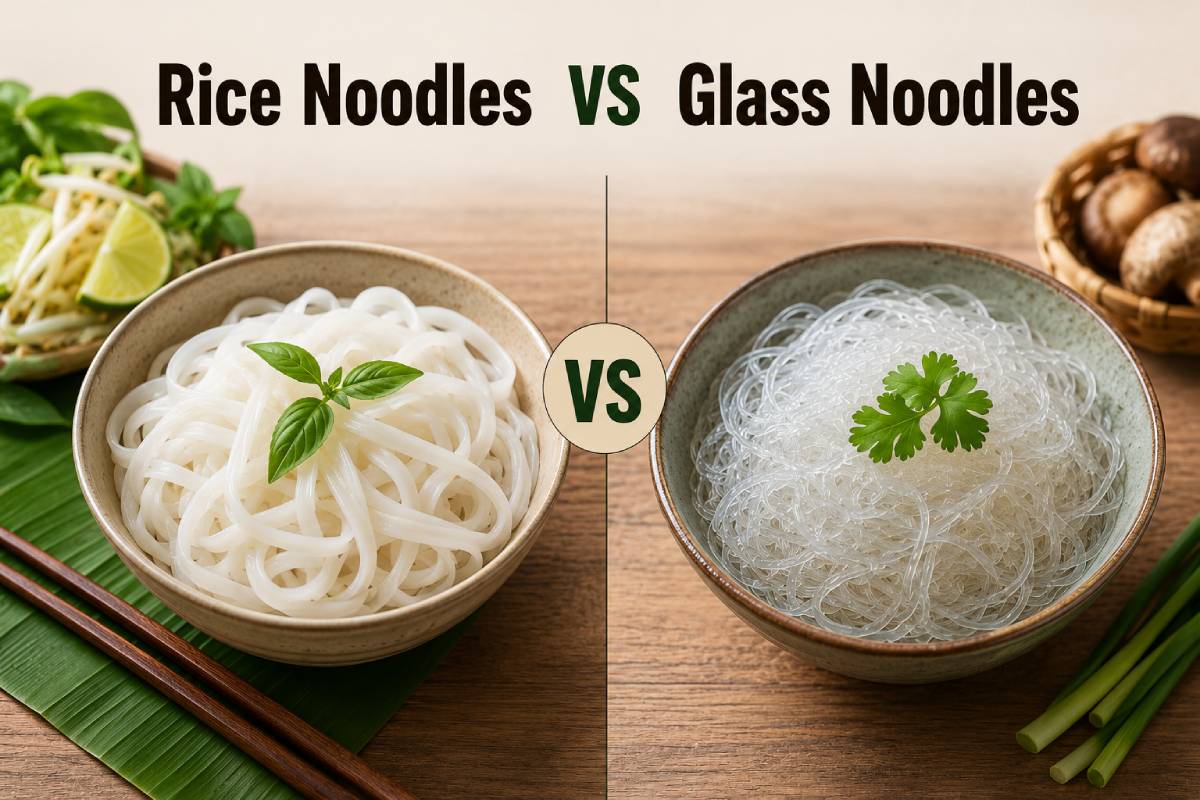
The rice noodles, often called bánh phở, provide a soft, smooth texture. They absorb some of the broth while remaining a satisfying part of the meal.
The protein varies according to the type of pho. Beef pho may include thinly sliced beef, brisket, or beef balls, while chicken pho commonly features tender chicken.
The fresh accompaniments introduce additional flavours and textures. Depending on the restaurant and regional style, these may include Thai basil, bean sprouts, lime, fresh chili, and other herbs.
Each ingredient has a purpose. The broth provides warmth and savoury depth, the noodles make the dish filling, and the herbs add freshness.
The best pho experience comes from appreciating how these elements complement one another rather than treating them as separate dishes.
Why Many People Taste the Broth First
For many pho enthusiasts, the first spoonful is all about the broth.
There is a practical reason for this preference.
Pho broth often takes considerable time and attention to prepare. The ingredients are simmered to develop flavour, and the balance of spices, aromatics, and savoury notes gives each recipe its own personality.
Taking a small sip before adding extra sauces allows you to experience the broth as the kitchen intended.
You might notice the gentle sweetness of onion, the warmth of ginger, or the subtle fragrance of star anise. In a well-balanced broth, no single spice needs to dominate.
Starting with the broth also helps you decide whether additional seasoning is necessary.
For example, you may discover that the soup already has enough saltiness and richness. Instead of immediately adding hoisin sauce, chili sauce, or lime, you can make adjustments according to your preferences.
This doesn't mean that adding condiments is wrong. It simply means tasting first gives you a better understanding of the flavours already present.
Think of it like tasting a freshly prepared sauce before adding more seasoning.
You learn what is there before deciding what might improve it for your palate.
What Happens When You Start With the Noodles?
Starting with noodles offers a different kind of satisfaction.
Rice noodles are one of the most enjoyable parts of pho because of their delicate texture. They are soft enough to eat comfortably but should still have enough structure to be lifted with chopsticks.
When noodles sit in hot broth, they continue absorbing liquid and may gradually soften.
For people who prefer noodles with a slightly firmer texture, eating some of them early can be appealing.
A bite of noodles also delivers more than carbohydrates. Since the noodles are coated in broth, each mouthful carries the soup's seasoning and aroma.
You may lift noodles together with a slice of beef, a few herbs, or some bean sprouts to create a combination of flavours and textures.
Starting with noodles can also be practical when you're particularly hungry and want a more substantial bite.
However, there's one consideration.
If you immediately add large amounts of sauce and mix everything thoroughly, you may miss the opportunity to appreciate the broth's original flavour.
The solution is simple: enjoy the noodles, but remember that the broth deserves attention too.
Is There a Traditional Vietnamese Way to Eat Pho?
One of the most common misconceptions about pho is that there must be a strict sequence for eating it.
In reality, there isn't one universal rule requiring everyone to drink the broth before eating the noodles.
Pho is enjoyed in different ways across Vietnam, and preferences vary between families, regions, restaurants, and individuals.
Some diners begin by tasting the broth. Others immediately combine noodles, meat, and herbs in their first bite.
Regional differences also influence how pho is served and seasoned.
In northern Vietnam, pho is often associated with a more restrained approach to garnishes, allowing the broth and core ingredients to remain prominent.
In southern Vietnam, pho is commonly served with a wider selection of fresh herbs, bean sprouts, and sauces that diners can add according to taste.
These are broad regional tendencies rather than fixed rules. Individual restaurants and households may prepare and serve pho differently.
The important point is that pho is a flexible, personal dining experience.
Respecting its Vietnamese origins doesn't require following a complicated set of instructions. It means appreciating the ingredients, preparation, and traditions behind the dish.
A Simple Step-by-Step Way to Enjoy Pho
If you're trying pho for the first time, or simply want to experience its flavours more fully, the following approach works well.
Step 1: Appreciate the Aroma
Before reaching for your chopsticks, take a moment to notice the fragrance coming from the bowl.
The combination of warm broth, spices, and fresh ingredients is an important part of pho's appeal.
You may recognize notes of cinnamon, ginger, onion, or other aromatics depending on the recipe.
Step 2: Taste a Small Spoonful of Broth
Use your spoon to sample the broth before adding sauces or extra seasonings.
Pay attention to its balance.
Is it savoury, gently sweet, aromatic, or particularly rich?
You don't need to identify every ingredient. Simply notice how the broth tastes on its own.
Step 3: Try the Noodles and Protein Together
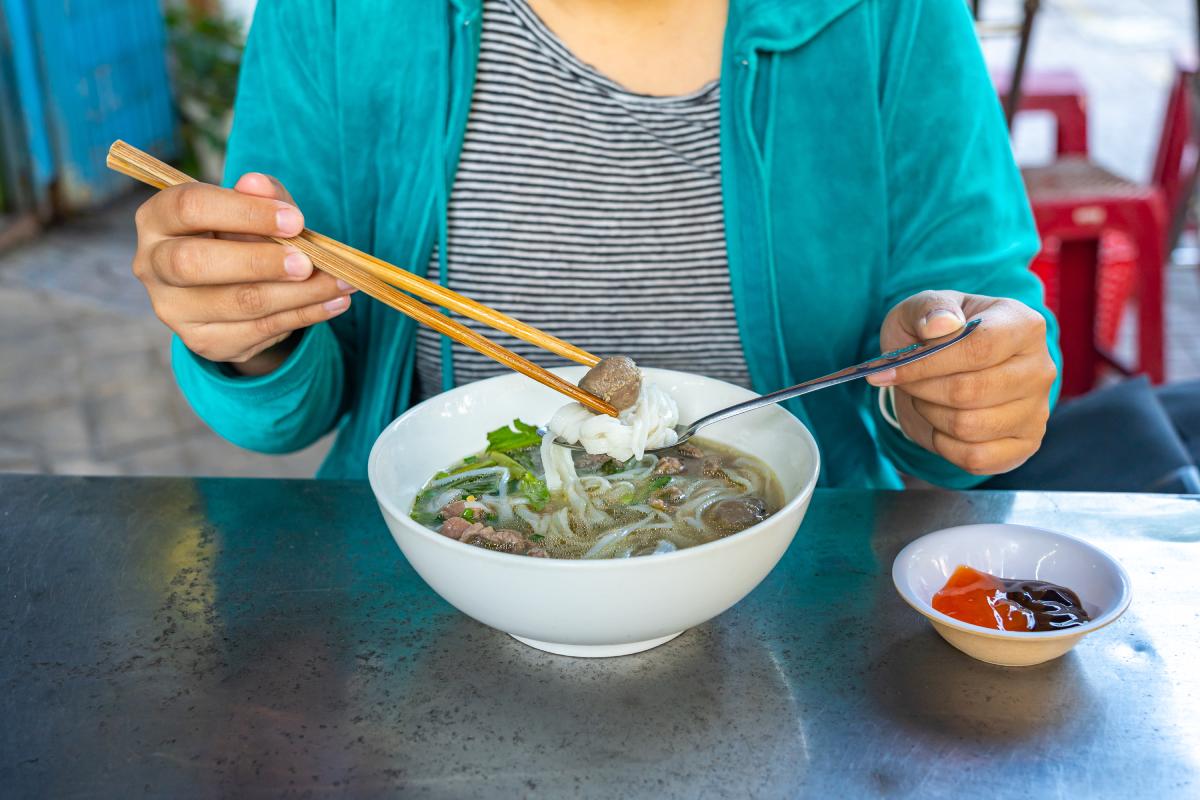
Next, use your chopsticks to lift a small portion of noodles.
Combine them with a piece of beef or chicken, depending on your order.
You can alternate between chopsticks and spoon or use them together to support the noodles.
This allows you to enjoy the contrast between smooth noodles, tender protein, and flavourful liquid.
Step 4: Add Herbs and Condiments Gradually
Now consider introducing some fresh accompaniments.
A little lime can add brightness, while basil brings an herbal aroma. Bean sprouts can add crunch, and chili can contribute heat.
Hoisin sauce introduces sweetness, while chili sauce offers a different kind of intensity.
Add small amounts at a time rather than changing the entire bowl immediately.
You can always add more, but it's difficult to reverse an overly strong seasoning.
Step 5: Alternate Between Noodles and Broth
As you continue eating, switch naturally between noodles, protein, and spoonfuls of broth.
There's no need to finish one component before moving to another.
This is often the most satisfying way to enjoy pho because every bite feels slightly different.
Should You Mix Everything Together?
Another common question is whether all the ingredients should be mixed immediately.
The answer depends on your taste.
Some people enjoy combining the noodles, protein, herbs, and sauces from the beginning because it creates a consistent flavour throughout the bowl.
Others prefer keeping ingredients relatively separate so they can notice individual flavours.
Both approaches can work.
However, if you're unfamiliar with a particular restaurant's pho, consider trying the original broth before mixing in everything else.
A heavily seasoned bowl might taste delicious, but it can become difficult to distinguish the subtle flavours developed during cooking.
You can also experiment with different combinations as you eat.
For example, try noodles with basil in one bite and noodles with a little lime in the next.
This gradual approach helps you discover which flavours you enjoy most.
Does Broth Temperature Affect the Experience?
Temperature plays an important role in pho.
The dish is generally served hot, which helps release the aroma of its spices and aromatics.
The hot broth also warms the noodles and other ingredients.
However, fresh pho can be very hot when it first reaches your table.
Rather than taking a large sip immediately, allow a small spoonful to cool slightly before tasting.
You can also lift a few noodles with your chopsticks and let them cool briefly.
As the meal progresses, the broth gradually loses heat, and the noodles continue softening.
This is another reason some diners enjoy alternating between broth and noodles instead of leaving all the noodles until the end.
If you prefer a particular noodle texture, eating at a comfortable pace can help you enjoy it before the noodles become too soft.
Common Mistakes That Can Change the Flavour of Pho
There isn't a single correct way to eat pho, but a few habits can prevent you from experiencing everything the dish offers.
Adding too much sauce before tasting is one example. Strong condiments can overpower the broth's delicate balance.
Another is ignoring the fresh herbs entirely. Although herbs are optional according to personal taste, they can introduce a refreshing contrast to the warm soup.
Eating only the noodles and leaving the broth behind may also mean missing an important part of the dish. The broth isn't simply there to keep the noodles warm; it's central to pho's identity.
Finally, rushing through the meal can make it harder to notice the different flavours and textures.
You don't need to eat slowly for the sake of tradition, but taking time to appreciate the ingredients can make the meal more enjoyable.
What If You Prefer Drinking the Broth Last?
Some diners love saving the broth until the end.
After eating most of the noodles and protein, they enjoy the remaining liquid as a warm, savoury finish.
There's nothing wrong with this approach.
By the end of the meal, the broth may have picked up additional flavours from the herbs, sauces, and other ingredients you've added.
It might taste noticeably different from the first spoonful.
Comparing the original broth with its flavour near the end of the meal can actually be an interesting experience.
You may notice more citrus, spice, sweetness, or herbal notes.
Just remember that if you want to appreciate the broth's original character, it's worth sampling a little before making those changes.
The Best Way to Eat Pho Is the Way You Enjoy It
So, what should you eat first in pho: noodles or broth?
Starting with a small spoonful of broth is a useful approach because it allows you to appreciate the soup's original flavours before introducing additional seasonings. After that, enjoy the noodles, protein, and fresh accompaniments in whatever order feels natural.
But there's no strict rule requiring you to finish the broth first or save the noodles for later.
Pho is designed to bring several complementary ingredients together in one comforting meal.
Whether you prefer a spoonful of fragrant broth, a bite of tender noodles, or a combination of both, the pleasure comes from discovering how the flavours work together.
The next time you order a bowl of pho at Toronto Pho, try tasting the broth before adding your favourite garnishes. Then explore different combinations of noodles, herbs, and protein as you eat.
You might find that one small change helps you appreciate a familiar favourite in a completely new way.
And if you still prefer diving straight into the noodles? That's perfectly fine, too.
After all, enjoying pho isn't about following a rigid set of rules. It's about appreciating a delicious Vietnamese dish, one satisfying bite and sip at a time.
Here are some delicious food and drinks to try when ordering from PHO restaurants in Toronto:
House Special Beef Noodle Soup (Phở Đặc Biệt)
Rare Beef and Well Done Beef (Phở Tái Nạm)
Rare Beef and Tendon (Phở Tái Gân)
Rare Beef and Tripe (Phở Tái Sách)
Rare Beef and Beef Ball (Phở Tái, Bò Viên)