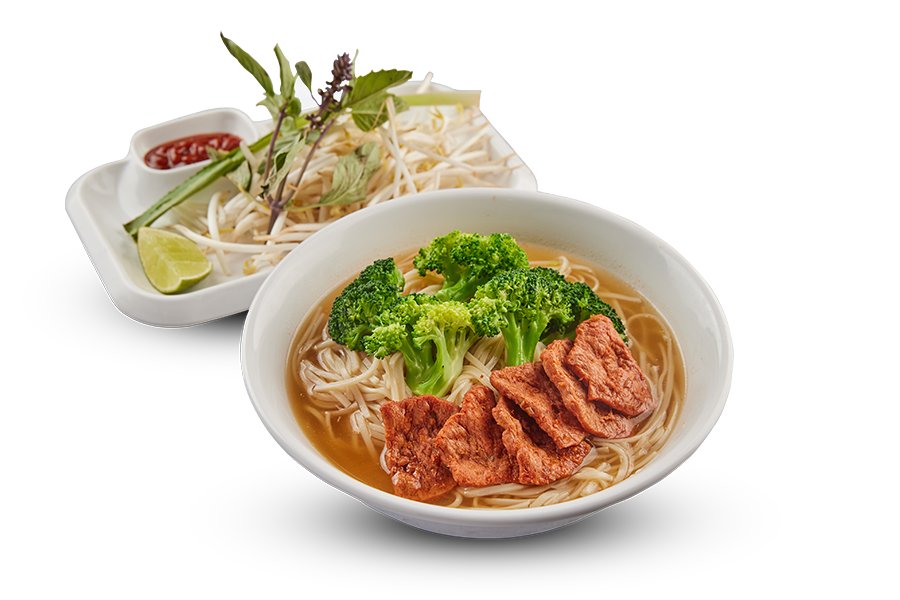
What Is Vietnamese Vegetarian Chicken Noodle Soup?
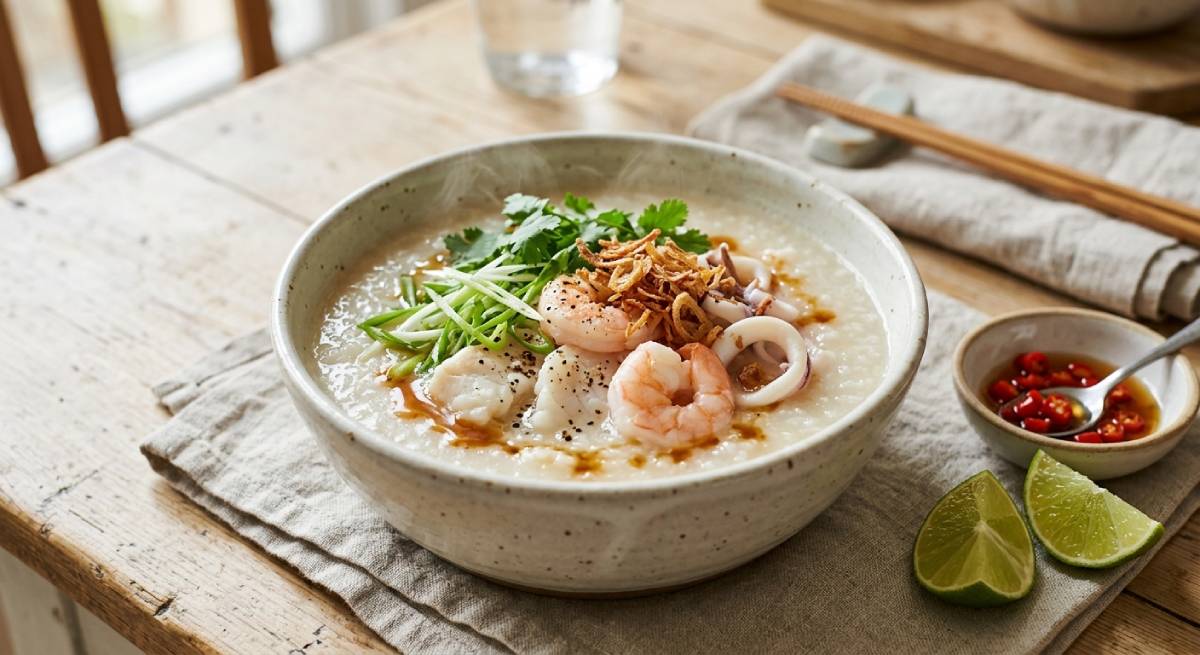
Vietnamese vegetarian chicken noodle soup is a plant-based noodle soup inspired by the flavors commonly found in Vietnamese chicken noodle dishes.
Instead of regular chicken, the recipe uses vegetarian chicken made from ingredients such as soy protein, wheat gluten, tofu, or another meat-free alternative.
The broth is usually kept light and fragrant rather than thick or creamy.
A typical bowl may include:
- Rice noodles
- Vegetarian chicken
- Vegetable broth
- Ginger
- Onion
- Garlic
- Fresh herbs
- Green onions
- Bean sprouts
- Lime
- Chili
The combination creates a soup that feels fresh and filling at the same time.
One of the most important parts of the recipe is the broth. A good Vietnamese-style broth should have enough flavor to stand on its own while still allowing the noodles, herbs, and vegetables to remain noticeable.
Ingredients You Will Need
This recipe makes approximately four servings.
For the Broth
- 8 cups vegetable broth
- 1 medium onion, peeled and cut in half
- 2-inch piece of fresh ginger
- 3 cloves garlic
- 2-star anise
- 1 small cinnamon stick
- 2 whole cloves
- 1 tablespoon soy sauce
- 1 teaspoon sugar
- Salt to taste
For the Soup
- 8 ounces rice noodles
- 2 cups vegetarian chicken, sliced or shredded
- 1 cup mushrooms, sliced
- 1 small carrot, thinly sliced
- 2 green onions, chopped
- 1 cup bean sprouts
- Fresh cilantro
- Fresh Thai basil or regular basil
- Fresh mint, optional
- Lime wedges
- Fresh chili or sliced jalapeño, optional
You can also add bok choy, napa cabbage, broccoli, tofu, or other vegetables if you want a more substantial soup.
Choosing Vegetarian Chicken
Vegetarian chicken is available in several different forms.
Some products are made from soy protein, while others use wheat gluten, pea protein, mushrooms, or a combination of ingredients.
For noodle soup, choose a vegetarian chicken product that remains firm when heated in broth.
You can use:
- Plant-based chicken strips
- Vegetarian chicken pieces
- Seitan
- Firm tofu
- Soy-based mock chicken
If you cannot find vegetarian chicken, tofu works very well.
Firm or extra-firm tofu is usually the best choice because it keeps its shape in the soup.
You can pan-fry the tofu before adding it if you prefer a slightly firmer texture.
Step 1: Prepare the Aromatics
The first step is creating the aromatic base for the broth.
Place the onion and ginger in a dry skillet over medium heat.
Allow them to cook for several minutes until the surfaces begin to brown slightly.
This light charring adds a deeper flavor to the broth.
You do not need to burn the ingredients. The goal is simply to create a little color.
Add the garlic for the final minute.
Once the onion, ginger, and garlic are lightly browned, remove them from the skillet.
Step 2: Toast the Spices
Place the star anise, cinnamon stick, and cloves in the same dry skillet.
Toast them for about one minute over medium-low heat.
You should begin to smell the spices quickly.
Toasting helps release their natural aromas and gives the broth a warmer, more complex flavor.
Be careful not to leave them over the heat for too long because burned spices can make the broth bitter.
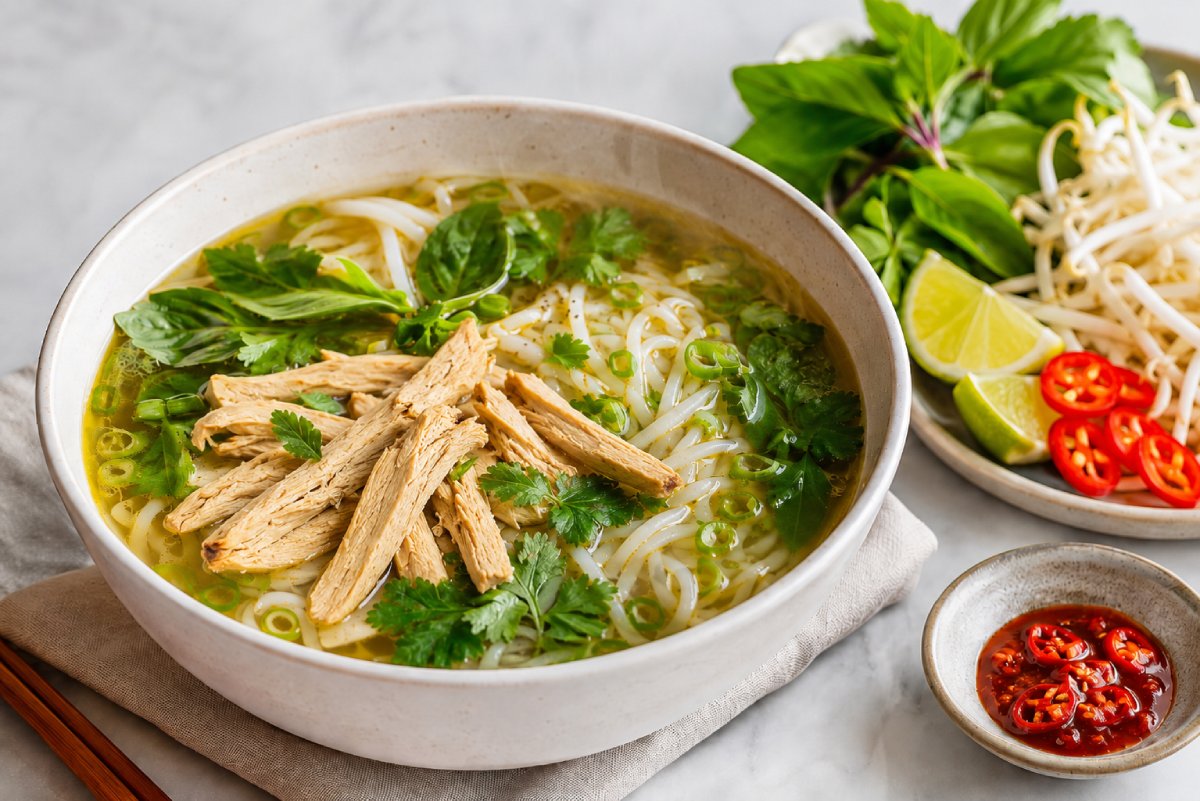
Step 3: Make the Broth
Pour the vegetable broth into a large pot.
Add the charred onion, ginger, garlic, toasted spices, soy sauce, and sugar.
Bring the broth to a gentle boil.
Then reduce the heat and allow it to simmer for about 25 to 30 minutes.
During this time, the broth will absorb the flavor of the aromatics and spices.
Taste the broth after about 20 minutes.
Add a little salt if necessary.
Remember that the soy sauce already contains salt, so it is better to add additional seasoning gradually.
The finished broth should taste savory, slightly sweet, and aromatic.
It should not taste strongly of cinnamon or star anise. These spices should remain in the background.
Step 4: Strain the Broth
Once the broth has developed enough flavor, remove the onion, ginger, garlic, and whole spices.
You can use a fine strainer or simply remove the larger ingredients with a slotted spoon.
Straining creates a cleaner broth.
Return the broth to the pot and keep it warm over low heat.
Step 5: Prepare the Rice Noodles
Rice noodles can become too soft if they are cooked directly in hot broth for too long.
For this reason, it is usually better to prepare them separately.
Follow the instructions on the noodle package.
Some rice noodles only need to be soaked in hot water, while thicker varieties may need to be boiled briefly.
Once the noodles are tender, drain them.
Rinse them briefly with cool water to stop the cooking process.
Set them aside while you prepare the remaining ingredients.
Step 6: Cook the Vegetables
Bring the strained broth back to a gentle simmer.
Add the sliced carrots and mushrooms.
Cook for approximately five minutes, or until the carrots are slightly tender but still have some texture.
If you are using bok choy, cabbage, or another quick-cooking vegetable, add it during the final few minutes.
Avoid cooking the vegetables for too long.
Part of the appeal of Vietnamese noodle soup is the contrast between soft noodles, warm broth, and vegetables that still taste fresh.
Step 7: Add the Vegetarian Chicken
Add the vegetarian chicken to the broth.
The cooking time will depend on the product you are using.
Most prepared vegetarian chicken only needs a few minutes to heat through.
If the product is already seasoned, taste the broth again after adding it.
Some vegetarian meat alternatives contain a noticeable amount of salt.
Adjust the broth only after everything has been heated together.
If you are using tofu, add it gently so the pieces do not break apart.
Step 8: Assemble the Bowls
Divide the cooked rice noodles among four large soup bowls.
Add the vegetarian chicken, mushrooms, carrots, and any other cooked vegetables.
Carefully ladle the hot broth over the noodles.
Top each bowl with chopped green onions and cilantro.
Serve the soup immediately with fresh herbs and other garnishes on the side.
Fresh Garnishes Make a Big Difference
Fresh garnishes are an important part of Vietnamese-style noodle soups.
Instead of cooking every ingredient into the broth, many fresh ingredients are added at the table.
This creates contrast between the hot soup and the cool, crisp herbs and vegetables.
Good garnishes include:
- Bean sprouts
- Thai basil
- Cilantro
- Mint
- Green onions
- Lime wedges
- Fresh chili
- Jalapeño slices
Each person can add the amount they prefer.
Lime is particularly useful because a small squeeze of fresh lime juice can brighten the entire bowl.
Fresh chili adds heat without changing the broth too much.
How to Make the Broth More Flavorful
Vegetable broth can sometimes taste lighter than meat-based broth.
If your broth seems too mild, there are several simple ways to build more flavor.
Mushrooms are one of the easiest options.
Shiitake mushrooms, especially dried shiitake, can add a deeper savory quality.
You can simmer one or two dried mushrooms with the broth and remove them before serving.
A small amount of mushroom seasoning can also add more depth.
Soy sauce provides salt and savory flavor, but avoid using too much. Too much soy sauce can make the broth dark and overpower the fresh ingredients.
You can also add a small amount of vegetarian fish sauce if you have one available.
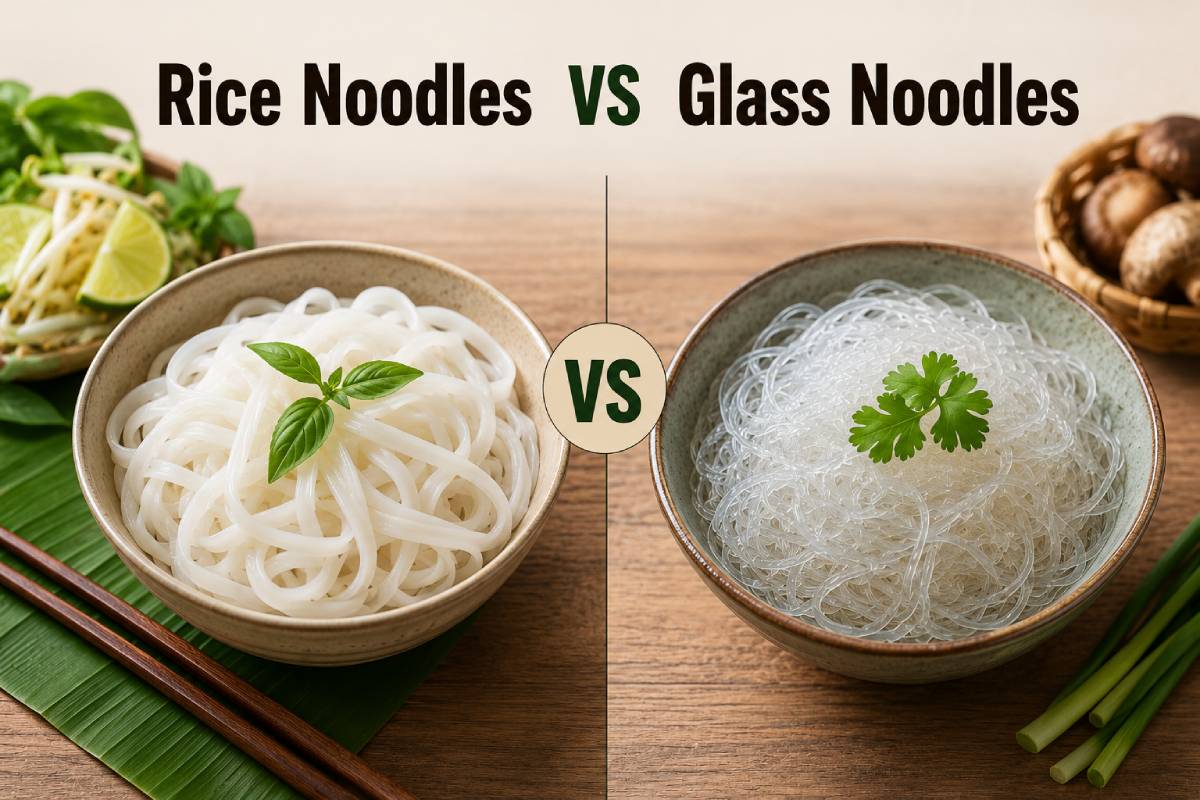
What Type of Rice Noodles Should You Use?
Several types of rice noodles can work in this recipe.
Medium-width flat rice noodles are a good choice because they absorb the broth while still holding their texture.
Thin rice vermicelli can also be used, although the final soup will have a different texture.
When choosing noodles, check the cooking instructions carefully.
Rice noodles can move from firm to overly soft very quickly.
It is usually better to slightly undercook them because the hot broth will continue warming and softening them in the bowl.
Can You Prepare the Soup in Advance?
Yes.
The broth can be prepared one or two days ahead and stored in the refrigerator.
In fact, the flavor may become slightly stronger after resting.
Keep the broth separate from the noodles.
If noodles are stored directly in the broth, they will continue absorbing liquid and can become very soft.
Store the cooked noodles, broth, vegetarian chicken, and fresh garnishes in separate containers.
When you are ready to eat, reheat the broth and vegetarian chicken.
Place the noodles in a bowl and pour the hot soup over them.
Add the fresh garnishes just before serving.
How to Store Leftovers
Allow the broth to cool before refrigerating it.
Store it in a covered container for up to three or four days.
Rice noodles should also be kept separately in an airtight container.
Fresh herbs and bean sprouts are best stored separately because they lose their texture quickly once they are placed in hot broth.
For longer storage, the broth can be frozen.
Freeze the broth without the noodles or fresh herbs.
When needed, thaw it in the refrigerator and reheat it gently on the stove.
Easy Ways to Customize the Recipe
One advantage of vegetarian noodle soup is how easily it can be adjusted.
For more vegetables, add bok choy, spinach, cabbage, broccoli, or snow peas.
For more protein, combine vegetarian chicken with tofu.
If you enjoy spicy food, add fresh chili, chili oil, or a small amount of chili sauce.
For a stronger herbal flavor, increase the amount of basil, mint, or cilantro.
If you want a lighter bowl, use more vegetables and fewer noodles.
For a more filling meal, increase the noodles and vegetarian chicken.
The basic broth provides a flexible starting point.
Common Mistakes to Avoid
One common mistake is cooking the rice noodles directly in the broth for too long.
This can make them soft and cloudy the broth.
Another mistake is using too many spices.
Star anise, cinnamon, and cloves have strong flavors. Small amounts are enough.
Overcooking the vegetables is another issue.
Vietnamese-style soups often taste best when vegetables retain some freshness and texture.
Finally, do not forget the fresh garnishes.
The broth is important, but herbs, lime, bean sprouts, and green onions provide much of the freshness that makes the finished bowl enjoyable.
Final Thoughts
This easy Vietnamese vegetarian chicken noodle soup recipe shows that a flavorful bowl of Vietnamese-inspired noodle soup does not need meat.
A fragrant vegetable broth, tender rice noodles, vegetarian chicken, fresh vegetables, and herbs create a meal that is comforting without being overly heavy.
The key is to build flavor gradually.
Lightly char the onion and ginger, toast the spices, allow the broth enough time to simmer, and keep the fresh ingredients simple.
Prepare the noodles separately and add herbs and lime just before eating.
Once you understand the basic method, the recipe is easy to adjust based on your taste and the ingredients available in your kitchen.
Whether you use plant-based chicken, seitan, or tofu, the result is a warm and satisfying Vietnamese-style noodle soup that can be enjoyed throughout the year.
Here are some delicious food and drinks to try when ordering from PHO restaurants in Toronto:
Vegetarian Deep Fried Spring Roll (Chả Giò CHAY)
Vegetarian Salad Roll with Tofu (Gỏi Cuốn CHAY)
Vegetarian Mango Salad with Tofu (Gỏi Xoài CHAY)
Rice Noodle Soup with Vegetable and Tofu. (Phở CHAY)
Spicy Rice Noodle Soup with Beef and Tofu (Bún Huế CHAY)
Stirred Fried Rice Noodle with Vegetable and Tofu (Hủ Tíu Xào CHAY)
Soft Stirred Fried Egg Noodle with Vegetable and Tofu (Mì Xào CHAY)
Stirred Fried Chicken with Lemongrass and Steamed Rice (Cơm Gà Xào Sả Ớt CHAY)
Tofu Pad Thai (Pad Thai Tàu Hủ CHAY)