What Is Seafood Tom Yum Soup?
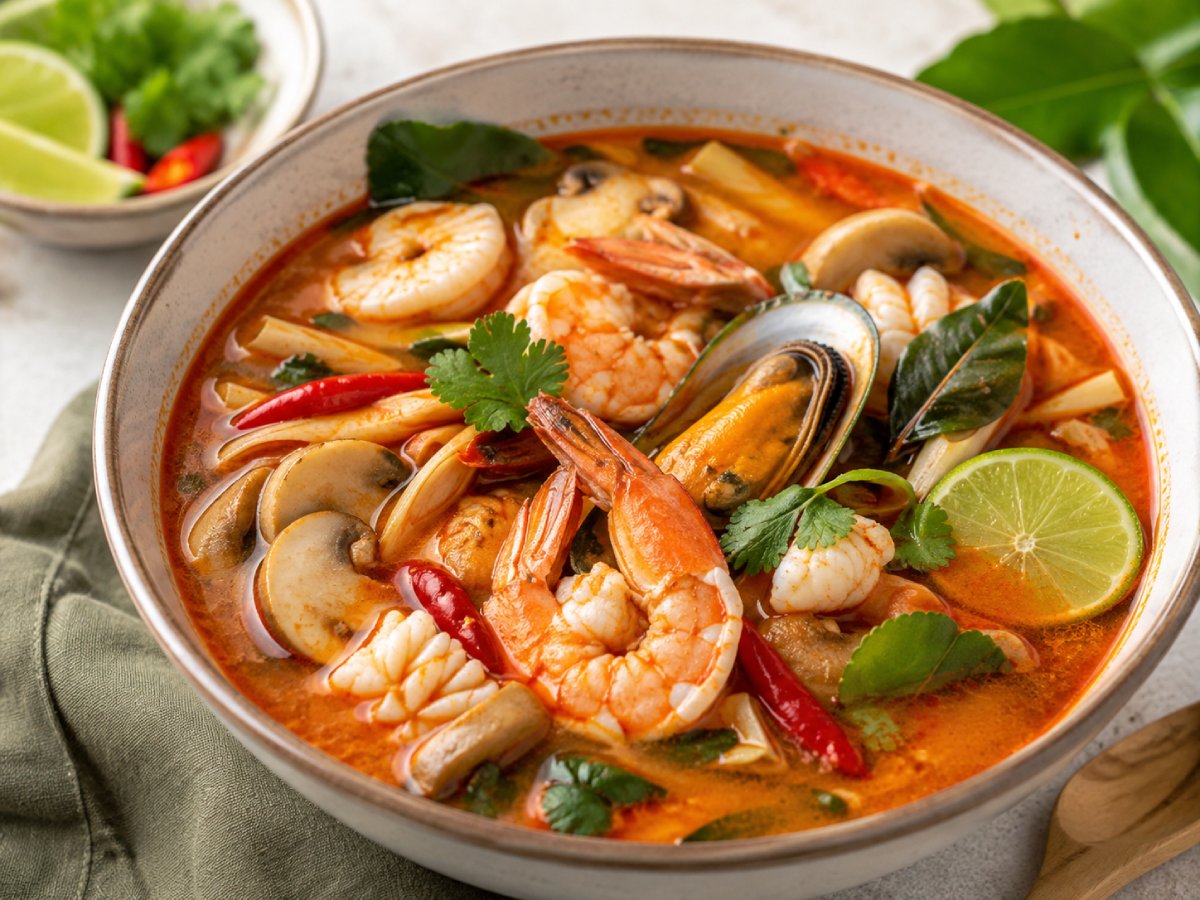
Tom Yum is a hot and sour soup traditionally made with aromatic ingredients such as lemongrass, kaffir lime leaves, galangal, chilli, fish sauce, and lime juice. The words “Tom Yum” describe the cooking process and flavour profile. “Tom” refers to boiling, while “Yum” generally refers to a sour and spicy mixture.
There are several versions of Tom Yum. Some have a clear broth, while others include evaporated milk or coconut milk for a creamier texture. Seafood Tom Yum usually contains shrimp, squid, mussels, fish, or a combination of different seafood.
The clear version is lighter and sharper. The creamy version has a softer, richer flavour that can be more approachable for people who are sensitive to strong spice or acidity.
This recipe includes an optional creamy ingredient, so you can choose the style that suits your taste.
Why Make Tom Yum Soup at Home?
Making Tom Yum at home gives you more control over the ingredients and flavour.
Restaurant versions can sometimes be very spicy, salty, or oily. At home, you can reduce the chilli, adjust the fish sauce, add more lime juice, or choose exactly which seafood you want to use.
It is also a relatively fast dish. Once the ingredients are washed and prepared, the soup usually takes less than 30 minutes to cook.
Seafood Tom Yum is a good choice when you want:
- A warming but light dinner
- A quick seafood meal
- A flavourful alternative to ordinary soup
- A dish to serve with rice or noodles
- A restaurant-style meal without complicated preparation
The soup also works well for family dinners because each person can adjust the spice level in their own bowl.
Ingredients for Easy Seafood Tom Yum Soup
This recipe makes approximately four servings.
Seafood
- 250 grams of raw shrimp, peeled and cleaned
- 200 grams of squid, cleaned and sliced into rings
- 200 grams of mussels or clams, cleaned
- 150 grams of firm white fish, cut into bite-sized pieces
You do not need to use every type of seafood. Shrimp and squid alone can make a delicious soup. A frozen seafood mix may also be used, but it should be thawed and drained before cooking.
Broth and Aromatic Ingredients
- 5 cups chicken stock, seafood stock, or water
- 2 stalks lemongrass
- 5 thin slices fresh galangal
- 4 kaffir lime leaves
- 2 to 4 Thai red chillies
- 3 garlic cloves, lightly crushed
- 200 grams mushrooms
- 1 medium tomato, cut into wedges
- ½ small onion, sliced
- 2 tablespoons fish sauce
- 1 teaspoon sugar
- 3 tablespoons fresh lime juice
- 1 to 2 tablespoons Thai roasted chilli paste
- ½ cup evaporated milk or coconut milk, optional
- Fresh cilantro for garnish
- Green onions for garnish
Galangal looks similar to ginger but has a sharper, more citrus-like aroma. Ginger may be used when galangal is unavailable, although the flavour will be slightly different.
Kaffir lime leaves may also be labelled as makrut lime leaves. Fresh or frozen leaves usually provide the best aroma, but dried leaves can work when necessary.
How to Prepare the Ingredients
Good preparation makes this recipe much easier.
Start by cleaning the seafood. Remove the shells and digestive vein from the shrimp. Clean the squid and slice it into rings. Scrub the mussels or clams under cold water and discard any that remain open after being gently tapped.
Cut the white fish into pieces that are large enough to hold their shape during cooking.
Next, prepare the aromatics.
Remove the dry outer layer from the lemongrass. Cut off the top section and lightly crush the thick lower part with the side of a knife. Then cut it into short pieces.
Tear the kaffir lime leaves slightly to release their natural oils. Slice the galangal and lightly crush the garlic.
For a mild soup, leave the chillies whole. For more heat, crush or slice them. Remember to wash your hands after handling hot peppers and avoid touching your face or eyes.
Once everything is ready, the soup cooks quickly.
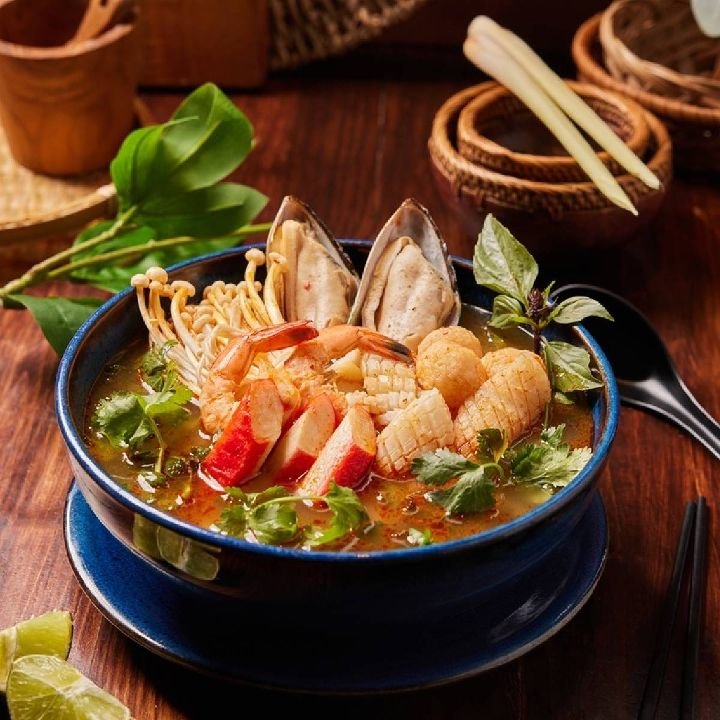
Step-by-Step Seafood Tom Yum Soup Recipe
Step 1: Create the Aromatic Broth
Pour the stock or water into a medium or large pot. Bring it to a gentle boil over medium-high heat.
Add the lemongrass, galangal, kaffir lime leaves, garlic, onion, and chillies.
Lower the heat slightly and allow the aromatics to simmer for about five to seven minutes. This gives them time to release their flavour into the broth.
At this stage, the kitchen should begin to smell fresh, citrusy, and slightly spicy.
The lemongrass, galangal, and lime leaves are usually not eaten. They are added to flavour the broth. You can remove them before serving or leave them in the bowl for presentation.
Step 2: Add the Vegetables
Add the mushrooms and tomato wedges to the broth.
Let them cook for approximately three minutes. The mushrooms should soften slightly, while the tomatoes should remain mostly intact.
Common mushroom choices include straw mushrooms, oyster mushrooms, button mushrooms, or cremini mushrooms. Use whichever variety is easiest to find.
Step 3: Season the Soup
Stir in the fish sauce, sugar, and roasted chilli paste.
The fish sauce provides saltiness and savoury depth. The small amount of sugar helps balance the sour lime and spicy chilli. It should not make the soup taste sweet.
Thai roasted chilli paste adds colour, mild sweetness, spice, and richness. It may be sold as nam prik pao in Asian grocery stores.
Taste the broth carefully. At this point, it should taste fragrant, savoury, and spicy, but the final sourness will come later from the lime juice.
Step 4: Cook the Seafood
Add the seafood according to how long each ingredient needs to cook.
Begin with mussels or clams, as they usually take the longest. Cover the pot and cook them for two to three minutes.
Next, add the fish and squid. After about one minute, add the shrimp.
Continue cooking gently until the shrimp turn pink, the fish is opaque, the squid is tender, and the mussel or clam shells have opened.
Discard any shells that remain completely closed after cooking.
Avoid boiling the soup aggressively after adding the seafood. High heat and long cooking can make shrimp rubbery, squid tough, and fish dry. A gentle simmer is enough.
Step 5: Add Creaminess if Desired
For a creamy Seafood Tom Yum Soup, reduce the heat to low and add evaporated milk or coconut milk.
Evaporated milk creates a smooth, restaurant-style broth without adding a strong coconut flavour. Coconut milk makes the soup richer, slightly sweeter, and more similar to other creamy Southeast Asian soups.
Stir gently and warm the soup without bringing it to a strong boil.
For a traditional clear broth, simply skip this step.
Step 6: Add the Lime Juice
Turn off the heat before adding fresh lime juice.
This step is important because boiling lime juice for too long can reduce its fresh aroma and may create a slightly bitter taste.
Add approximately three tablespoons, stir, and taste the broth.
A good Tom Yum soup should have a clear balance of sourness, saltiness, and heat. Add more lime juice for sourness, more fish sauce for saltiness, or a small amount of sugar if the flavour feels too sharp.
How to Adjust the Spice Level
Tom Yum does not have to be extremely spicy.
For a mild version, use one chilli and leave it whole. You can also remove the chilli before serving.
For medium heat, lightly crush two chillies before adding them to the broth.
For a very spicy soup, slice three or four chillies and add extra roasted chilli paste.
Keep in mind that chilli heat can become stronger as the soup sits. It is often better to begin with less and add more later.
You can serve sliced chillies or chilli oil on the side for people who prefer additional heat.
What to Serve with Seafood Tom Yum
Seafood Tom Yum can be served by itself as a light meal or paired with other dishes.
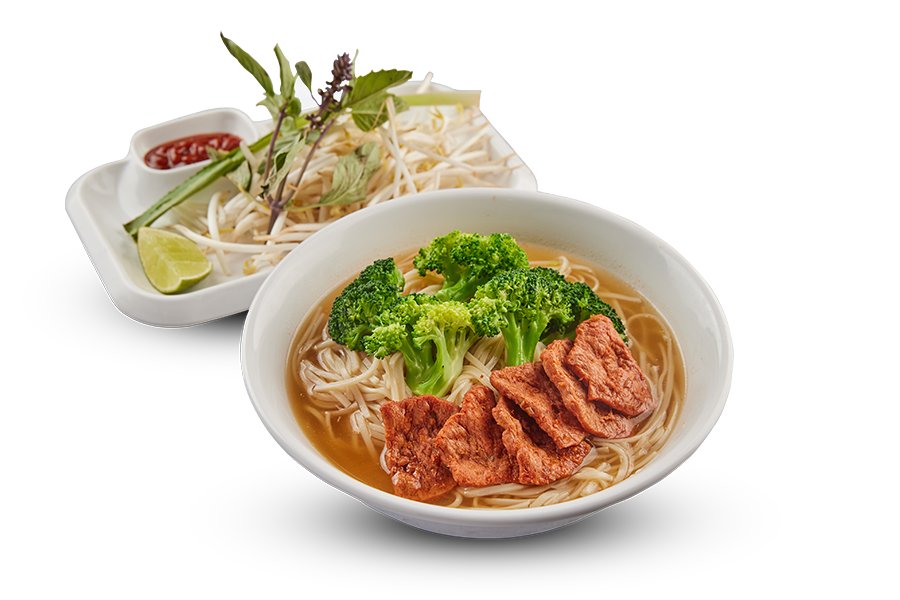
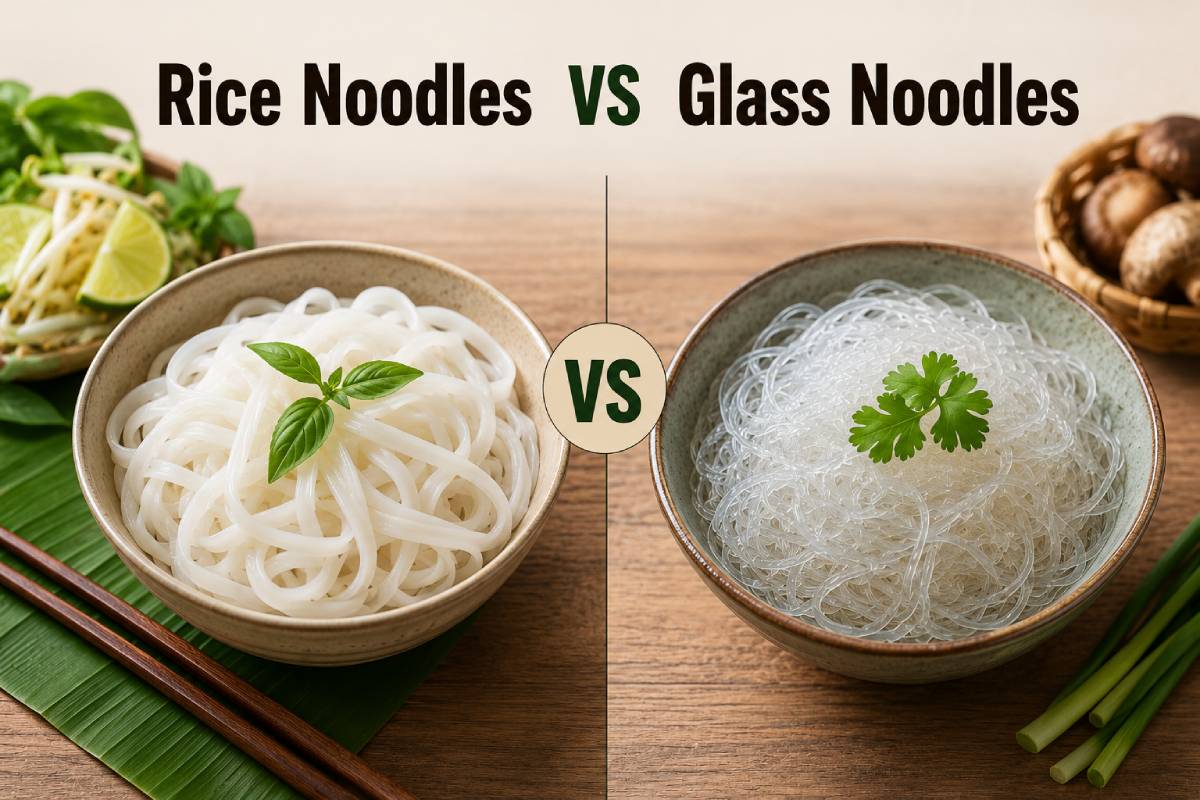
Steamed jasmine rice is one of the best accompaniments because it absorbs the flavourful broth and softens the spice. Rice noodles can also be added directly to the bowl to create a more filling soup.
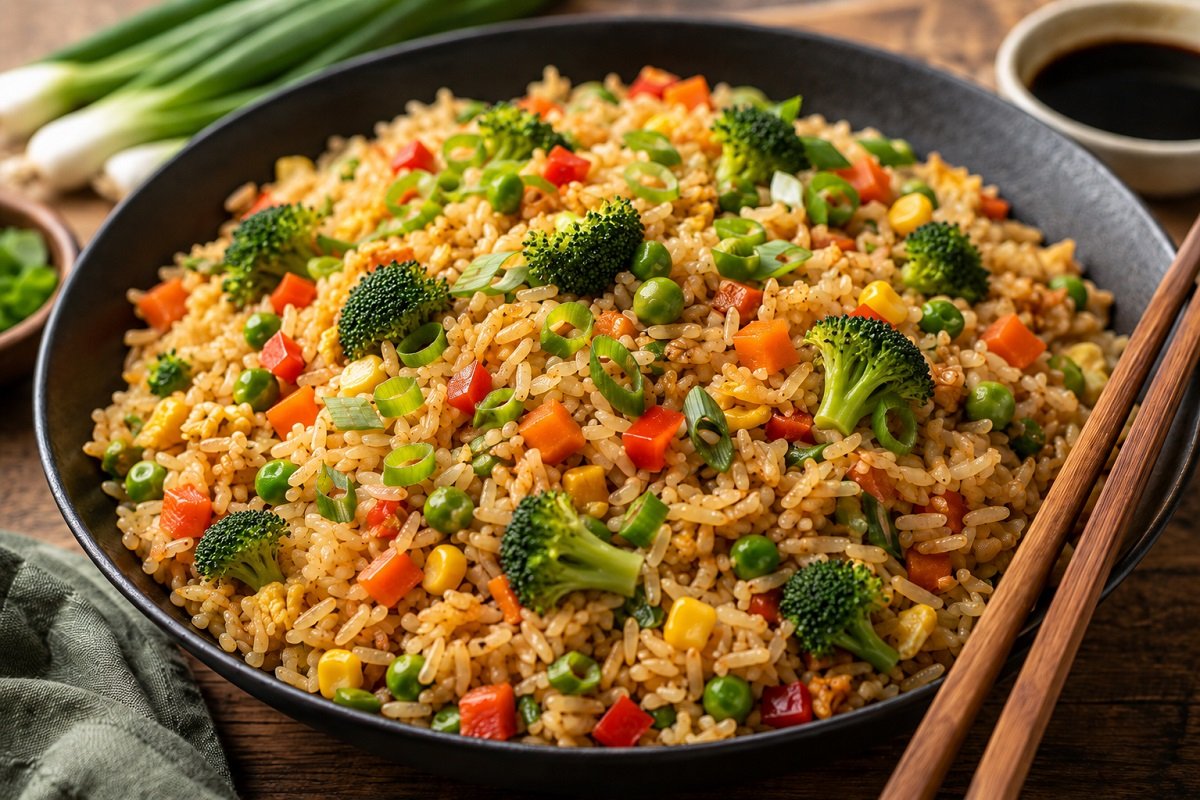
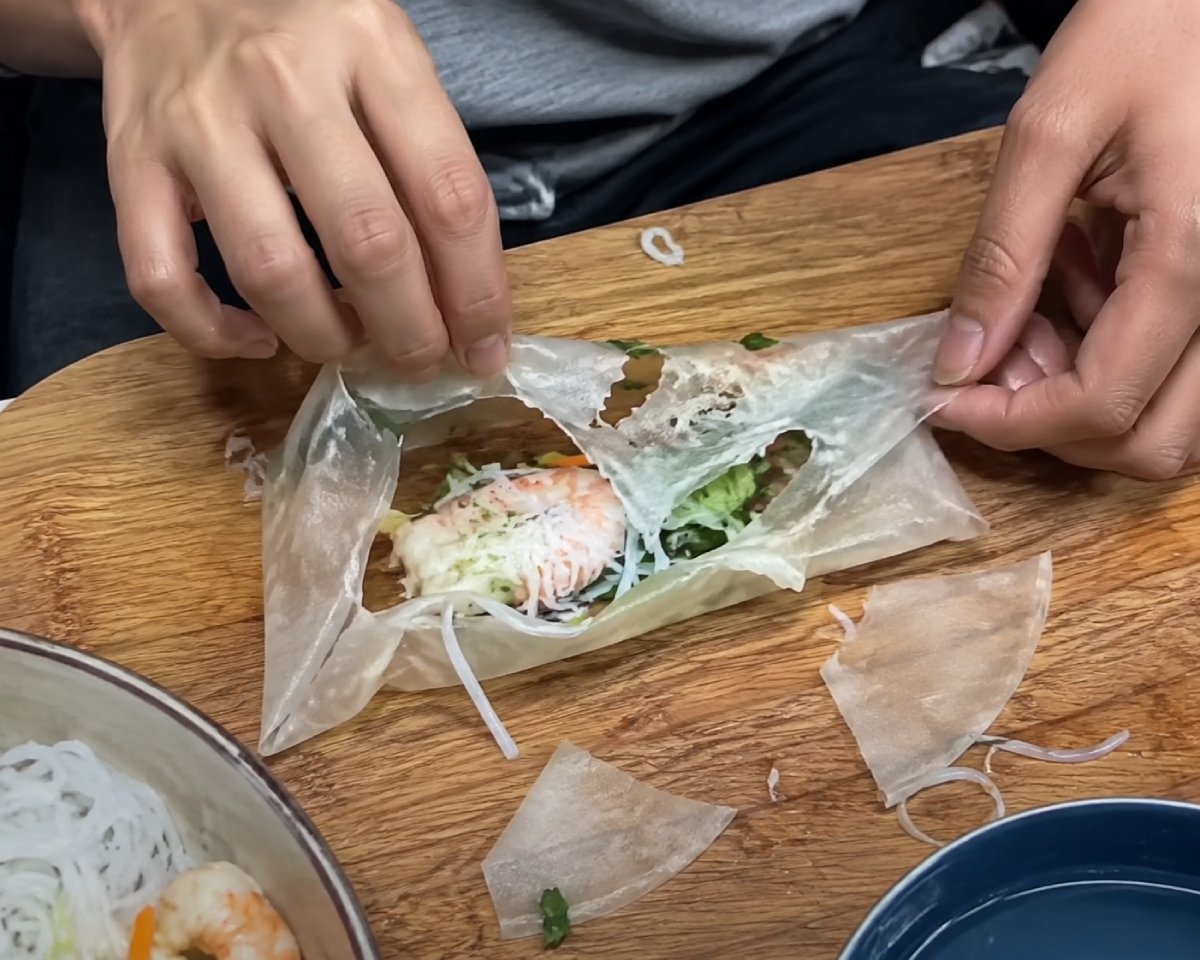
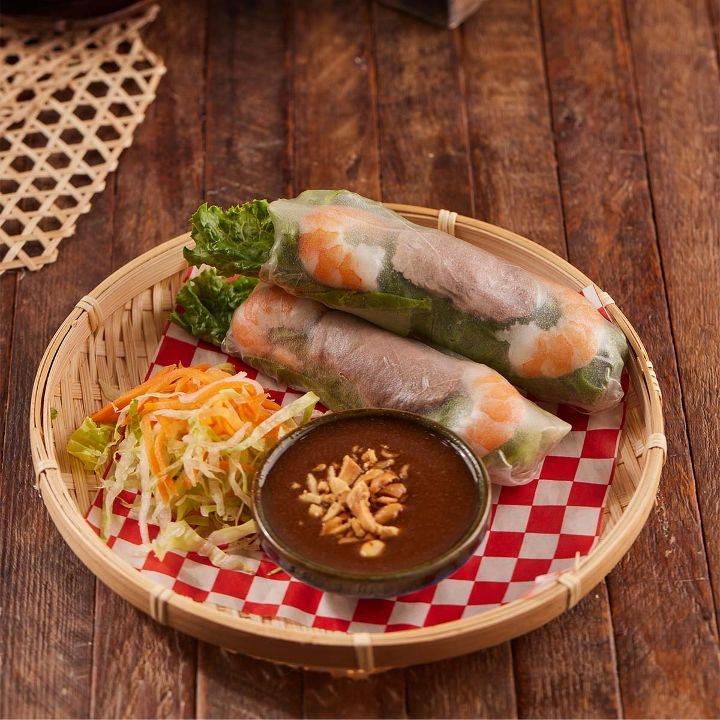
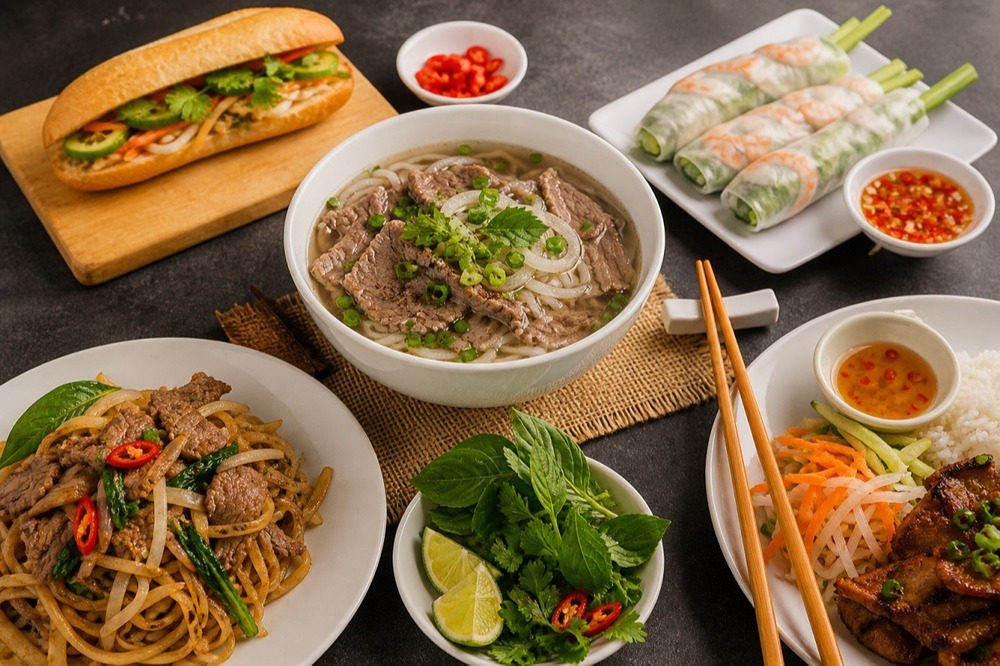
For a larger Southeast Asian meal, serve Tom Yum with Vietnamese spring rolls, grilled chicken, stir-fried vegetables, fried rice, or a fresh mango salad.
Because the soup already has strong flavours, simple side dishes usually work best.
Common Mistakes to Avoid
One common mistake is overcooking the seafood. Seafood cooks very quickly, so add it near the end and remove the pot from the heat as soon as it is ready.
Another mistake is adding lime juice too early. Fresh lime should be added after the heat is turned off to protect its bright flavour.
Using too much fish sauce can also overpower the soup. Add it gradually and taste before adding more.
Do not expect lemongrass, galangal, or kaffir lime leaves to become soft enough to eat. These ingredients mainly flavour the broth. Warn guests about them or remove them before serving.
Finally, avoid using only chilli and lime to create the flavour. The aromatic herbs are what give Tom Yum its recognizable character.
Can You Store Leftover Tom Yum Soup?
Leftover Seafood Tom Yum can be stored in a sealed container in the refrigerator for up to two days.
Reheat it gently over medium-low heat. Avoid boiling it for a long time because the seafood may become tough.
If you are preparing the soup in advance, make the broth first and store it without the seafood. When you are ready to serve, reheat the broth and cook the seafood fresh. This provides a better texture.
Freezing the aromatic broth is possible, but freezing the completed seafood soup is not ideal. Cooked seafood may become rubbery after freezing and reheating.
Easy Ingredient Substitutions
Tom Yum can still taste delicious when every traditional ingredient is not available.
Use ginger instead of galangal, although the result will be warmer and less citrusy. Add a small amount of lime zest if kaffir lime leaves are unavailable.
Soy sauce can replace fish sauce for a vegetarian-style broth, but it will not provide exactly the same flavour.
Chicken stock works well when seafood stock is unavailable. Water can also be used, especially when the seafood and aromatics are fresh.
Use tofu and extra mushrooms instead of seafood to create a vegetarian version. Vegetable broth and soy sauce will keep the soup free from meat and fish ingredients.
Final Thoughts
Seafood Tom Yum Soup may taste complex, but it is surprisingly easy to prepare at home. The recipe depends on a few fresh aromatic ingredients, properly cooked seafood, and a careful balance of lime juice, fish sauce, chilli, and sweetness.
Once you understand that balance, you can easily customize the soup. Make it clear or creamy, mild or spicy, simple or filled with several kinds of seafood.
Serve it hot with steamed rice, noodles, or a few light Vietnamese dishes for a colourful and satisfying meal. With less than 30 minutes of cooking time, homemade Seafood Tom Yum can become an easy option whenever you want something fresh, warming, and full of Southeast Asian flavour.
Here are some delicious food and drinks to try when ordering from PHO restaurants in Toronto:
Stir Fried Rice Noodle with Seafood. (Hủ Tíu Xào Đồ Biển)
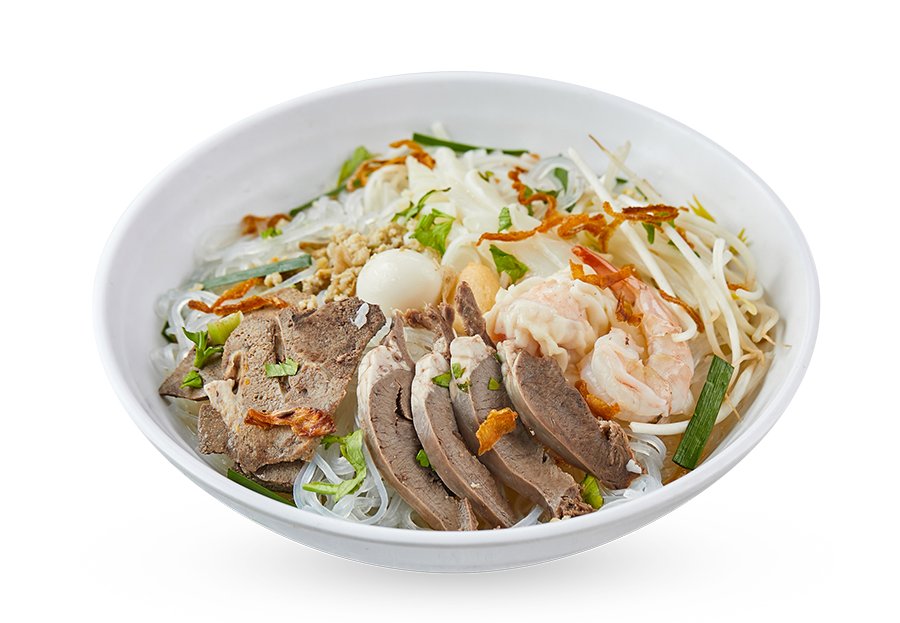
Seafood Rice Noodle in Soup (Hủ Tíu Đồ Biển)
House Special Egg Noodle in Soup (Mì Đặt Biệt)
Pork Blood Jelly Congee (Cháo Huyết)
Udon Noodle Soup with Shrimp (Bánh Canh Tôm)