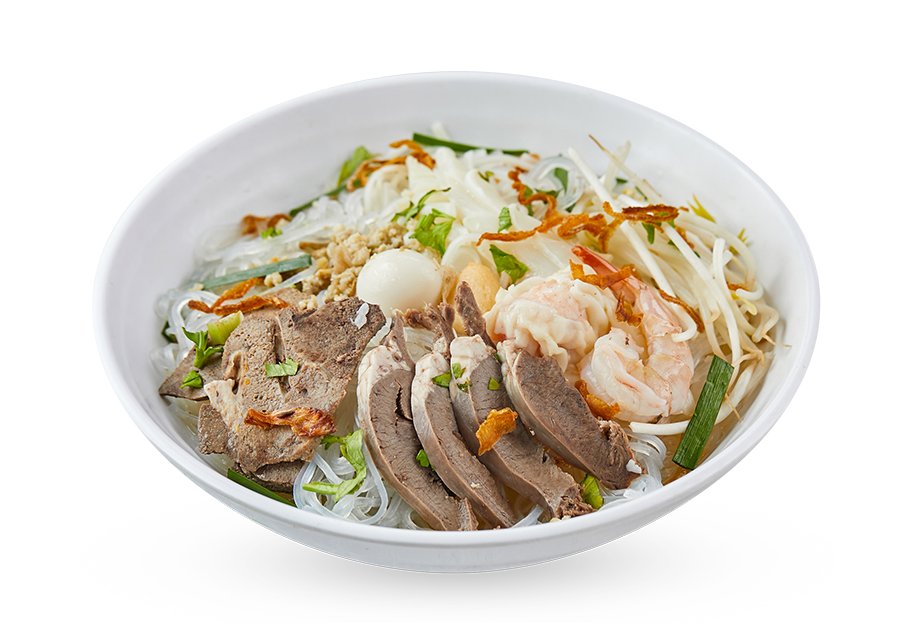
What Is Hủ Tiếu Đồ Biển?
Hủ tiếu is a popular noodle dish in southern Vietnam. It is commonly prepared with a clear, flavourful broth and can include pork, seafood, or a combination of proteins.
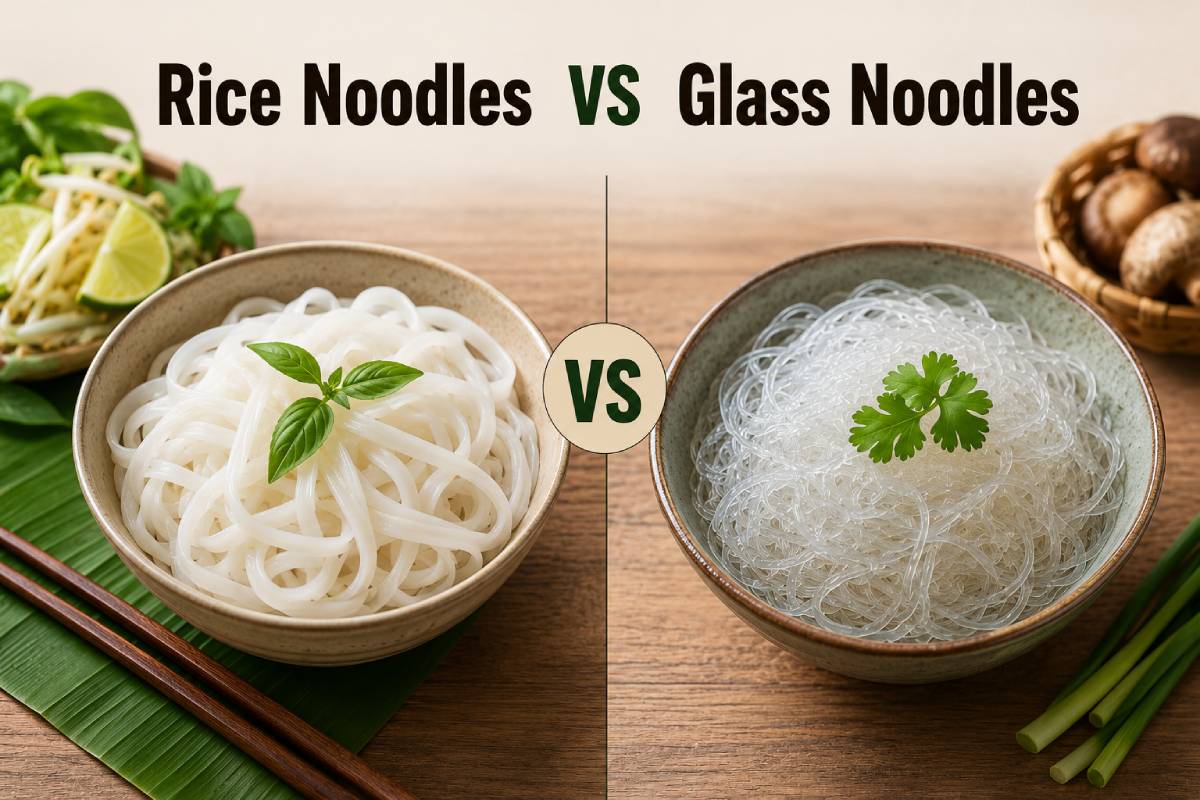
The noodles are typically made from rice, although some variations use other types of noodles.
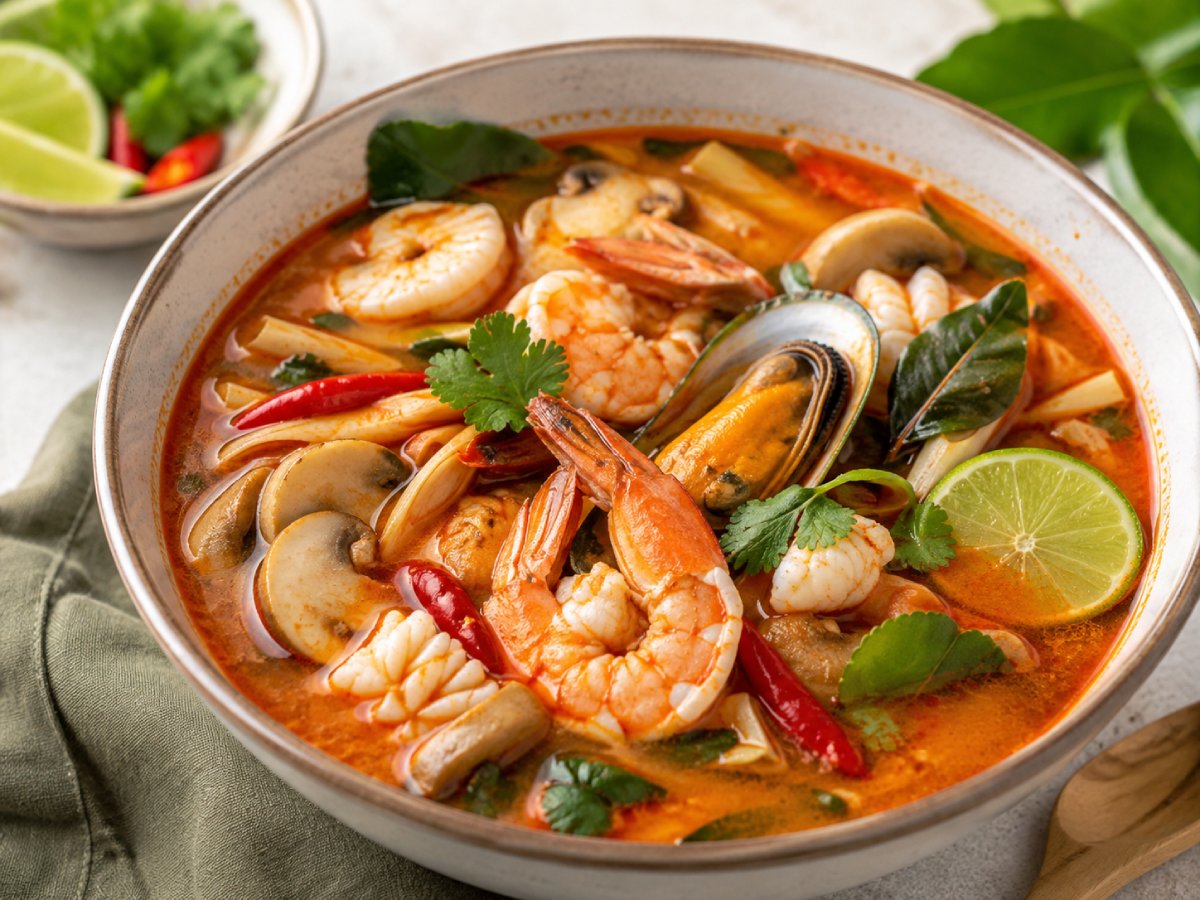
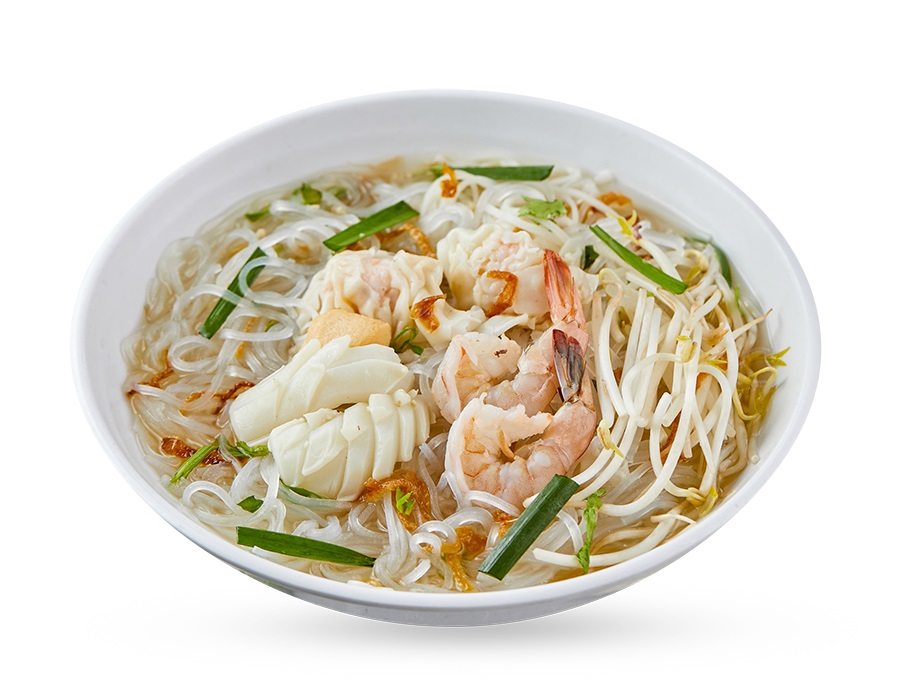
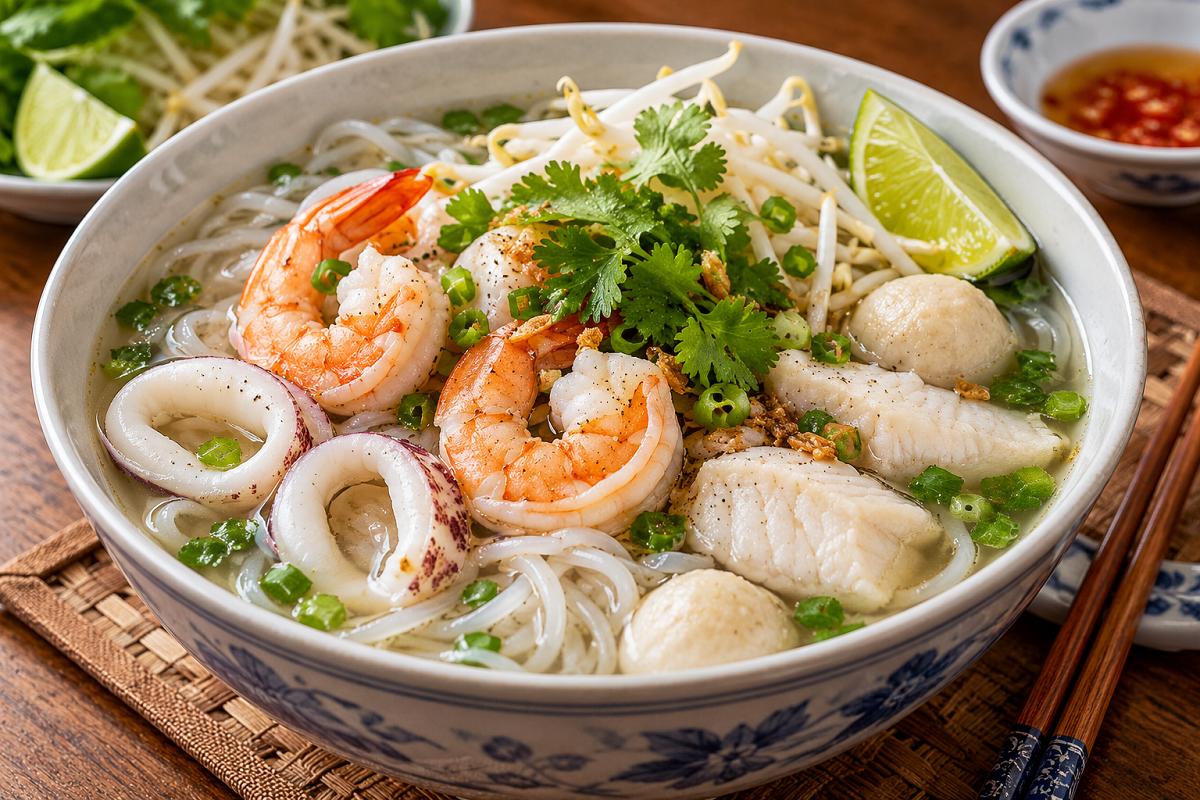
Hủ Tiếu Đồ Biển is a seafood-focused variation of this dish. The name refers to hủ tiếu noodles served with seafood, usually in a light broth.
Depending on the recipe, a bowl may contain shrimp, squid, fish, fish balls, or other seafood.
What makes this dish appealing is the balance of flavours. The broth is savoury without being overly rich, the seafood adds sweetness, and the vegetables provide texture.
Fresh herbs and lime allow diners to adjust the flavour according to their preferences.
Although recipes vary between Vietnamese households and restaurants, the basic idea remains simple: fresh seafood, well-prepared noodles, and a carefully seasoned broth.
Ingredients for Vietnamese Seafood Noodle Soup
This homemade recipe makes approximately four servings. You can adjust the seafood selection based on availability and personal preference.
For the broth
- 8 cups chicken stock or light pork stock
- 1 medium onion, peeled and halved
- 3 garlic cloves, lightly crushed
- 1 small piece of ginger, sliced
- 1 small daikon radish, peeled and cut into chunks
- 1 tablespoon fish sauce, plus more to taste
- 1 teaspoon sugar
- ½ teaspoon salt, or to taste
- ¼ teaspoon white pepper
For the noodles and seafood
- 400 g dried hủ tiếu rice noodles
- 250 g shrimp, peeled and deveined
- 200 g squid, cleaned and sliced into rings
- 200 g firm white fish, cut into bite-sized pieces
- 100 g fish balls, optional
For serving
- 2 cups bean sprouts
- 3 green onions, thinly sliced
- ½ cup fresh cilantro
- Lime wedges
- Sliced fresh chili peppers
- Fried garlic or shallots, optional
- Chili sauce, optional
Ingredient tip: Choose fresh or properly thawed seafood. Shrimp should have a mild smell, while fish should be firm and free from strong, unpleasant odours. Frozen seafood can also work well when handled and thawed safely.
Step-by-Step: How to Make Hủ Tiếu Đồ Biển
Making Vietnamese seafood noodle soup involves three main tasks: preparing the broth, cooking the noodles, and gently cooking the seafood.
The process is straightforward, but timing matters. Seafood cooks quickly, and overcooking can make it tough or rubbery.
Step 1: Prepare the aromatic broth
Begin by placing the onion halves and ginger slices in a dry pan over medium heat.
Cook for a few minutes until they develop light brown spots. This step helps bring out their natural aroma.
Add the chicken or pork stock to a large pot. Place the onion, ginger, crushed garlic, and daikon radish into the stock.
Bring everything to a gentle boil, then reduce the heat.
Allow the broth to simmer for about 30–40 minutes.
During this time, the aromatics and daikon gradually add flavour to the stock.
If foam appears on the surface, remove it with a spoon to help maintain a clearer broth.
Step 2: Season the soup
Once the broth has simmered, add fish sauce, sugar, salt, and white pepper.
Stir gently and taste.
The broth should have a balanced savoury flavour with a subtle sweetness. It should not taste excessively salty or spicy.
If the flavour seems too strong, add a little water or unsalted stock.
If it tastes too mild, add a small amount of fish sauce and taste again.
Remove the onion, ginger, and large daikon pieces if you prefer a cleaner presentation. The daikon can also be served in the soup.
Keep the broth at a gentle simmer while preparing the remaining ingredients.
Step 3: Cook the rice noodles
Prepare the hủ tiếu noodles according to the package instructions, since cooking times vary depending on their thickness.
Most dried rice noodles need to be soaked or boiled until tender.
Avoid cooking them until they become overly soft. They will continue to absorb moisture once the hot broth is added.
After cooking, drain the noodles and rinse briefly if the package recommends it.
Divide them into four serving bowls.
Step 4: Cook the seafood
Bring the broth back to a gentle simmer.
Add the fish pieces and optional fish balls first, allowing them to cook until heated through and properly cooked.
Next, add the shrimp and squid.
Shrimp generally cook in a few minutes, depending on their size. They become opaque and firm when ready.
Squid requires careful timing. When cooked briefly, it stays tender, but prolonged cooking can make it chewy.
Cook the seafood until it is fully cooked, then remove it promptly or serve immediately.
For food safety, fish should reach an internal temperature of 63°C (145°F). Shrimp and squid should become opaque and firm.
Step 5: Assemble the noodle bowls
Place a portion of cooked shrimp, squid, fish, and fish balls over the noodles in each bowl.
Add fresh bean sprouts, green onions, and cilantro.
Carefully ladle the hot broth over the ingredients.
Finish with fried garlic or shallots if desired.
Serve immediately with lime wedges, fresh chili, and optional chili sauce on the side.
Your homemade Vietnamese seafood noodle soup is ready to enjoy.
Tips for Making Better Vietnamese Seafood Noodle Soup
A few small adjustments can make a noticeable difference in the finished soup.
Use a light, flavourful stock. Homemade pork or chicken stock works well. For a more traditional hủ tiếu-style flavour, some recipes include dried shrimp or dried squid during simmering. These ingredients add seafood depth without making the broth heavy.
Avoid boiling the seafood for too long. Add seafood near the end of cooking to preserve its natural texture and prevent it from becoming tough.
Keep the noodles separate until serving. Rice noodles absorb liquid quickly. Storing them separately helps prevent them from becoming mushy.
Season gradually. Fish sauce adds savoury depth, but a little goes a long way. Taste the broth before adding more.
Add fresh garnishes at the end. Bean sprouts, herbs, and lime contribute freshness that balances the warm broth.
Can You Customize Hủ Tiếu Đồ Biển?
Absolutely. One of the advantages of homemade Vietnamese seafood noodle soup is its flexibility.
You can replace the white fish with scallops or add more shrimp if you prefer. Seafood lovers may enjoy including crab meat or mussels, provided they are prepared safely.
For extra vegetables, consider adding bok choy, mushrooms, or leafy greens. These ingredients are not necessary for every traditional recipe, but they work well in a homemade variation.
If you prefer a spicy soup, add sliced chili peppers or chili sauce to your finished bowl rather than changing the entire pot of broth.
You can also experiment with different noodles. Traditional hủ tiếu dishes may use chewy tapioca-based noodles, rice noodles, or combinations of noodle types.
The goal is to preserve the balance between noodles, seafood, broth, and fresh garnishes.
Frequently Asked Questions
Is Hủ Tiếu Đồ Biển the same as pho?
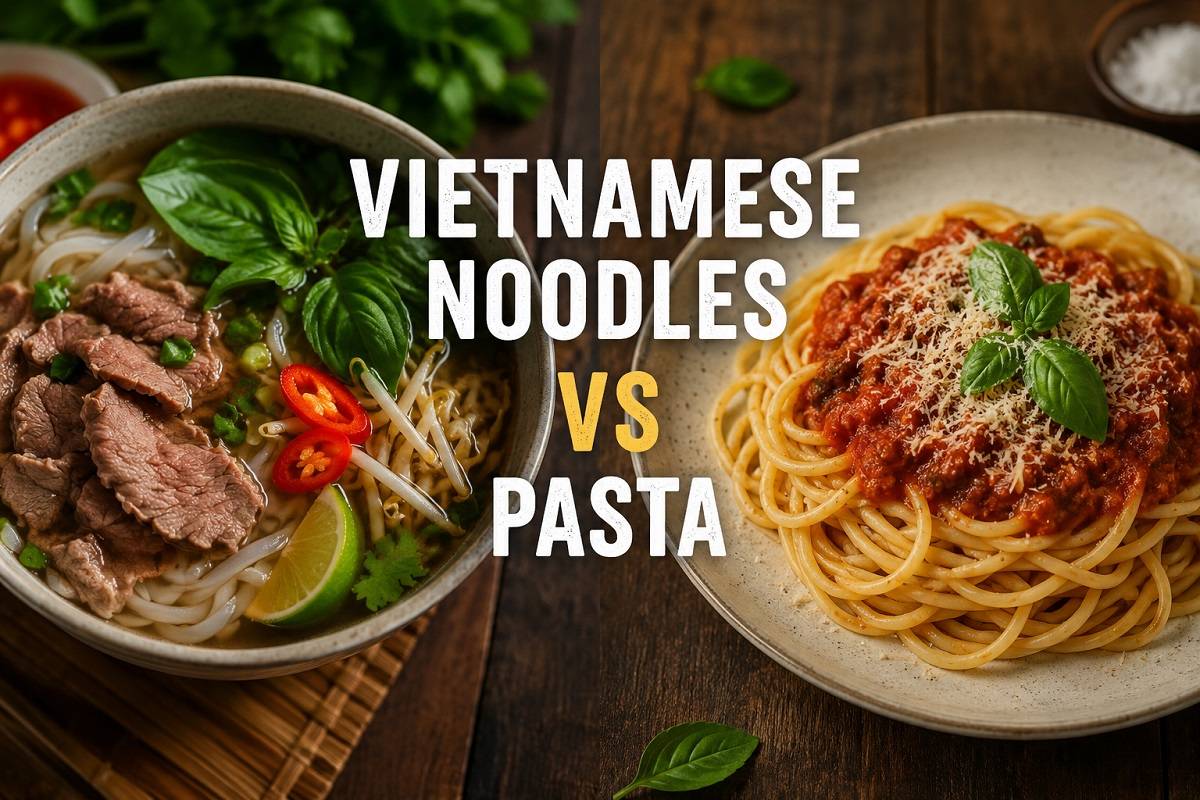
No. Although both are Vietnamese noodle soups, they have different characteristics. Pho typically uses flat rice noodles and a fragrant broth seasoned with distinctive spices. Hủ tiếu often uses a lighter, savoury-sweet broth and may contain different noodle varieties. Seafood hủ tiếu focuses on ingredients such as shrimp, squid, and fish.
Can I use frozen seafood for Vietnamese noodle soup?
Yes. Frozen shrimp, squid, and fish are suitable when stored and prepared correctly. Thaw seafood safely in the refrigerator, or use an appropriate cold-water thawing method. Avoid leaving seafood at room temperature for extended periods. Cook the seafood thoroughly before serving.
How long does homemade seafood noodle soup last?
For best quality, enjoy the soup immediately. Refrigerate leftovers promptly in shallow, airtight containers and use within three to four days. Store noodles separately from the broth when possible. Reheat the soup thoroughly, but avoid repeatedly heating the seafood, which may affect its texture.
What can I serve with Hủ Tiếu Đồ Biển?
Fresh bean sprouts, lime wedges, cilantro, green onions, and sliced chili peppers are excellent accompaniments. You can also serve additional leafy greens or a small side of fresh vegetables. These garnishes allow everyone to customize their soup without changing the original broth.
Final Thoughts
Vietnamese seafood noodle soup is a wonderful example of how simple ingredients can create a satisfying meal. With a carefully prepared broth, tender seafood, rice noodles, and fresh herbs, Hủ Tiếu Đồ Biển delivers a comforting combination of flavours and textures.
Whether you're exploring Vietnamese cooking for the first time or looking for another noodle soup to prepare at home, this recipe offers an approachable starting point.
The most important things to remember are simple: choose good-quality seafood, develop a balanced broth, avoid overcooking the noodles, and finish with fresh garnishes.
With a little practice, you can prepare a delicious bowl of Vietnamese Seafood Noodle Soup (Hủ Tiếu Đồ Biển) in your own kitchen.
Here are some delicious food and drinks to try when ordering from PHO restaurants in Toronto:
Seafood Egg Noodle in Soup (Mì Đồ Biển)
Shrimp Wonton with Egg Noodle in Soup (Mì Hoành Thánh)
Stir Fried Shrimp with Cashew (Cơm Tôm Xào Hạt Điều)
Stir Fried Vegetable with Assorted Meat and Seafood (Cơm Rau cải Xào Thập Cẩm)
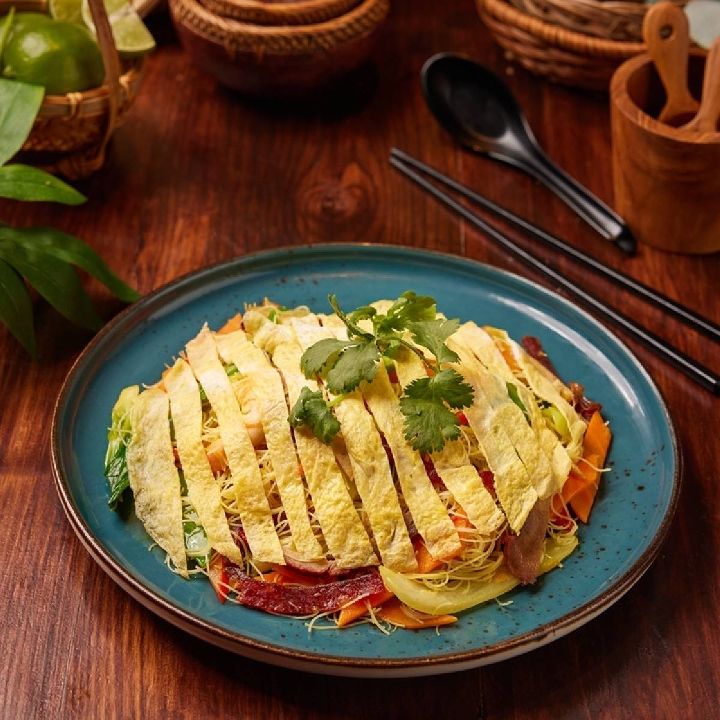
Stir Fried Crispy Egg Noodle with Assorted Meat and Seafood (Mì Xào Giòn Thập Cẩm)