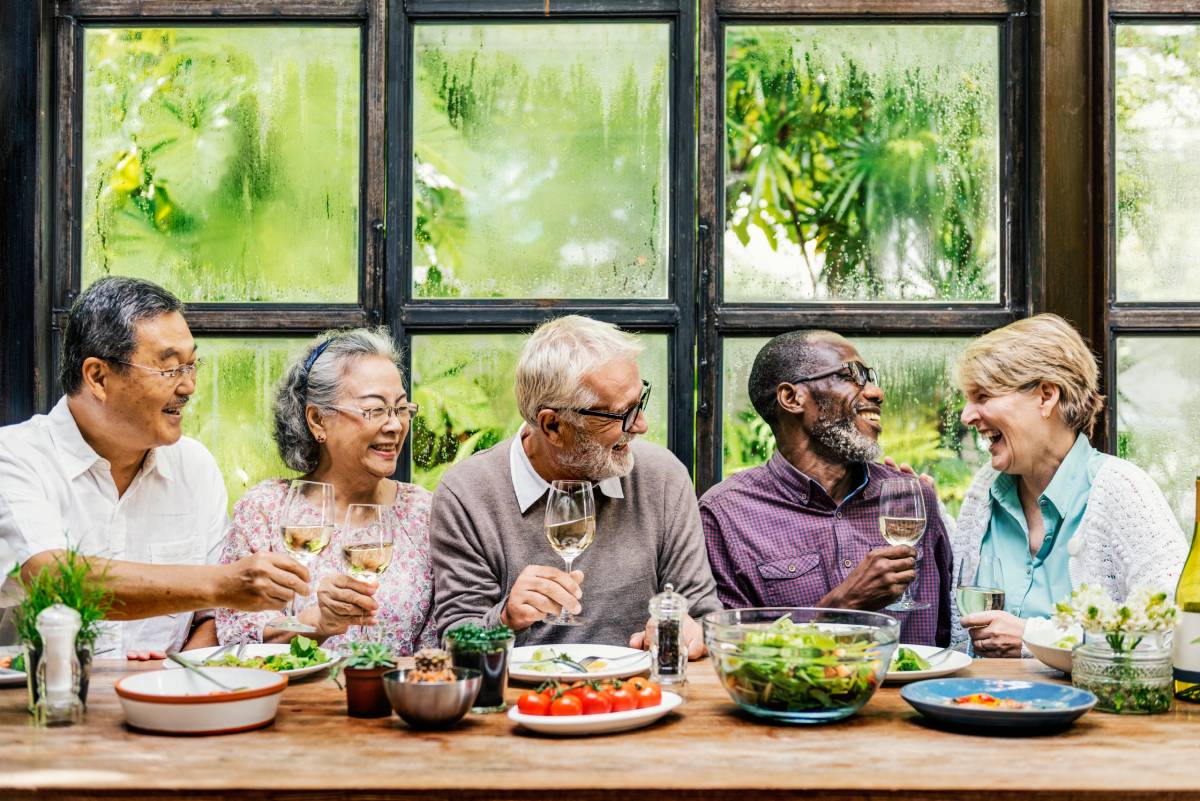
Why Vietnamese Food Is Perfect for Seniors
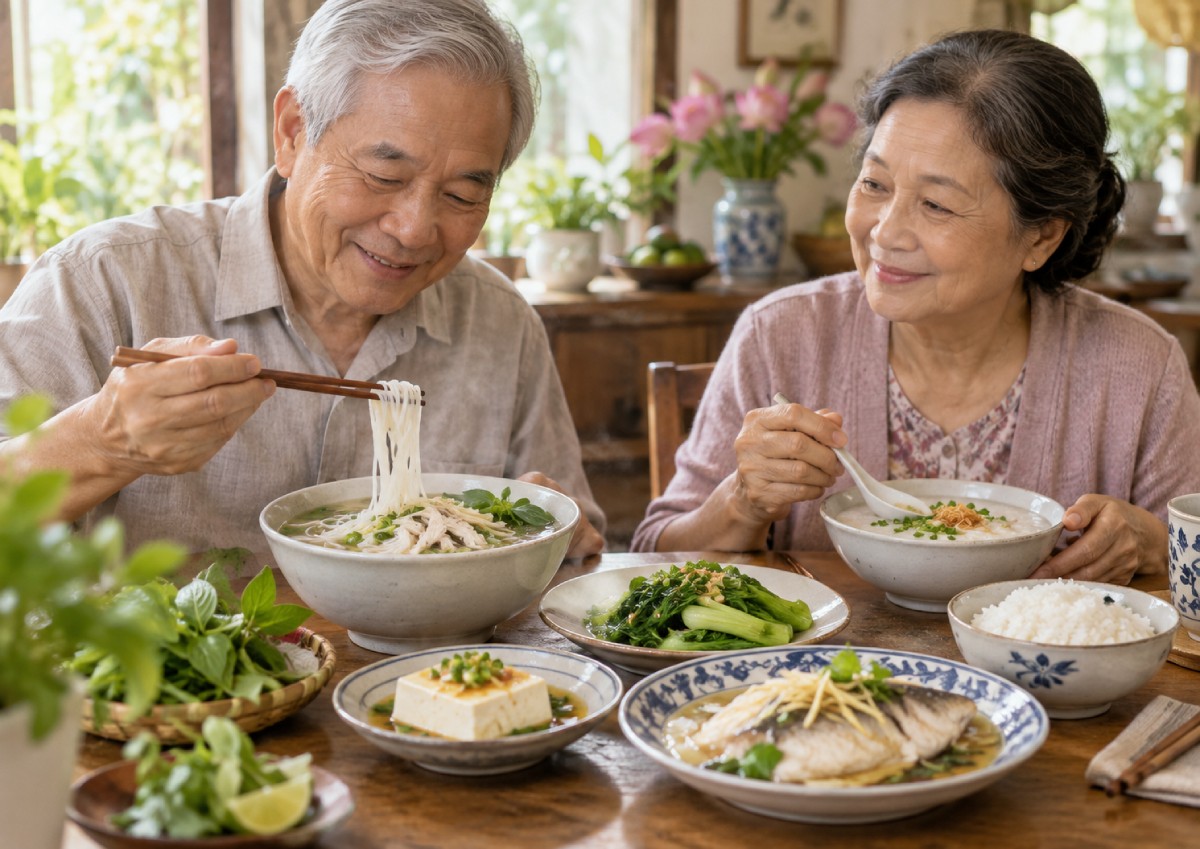
Vietnamese cuisine emphasizes freshness, balance, and moderation-three principles that align beautifully with senior nutrition. Meals are typically cooked with minimal oil, plenty of vegetables, lean proteins, and herbs that aid digestion and reduce inflammation.
Here’s why Vietnamese food works so well for older adults:
- Easy to Digest: Broths, rice noodles, and steamed ingredients are gentle on the stomach.
- Rich in Nutrients: Vegetables, herbs, and lean meats provide essential vitamins and minerals.
- Low in Fat and Sodium: Meals rely on natural seasoning from herbs and fish sauce instead of heavy salt or butter.
- Customizable: Portions and seasonings can easily be adjusted to suit individual health needs.
In other words, Vietnamese food offers nourishment without the heaviness-something every senior can appreciate.
-
Phở Gà (Vietnamese Chicken Noodle Soup)
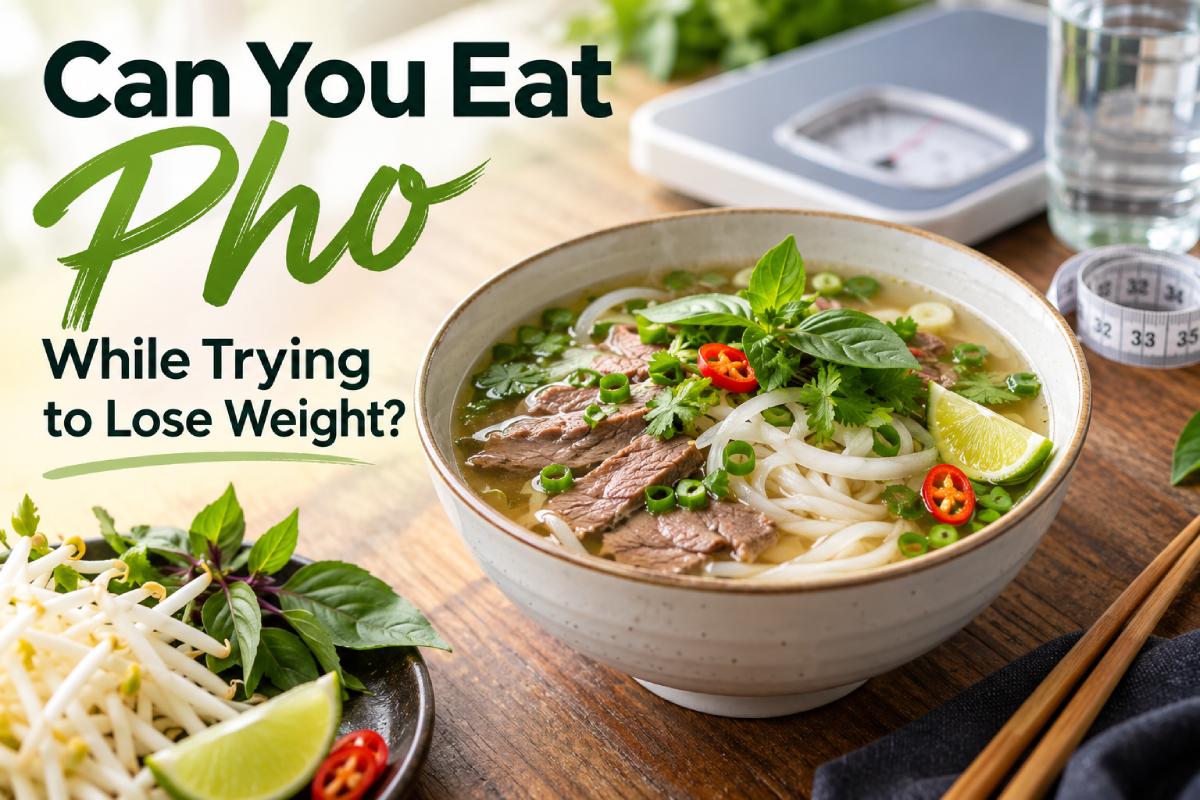
Phở gà is one of the most iconic Vietnamese dishes and an excellent choice for seniors. It’s made with a clear chicken broth, soft rice noodles, and tender chicken breast, topped with herbs like cilantro and basil.
Why it’s perfect for seniors:
- The broth is light yet rich in collagen and minerals, helping maintain joint and skin health.
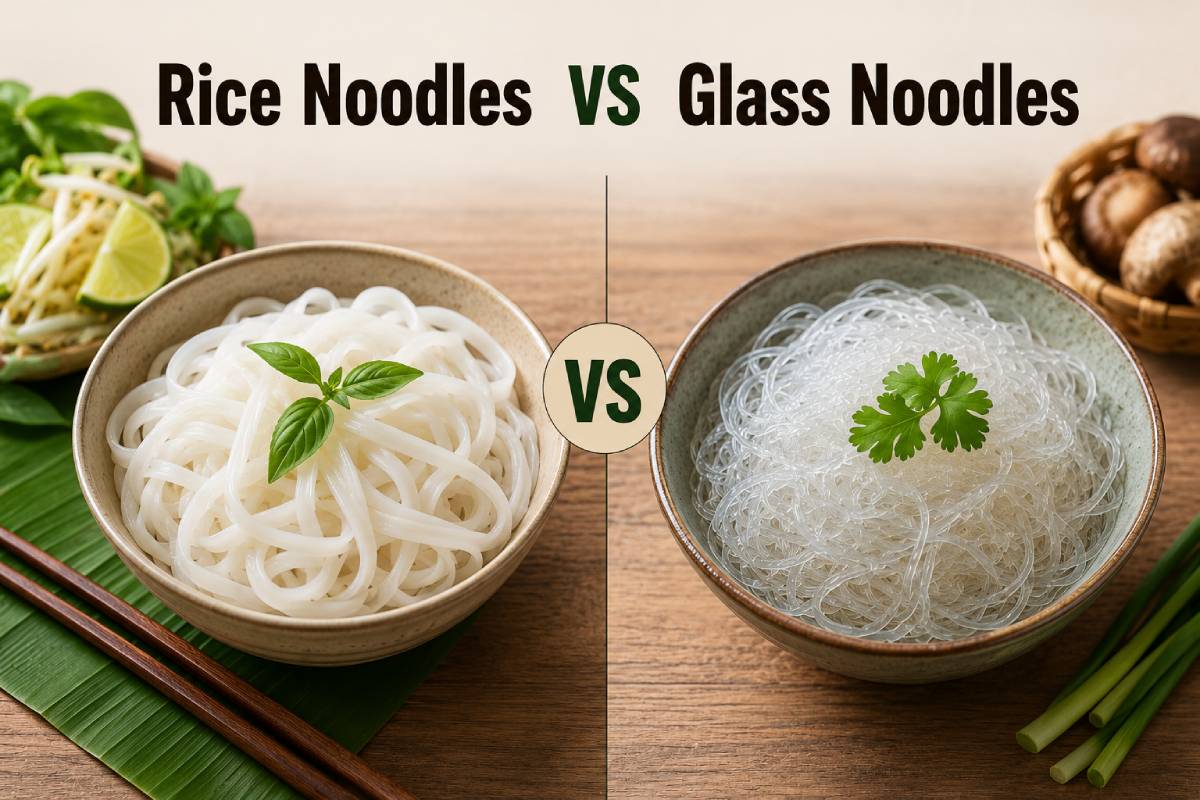
- Rice noodles are gluten-free and easy to chew.
- The warm soup helps improve circulation and comfort digestion.
- Seniors can add or skip garnishes depending on taste or dietary needs.
Phở gà is also hydrating, which is important since many older adults struggle with dehydration. It’s soothing on cold days and perfect for anyone with a delicate appetite.
-
Cháo (Vietnamese Rice Porridge)
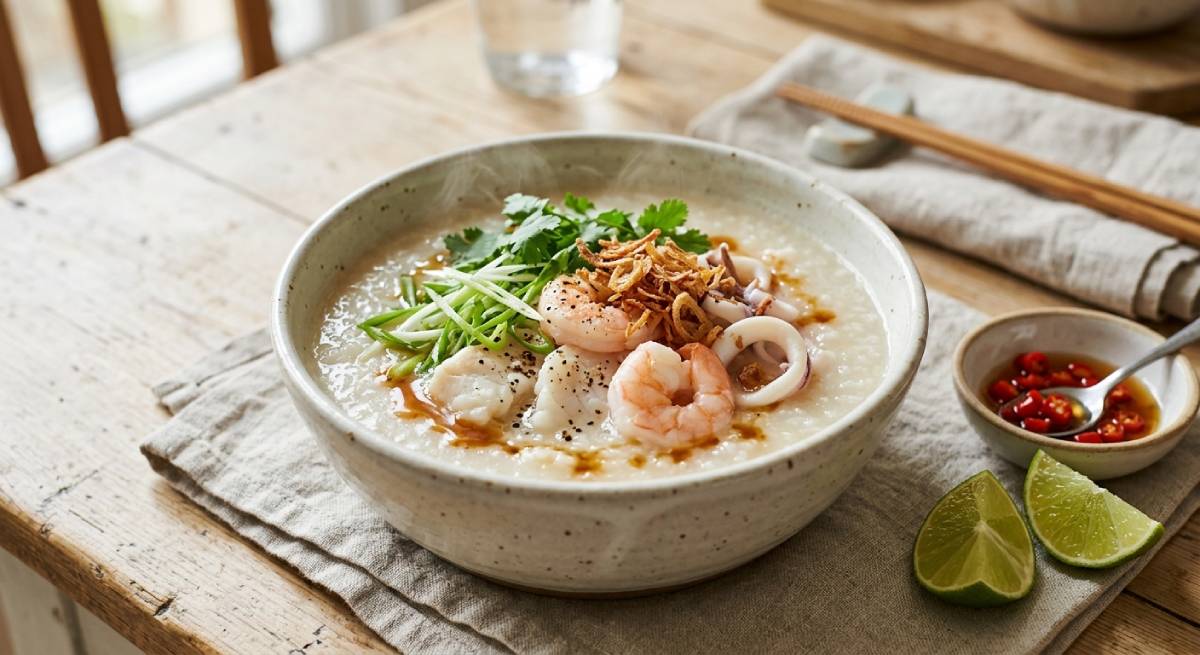
If there’s one dish that defines comfort in Vietnamese homes, it’s cháo-a smooth rice porridge similar to congee. It can be made with chicken, fish, or even vegetables for a vegetarian option.
Why it’s perfect for seniors:
- Soft texture makes it ideal for those with dental issues or difficulty swallowing.
- Easily digestible and calming for sensitive stomachs.
- Can be enriched with proteins like minced pork or fish for balanced nutrition.
- Served warm, it promotes gentle digestion and comfort.
For seniors, cháo isn’t just food-it’s a healing meal. In Vietnam, families prepare it for those recovering from illness or simply needing warmth and strength.
-
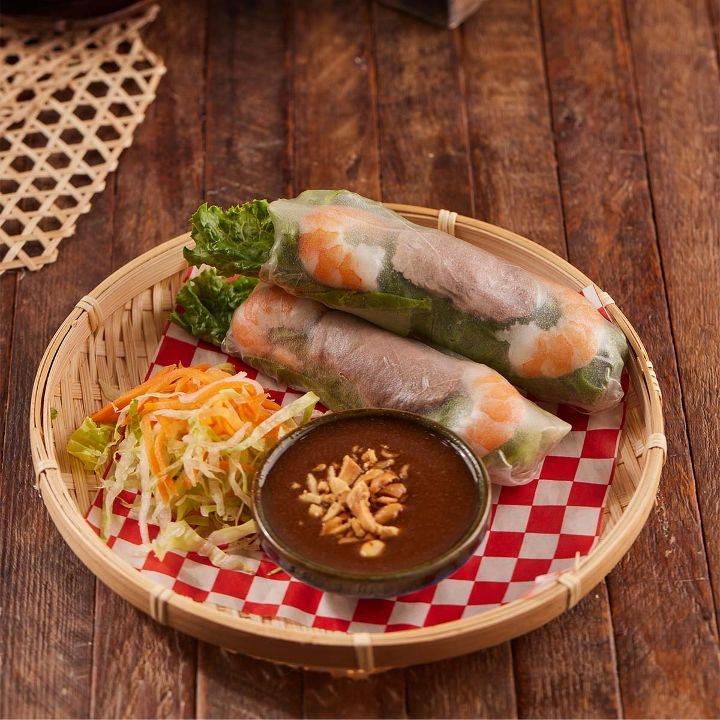
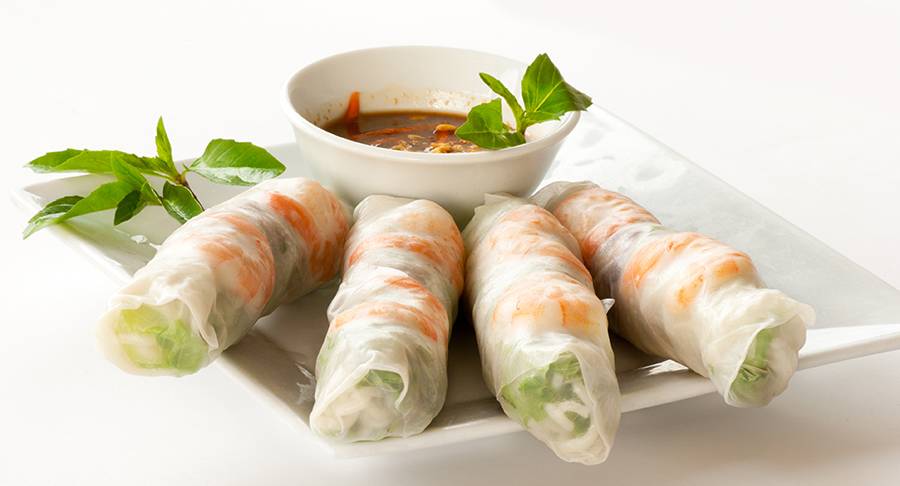
Gỏi Cuốn (Fresh Spring Rolls)
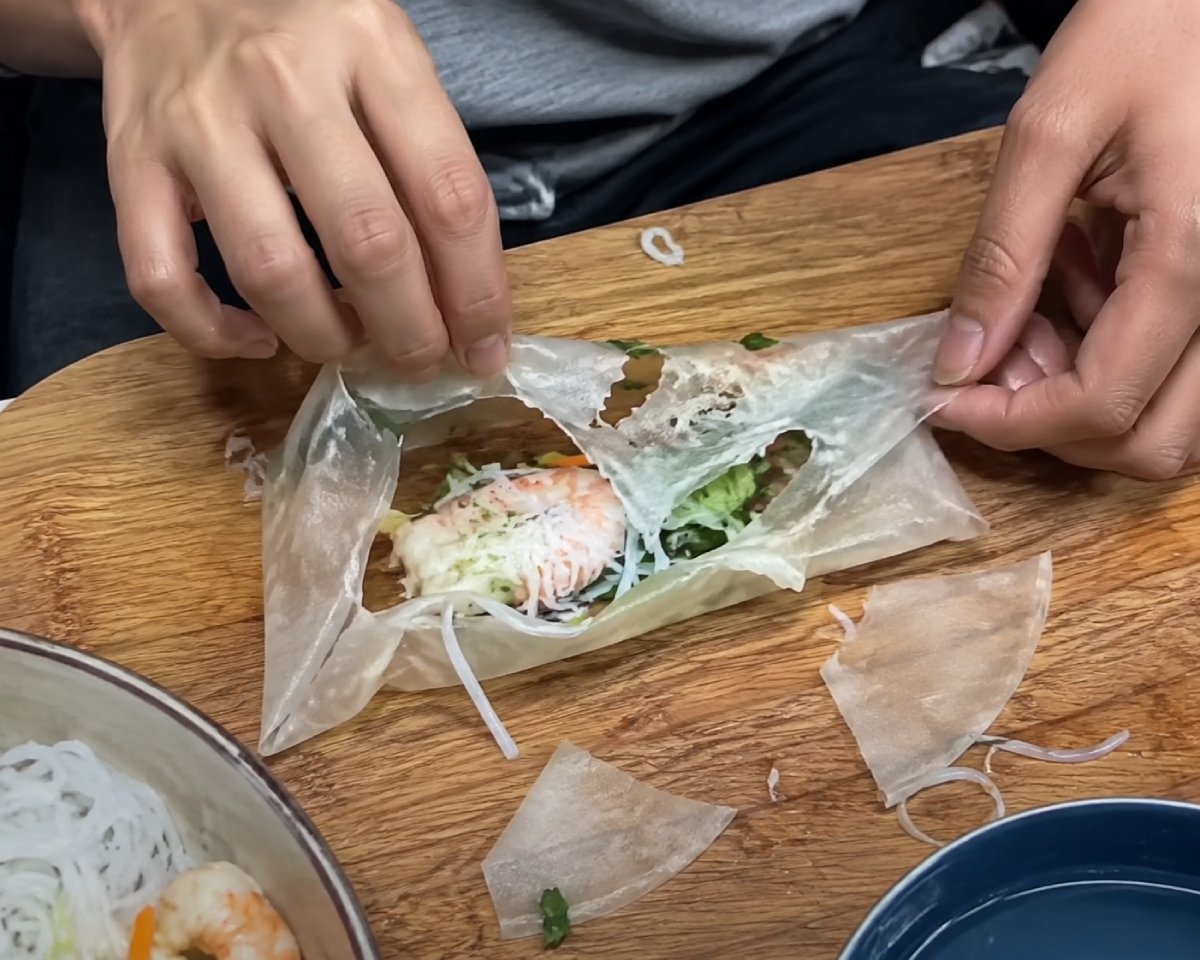
Fresh spring rolls, or gỏi cuốn, are one of the healthiest Vietnamese dishes you can find. They’re made with rice paper, filled with shrimp, lean pork, vermicelli noodles, and fresh herbs like mint and cilantro.
Why it’s perfect for seniors:
- No frying involved, which means less oil and fewer calories.
- Packed with fiber and antioxidants from herbs and vegetables.
- Rice paper is thin and soft, making it easy to chew.
- Can be customized-vegetarian, shrimp-only, or chicken versions are all delicious.
For Canadian seniors who want a light lunch or healthy snack, gỏi cuốn offers freshness, flavor, and fun-all rolled into one.
-
Canh Chua Cá (Vietnamese Sweet and Sour Fish Soup)
These southern favorite blends tamarind, pineapple, tomatoes, and fish into a light, tangy soup that’s both refreshing and nutrient-rich.
Why it’s perfect for seniors:
- The sour tamarind helps stimulate appetite naturally.
- Light fish broth offers protein without heaviness.
- Pineapple and tomato add vitamin C and antioxidants for immune support.
- The soup is hydrating and comforting, especially for those with lower appetite or mild digestive issues.
Canh chua cá offers a delicate balance of sweet, sour, and savory, a combination that keeps taste buds engaged without overwhelming them.
-
Cơm Tấm (Broken Rice with Grilled Meat)
Cơm tấm is a beloved Saigon comfort food traditionally made from “broken” rice grains, topped with grilled pork, egg, or tofu.
Why it’s perfect for seniors:
- Broken rice has a softer texture, making it easier to chew.
- Comes with balanced sides-vegetables, egg, and pickled carrot for gut health.
- The portion can easily be adjusted, and protein can be swapped for grilled fish or tofu.
For seniors who want a bit more substance without heaviness, cơm tấm offers a comforting, balanced plate of Vietnamese home cooking.
-
Rau Luộc (Boiled Vegetables with Dipping Sauce)
Sometimes, simplicity is the most nourishing. Rau luộc refers to boiled or steamed vegetables served with a mild dipping sauce-usually fish sauce or soy sauce.
Why it’s perfect for seniors:
- Extremely easy to digest and light on the stomach.
- Retains vitamins and minerals from fresh produce.
- Low in sodium, fat, and sugar.
- Great side dish to pair with soups or rice meals.
In Vietnam, boiled greens like water spinach, bok choy, or amaranth leaves are common. In Canada, you can substitute with kale, spinach, or broccoli for a similar nutrient boost.
Healthy Vietnamese Eating Habits for Seniors
Beyond individual dishes, Vietnamese culture itself promotes healthy aging through mindful eating traditions.
- Balanced Portions
Meals are usually served family-style with small portions, encouraging variety without overeating.
- Broth-Based Dishes
Soups and stews form the foundation of many meals, making it easier for seniors to stay hydrated and improve digestion.
- Herbs as Medicine
Ingredients like ginger, garlic, turmeric, lemongrass, and basil are not just flavor enhancers-they offer anti-inflammatory and immune-boosting properties.
- Minimal Processed Food
Traditional Vietnamese diets rely on fresh, locally sourced ingredients, avoiding heavy creams, butter, or deep-fried foods.
- Light Seasoning
Rather than adding salt or sugar, flavor is drawn from fish sauce, lime, herbs, and natural aromatics, which keeps meals tasty yet heart-healthy.
Tips for Enjoying Vietnamese Food in Canada
If you’re new to Vietnamese cuisine, Canada offers plenty of opportunities to explore it-both at home and in restaurants.
- Look for pho or bánh mì shops in your area; many now offer lighter, senior-friendly options.
- Ask for less sodium or less spice-Vietnamese chefs are usually happy to adjust.
- Experiment with herbs like mint, cilantro, and basil to add flavor without calories.
- Shop at Asian markets for authentic ingredients such as rice noodles, fish sauce, and lemongrass.
- Try meal prepping: Broths and sauces can be made in advance and stored for quick, nourishing meals during the week.
Common Mistakes When Ordering Vietnamese Food (and How to Avoid Them)
Even light cuisine can be misordered if you don’t know what to look for. Here are a few tips for seniors or caregivers ordering Vietnamese food:
- Avoid overly fried dishes like chả giò (fried spring rolls) if digestion is an issue.
- Watch sodium levels-request less fish sauce or dipping sauce on the side.
- Skip too much chili if you have acid reflux or sensitive digestion.
- Choose broths and steamed dishes over grilled or stir-fried options for lighter meals.
- Stay hydrated-broth-based soups are great, but pair them with water or herbal tea instead of iced drinks.
FAQs About Vietnamese Food for Seniors
- Is Vietnamese food spicy?
Not always. Many dishes are naturally mild, and spice is added separately so you can control the level.
- Can Vietnamese food be low in sodium?
Yes-just ask for less fish sauce or salt. The flavor still shines through thanks to herbs and natural seasonings.
- Are Vietnamese meals suitable for diabetics?
Absolutely. Many dishes are low in sugar and high in fiber. Choose those with vegetables, lean protein, and limited noodles or rice.
- Can Vietnamese food be made vegetarian or vegan?
Easily. Many traditional recipes have plant-based versions using tofu, mushrooms, and vegetable broth.
- Is it safe for seniors with dental issues?
Yes. Soft-textured meals like cháo, tofu dishes, and soups are gentle on teeth and gums.
- Are Vietnamese desserts suitable for seniors?
Yes, in moderation. Options like chè đậu xanh (mung bean pudding) are lightly sweetened and rich in protein and fiber.
- Where can I find authentic Vietnamese food in Canada?
Most major cities-Toronto, Vancouver, Calgary, and Montreal-have Vietnamese restaurants and grocery stores offering authentic ingredients.
- Is Vietnamese tea good for seniors?
Herbal teas such as lotus tea or ginger tea can support digestion and relaxation-great for after meals.
- How can I make Vietnamese meals at home?
Start with easy dishes like phở gà or gỏi cuốn. Most ingredients are available in Asian grocery stores or large supermarkets.
- What’s the best way to introduce seniors to Vietnamese food?
Begin with mild, familiar flavors-like chicken soup or rice porridge-and gradually explore herbs and sauces for variety.
Conclusion: Gentle Nutrition, Vibrant Living
Vietnamese food beautifully blends flavor and function-it’s light, balanced, and full of life. For seniors, it offers an ideal mix of nourishment, digestibility, and joy. Whether it’s a bowl of phở on a chilly Canadian evening or fresh gỏi cuốn for a summer lunch, these meals bring warmth, comfort, and vitality to every bite.
Healthy aging doesn’t mean bland or boring food. With Vietnamese cuisine, it means eating with balance, color, and care-just as generations in Vietnam have done for centuries.
Here are some delicious food and drinks to try when ordering from PHO restaurants in Toronto:
Spring Roll Vermicelli (Bún Chả Giò)
House Special Beef Noodle Soup (Phở Đặc Biệt)
Shrimp and Chicken Pad Thai (Padthai Tôm Gà)
Pork and Shrimp Roll (Gỏi Cuốn Tôm Thịt)
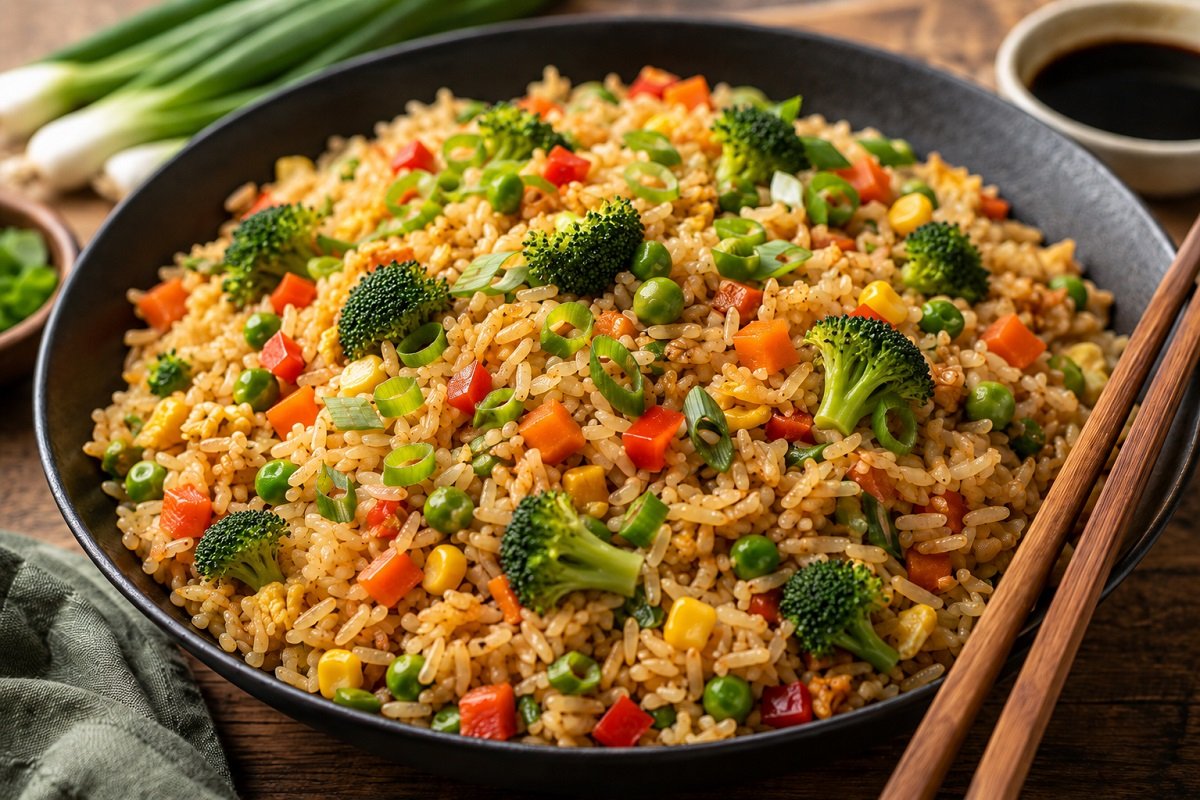
Combination Fried Rice (Cơm Chiên Dương Châu)
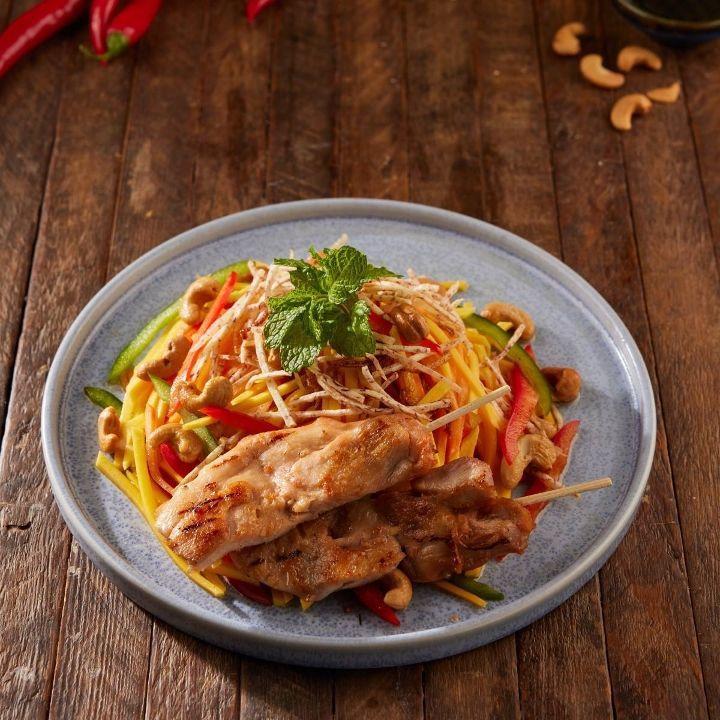
Mango Salad with Shrimp (Gỏi Xoài Tôm)
Rare Beef and Tripe (Phở Tái Sách)