What Is Tôm Cuốn?
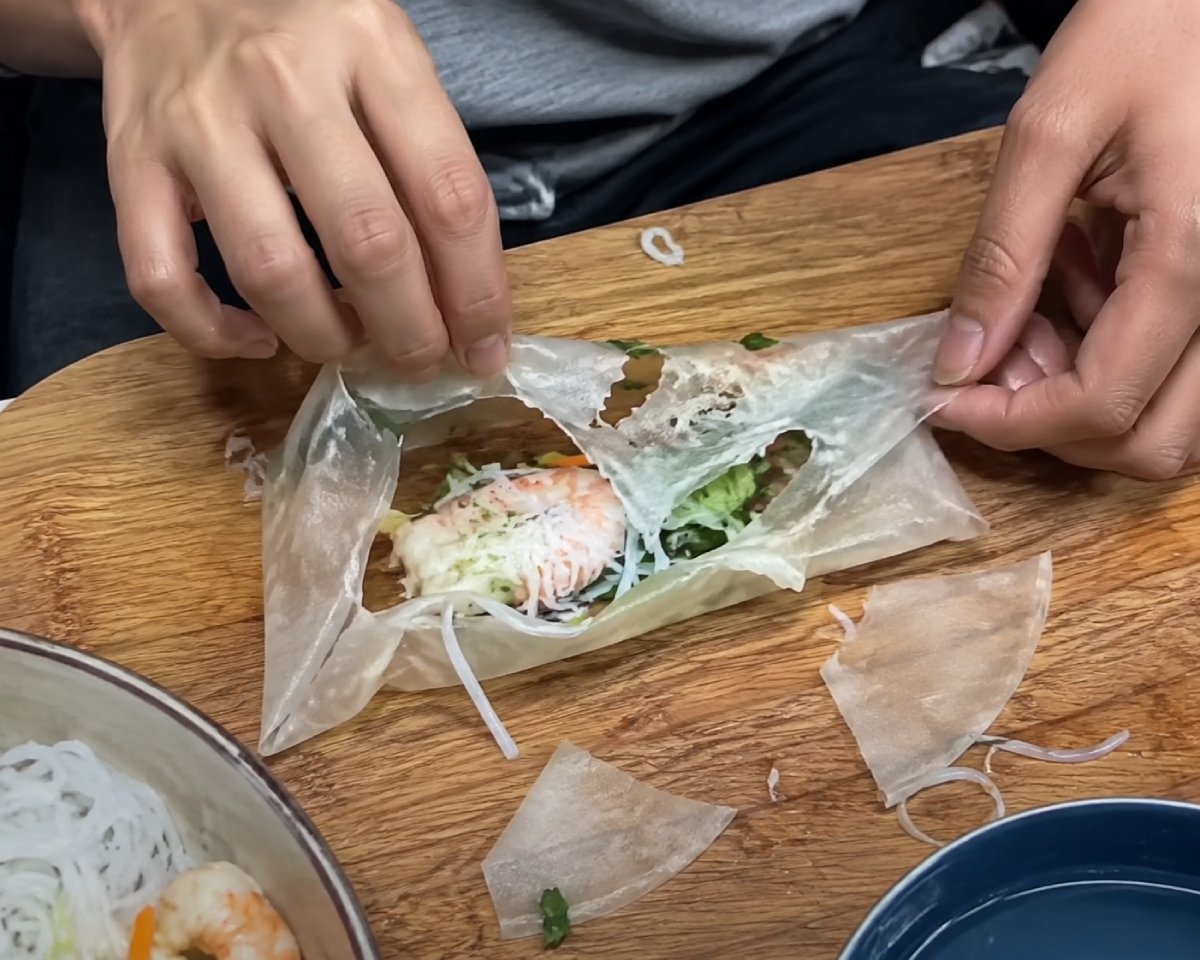
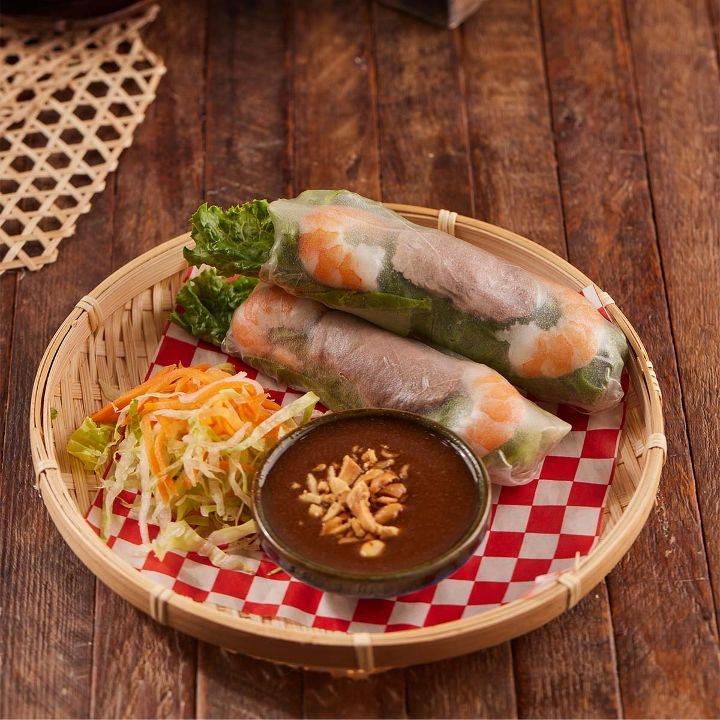
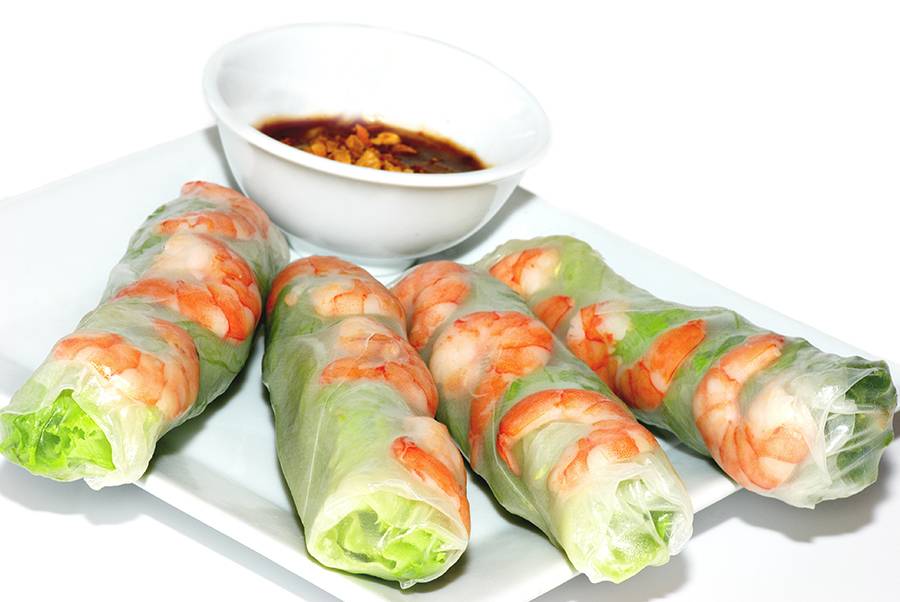
Tôm Cuốn literally translates to “shrimp roll” in Vietnamese. It’s a type of fresh spring roll (not fried!) made with cooked shrimp, vermicelli noodles, fresh herbs, lettuce, and sometimes other vegetables like cucumber or carrots. All of this is wrapped in rice paper (called bánh tráng in Vietnamese), which becomes soft and flexible when dipped in water.
These rolls are usually served cold with nước chấm (Vietnamese dipping sauce) or peanut hoisin sauce.
What Makes Shrimp Rolls So Special?
Here’s why Tôm Cuốn is such a loved dish:
- Healthy and Light: Low in fat, high in fiber, and full of protein.
- No Cooking Required (except boiling shrimp and noodles).
- Customizable: Swap out shrimp for tofu, beef, or more veggies.
- Perfect for Summer: Cool, hydrating, and refreshing.
- Fun to Make: Great for parties or family meals where everyone assembles their own rolls.
Ingredients You’ll Need
Let’s break down what goes into a classic shrimp roll. You can find most of these items at Asian grocery stores or even local supermarkets.
Main Ingredients (For 10 Rolls):
- 20 cooked shrimp, peeled and deveined
- 10 sheets of rice paper (bánh tráng)
- 100g vermicelli rice noodles (thin rice noodles)
- 10 lettuce leaves (romaine or green leaf)
- 1 cup fresh mint leaves
- 1 cup fresh Thai basil or cilantro
- 1 cup shredded carrots or cucumber sticks
- Optional: Bean sprouts, purple cabbage, avocado slices
For the Dipping Sauce:
Nước chấm (fish sauce dip):
- 3 tbsp fish sauce
- 3 tbsp lime juice
- 2 tbsp sugar
- 2 tbsp water
- 1 garlic clove, minced
- 1 chopped red chili (optional)
Peanut Hoisin Sauce:
- 3 tbsp hoisin sauce
- 2 tbsp peanut butter
- 2 tbsp water
- 1 tsp soy sauce
- Crushed peanuts (for topping)
Step-by-Step Guide: How to Make Tôm Cuốn at Home
Here’s how to make shrimp rolls from start to finish.
Step 1: Prepare the Shrimp
- Boil water in a medium pot.
- Add shrimp and cook for 2–3 minutes, or until pink and firm.
- Remove shrimp and let them cool.
- Slice each shrimp in half lengthwise (to lay flatter in the roll).
Step 2: Cook the Vermicelli Noodles
- Boil water and add rice noodles.
- Cook according to package directions (usually 3–5 minutes).
- Drain and rinse under cold water.
- Let them cool and set aside.
Step 3: Set Up Your Rolling Station
- Fill a large bowl or shallow plate with warm water.
- Lay out your ingredients: shrimp, noodles, herbs, vegetables, and rice paper.
- Have a damp cutting board or clean surface ready to roll.
Step 4: Soften the Rice Paper
- Dip one rice paper sheet into warm water for 3–5 seconds.
- Place it flat on your board or plate (it will soften further as you add fillings).
Step 5: Assemble the Roll
- Add a lettuce leaf first to help structure the roll.
- Place a small amount of vermicelli noodles on the lettuce.
- Add herbs, carrots, cucumber, and optional extras like avocado.
- Lay 2 shrimp halves on top, pink side facing down.
Step 6: Roll It Up
- Fold the sides of the rice paper inward like a burrito.
- Start from the bottom and roll tightly but gently.
- The rice paper will stick to itself to seal the roll.
Repeat for the remaining rolls.
How to Serve Tôm Cuốn
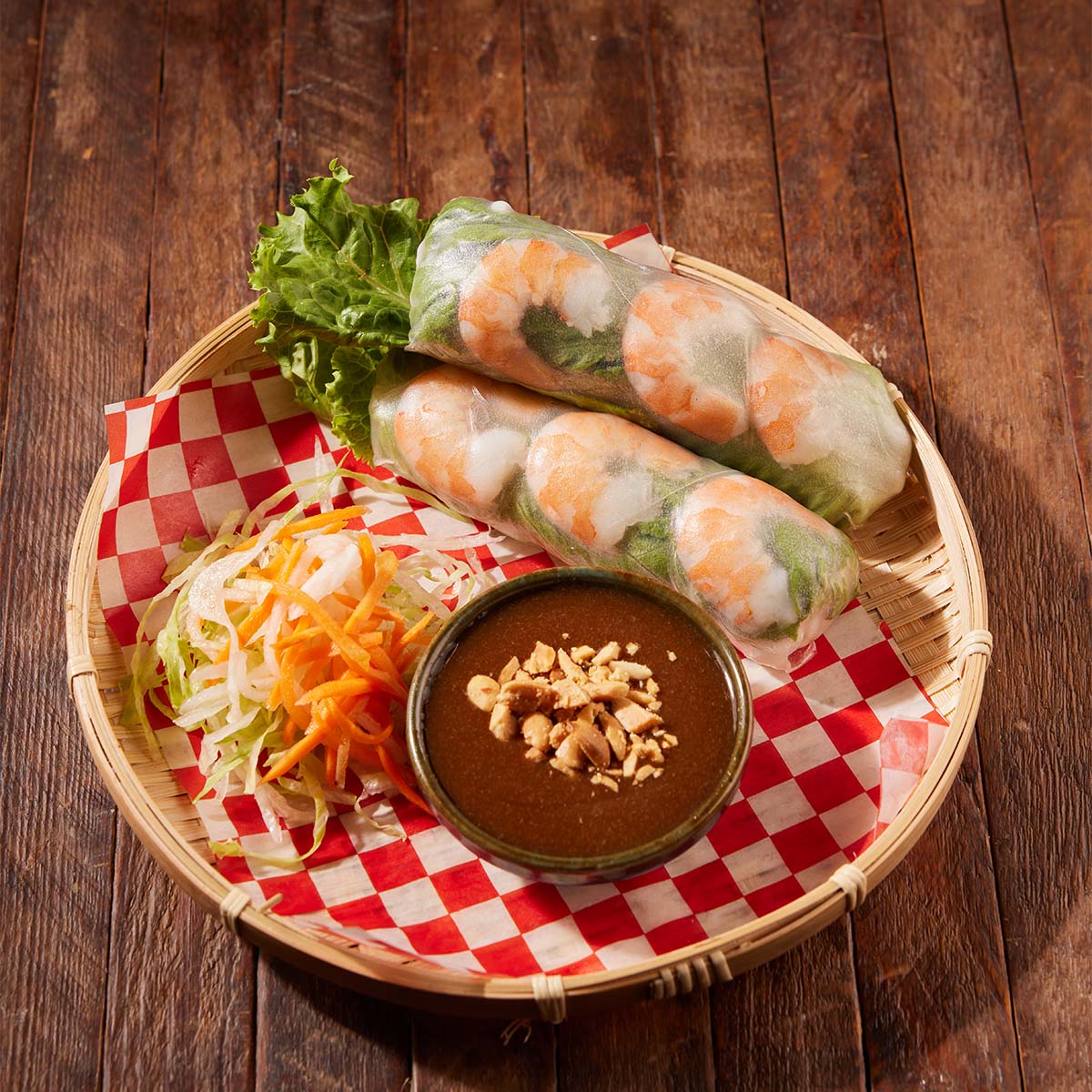
Shrimp rolls are best served fresh and slightly chilled. Place them on a plate with your favorite dipping sauce on the side. You can garnish with crushed peanuts, lime wedges, or chili slices for a pop of flavor and color.
They’re ideal as an appetizer, a light lunch, or even a healthy dinner with a side salad or Vietnamese soup.
Tips for Success
Here are a few helpful tips to make your shrimp rolls perfect every time:
- Don’t Overfill
It’s tempting to pack lots of fillings, but keep it modest. Overfilling makes the rolls hard to close and more likely to tear.
- Use Room-Temperature Water
Hot water can make rice paper too soft and fragile. Lukewarm water is best for dipping.
- Keep It Moist
Work quickly because rice paper can dry out fast. Keep a damp cloth over finished rolls to maintain their texture.
- Serve Immediately
Tôm Cuốn tastes best when freshly made. If you need to store them, wrap them individually in plastic wrap and refrigerate for up to 24 hours.
Nutrition Facts (Per Roll, Approximate)
- Calories: 90–110
- Protein: 6g
- Carbs: 12g
- Fat: 2g
- Fiber: 1.5g
These numbers vary depending on your fillings and sauces. Either way, they’re a healthy, low-calorie choice!
Health Benefits
Shrimp rolls are not just tasty—they’re also good for you.
- Shrimp is high in protein, low in fat, and rich in selenium, B12, and iodine.
- Rice noodles offer quick energy without heavy oils.
- Fresh herbs like mint and basil have anti-inflammatory properties.
- Leafy greens provide fiber, folate, and hydration.
- No frying means lower calories and better digestion.
For anyone watching their weight or looking for heart-friendly foods, Tôm Cuốn is a smart option.
Fun Variations to Try
Tired of shrimp? No problem! Here are some creative ideas:
- Grilled Tofu Rolls: Great for vegetarians.
- Pork & Shrimp Combo: A classic mix in Southern Vietnam.
- Mango & Shrimp Rolls: Add tropical sweetness.
- Spicy Tuna Rolls: Fusion twist with Sriracha mayo.
- Avocado & Egg Rolls: Creamy and satisfying.
You can also serve with different sauces—like sriracha mayo, tahini-lemon, or even soy-ginger dressing.
Cultural Insight: The Role of Tôm Cuốn in Vietnam
In Vietnam, fresh spring rolls are known as gỏi cuốn, and shrimp versions are among the most common. These rolls are eaten all over the country but are especially popular in the south.
They’re often enjoyed as a casual family snack, a restaurant appetizer, or street food at local markets. Because they’re so hands-on, they’re also a big hit at gatherings. Everyone builds their own, making the meal interactive and social.
In Vietnamese homes, the rolls are usually eaten alongside hot dishes like grilled meats or noodle soups, creating a delicious contrast of warm and cold, soft and crunchy.
Common Mistakes to Avoid
Even though shrimp rolls are simple, here are a few common slip-ups to look out for:
- Rice paper sticking to the surface: Always use a slightly damp cutting board or a wet tea towel.
- Rolls falling apart: Wrap tightly and fold in the sides firmly.
- Shrimp disappearing in the roll: Lay them pink side down for a more colorful and professional look.
- Serving dry rolls: Keep covered with a damp cloth if not eating right away.
Frequently Asked Questions (FAQ)
Q: Can I make these rolls ahead of time?
Yes, but only by a few hours. Store them in an airtight container with each roll wrapped in plastic or parchment paper to prevent sticking.
Q: Are shrimp rolls gluten-free?
Yes—if you use gluten-free dipping sauces. Most hoisin sauces contain wheat, so check labels.
Q: What if I can’t find rice paper?
Rice paper is essential for Tôm Cuốn. You can try Asian grocery stores or order online. There’s no exact substitute.
Q: Can I freeze shrimp rolls?
No. Freezing ruins the texture of the rice paper and fresh veggies. It’s best to enjoy them fresh.
Q: What’s the difference between spring rolls and summer rolls?
“Spring rolls” are often fried (crispy), while “summer rolls” like Tôm Cuốn are fresh and not cooked in oil.
Final Thoughts
Tôm Cuốn, or Vietnamese shrimp rolls, are one of the easiest ways to enjoy the fresh, healthy flavors of Vietnamese cuisine right in your own kitchen. With just a little prep work, you can create a meal that’s nutritious, satisfying, and beautiful to look at.
They’re also a great way to introduce kids to vegetables, boost your protein intake, or wow your friends at a dinner party. Once you learn how to roll, the possibilities are endless.
So, grab some rice paper, get rolling, and enjoy the magic of Tôm Cuốn!
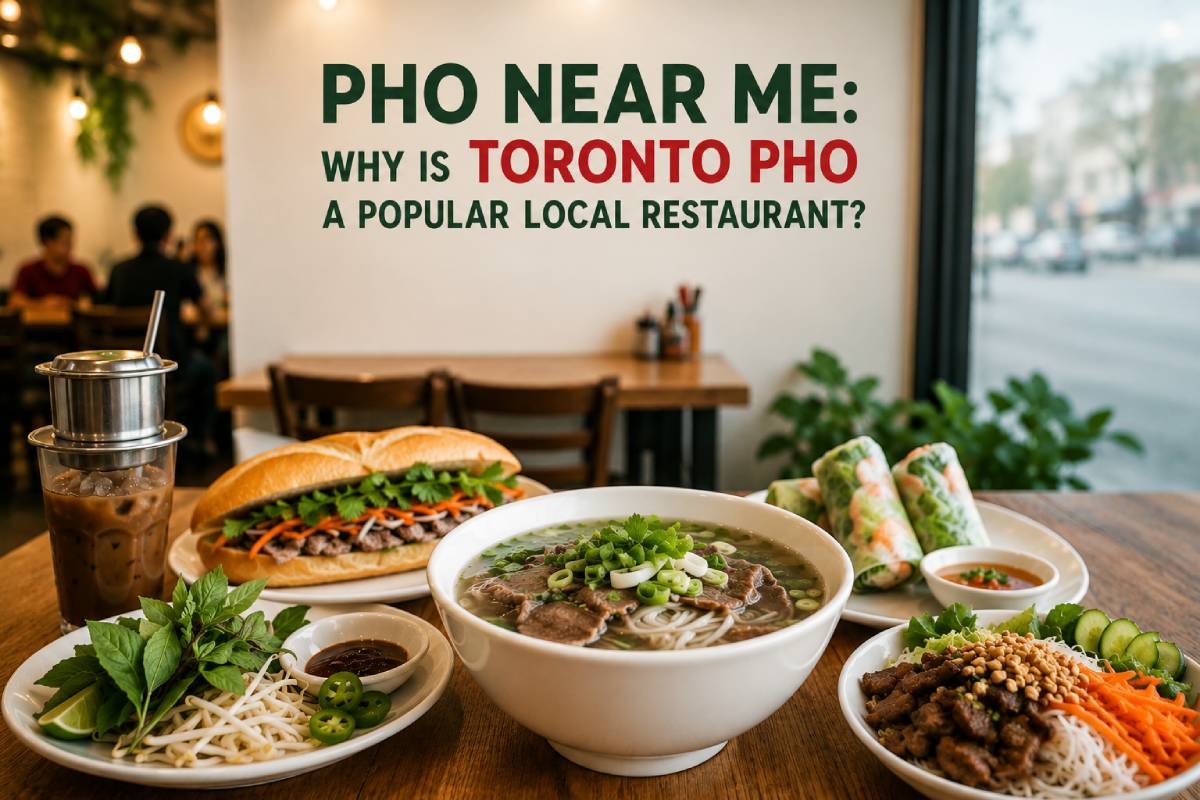
Here are some delicious food and drinks to try when ordering from PHO restaurants in Toronto:
Grilled Chicken and Spring Roll Vermicelli (Bún Gà Chả Giò)
Hanoi Style Vermicelli (Bún Chả Hà Nội)
VermicelIi Noodle in Tomato Soup (Bún Riêu)
Pork and Shrimp Roll (Gỏi Cuốn Tôm Thịt)
Deep Fried Spring Roll (Chả Giò)