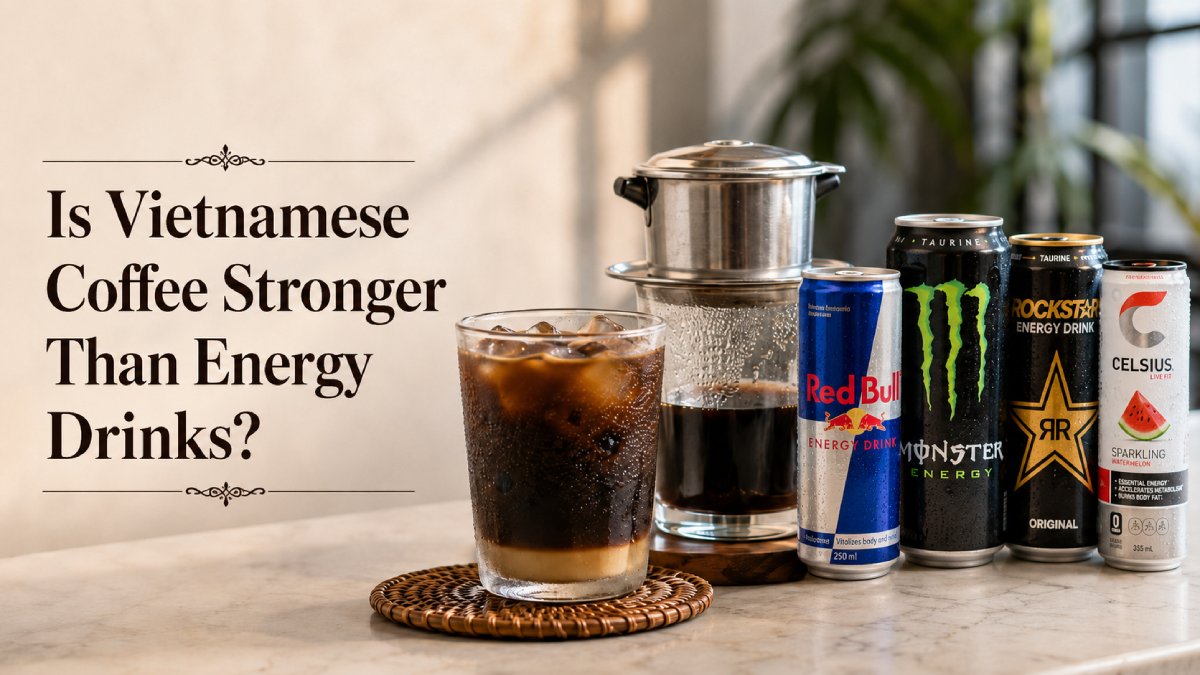
When people want quick energy, they usually reach for one of two things: coffee or an energy drink. But Vietnamese coffee is not just “regular coffee.” It is bold, rich, intense, sweet, and famous for giving people a serious wake-up call.
So, the question makes sense:
Is Vietnamese coffee stronger than energy drinks?
The honest answer is: sometimes, yes.
Vietnamese coffee can be stronger than some energy drinks, especially smaller cans. But it depends on the serving size, the type of coffee beans, the amount of coffee used, the brewing method, and how much caffeine is in the energy drink you are comparing it to.
If we are talking about taste, Vietnamese coffee usually feels stronger.
If we are talking about caffeine, Vietnamese coffee can be stronger than a small energy drink, but some large energy drinks may have more total caffeine.
If we are talking about energy, the answer depends on your body, your caffeine tolerance, your sugar intake, and how quickly you drink it.
Let’s break it down in a simple way.
Read more: Is Vietnamese Coffee Stronger Than Energy Drinks?
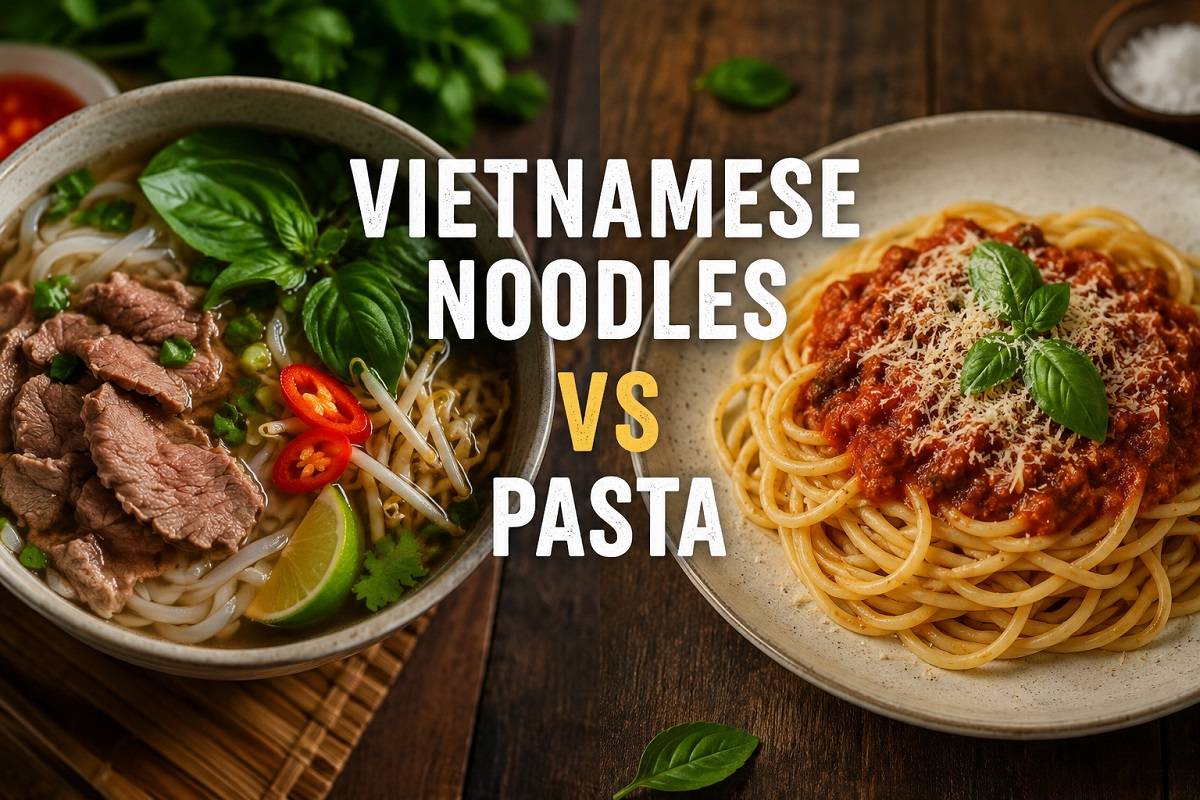
A lot of people say the same thing after eating Vietnamese food:
“I feel full… but not uncomfortable.”
Meanwhile, after a large pasta meal, some people feel sleepy, bloated, or overly stuffed for hours.
So what’s actually going on here?
Are Vietnamese noodles truly lighter than pasta? Or does it just feel that way because of the ingredients, cooking style, and portion sizes?
The answer is more interesting than most people expect.
Not all noodles are created equal. The type of flour, cooking method, sauces, oils, proteins, vegetables, and even broth can completely change how “heavy” a meal feels in your stomach.
And while pasta is not automatically unhealthy, Vietnamese noodle dishes are often built very differently from many Western-style pasta meals.
Let’s break it down in simple terms.
Read more: Vietnamese Noodles vs Pasta: Why Vietnamese Meals Feel Lighter
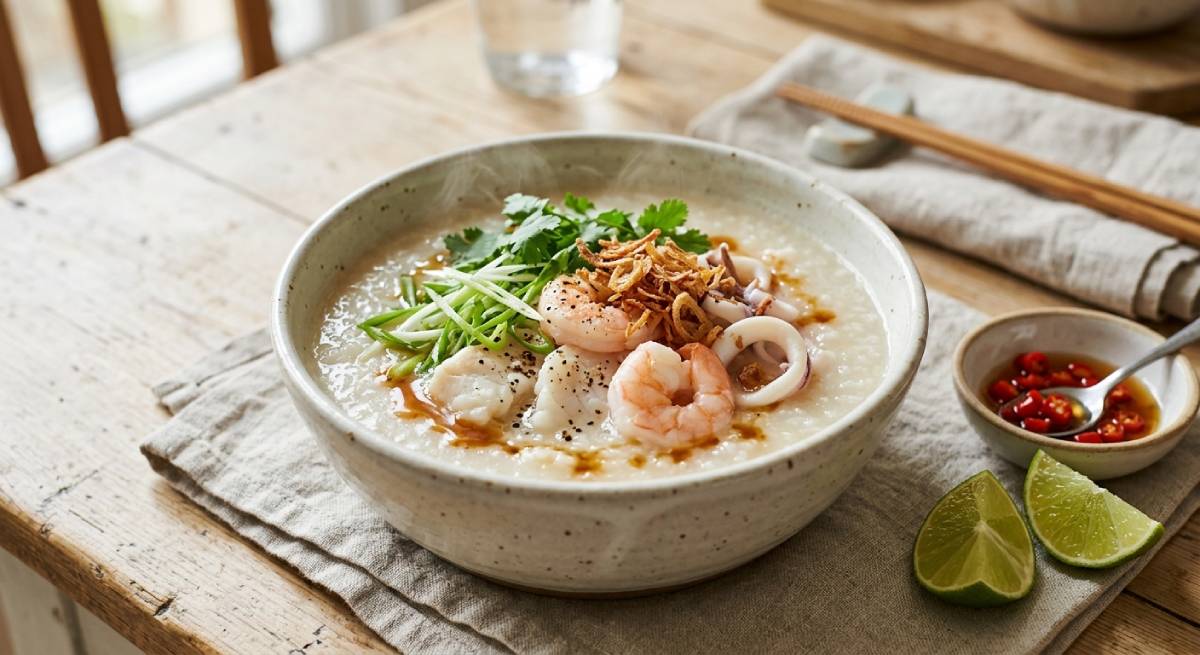
There’s something comforting about a warm bowl of Vietnamese seafood congee.
It’s soft, savory, filling, and surprisingly simple once you understand the basics. Many people first try it when they’re feeling tired, sick, cold, or just craving something lighter than fried or heavy food. In Vietnam, congee is often seen as comfort food that works any time of day.
Some people eat it for breakfast.
Some eat it late at night.
Others make it when they want something gentle but still flavorful.
Read more: Easy Vietnamese Seafood Congee Recipe for Beginners
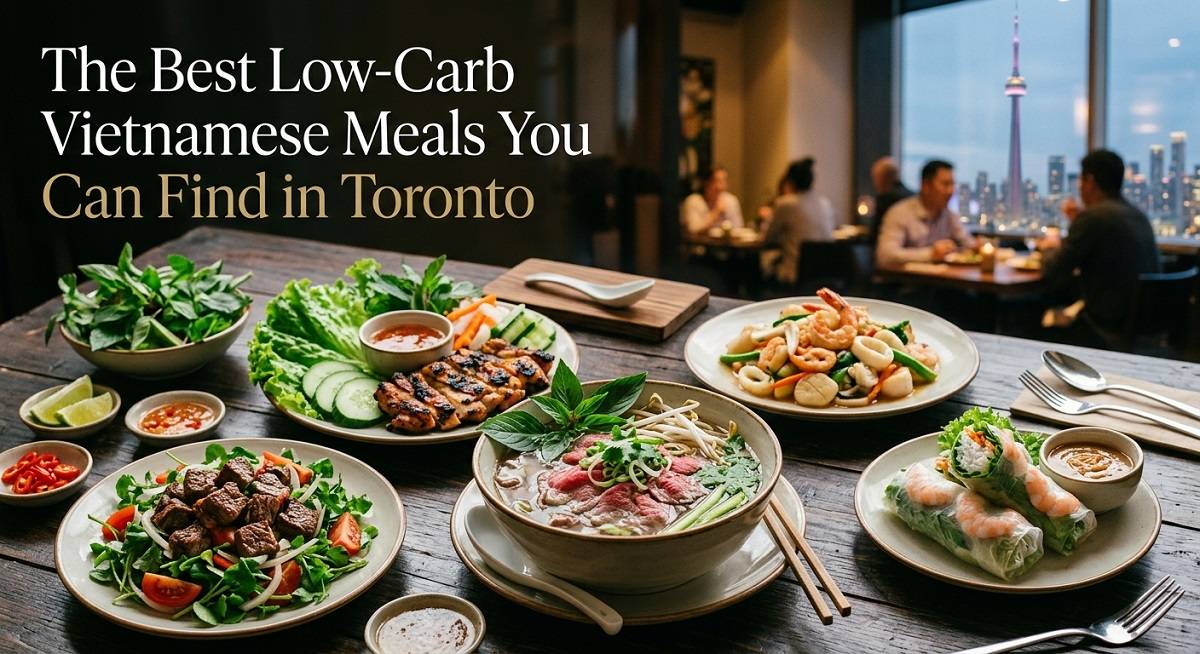
Trying to eat low-carb in Toronto can feel frustrating sometimes.
One minute you’re motivated to eat lighter and cleaner, the next minute you’re staring at a giant bowl of noodles or a loaded sandwich wondering if there’s anything on the menu that actually works for your goals.
The good news?
Vietnamese food is honestly one of the best cuisines for low-carb eating when you know what to order.
A lot of people assume Vietnamese meals are automatically carb-heavy because they think about:
- Pho noodles
- Vermicelli bowls
- Bánh mì sandwiches
- Rice plates
But that’s only part of the story.
Traditional Vietnamese cuisine is also filled with:
- Grilled meats
- Fresh herbs
- Bone broth
- Seafood
- Lettuce wraps
- Pickled vegetables
- Fresh rolls
- Protein-heavy dishes
That’s why so many people in Toronto who follow keto, high-protein, or lower-carb lifestyles still eat Vietnamese food regularly.
You just need to know which meals work best.
Read more: The Best Low-Carb Vietnamese Meals You Can Find in Toronto
Let’s be honest.
Sometimes you want to eat healthy, but the thought of another cold salad feels depressing.
You want something warm. Filling. Flavorful. Something that actually tastes like a real meal.
The good news?
Healthy eating does not have to mean dry lettuce, bland dressing, or tiny portions that leave you hungry an hour later.
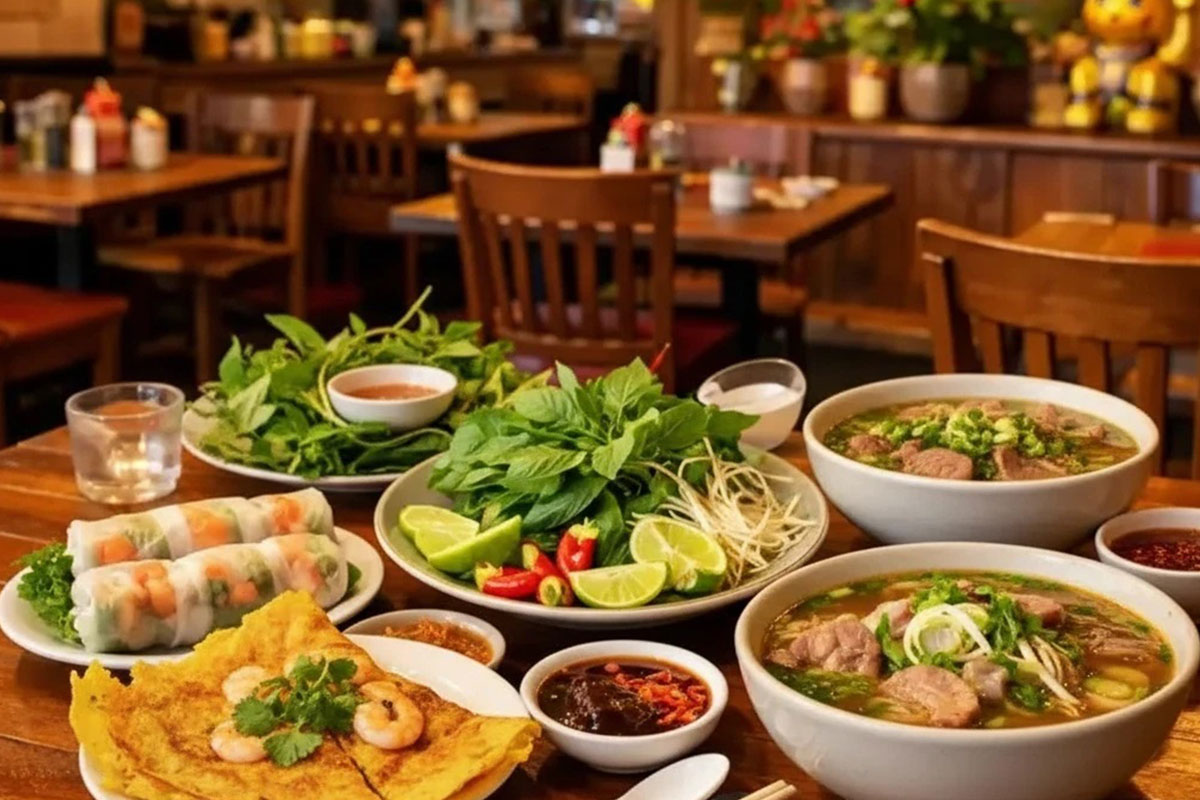
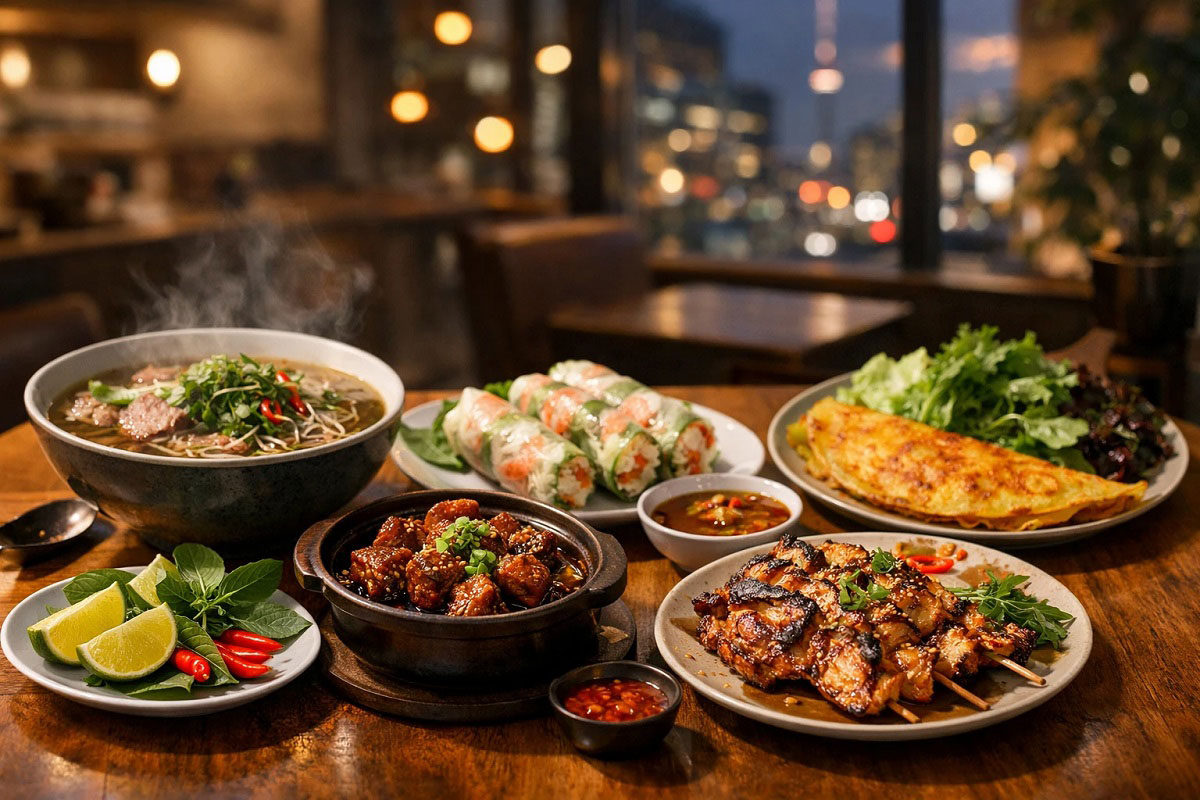
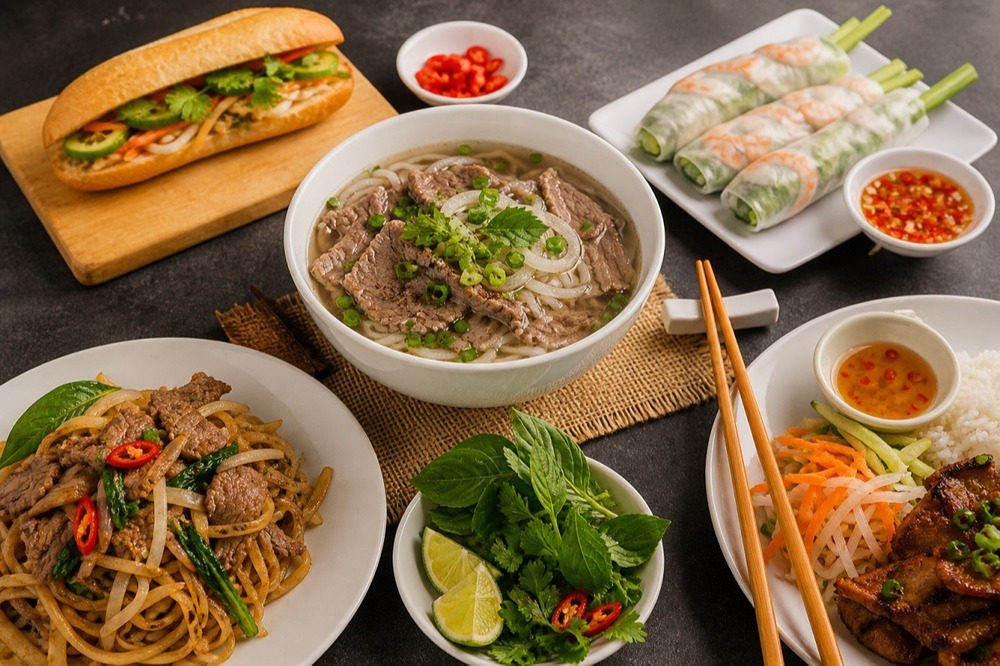
That is one reason Vietnamese food has quietly become a favorite for people trying to eat lighter without feeling restricted. Many Vietnamese dishes are naturally balanced with fresh herbs, lean proteins, rice noodles, broth-based soups, grilled meats, seafood, and vegetables. The meals often feel comforting and satisfying without becoming overly heavy.
If you are trying to eat better but are completely over salads, here are some Vietnamese dishes that still hit the spot.
Read more: Not in the Mood for Salad? These Healthy Vietnamese Orders Still Hit the Spot
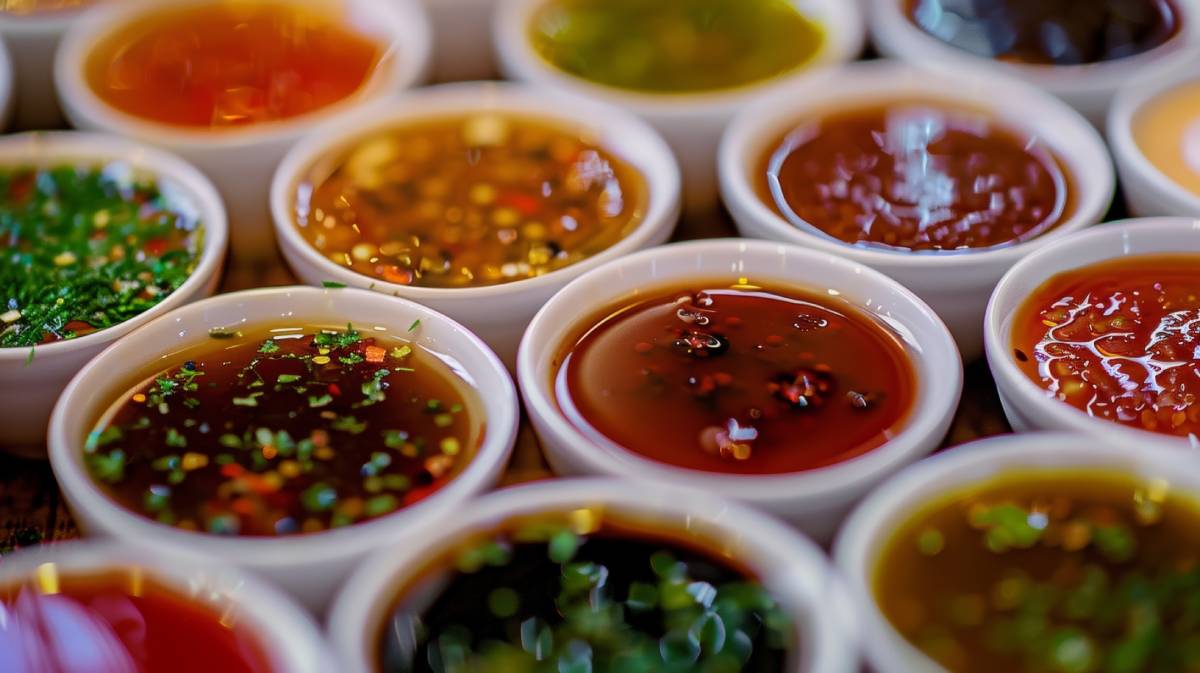
Vietnamese cooking is known for its balance. Instead of one strong flavor dominating a dish, several flavors work together: salty, sweet, sour, spicy, and savory. Sauces and seasonings are the tools that create this balance. Fish sauce, soy sauce, lime juice, chili, sugar, herbs, and fermented pastes all play a role.
For people new to Vietnamese food, these ingredients can seem confusing. But once you understand a few simple ideas, combining sauces and seasonings becomes much easier. You do not need complicated recipes. You just need to know how flavors interact.
Here are practical tips that will help you combine sauces and seasonings the way Vietnamese cooks often do.
Read more: Tips for combining sauces and seasonings in Vietnamese cuisine
More Articles ...
Page 1 of 62