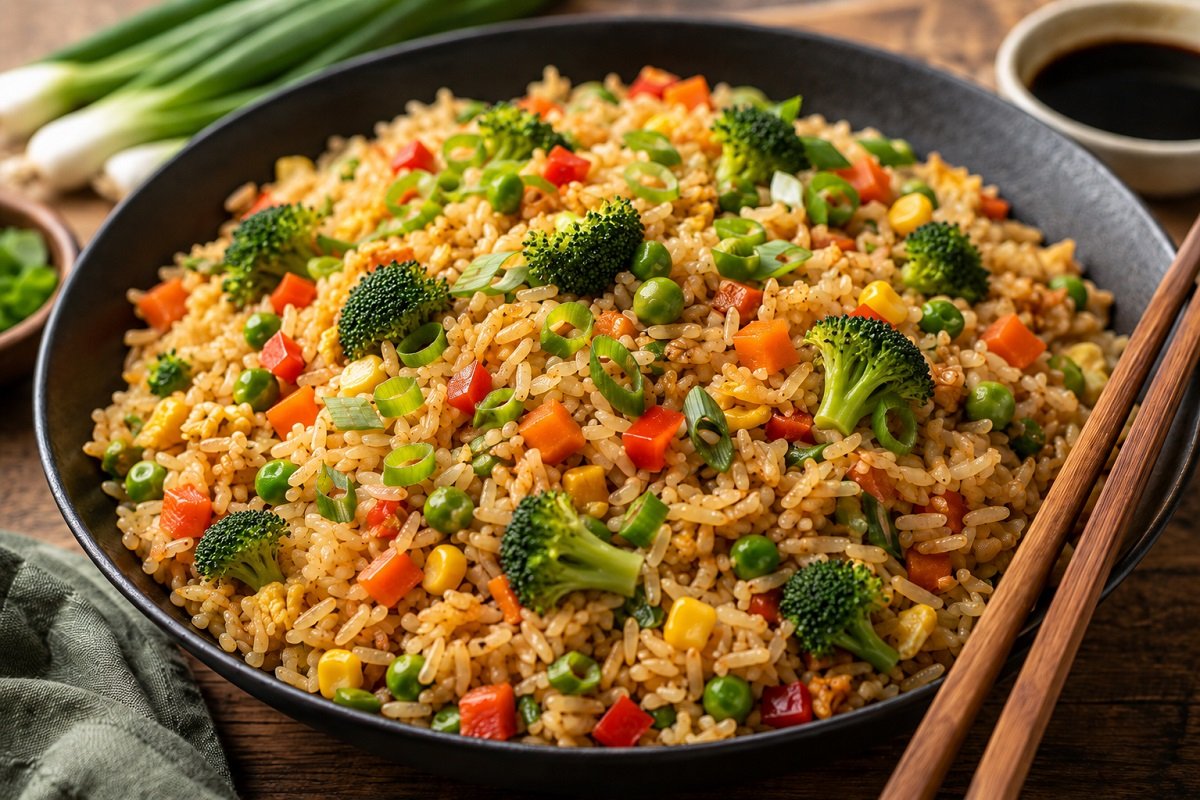
Veggie fried rice is one of those meals that proves simple food can still be satisfying, colourful, and full of flavour. It is quick enough for a busy weeknight, flexible enough to use whatever vegetables you already have, and easy to adjust based on your taste.
At its core, fried rice is exactly what it sounds like: cooked rice stir-fried in a hot pan with vegetables, seasoning, and usually a little oil. The technique is straightforward, but a few small details can make the difference between rice that is light and separate and rice that turns soft, wet, or clumpy.
The good news is that you do not need special equipment or complicated ingredients to make a tasty version at home.
This guide explains how to make simple veggie fried rice, why certain steps matter, and how to avoid the most common mistakes.
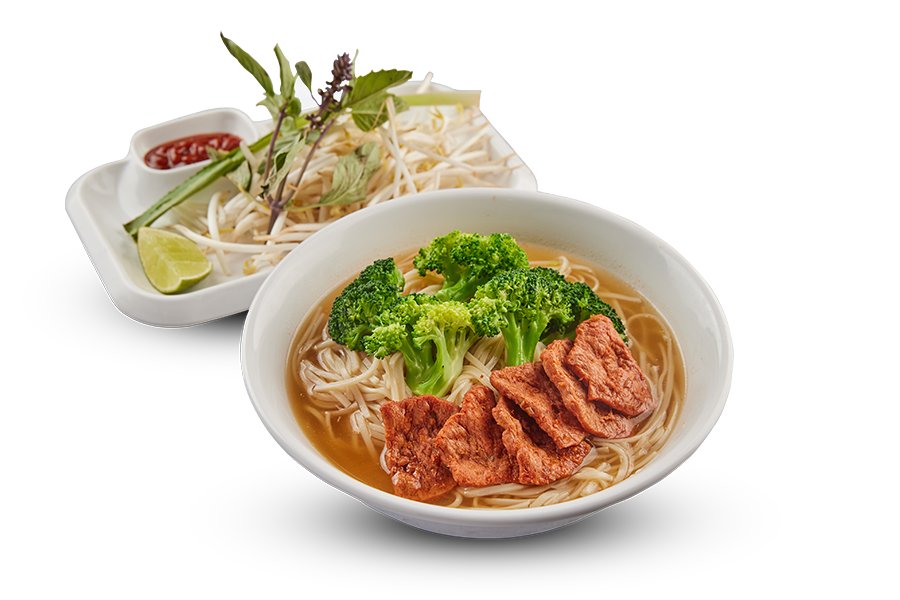
Vietnamese noodle soups are known for their light broth, fresh herbs, tender noodles, and layers of flavor. While many traditional versions are made with meat, it is easy to create a satisfying vegetarian version using plant-based ingredients.
This Vietnamese vegetarian chicken noodle soup combines a clear, aromatic broth with rice noodles, vegetables, herbs, and vegetarian chicken. The result is warm, comforting, and flavorful without feeling heavy.
It is a good option for lunch, dinner, or any time you want a simple bowl of noodle soup with fresh Vietnamese-inspired flavors.
The recipe is also flexible. You can adjust the vegetables, noodles, herbs, and level of seasoning based on what you have available.
Read more: Easy Vietnamese Vegetarian Chicken Noodle Soup Recipe
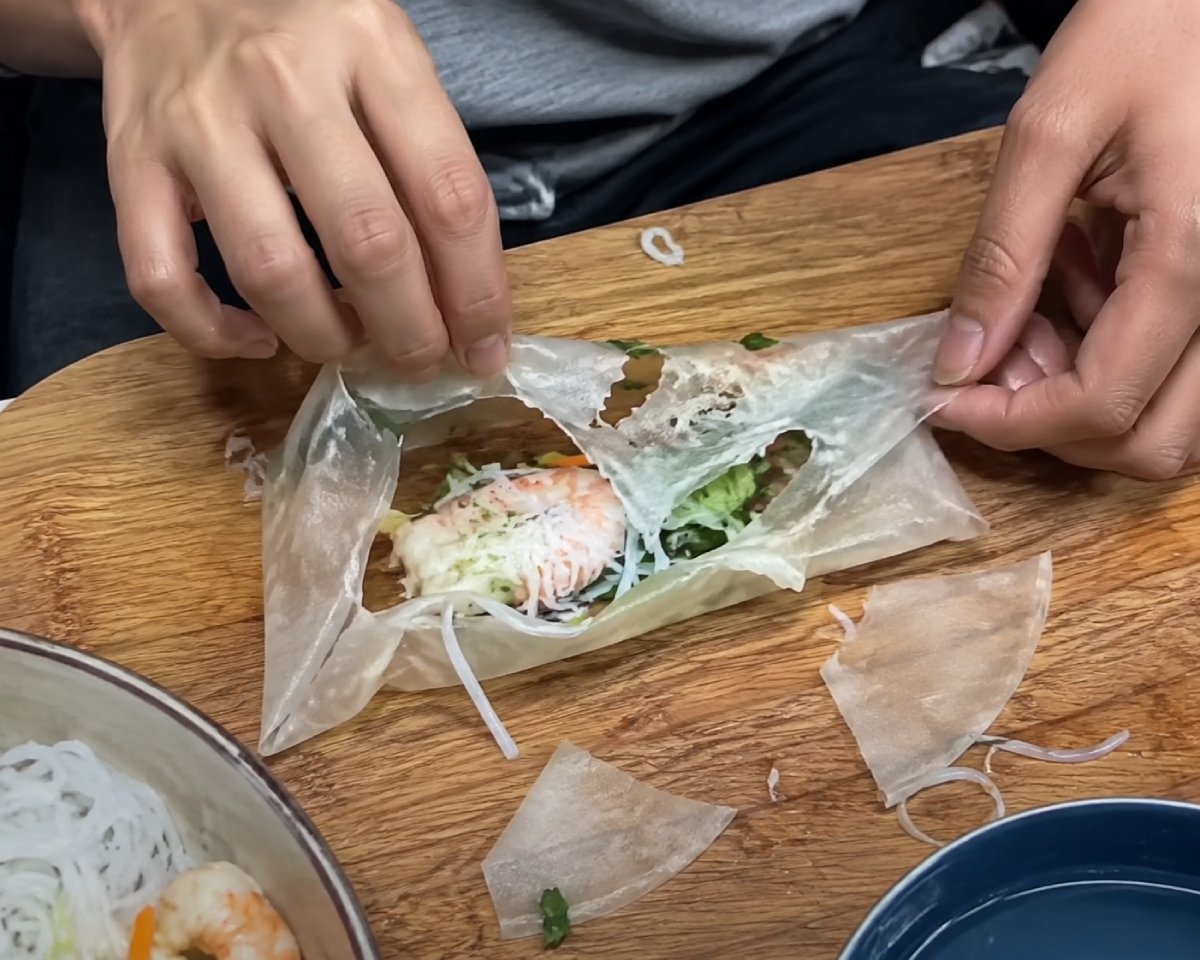
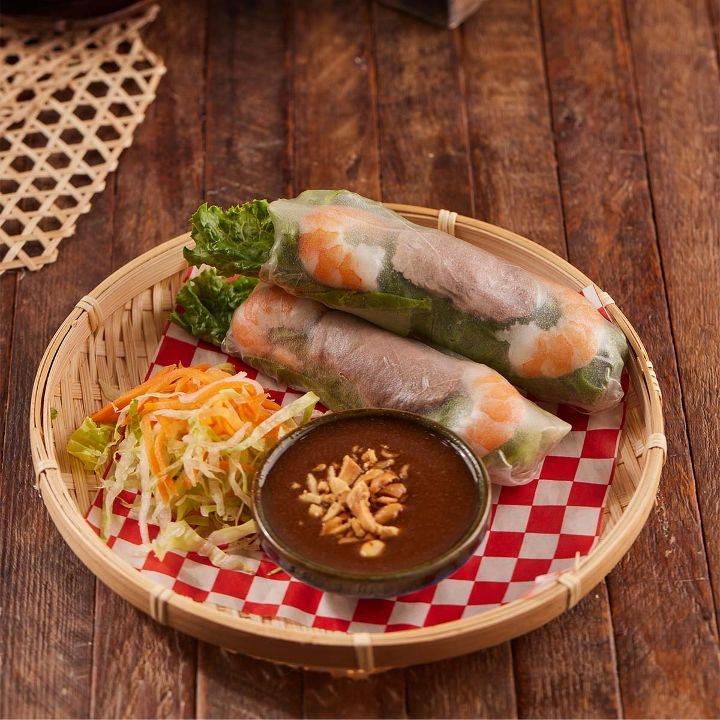
Vietnamese rolls look simply, but anyone who has made them at home knows that rice paper can be surprisingly delicate. One minute the wrapper feels stiff and easy to handle, and the next it becomes sticky, soft, and ready to split.
If your Vietnamese rolls keep tearing, the problem is usually not the recipe itself. In most cases, it comes down to how the rice paper is softened, how much filling is used, how the ingredients are arranged, and how the roll is handled.
The good news is that these problems are easy to fix once you understand what is happening.
Whether you are making fresh Vietnamese spring rolls, summer rolls, or rice paper rolls filled with shrimp, pork, vegetables, herbs, or noodles, a few small adjustments can make rolling much easier.
Read more: Why Do Vietnamese Rolls Tear When You Roll Them? Common Causes and Easy Fixes
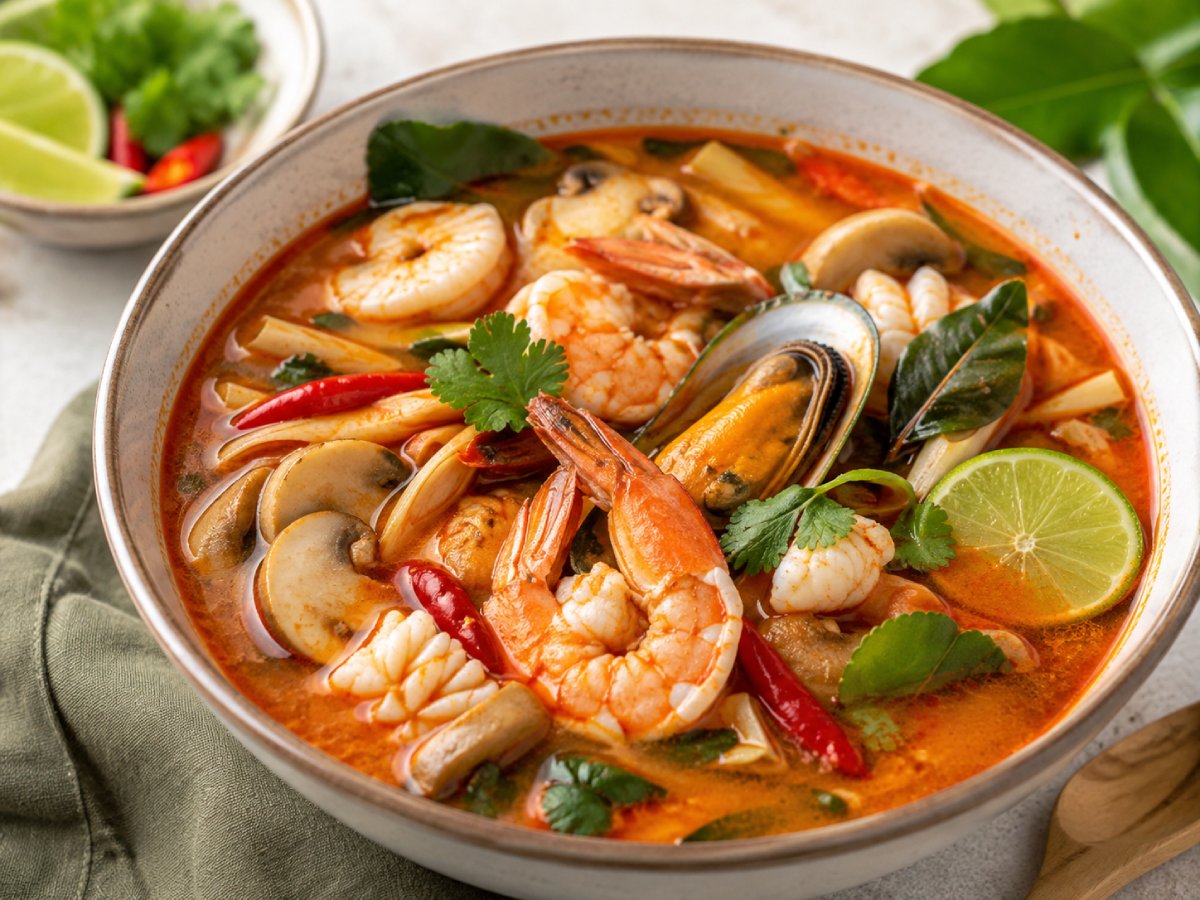
Seafood Tom Yum Soup is the kind of dish that wakes up every part of your palate. It is sour, spicy, salty, fragrant, and slightly sweet, all in the same bowl. Fresh shrimp, tender squid, mushrooms, aromatic herbs, and a bright citrus-flavoured broth come together to create a comforting meal that feels exciting without being too heavy.
Although Tom Yum originated in Thailand, it has become popular throughout Southeast Asia, including in Vietnamese restaurants and home kitchens. Its combination of seafood, fresh herbs, chilli, and lime feels familiar to anyone who enjoys Vietnamese food. The ingredients are also easy to find in many Asian grocery stores, making it a practical soup to prepare at home.
Many people assume that Tom Yum is difficult to make because its flavour is complex. In reality, the cooking process is straightforward. The secret is not complicated technique. It is simply adding the right ingredients in the right order.
This easy Seafood Tom Yum Soup recipe will help you prepare a fresh, restaurant-style bowl at home.
Read more: Easy Recipe for Making Seafood Tom Yum Soup at Home
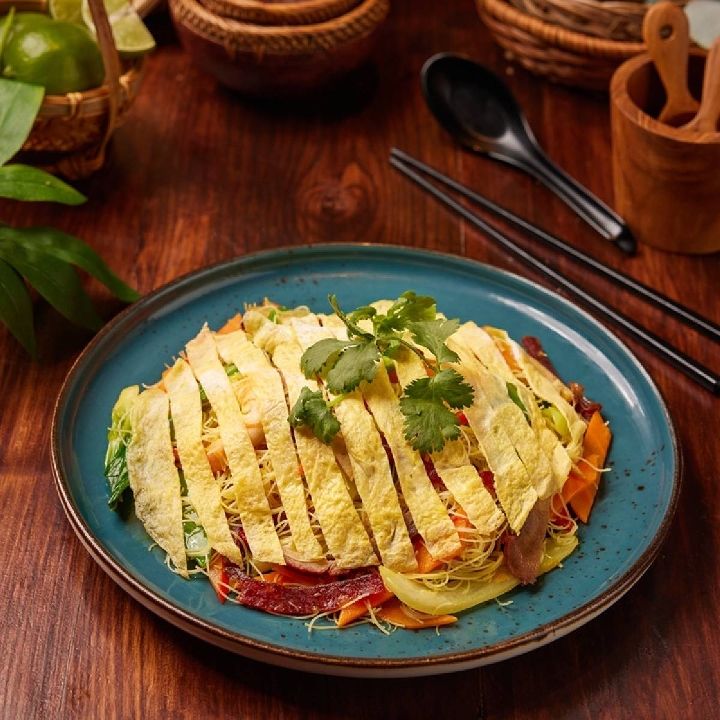
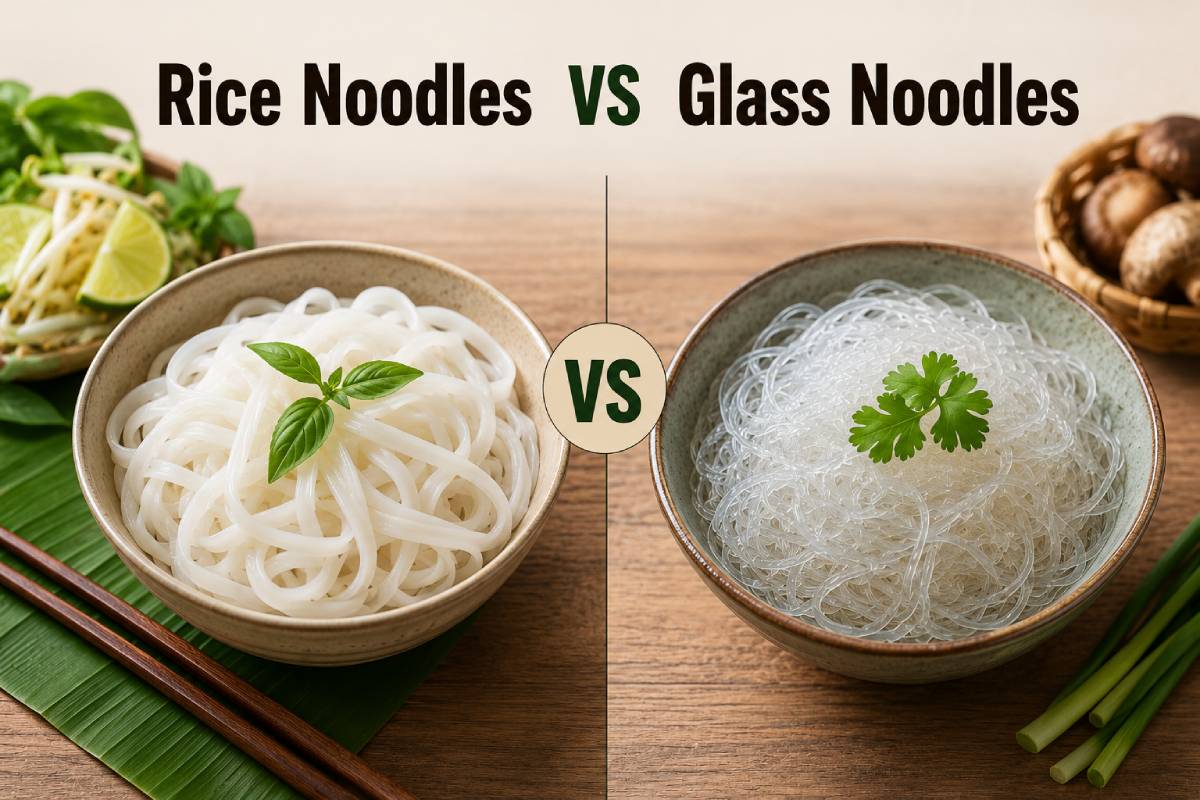
Singapore rice vermicelli is a colorful noodle dish made with thin rice noodles, curry powder, vegetables, eggs, and a combination of meat or seafood. It is light enough for lunch but satisfying enough to serve as a complete dinner. Although the ingredient list may look long, the cooking process is simple once everything has been prepared.
The most important part of making this dish is organization. Stir-frying happens quickly, so all the vegetables, proteins, noodles, and seasonings should be ready before the wok or frying pan is heated. This guide explains every step in plain language, including how to prevent the noodles from becoming sticky, soggy, or broken.
Read more: A Simple Guide to Making Singapore Rice Vermicelli
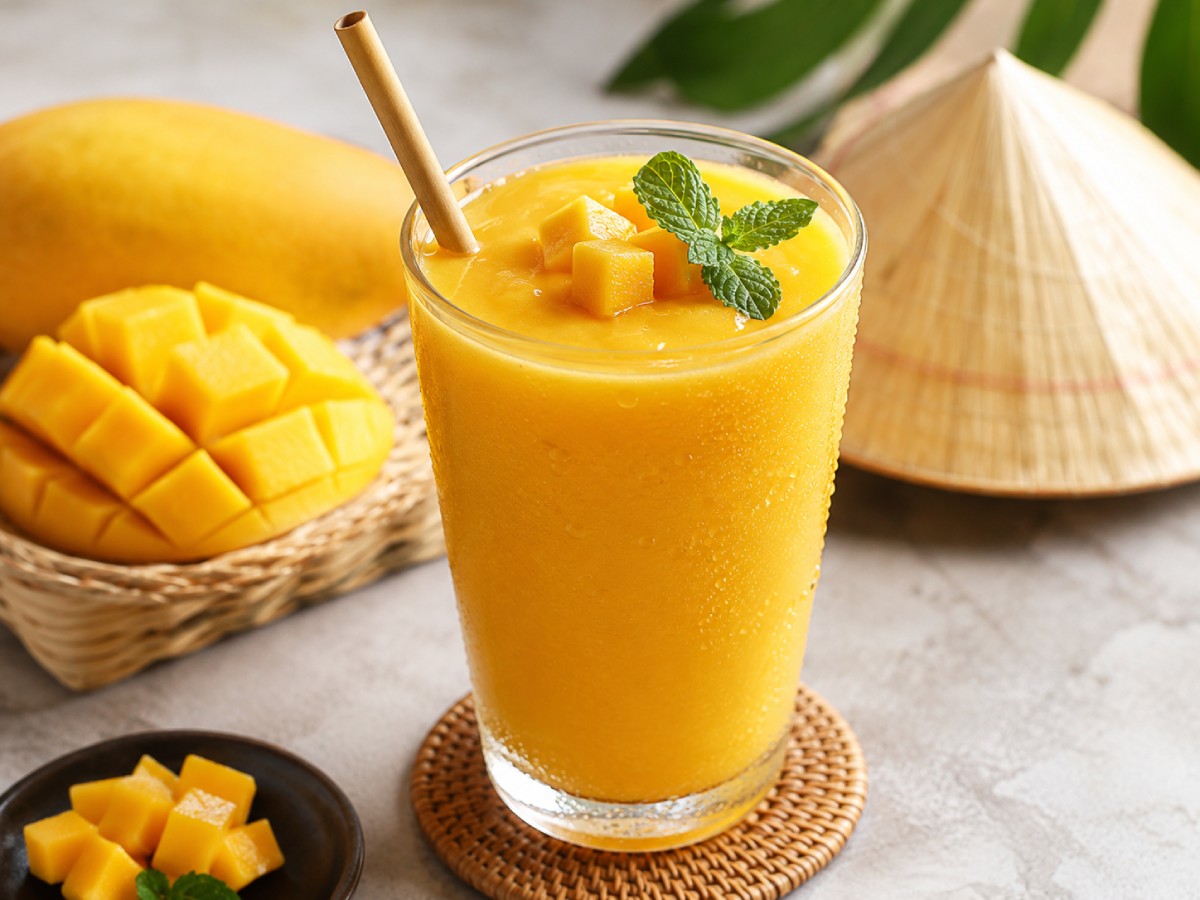
A Vietnamese mango smoothie is one of the easiest tropical drinks you can prepare at home. It is sweet, creamy, refreshing, and full of ripe mango flavor. Unlike many store-bought smoothies, it does not require protein powder, complicated ingredients, or special equipment.
The drink is especially popular during warm weather, but you can enjoy it at any time of year. It works as a quick breakfast, an afternoon snack, a simple dessert, or a refreshing drink served with Vietnamese food.
What makes a Vietnamese-style mango smoothie different is its rich texture. It is usually made with ripe mango, milk, ice, and a sweet ingredient such as condensed milk or sugar. Some versions include yogurt, coconut milk, or avocado, but the basic recipe remains simple.
In this guide, you will learn how to choose the right mangoes, create a smooth texture, control the sweetness, and prepare a delicious Vietnamese mango smoothie in just a few minutes.
Read more: Easy Vietnamese Mango Smoothie You Can Make at Home
More Articles ...
Page 2 of 65