A Quick Refresher on What Phở Broth Is
At its heart, phở broth is a slow-simmered stock flavored with a mix of meat, bones, spices, and aromatics.
In traditional beef phở (phở bò), the base comes from simmering beef bones - often a combination of marrow bones, knuckle bones, and sometimes oxtail - for hours. The broth is infused with charred onions and ginger, a handful of warm spices (star anise, cinnamon, cloves, cardamom, fennel), and seasoned with fish sauce and salt.
Chicken phở (phở gà) follows a similar pattern but uses whole chickens, chicken backs, and sometimes pork bones for added richness.
The key to great phở broth is balance: savory umami from the meat, fragrant aromatics from the spices, freshness from the herbs you add at the table - and, sometimes, a hint of sweetness.
Why Some Broths Taste Sweeter
-
The Choice of Meat and Bones
Different cuts of meat and types of bones can subtly change the natural sweetness of the broth.
- Marrow bones: Contain rich fat and collagen that, when simmered slowly, produce a rounder, slightly sweeter mouthfeel.
- Knuckle bones: High in connective tissue, which releases gelatin that gives broth a silky texture and mild sweetness.
- Oxtail: Naturally rich in flavor with a deeper sweetness once cooked down.
- Brisket or flank: Adds both beefy flavor and a gentle sweet undertone compared to leaner cuts.
Even within the same category, the age of the animal and its diet can influence flavor. Grass-fed beef bones, for example, often taste cleaner and slightly sweeter than grain-fed.
-
Onions and Charred Aromatics
One of the most distinctive steps in making phở is charring onions and ginger before adding them to the pot. This does two things:
- The char gives a subtle smokiness.
- The heat caramelizes natural sugars in the vegetables, adding sweetness.
Some recipes also include shallots or carrots - both naturally sweeter than onions. Carrots in particular can boost the sugar content of the broth significantly if used in large amounts.
The more of these sweet vegetables you add, and the longer they simmer, the sweeter your broth will be.
-
Spices that Contribute Sweet Notes
The spice blend in phở isn’t just for fragrance - it also affects the perceived sweetness.
- Star anise: Has a naturally sweet, licorice-like flavor.
- Cinnamon or cassia bark: Adds warmth and sweetness.
- Fennel seeds: Provide a mild, sweet herbal note.
- Cloves: Sweet-spicy with a hint of bitterness.
While none of these spices contain actual sugar, our brains often interpret their aromas as “sweet,” much like how cinnamon in a dessert feels sweet even if there’s no sugar added.
-
Simmering Time and Temperature
The way you simmer your broth can make a big difference. Long, gentle simmering allows:
- Collagen from the bones to break down into gelatin (which gives a natural “sweet” mouth-coating feel).
- Aromatics to slowly release their sugars into the liquid.
If the heat is too high, it can create bitter compounds that mask sweetness. On the other hand, if it’s too low or too short, the sweetness from vegetables and bones won’t fully develop.
-
Regional Differences in Vietnam
One of the biggest factors in phở sweetness is geography.
- Northern phở (Hà Nội style): Known for a clear, clean, savory broth with minimal sweetness. It focuses more on beef flavor and simple garnishes.
- Southern phở (Sài Gòn style): Tends to be richer, bolder, and sweeter. The broth often contains more spices, more charred onions, and sometimes extra sweeteners like rock sugar. Fresh herbs and bean sprouts are piled on generously.
If you find a phở broth that’s noticeably sweet, there’s a good chance the recipe is influenced by Southern tradition.
-
Use of Rock Sugar (Đường Phèn)
Many Vietnamese cooks - especially in the south - add rock sugar to their broth.
Rock sugar is less sweet than table sugar and has a rounder, smoother sweetness. It also dissolves slowly, making it ideal for long simmering. Some cooks swear it gives broth a “cleaner” sweetness that blends into the flavor instead of standing out.
Adding rock sugar isn’t considered cheating - it’s a traditional method. But the amount used varies widely, so sweetness levels can differ from chef to chef.
-
Hidden Flavor Boosters in Modern Kitchens
In restaurants, especially outside Vietnam, cooks may use:
- MSG (monosodium glutamate): Enhances umami, which can make the perception of sweetness stronger.
- Seasoning powders: Many contain sugar or sweetened flavorings.
- Commercial soup bases: Sometimes have added sugar for balance.
These shortcuts aren’t necessarily bad, but they can explain why a restaurant’s broth tastes sweeter (and stronger) than homemade versions.
The Balance Factor - Sweetness vs. Savory
In Vietnamese cooking, balance is key. The word ngon -meaning delicious - often refers to a harmony of flavors, where sweet, salty, sour, and savory are all in proportion.
Too much sweetness can make phở taste more like a dessert soup, overpowering the meaty depth. Too little sweetness, and the broth can taste flat or overly salty.
A skilled phở cook will taste and adjust at multiple points, adding sugar, fish sauce, or salt in tiny amounts until the broth sings.
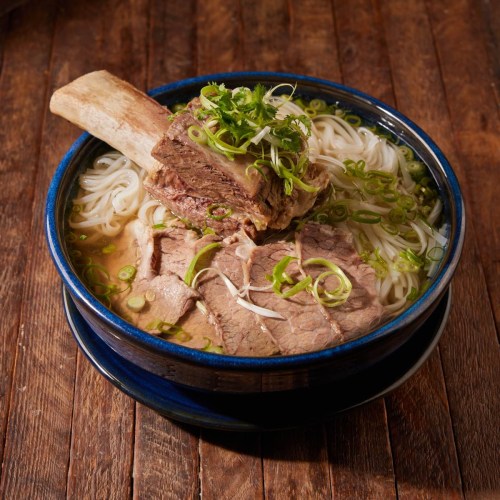
How to Adjust Broth Sweetness at Home
Tips for Making Sweeter Broth
- Use more oxtail or marrow bones.
- Add extra charred onions, shallots, and carrots.
- Include spices like star anise and cinnamon in slightly larger quantities.
- Add rock sugar near the start of simmering so it infuses slowly.
Tips for Making Less Sweet Broth
- Limit carrots and sweet aromatics.
- Use more neutral bones like knuckle bones instead of oxtail.
- Reduce spices with sweet aromas (star anise, cinnamon) and increase savory ones (black cardamom, cloves in moderation).
- Skim often to keep flavors clean and avoid caramelizing vegetables too much.
What Sweetness Says About the Cook’s Style
Sweetness in phở isn’t just an accident - it’s a signature. It might mean:
- Family tradition: Passed down from a parent or grandparent.
- Regional pride: A Southern cook will likely lean sweeter than a Northern cook.
- Customer preference: Restaurants often adjust recipes based on local tastes.
When you taste a sweeter broth, you’re getting a glimpse of the cook’s culinary identity.
Conclusion
Sweetness in phở broth comes from many places - bones, vegetables, spices, sugar, and even the chef’s personality. It’s not about right or wrong, authentic or fake; it’s about the balance that makes the broth ngon for the person making it.
Next time you sit down to a steaming bowl, take a moment to taste it slowly. Notice the sweetness level. Is it coming from caramelized onions? From warm spices? From rock sugar? Understanding the “why” behind the flavor will make every spoonful even more satisfying.
FAQs
- Why does my homemade phở taste bland compared to restaurants?
Restaurants often simmer larger quantities for longer, use richer bones like oxtail, and sometimes add MSG or seasoning powders for an extra boost. - Is sweet phở broth less authentic?
Not at all. Sweetness levels vary by region and personal taste. Southern-style phở is traditionally sweeter than Northern-style. - Can you make phở without sugar?
Yes. You can rely on natural sweetness from bones, onions, and spices, though the broth may taste more savory. - Why do some restaurants use MSG?
MSG enhances umami, making flavors taste richer and more complex - which can also make the broth seem sweeter. - Does chicken phở tend to be sweeter than beef?
Often, yes. Chicken has naturally mild, slightly sweet flavors, especially when cooked with onions and carrots. - Can you taste the difference between rock sugar and regular sugar?
Rock sugar gives a gentler sweetness and dissolves more slowly, blending into the broth more smoothly than granulated sugar.
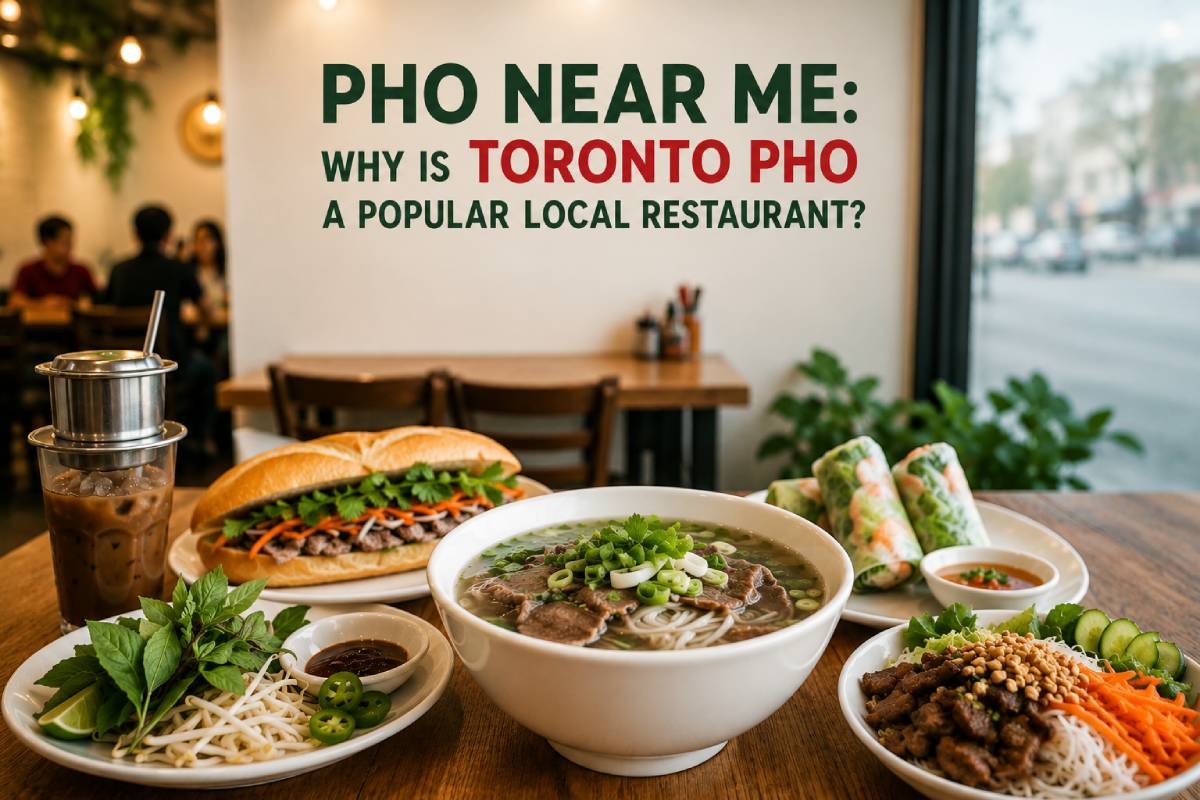
Here are some delicious food and drinks to try when ordering from PHO restaurants in Toronto:
Rare Beef and Beef Ball (Phở Tái, Bò Viên)
Well Done Beef and Tendon (Phở Nạm Gân)
Rare Beef and Well-Done Beef (Phở Tái Nạm)
Well Done Beef and Tripe (Phở Nạm Sách)
Rare Beef and Tripe (Phở Tái Sách)
Well Done Beef and Beef Ball (Phở Nạm, Bò Viên)
Rare Beef and Tendon (Phở Tái Gân)