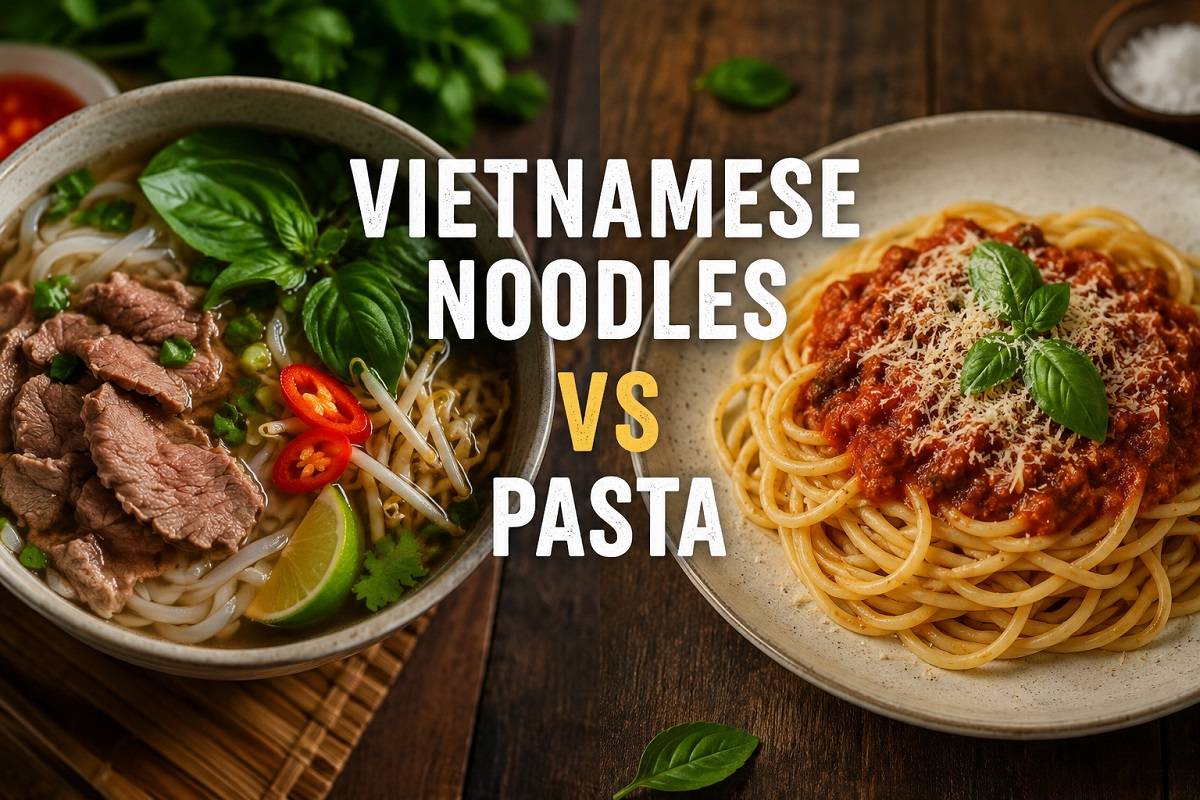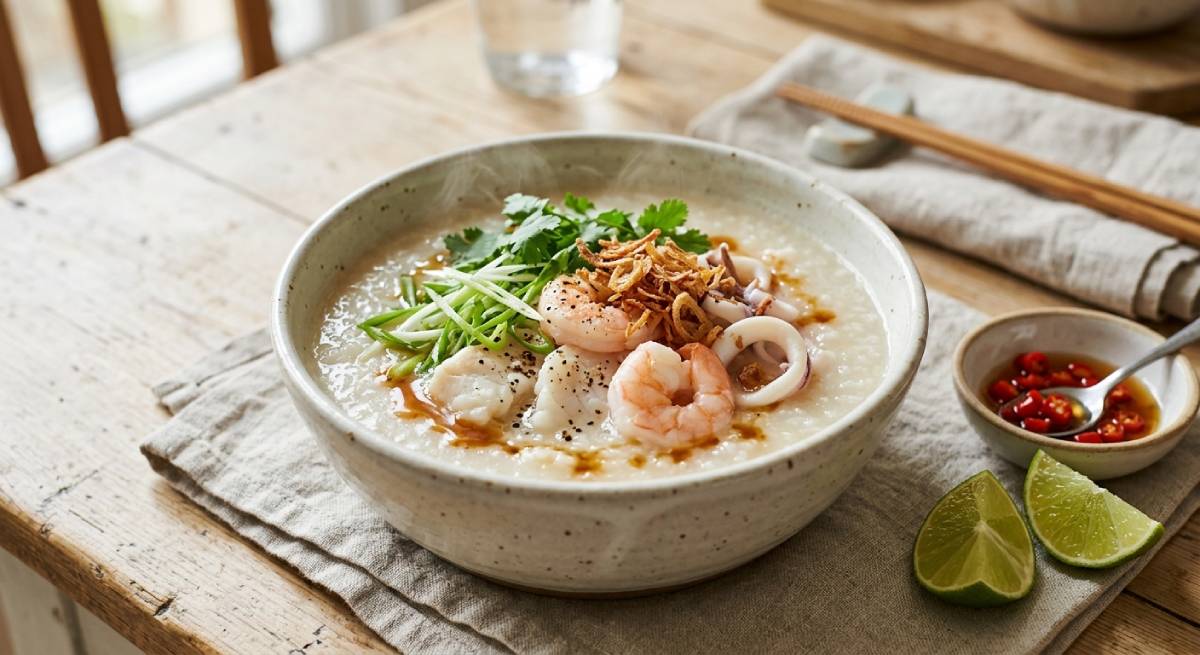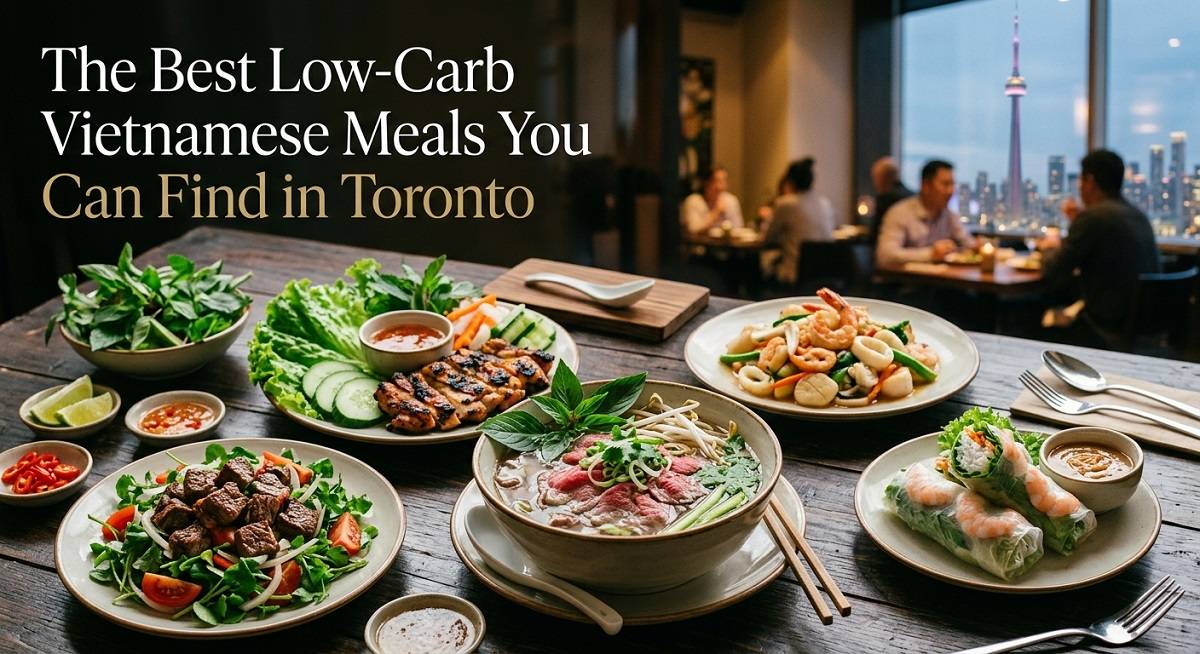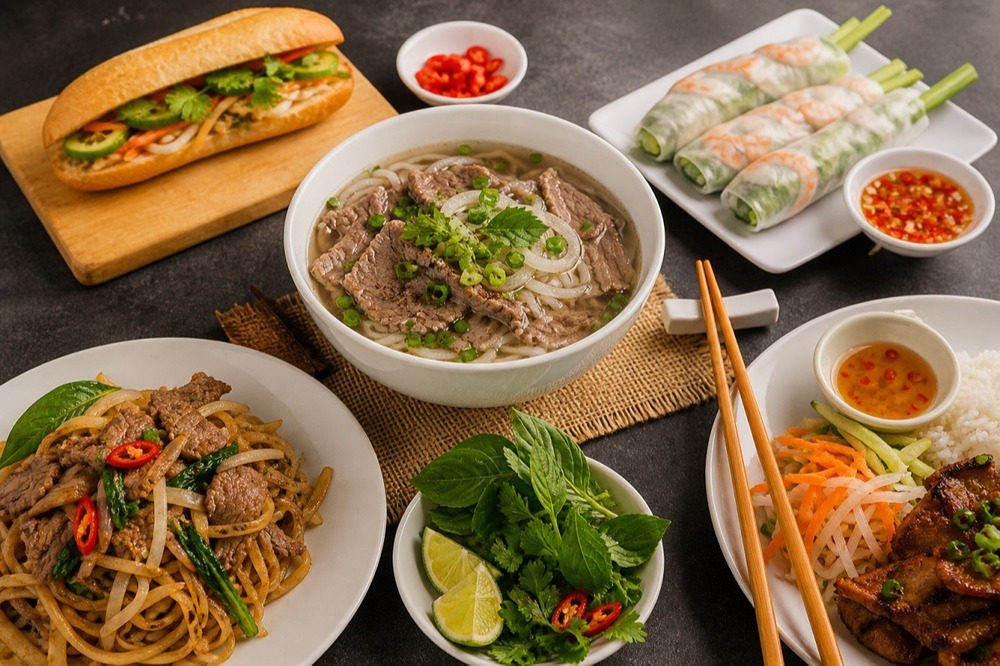
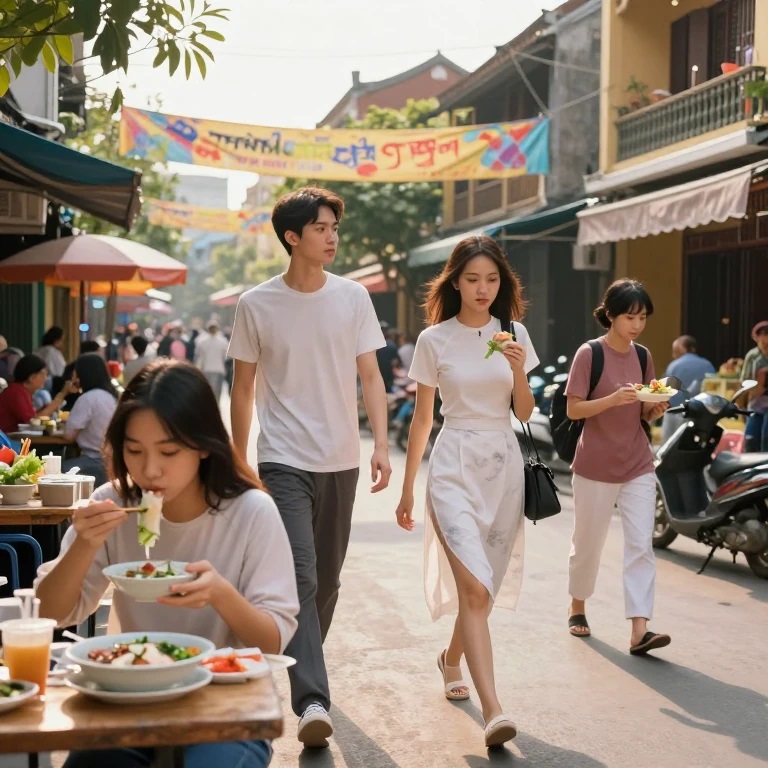
When people talk about the healthiest cuisines in the world, Vietnamese food almost always makes the list. It is fresh, flavorful, balanced, and surprisingly light. Many visitors who travel to Vietnam notice something interesting almost immediately: most people appear slim, active, and energetic.
This observation raises a question that nutritionists and food lovers often ask.
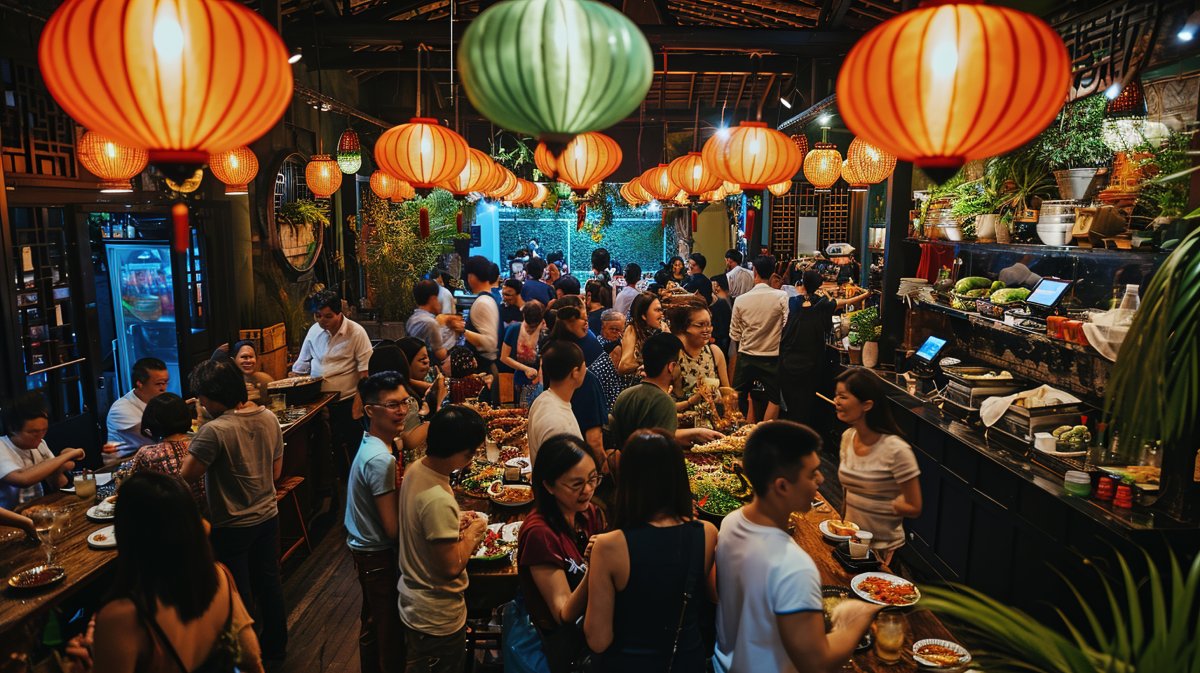
There is something about Vietnamese restaurants that just works for celebrations.
Birthdays feel lighter.
Family dinners feel warmer.
Team outings feel easier.
You walk in with a group, and somehow the space, the food, and the energy already feel aligned with the moment. It does not feel stiff like fine dining. It does not feel chaotic like fast food. It sits in that perfect middle ground.
So why do Vietnamese spots feel made for celebrations and catch-ups?
Let’s break it down in simple, honest terms.
Read more: Why are Vietnamese restaurants suitable for celebrations and gatherings?
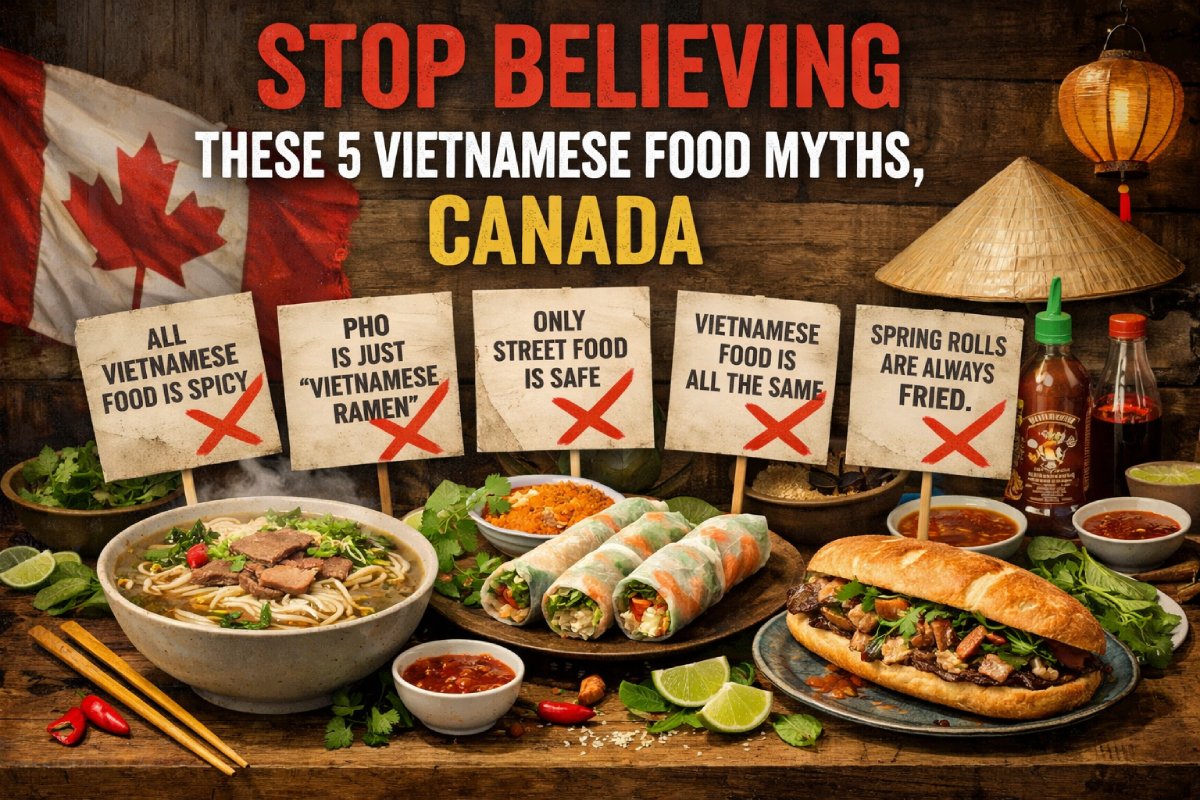
Let’s clear something up.
Vietnamese food is not just pho.
It’s not automatically spicy.
It’s not “mystery meat in a bowl.”
And it’s definitely not unhealthy street food.
Somewhere between takeout menus and half-remembered travel stories, a few myths about Vietnamese cuisine got comfortable in Canada. And they’ve stayed there.
If you live in Toronto, Vancouver, Calgary, or anywhere else in the country, you’ve probably heard at least one of these statements:
- “Isn’t Vietnamese food just soup?”
- “It’s probably super spicy.”
- “It’s all noodles and carbs.”
- “It’s cheap because it’s low quality.”
- “I won’t be full after eating that.”
Let’s walk through five common myths Canadians still believe, and replace them with facts.
Read more: Stop Believing These 5 Vietnamese Food Myths, Canada
If you’ve ever walked into a Vietnamese kitchen around dinnertime, you’ve probably smelled it before you saw it.
That bright, citrusy aroma.
That gentle heat from fresh chili.
That savory, slightly sweet sizzle in a hot pan.
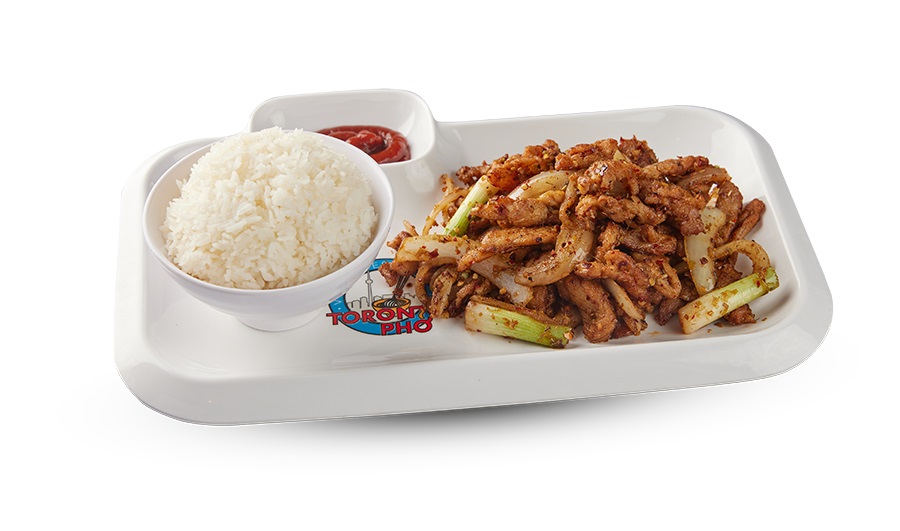
That’s Cơm Gà Xào Sả Ớt — Stir-Fried Chicken with Lemongrass and Chili. It’s simple. It’s bold. And it’s one of the most comforting everyday dishes in Vietnamese cooking.
The best part? You don’t need complicated skills or hard-to-find ingredients to make it at home.
Let’s break it down in a clear, practical way - from ingredients to plating so, you can cook this confidently in your own kitchen.
Read more: How to Make Simple and Delicious Stir-Fried Chicken with Lemongrass (Cơm Gà Xào Sả Ớt)
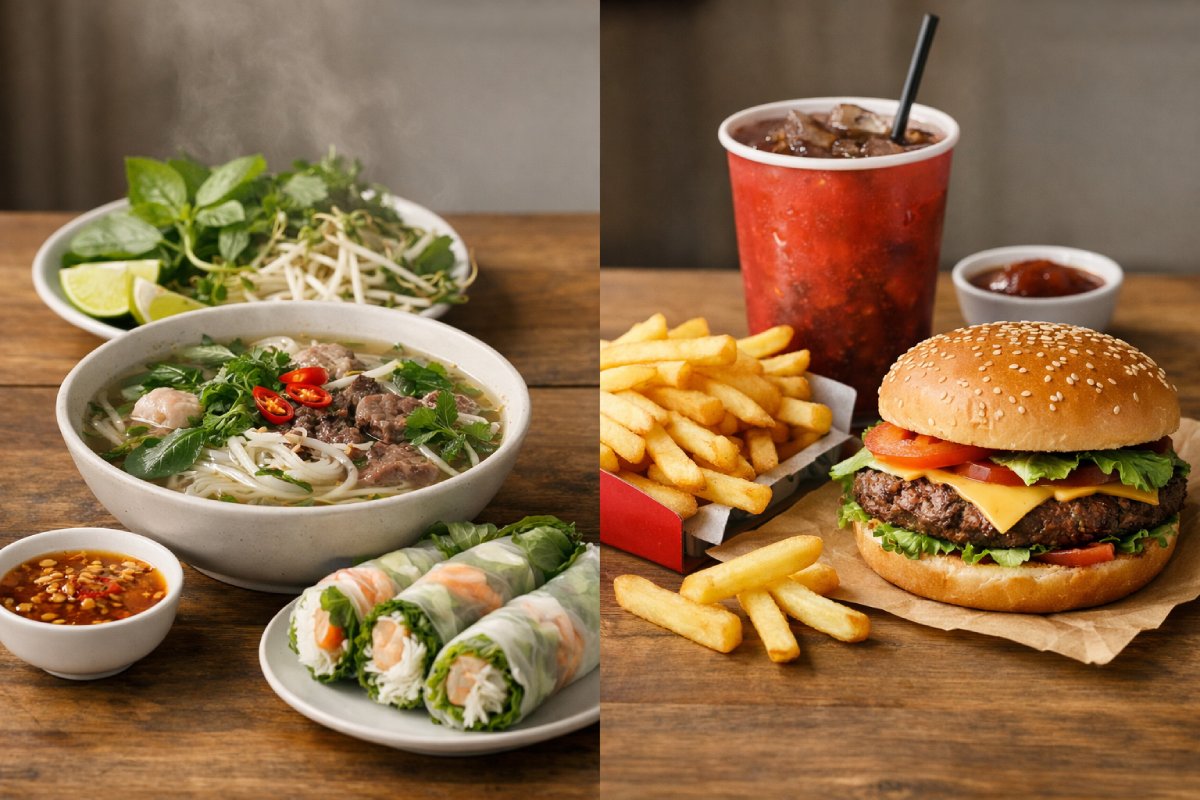
If you’ve ever finished a fast-food meal and thought, “Why do I feel heavy, tired, and still kinda hungry?” you’re not alone. Now compare that to how you feel after a bowl of pho or a plate of Vietnamese rice with grilled meat, herbs, and veggies. Most people notice the difference immediately lighter, satisfied, and not crashing an hour later.
But is that just a feeling, or is Vietnamese food actually healthier than fast food?
Let’s break it down in plain language, without nutrition buzzwords or food guilt.
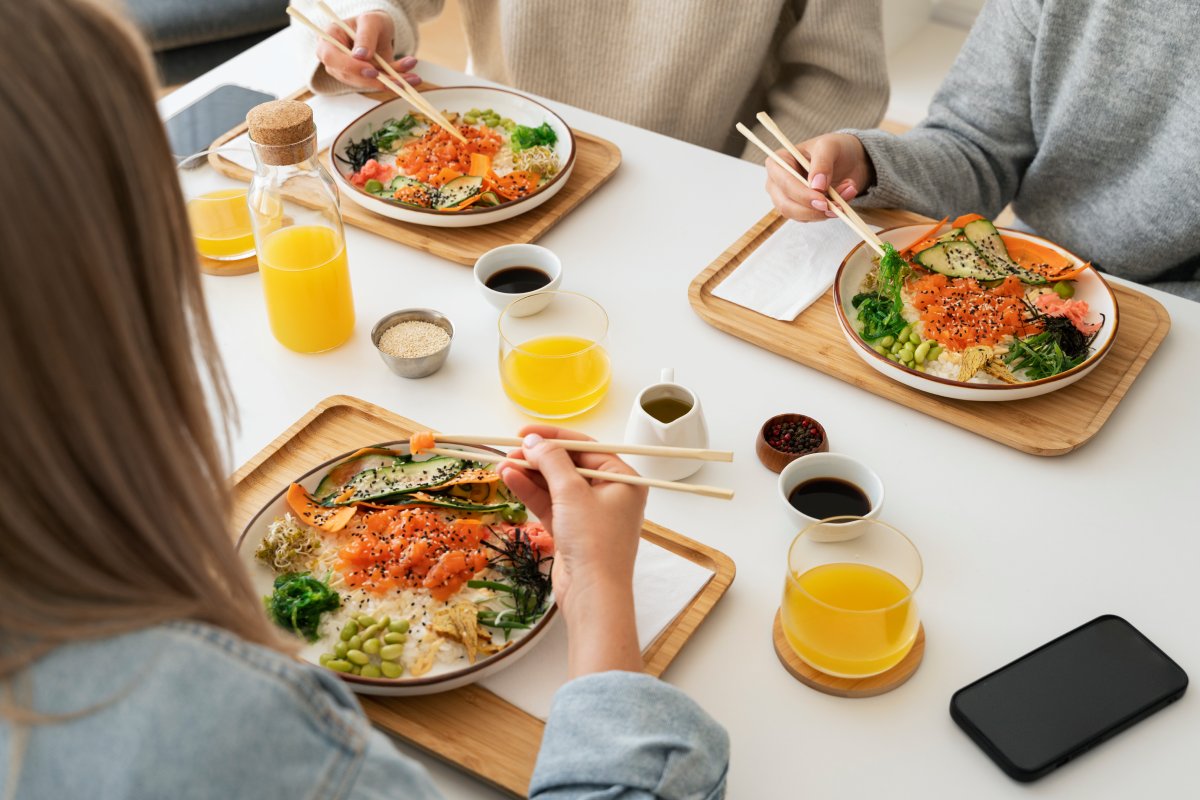
Choosing what to eat for lunch at work sounds simple until you’re the one staring at a menu, trying not to feel sleepy at 2 p.m. In a city like Toronto, where food options are endless, Vietnamese food quietly stands out as one of the smartest choices for a workday lunch.
It’s flavourful without being heavy, satisfying without putting you into a food coma, and fast enough to fit into a busy schedule. Whether you’re grabbing takeout, ordering delivery to the office, or eating at your desk between meetings, Vietnamese cuisine checks a lot of practical boxes.
This guide breaks down why Vietnamese food works so well for office lunches and which dishes are the best choices when you’re working in Toronto.
Read more: The Best Vietnamese Food for Work Lunch in Toronto
More Articles ...
Page 3 of 62