After a meal, most of us crave something.
Not another full dish. Not something heavy. Just a drink that helps the body settle, refreshes the palate, and doesn’t leave us feeling bloated or guilty.
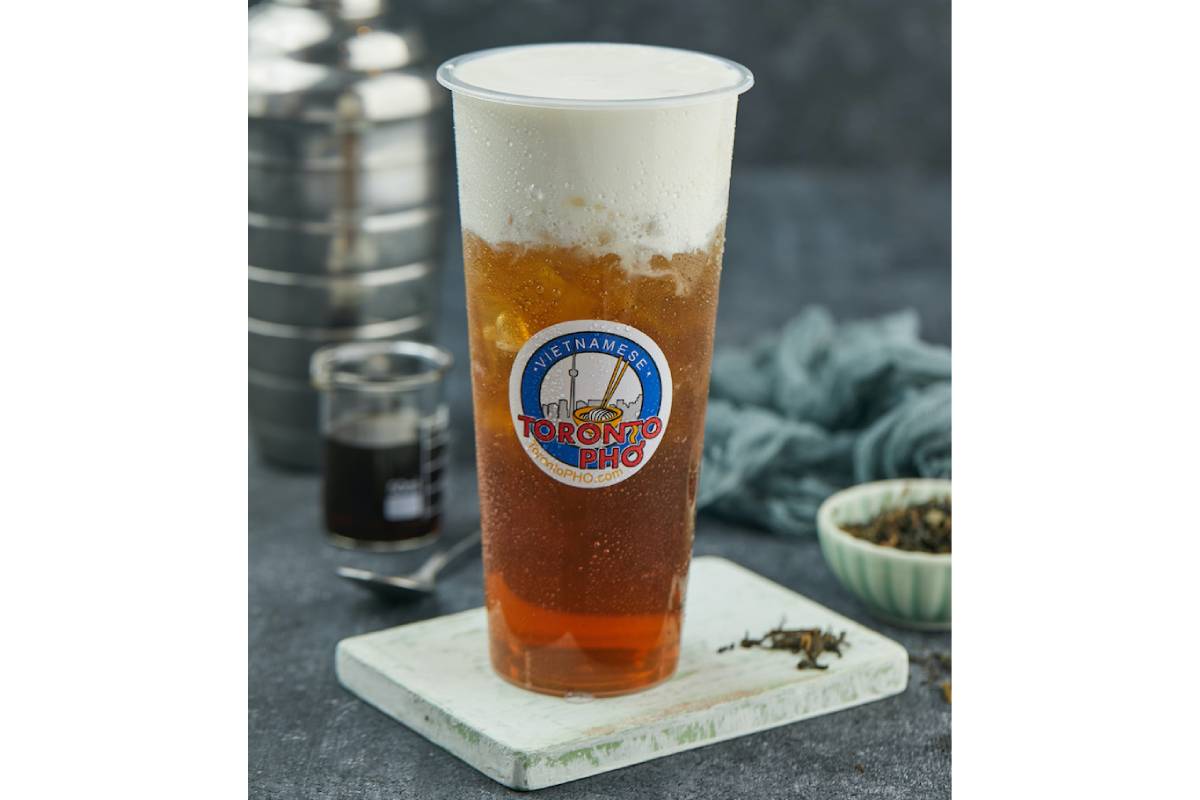
That’s where Wintermelon Tea Foam quietly enters the picture.
Over the past few years, more people are skipping sugary sodas, overly creamy milk teas, or heavy desserts after meals and instead reaching for wintermelon tea foam. This shift isn’t just about taste trends or aesthetics. It’s about how the body feels after eating and what actually supports digestion, comfort, and balance.
So why is this drink becoming the go-to choice after meals? Let’s break it down in simple, practical terms.
Read more: Why More People Choose Wintermelon Tea Foam After Eating?
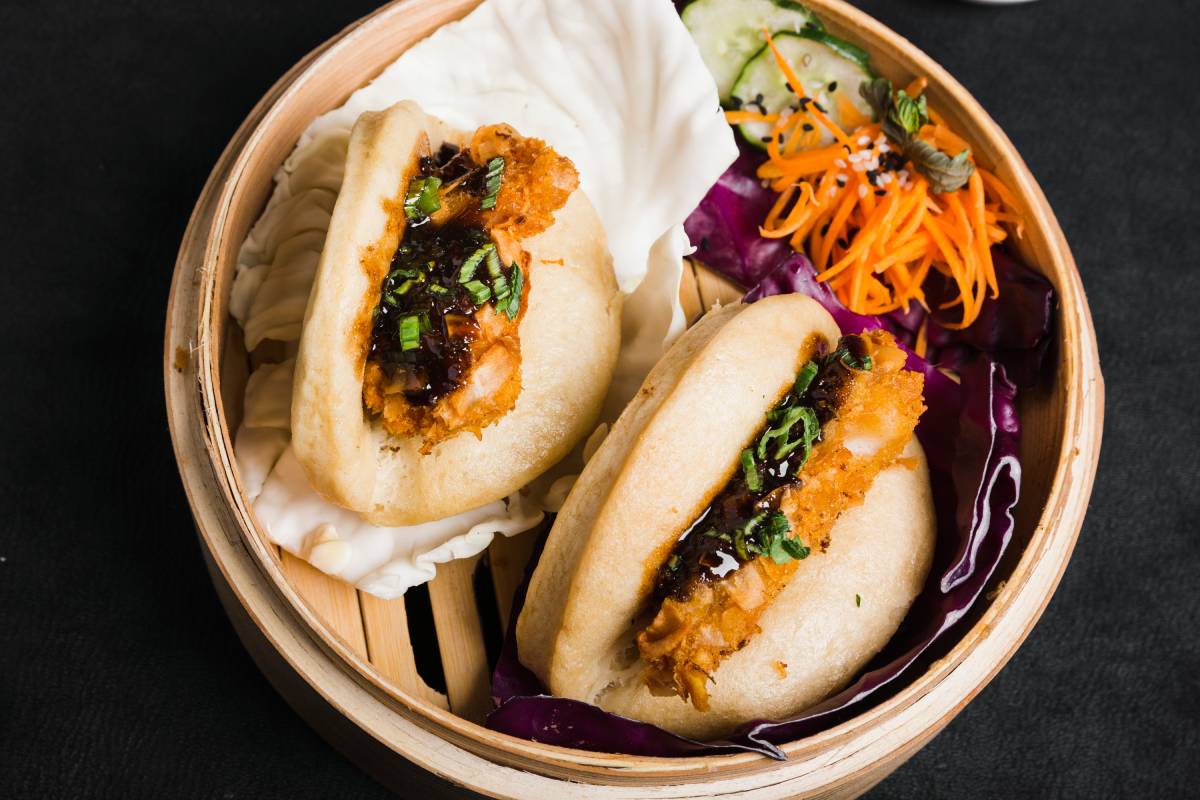
Bao buns have become popular all over the world for a good reason. They are soft, fluffy, slightly sweet, and incredibly comforting. When you fill them with juicy grilled chicken, fresh vegetables, and a flavorful sauce, you get a meal that feels special but is surprisingly easy to make at home.
You do not need professional cooking skills. You do not need rare ingredients. If you can grill chicken and steam buns, you can absolutely make grilled chicken bao buns in your own kitchen.
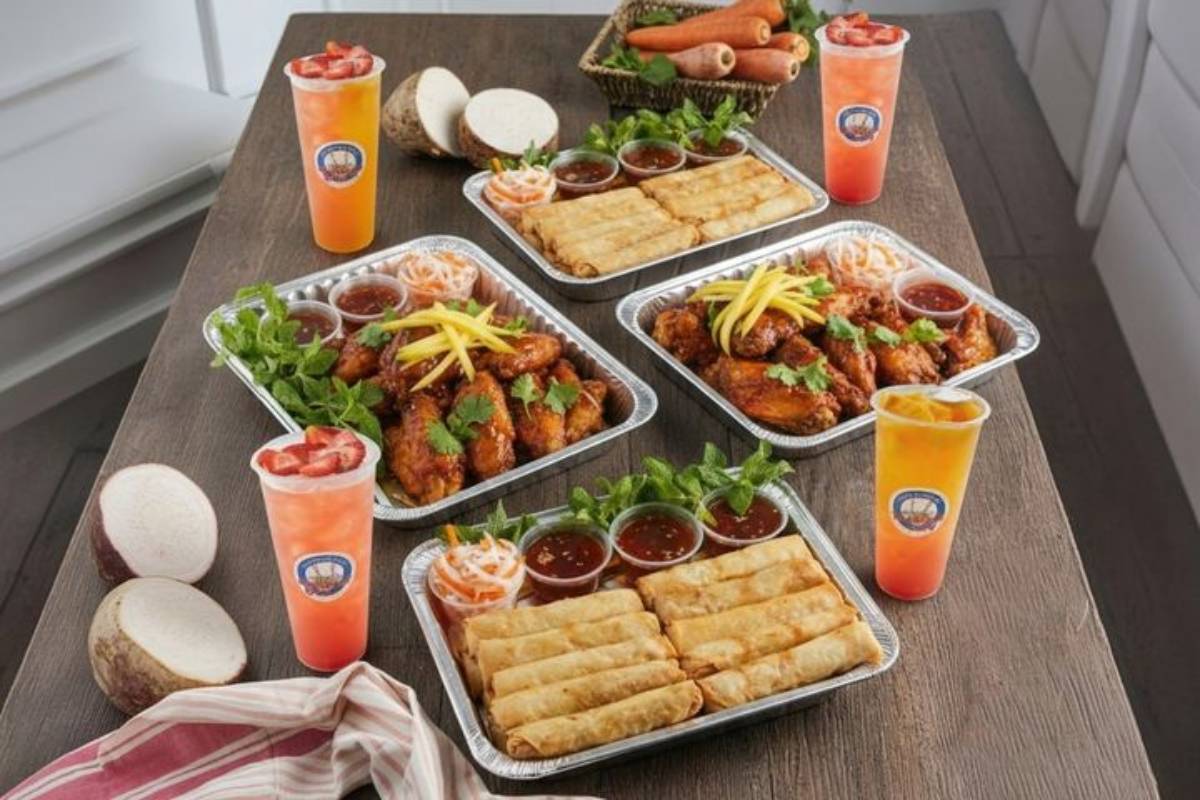
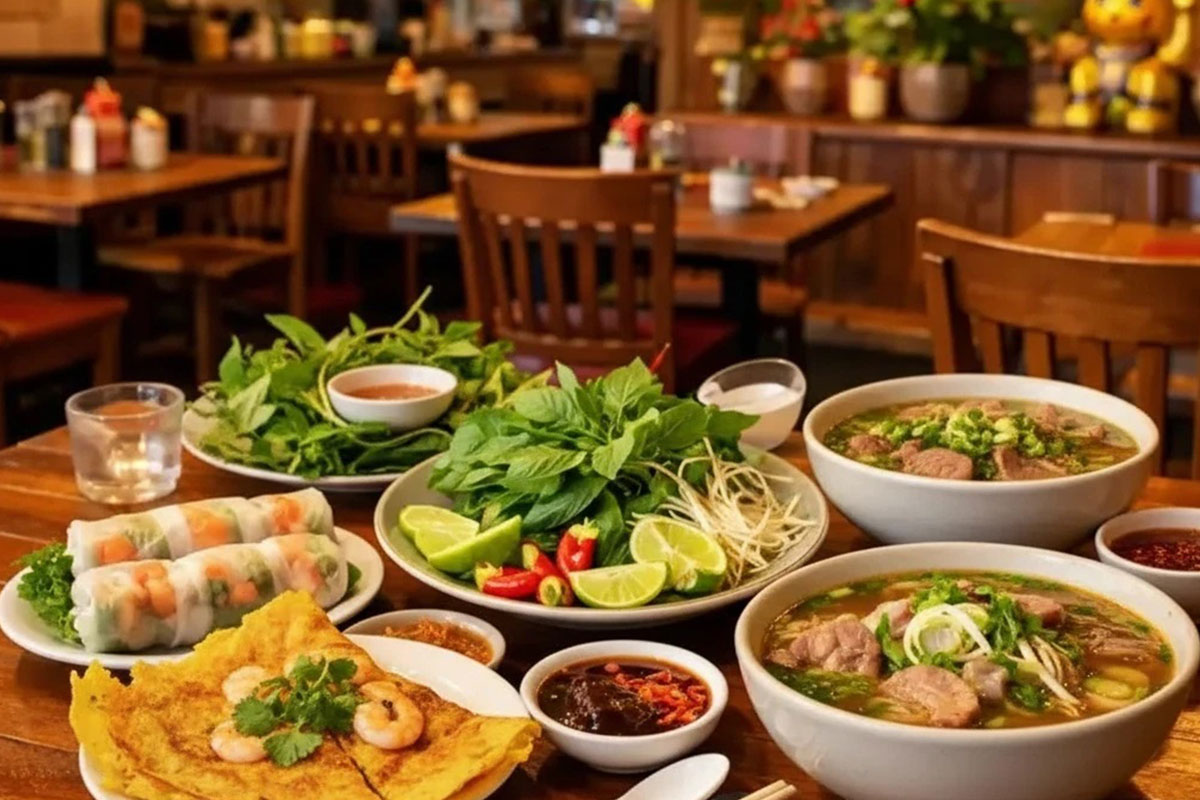
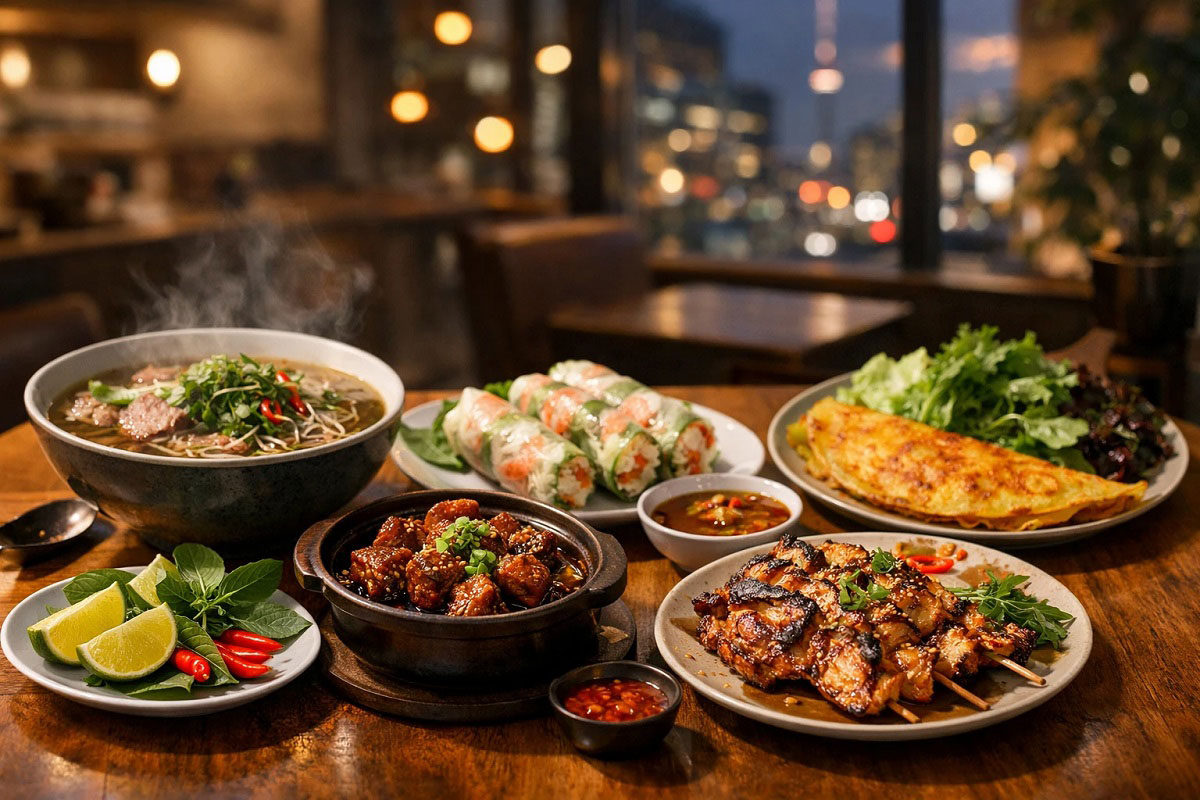
Easy Sharing. Real Vietnamese Comfort Food. No Confusion.
Vietnamese food is simple at its core.
You put food in the middle of the table, everyone shares, everyone eats what they like, and nobody leaves hungry.
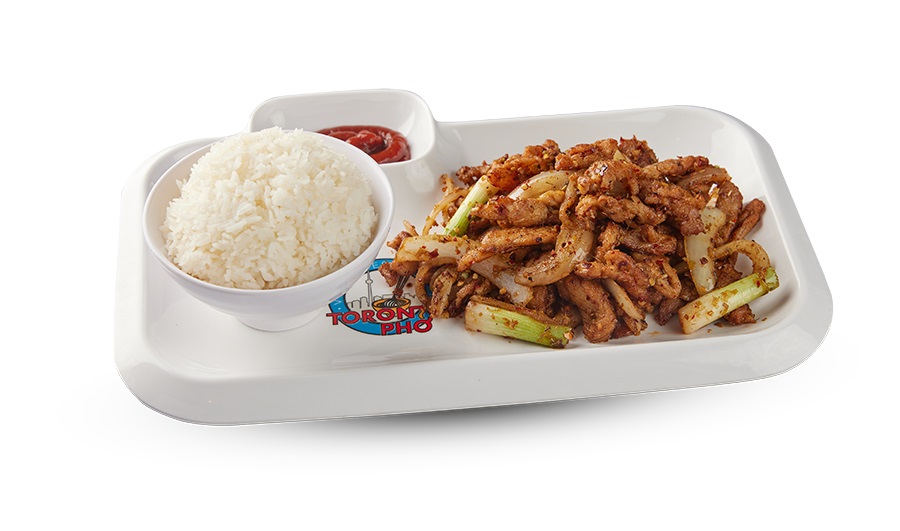
That’s exactly what our plates, platters, and tray meals are made for.
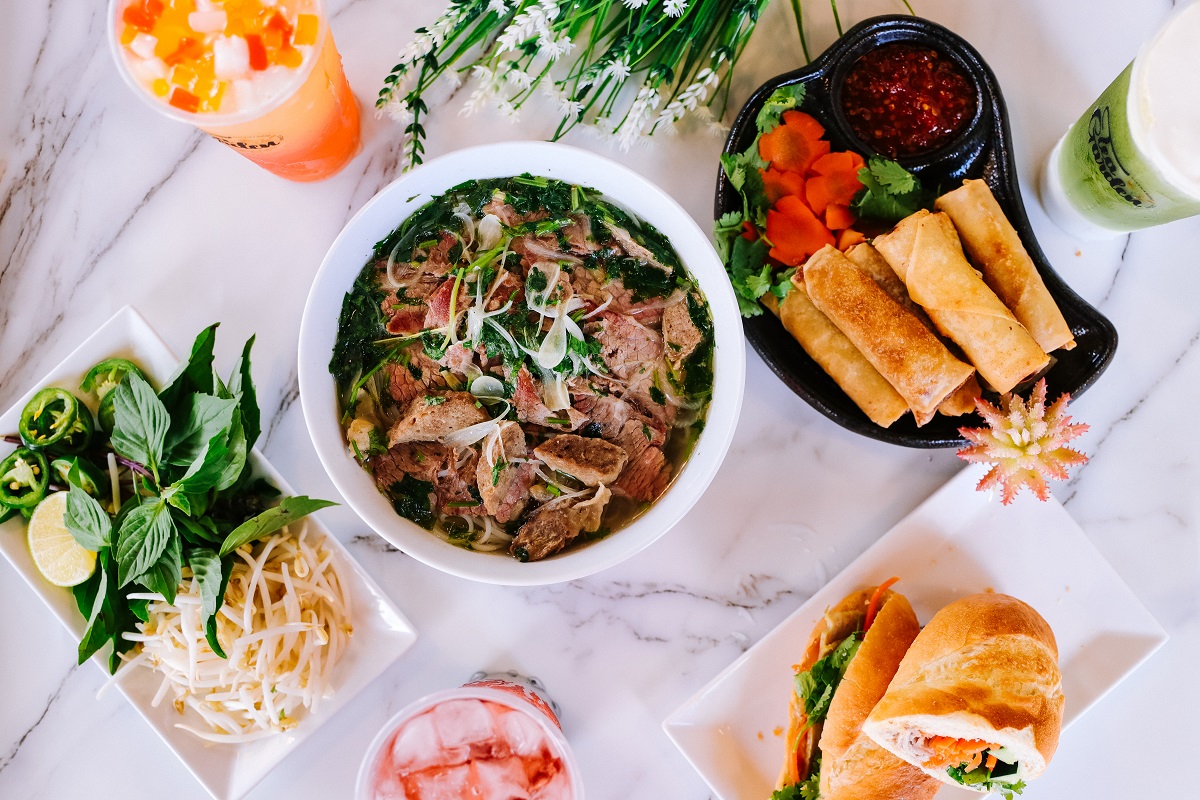
At Toronto Pho, we created these options for families, groups, office orders, celebrations, and anyone who doesn’t want to overthink what to order. You get familiar dishes, generous portions, and a table that actually feels full.
A clear, educational, plain-language guide you can actually follow at home
Phở is simple, but it’s not careless.
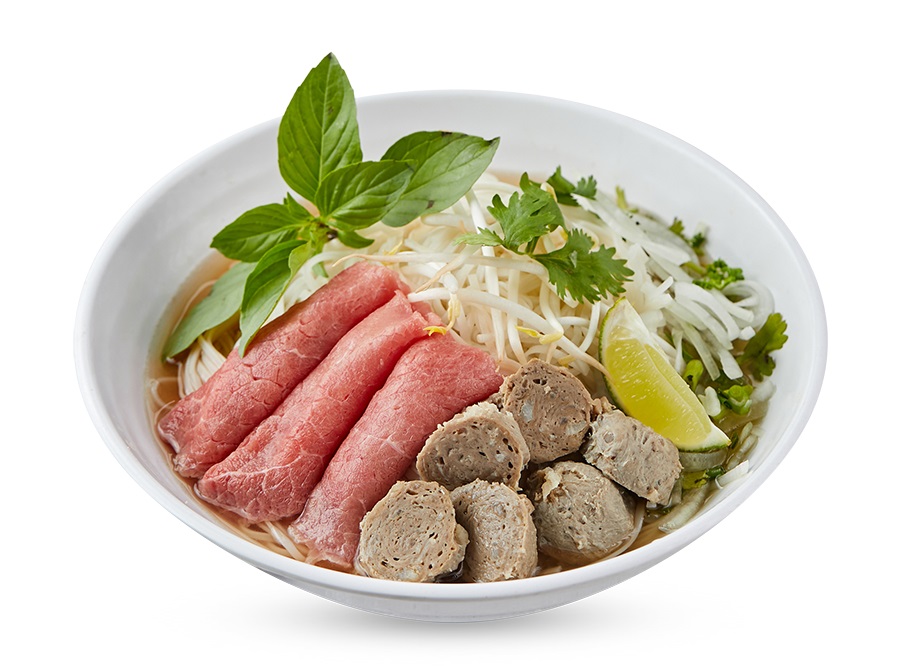
Especially when it comes to rare veal or beef (phở tái) and beef meatballs (bò viên). These two toppings look effortless in a bowl, yet they’re the most misunderstood parts of phở cooking.
Many people ask:
- Why is the beef raw?
- Is it safe to eat?
- How thin is “thin enough”?
- Why are my meatballs rubbery instead of springy?
- Why does restaurant phở taste clean and silky, but mine feels heavy?
Read more: How to Cook Rare Veal and Beef for Phở (Phở Tái & Bò Viên)
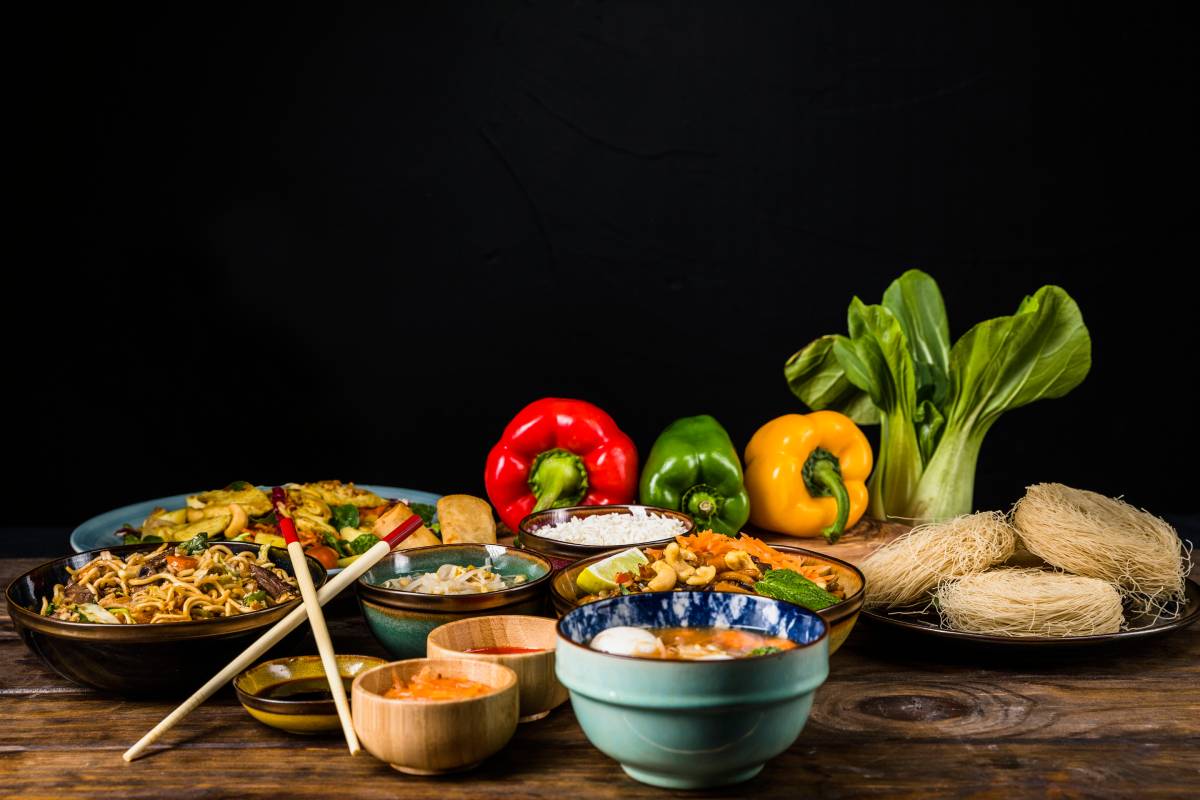
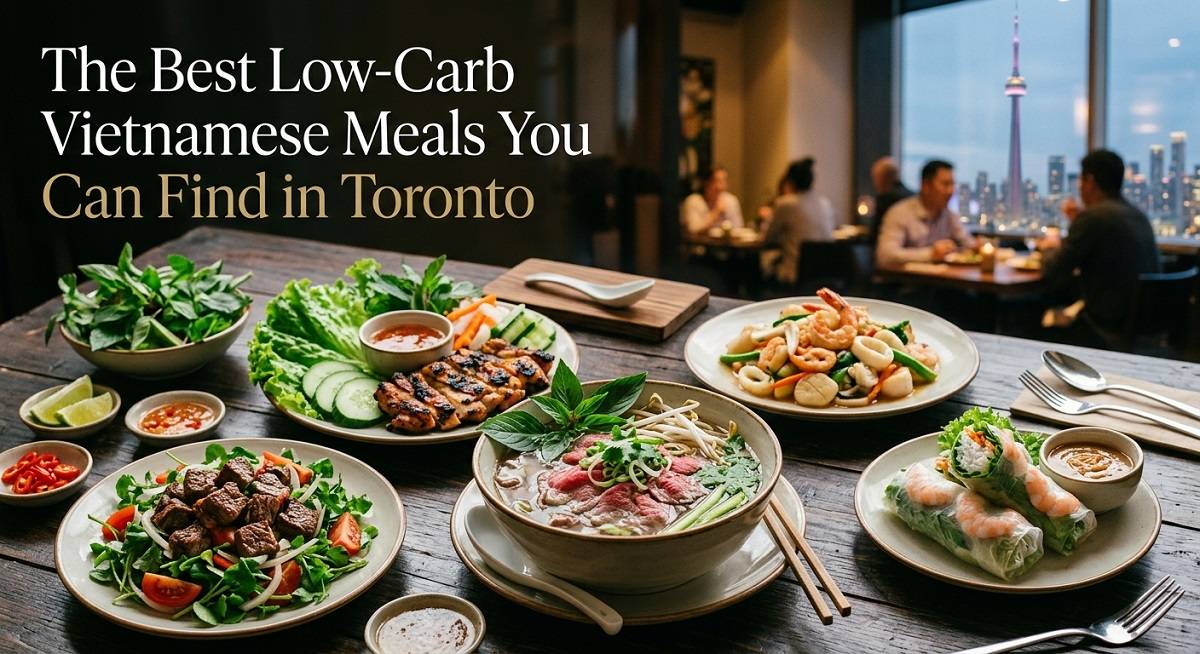
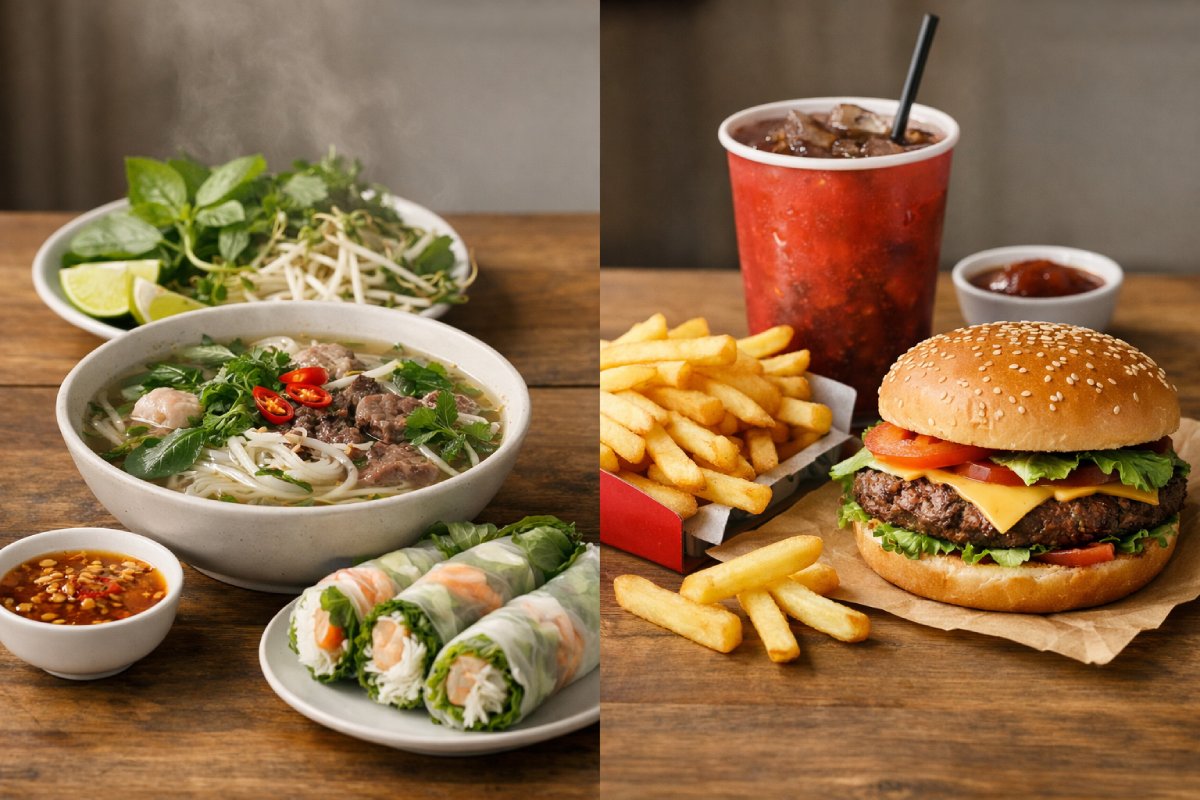
Vietnamese food has a reputation for being fresh, light, and naturally balanced, which is why so many people turn to it when they want to lose weight without feeling hungry or deprived. Instead of heavy creams, deep-fried meals, or overly processed ingredients, Vietnamese cuisine focuses on herbs, vegetables, lean proteins, broth-based cooking, rice noodles, and smart seasoning.
If you want to lose weight and enjoy your meals, Vietnamese food is one of the easiest cuisines to lean on. This guide walks you through the healthiest Vietnamese dishes for weight loss, why they work, how to pick them wisely at restaurants, and how to build a full day of Vietnamese-style eating that supports your goals.
Read more: A Complete Guide to the Healthiest Vietnamese Dishes for Weight Loss
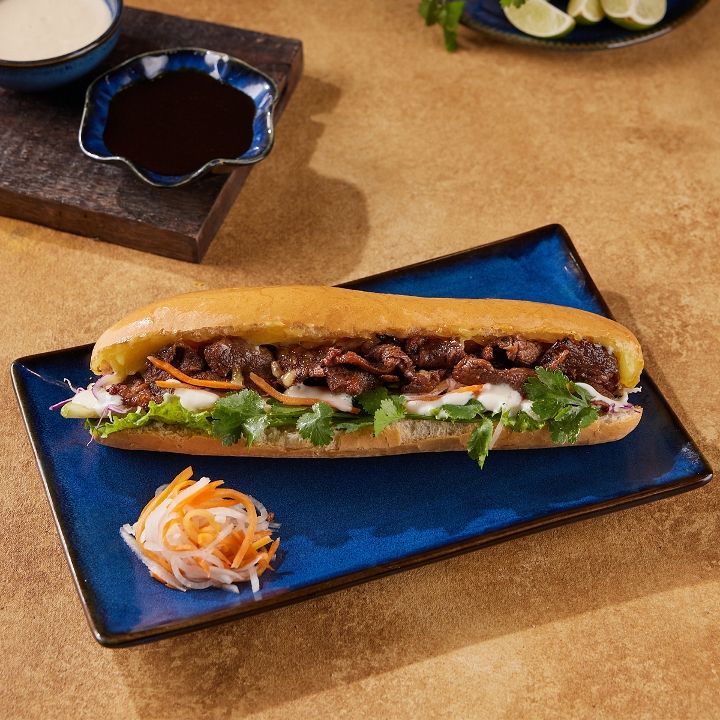
If you love Vietnamese food, you’ve probably had a Bánh Mì before - that light, crispy baguette filled with savory meat, crunchy vegetables, fresh herbs, and bold sauces. It’s sweet, salty, tangy, spicy, crunchy, and soft all at once. No other sandwich really tastes like it.
Among all the Bánh Mì styles out there, Grilled Beef Bánh Mì (Bánh Mì Bò Nướng) stands out for its smoky, juicy, marinated meat and its perfect balance of flavors. The best part? You don’t need a restaurant or special equipment to make it. With a few everyday ingredients and an easy marinade, you can make a restaurant-quality grilled beef Bánh Mì right at home.
More Articles ...
Page 4 of 62