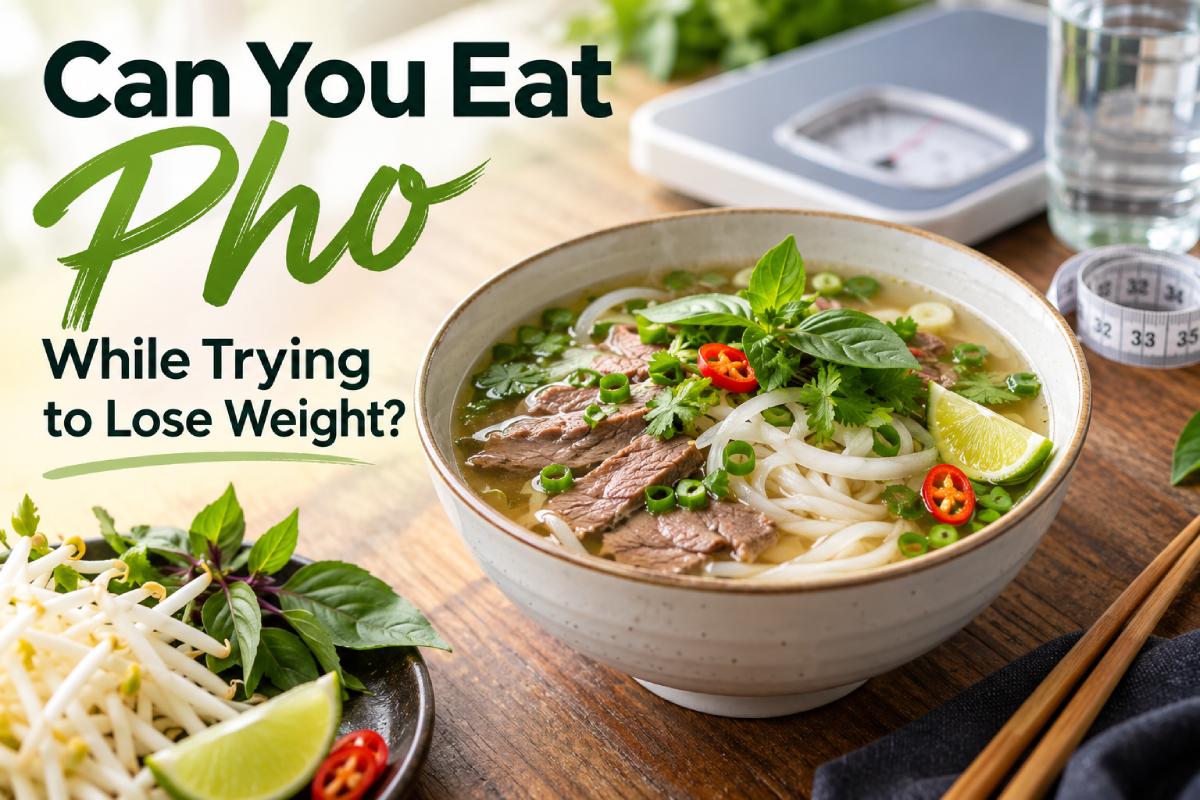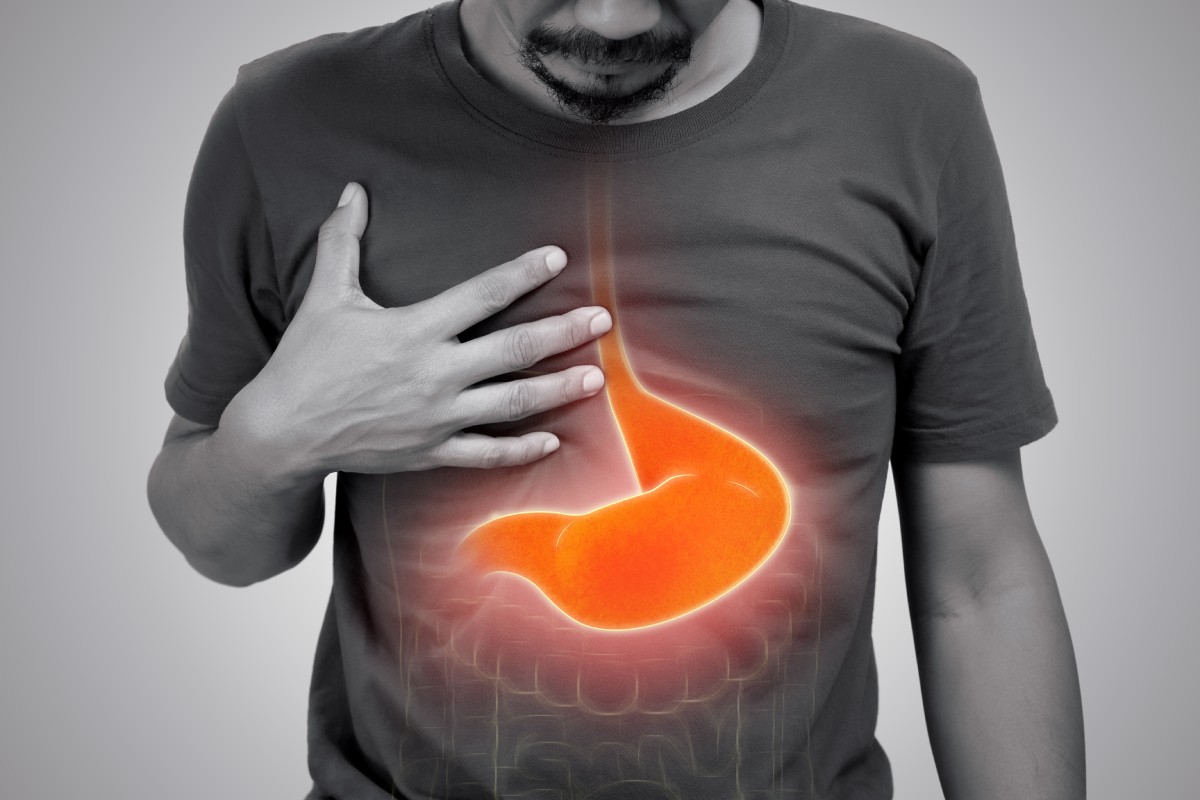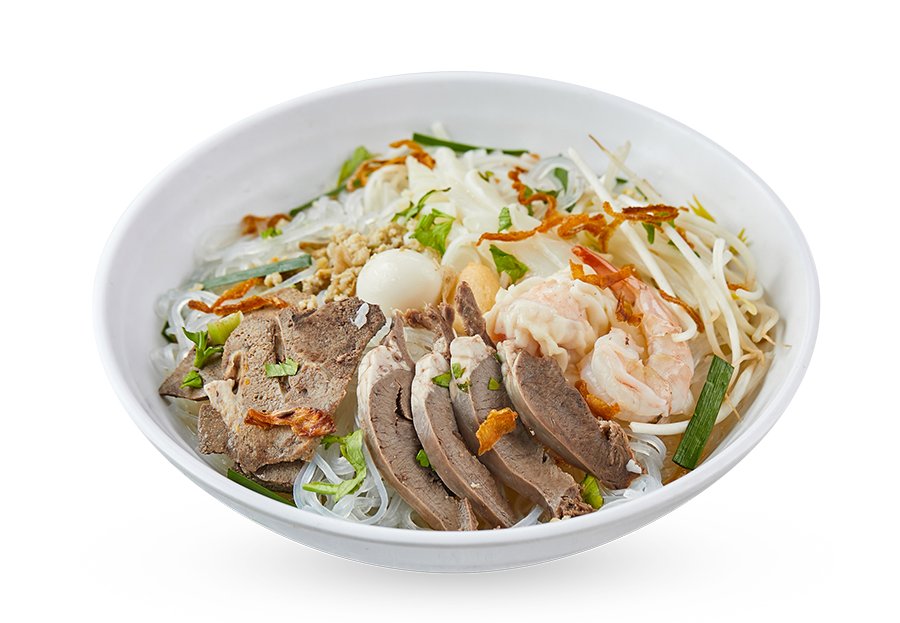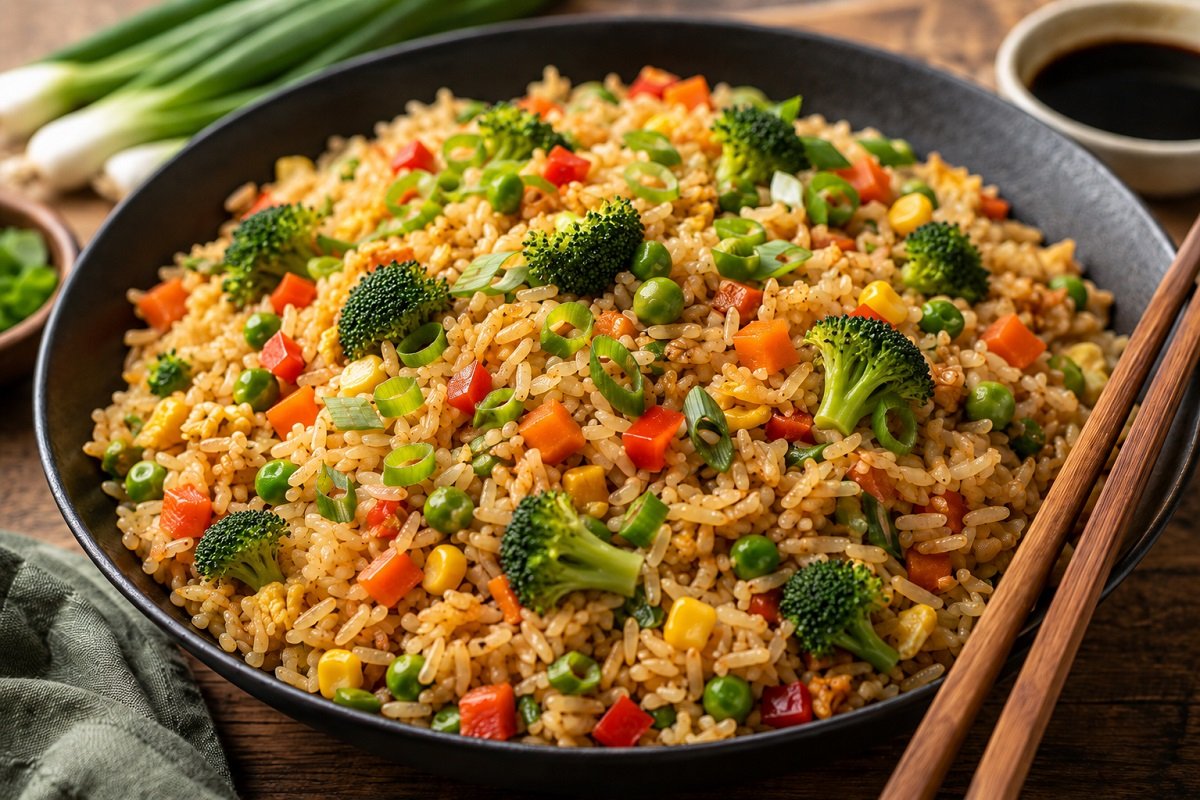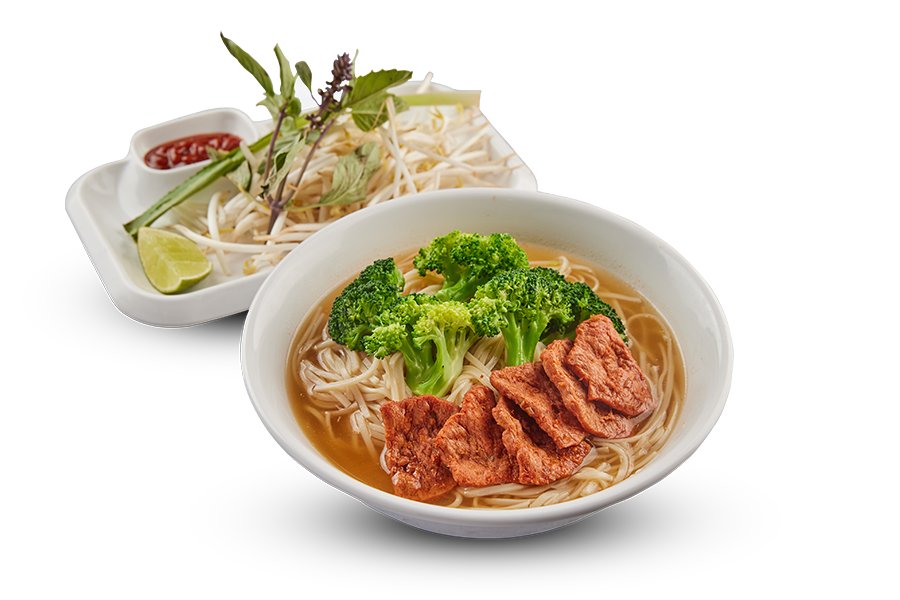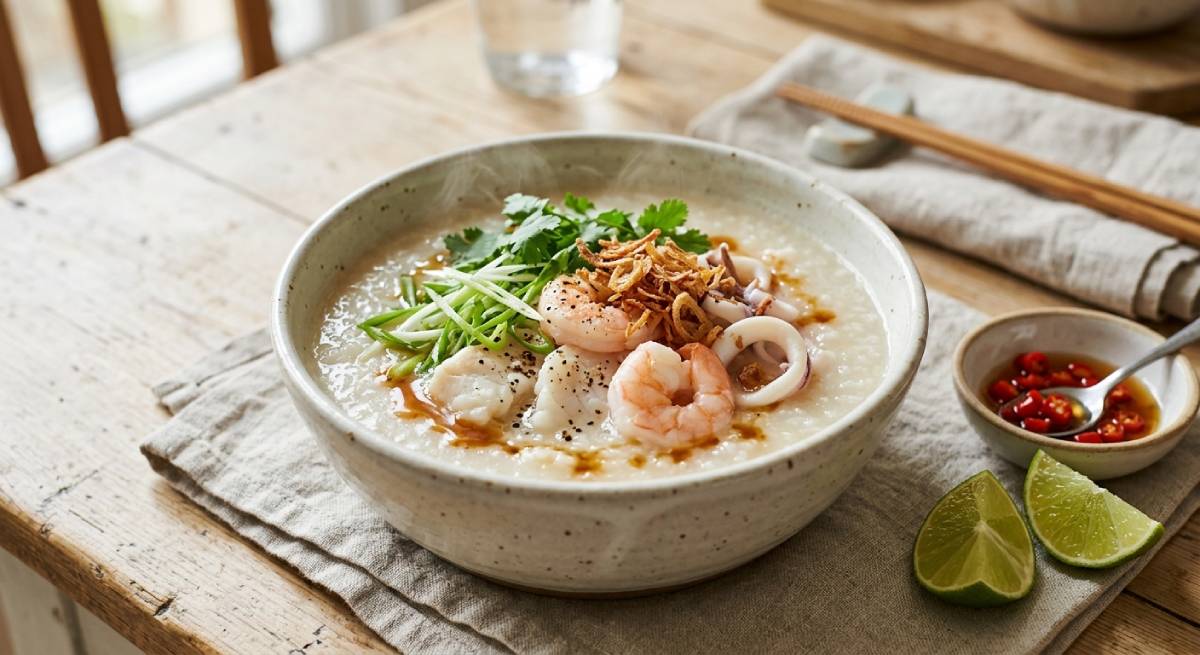
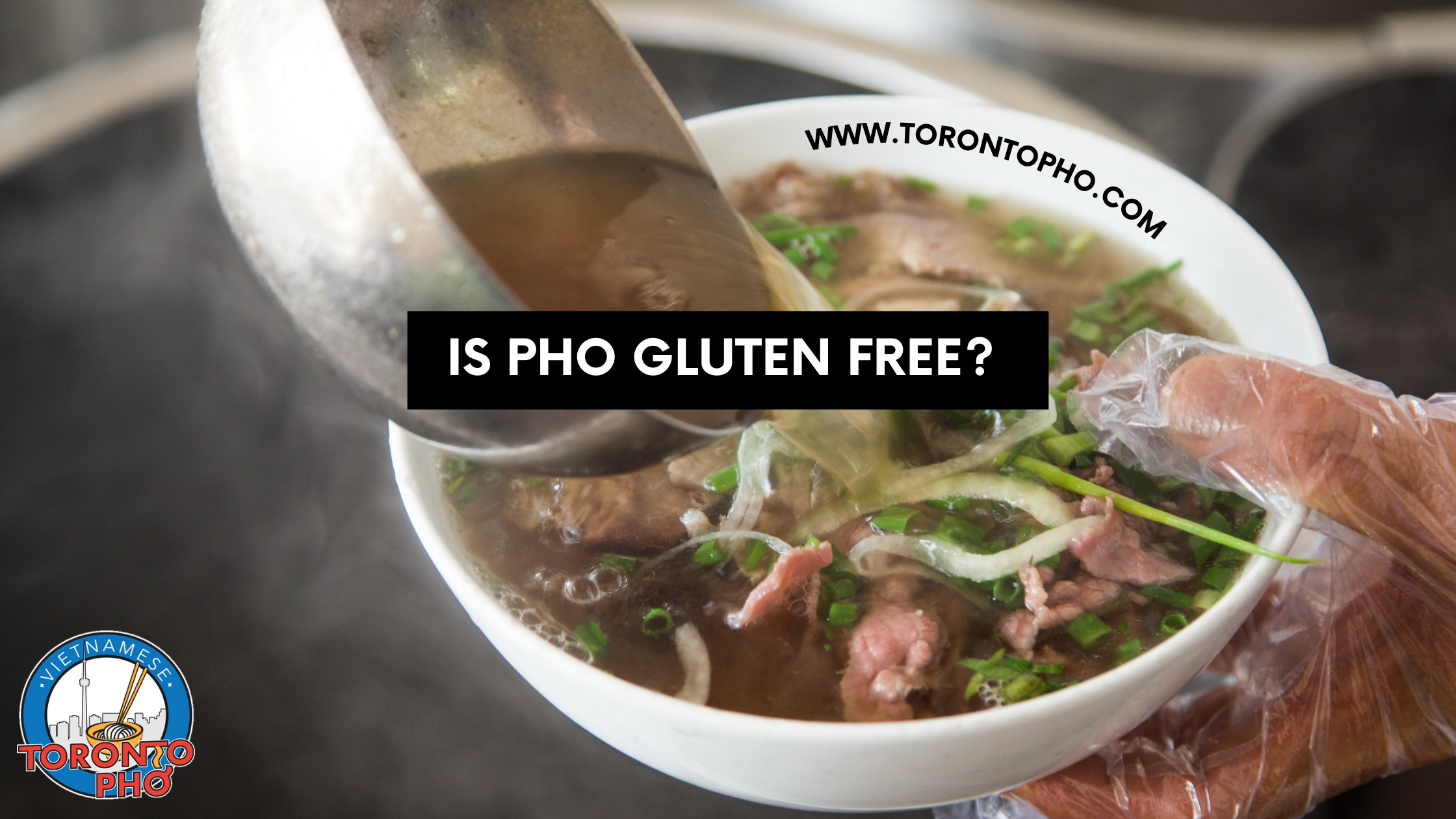
Pho is a traditional Vietnamese soup that is typically made with rice noodles, beef or chicken, and a variety of herbs and spices. While the ingredients in pho are generally gluten-free, the soup can be contaminated with gluten if it is not prepared properly.
If you're celiac or have a severe gluten allergy, it's important to take precautions when ordering pho. Make sure to ask your server about the soup's ingredients and how it is prepared. If you're unsure about whether or not the soup is safe for you to eat, it's best to be on the side of caution and avoid it altogether.
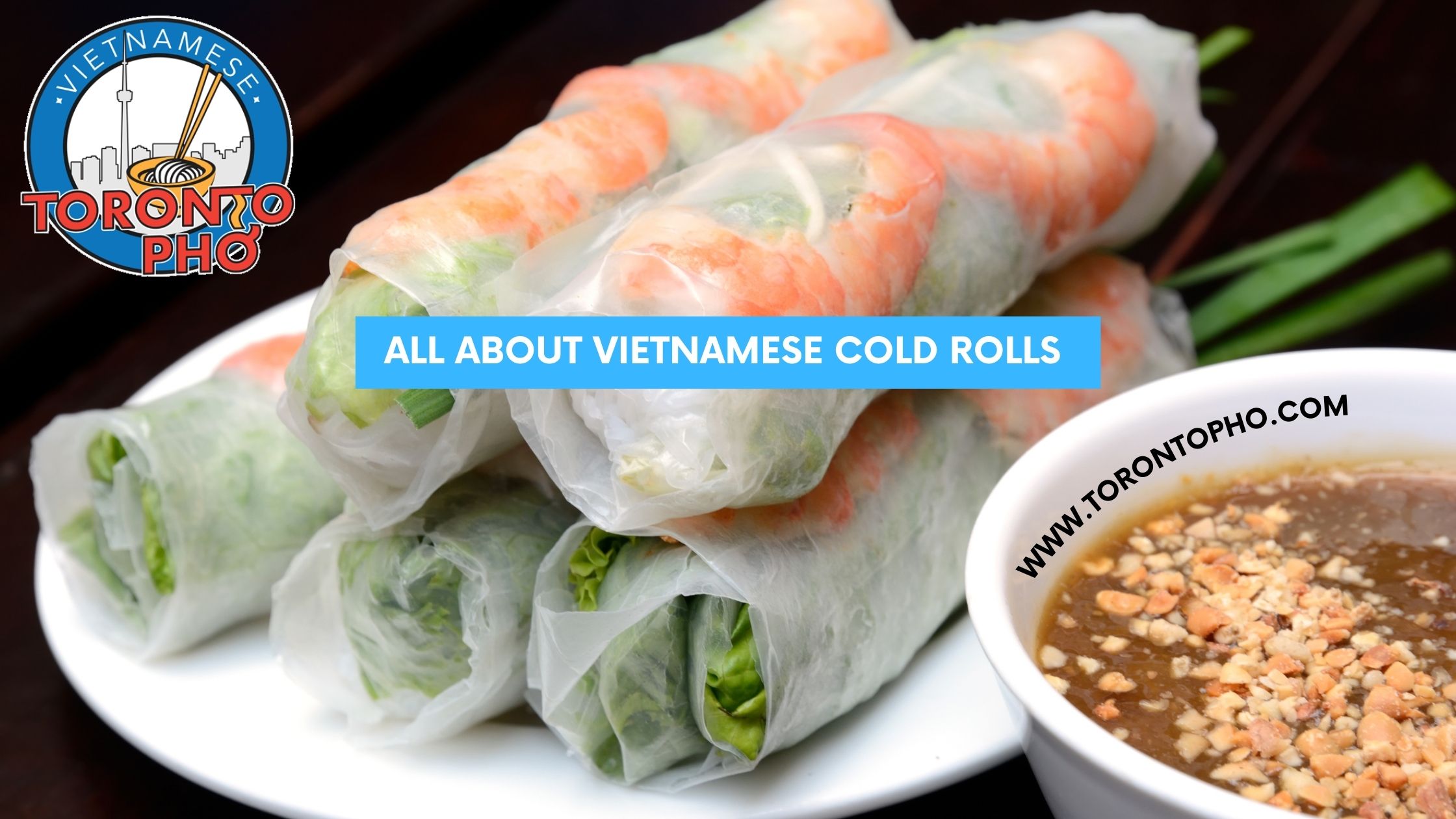
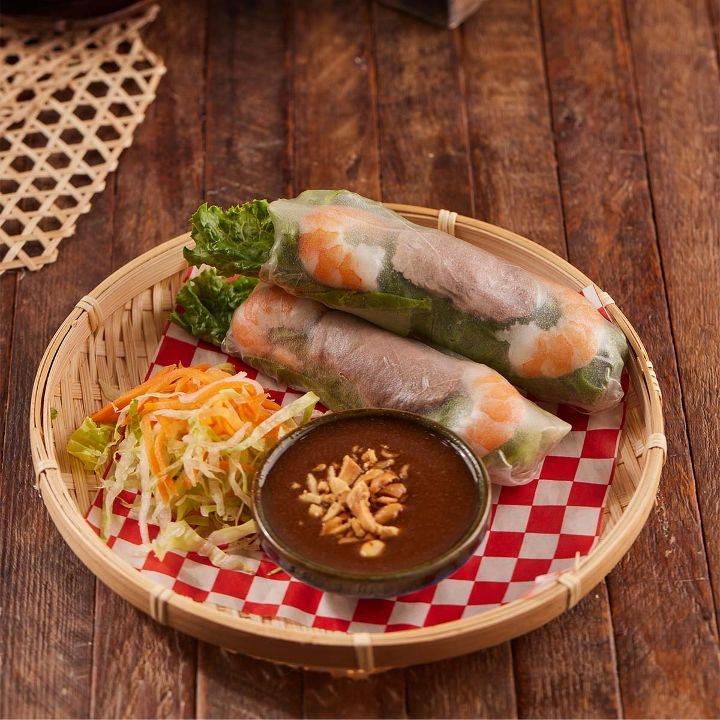
All about Vietnamese Cold Rolls!
What are Vietnamese cold rolls?
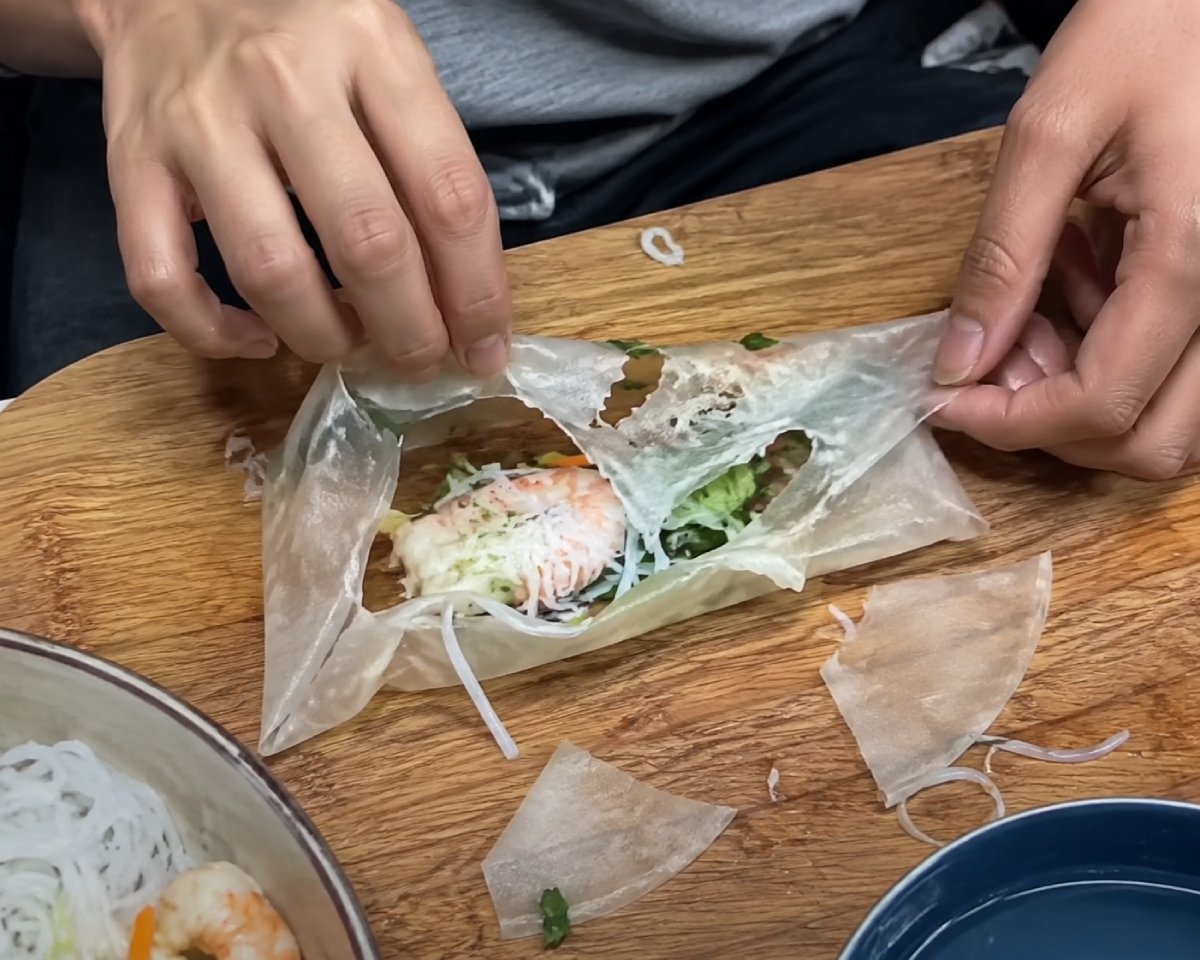
Vietnamese cold rolls, also known as spring rolls or fresh rolls, are a type of light and refreshing salad roll that is popular in Vietnam. Unlike traditional spring rolls, which are deep-fried, Vietnamese cold rolls are made with fresh ingredients and are often served with a dipping sauce.
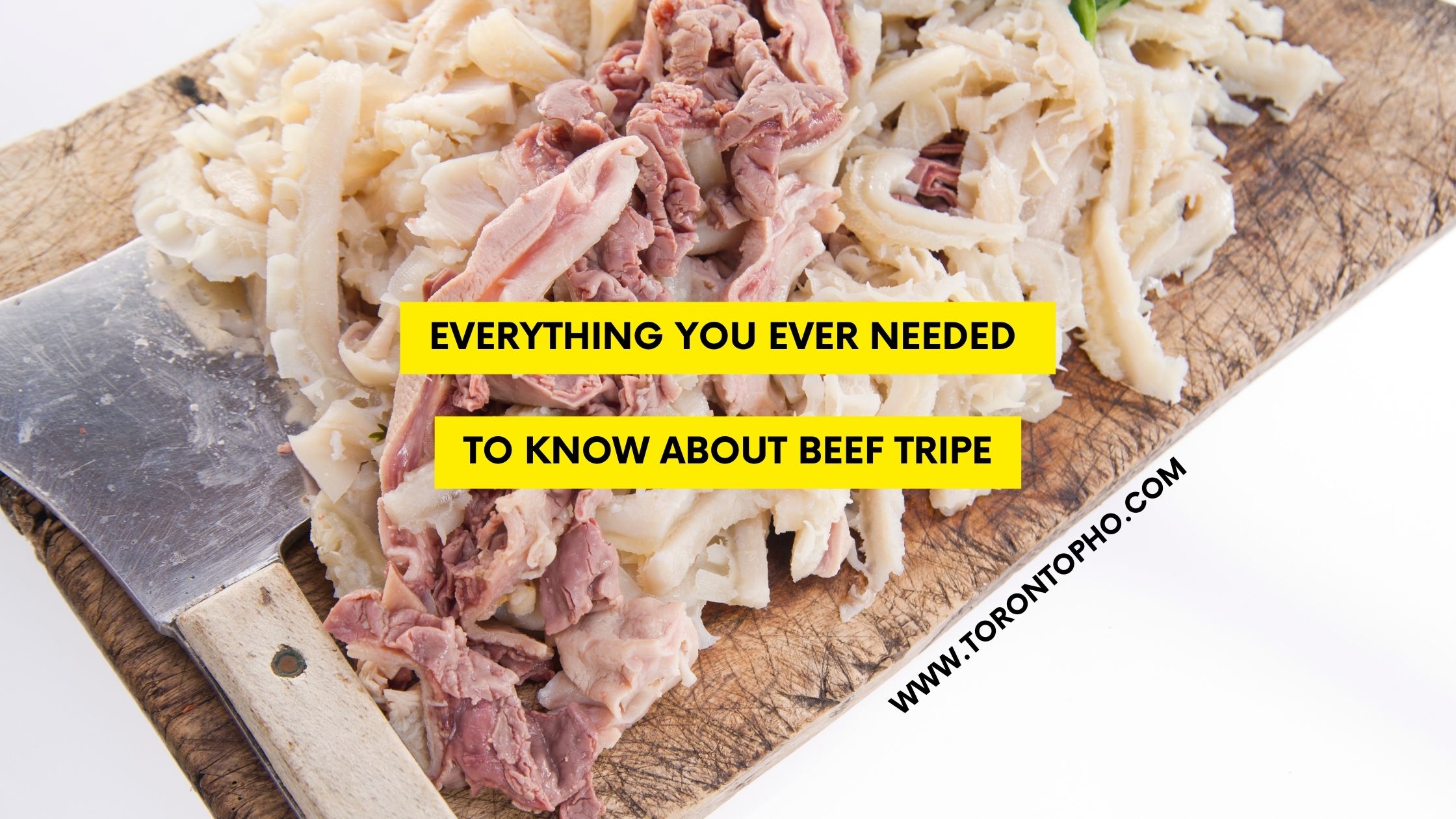
Everything You Ever Needed To Know About Beef Tripe!
Beef tripe is a popular addition to pho, and for good reason! This traditional Vietnamese soup is packed with flavor and nutrients. Tripe is an excellent source of protein and contains several important vitamins and minerals. It is also low in calories and fat.
What is Beef tripe?
Beef tripe is the stomach of a cow. It is a nutrient-rich organ meat that has been enjoyed by cultures around the world for centuries.
Is it safe to Eat Beef Tripe?
Yes! Tripe is an excellent and often low-cost source of clean protein. Protein aids in the maintenance of muscle mass and tissue repair by keeping you full and allowing your body to grow. Tripe contains 10 grams of protein per three-ounce serving, which is about 20% of the average daily requirement.
Can I eat Beef Tripe while pregnant?
Beef tripe is a safe and nutritious food for pregnant women. It is an excellent source of protein, iron, and other essential nutrients.
Read more: Everything You Ever Needed To Know About Beef Tripe
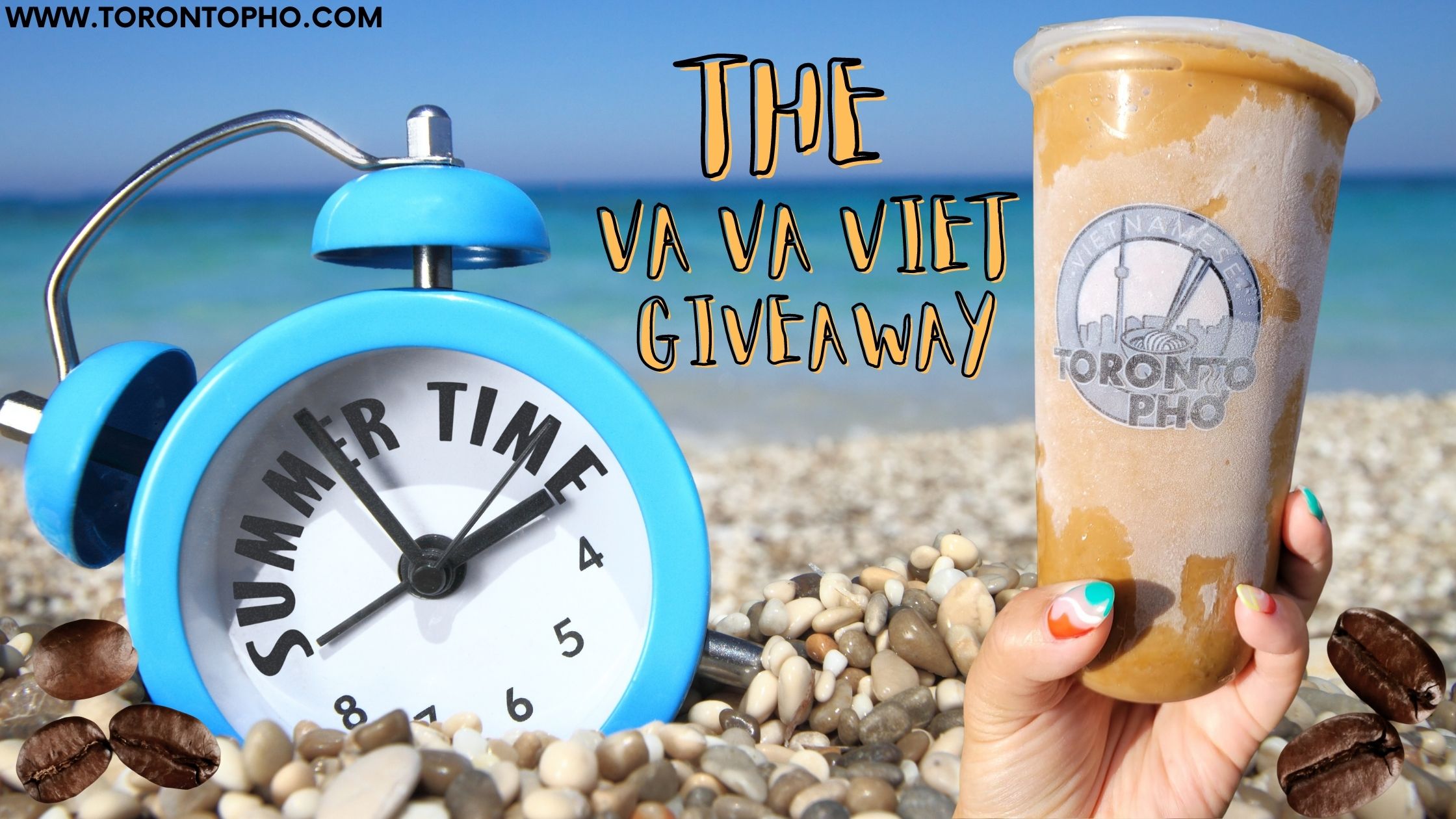
Va Va Vieting into the Summer!
The weather is getting hotter which means it's time to enjoy some refreshing iced drinks! At Toronto Pho, we have the perfect summer drink for you – The Va Va Viet. This delicious blended coffee drink is made with rich, robust iced coffee and a hint of sweetness for a truly refreshing experience. We brag about it being the best iced coffee in town, and we're not exaggerating. If you ask any of our regulars, they'll tell you the same! To date we have sold over 10 thousand cups of this heavenly drink.

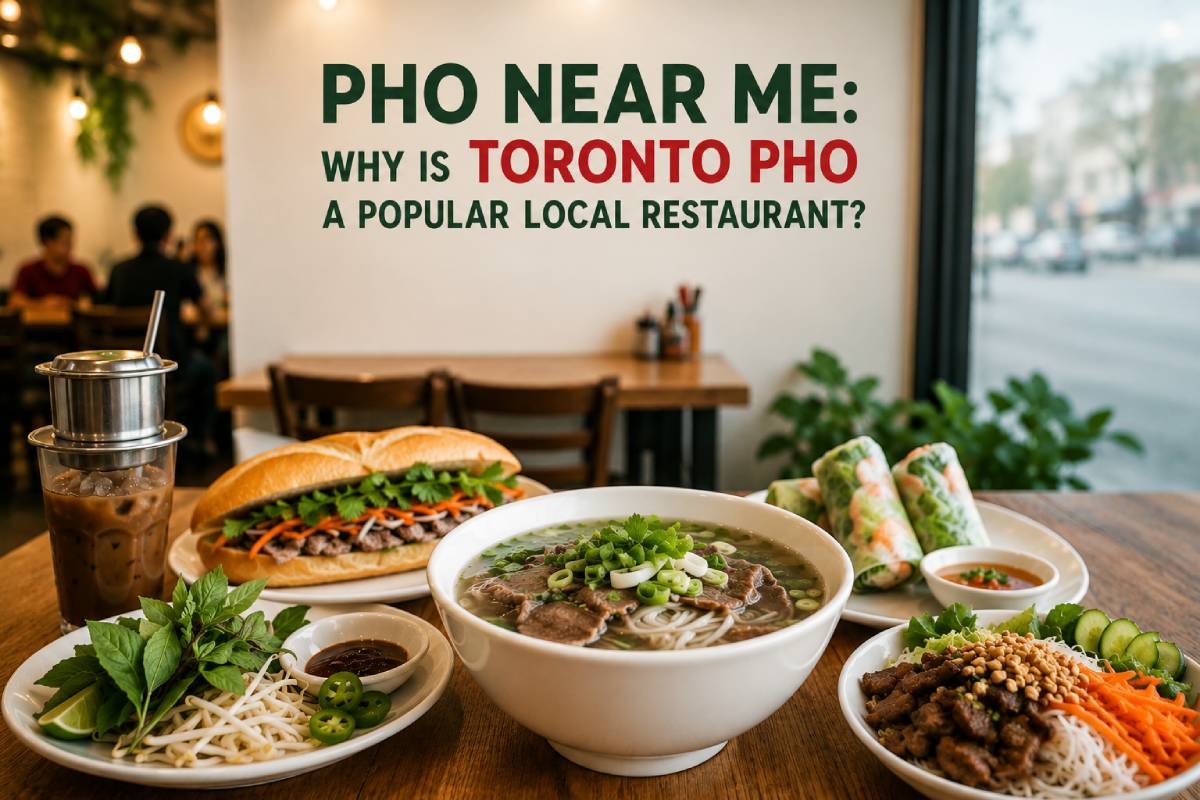
We've just recently opened our 4th location in Woodbridge and we know there are people in the community who have yet to try our Pho. This blog is meant to convince you why you should order Pho from us when you're looking for Pho near me in Woodbridge.
What is Pho?
Pho is a rice noodle soup that is often served with beef or chicken. It originates from Vietnam and is now popular all over the world. Pho soup broth is made by simmering beef or chicken bones, spices, and herbs for hours. The result is a healthy, flavorful, and comforting soup. Overall, it's a fantastic dish that even celebrities enjoy! The late Anthony Bourdain once said, "For me, a good bowl of Pho always makes me happy". This is actually on our walls at our Dufferin Street location. "It's my ultimate go-to," Macklemore told Bon Appetit.com "I never leave a pho experience regretting my meal." and we couldn't agree more!
Where's the Best Pho in Woodbridge?
Toronto Pho, of course. With our new location being in the Sonoma Heights area of Woodbridge at 51 rutherford rd we are closer to more people in Woodbridge than ever! We're now your go-to spot when you're looking for Pho near me.
You won't miss us when you see the outside windows with their authentic Toronto Pho flair. Fun Fact: Our indoor mural and outdoor window designs were created by the talented artists at BoldArtInc.com. We're happy to be working with local artists on this project, and we appreciate the chance to make it a reality.
Why should I eat Pho?
There are many reasons to try Pho and we've listed our top 10 below:
1. Our Pho is the perfect comfort food- whether you're feeling under the weather or just need a warm and hearty meal, Pho is always a great choice. At Toronto Pho, we make sure that our Pho soup is full of flavour and packed with tender meat and noodles.
2. Pho is a great way to get your protein intake, especially if you choose the beef Pho option. We use only the best cuts of beef so you know you're getting a good quality dish.
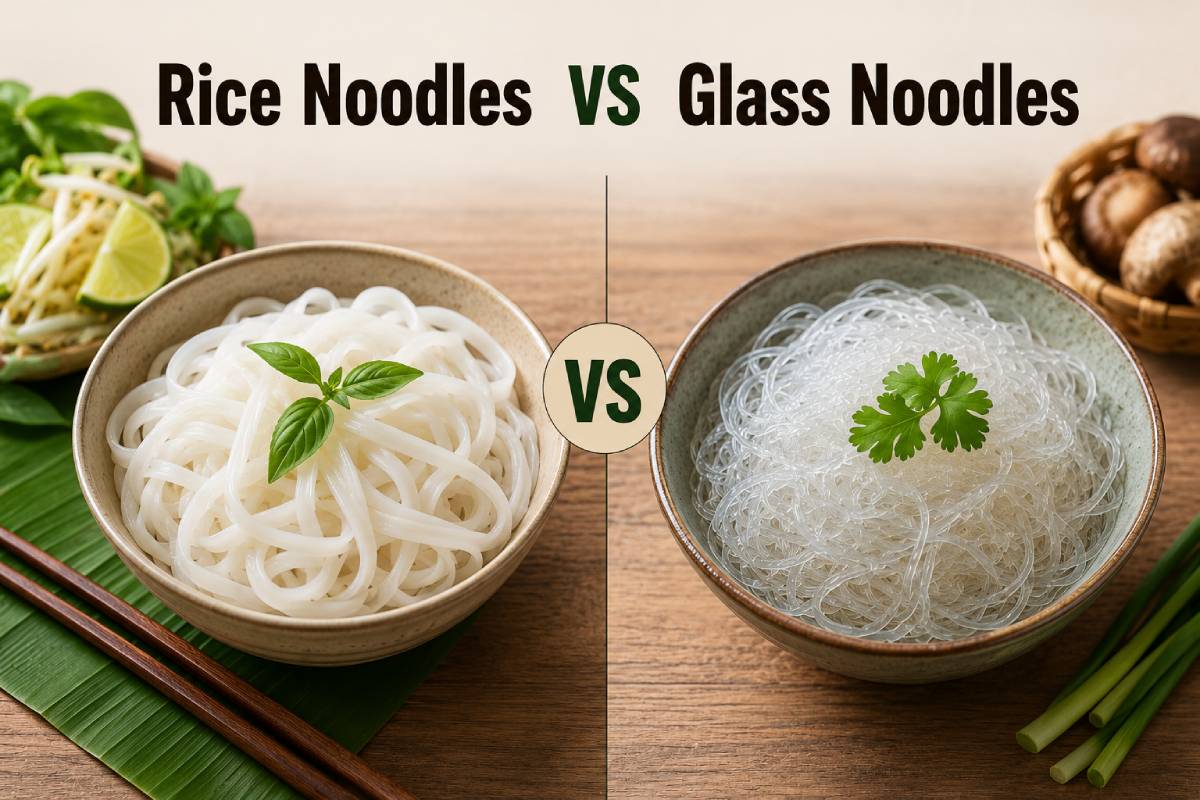
3. Pho is perfect for those who are gluten-free or trying to eat less wheat because the rice noodles are gluten-free.
4. Pho is low in calories yet filling, so it's a great soup to have if you're watching your weight but also won't leave you feeling hungry an hour later.
5. Pho is a great vegetarian or vegan option! Our vegetable Pho is made with fresh vegetables and vegan-friendly ingredients. Our Veggie pho comes with a generous portion of tofu, broccoli, carrots, mushrooms, and other seasonal veggies. We also carry a variety of vegan sauces and toppings that you can add to your Pho.
6. Pho is a very versatile dish – you can add whatever toppings you like, such as bean sprouts, fresh herbs, lime, and chilli peppers. You can get creative and customize your bowl of Pho to your own liking.
7. Pho is perfect for leftovers – simply reheat the soup and add whatever toppings you have on hand. Not a lot of food tastes great the next day but Pho is an exception!
8. Pho is a great way to try new flavours and ingredients if you're adventurous with your food. Our menu has so many items that we are positive you'll get to try something different every time you visit us!
9. Toronto Pho is open late at night which means you can satisfy your cravings at any time. Like our other locations, our Vaughan/Woodbridge location is also open late nights.
10. Pho is simply delicious and once you try it, you'll be hooked! We guarantee you'll become a fan of our dishes after just one visit.
We hope we've convinced you to try Pho and we can't wait to serve you at our Vaughan/Woodbridge!
Looking for Pho near me in Vaughan? Look no further than our new Woodbridge location! Our Pho is made with fresh ingredients and delicious broth that will leave you wanting more. Try our Pho today and see what you've been missing!

Have you heard about the new Toronto Pho that's opening in Woodbridge? If not, you're in for a treat! Pho is a delicious Vietnamese soup that's perfect for winter.
Even though we are known for our Pho, we also have an extensive drinks menu that includes bubble tea, smoothies, Vietnamese coffee and more!
Here are 4 drinks you MUST try at our new location
- Avocado Smoothie. This delicious smoothie is for the avocado lover. It's our take on a classic avocado smoothie but with a unique twist. Our Avocado Smoothie is made from real avocado, blended with milk, ice and finished with a tiny bit of condensed milk. The result is a creamy, rich and flavourful smoothie that is perfect for any occasion. Avocados have been widely discussed in the last decade for their wide range of health benefits. Avocado smoothies are a great source of vitamins, minerals, healthy fats, and fibre that is good for your digestion. The beauty of avocado is that it has a long list of health advantages without having to consume a lot of it. So if you're visiting us at our new location try this super-food in a super-smoothie!
- This is our signature Ice Coffee slush which packs the same punch as our Vietnamese coffee but with a slushie consistency. Since the summer, Va Va Viet - The Iced Viet Coffee Slushie has been a hit with our consumers. An Instagram user named it as part of a contest we held for it. Imagine a smoother Tim Horton's icecap but with a greater coffee flavour. If you enjoy ice coffee, you need to try this. Our clients have told some amazing stories about the lengths they've gone to obtain them. One of our customers bought 20 in bulk and froze them at her cottage! Every day, she just couldn't live without it. We're guessing that once Woodbridge consumers get a cup in their hands, they'll develop the same attachment.
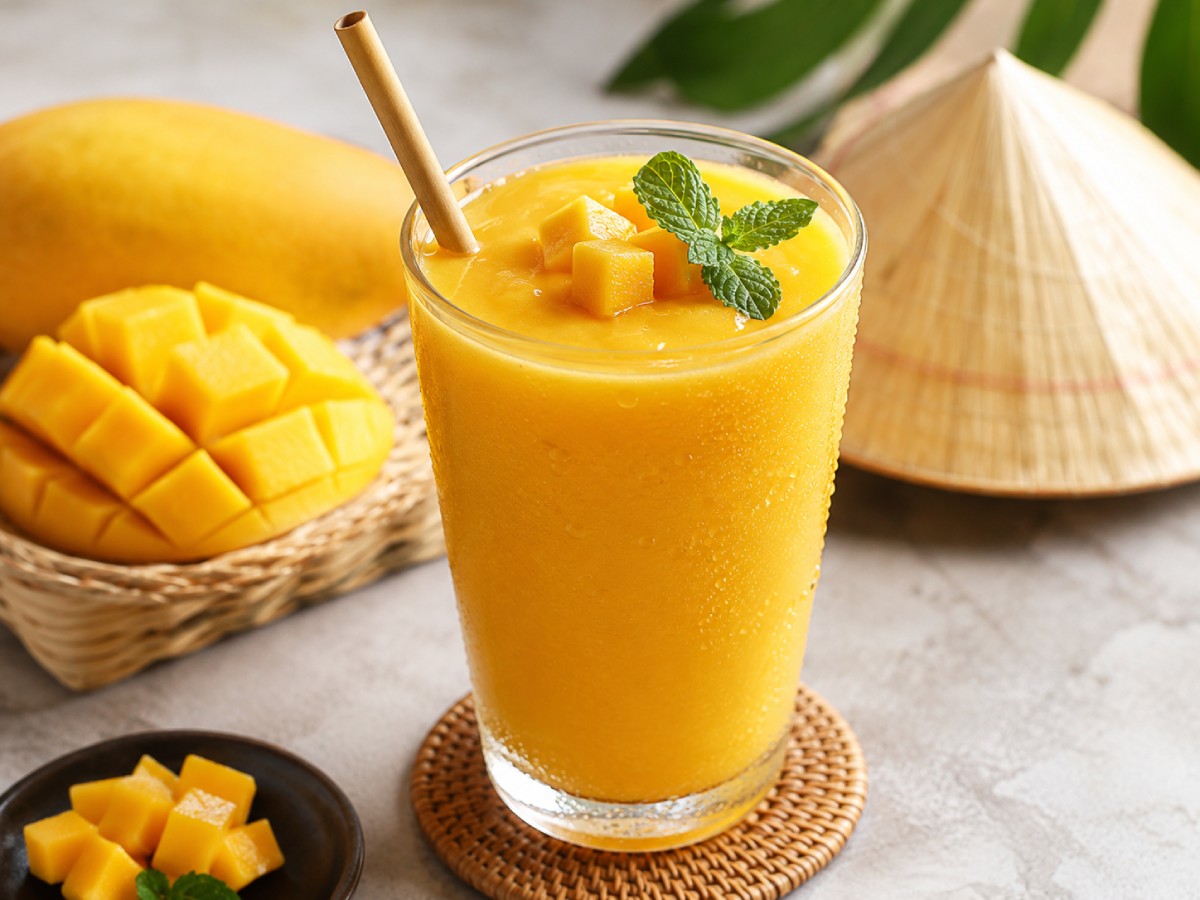
- Jackfruit Smoothie. This smoothie comes with a unique taste and texture. It's a popular tropical fruit that has a sweet and slightly chewy consistency. When blended, it gives the smoothie a creamy texture with a hint of sweetness. Jackfruit is an excellent source of vitamins C and A as well as potassium. Jackfruit is also known to have anti-inflammatory properties which can be beneficial for those who suffer from conditions such as arthritis. This smoothie is perfect for summer but can be enjoyed all year round.
- Brown Sugar Milk Tea. This is a classic at any bubble tea shop and at Toronto Pho in Woodbridge, it is also no exception. Brown sugar milk tea is a black tea with brown sugar syrup and condensed milk added. This drink also includes tapioca pearls which give it a unique chewy texture. This drink is perfect for those who are looking for a sweet and creamy tea beverage that isn't too strong. It's simple but delicious and perfect for those who want a sweet and refreshing drink without all the caffeine.
There are only 4 of the drinks we carry but there are so many more that we know you'll love! We hope you enjoy our drinks menu as much as we enjoyed creating it! Be sure to come and visit us at our new Toronto Pho location in Woodbridge. We can't wait to serve you some delicious Vietnamese cuisine!
More Articles ...
Page 35 of 65