What Does Bún Chả Hà Nội Mean?
The name tells you quite a bit about the dish.
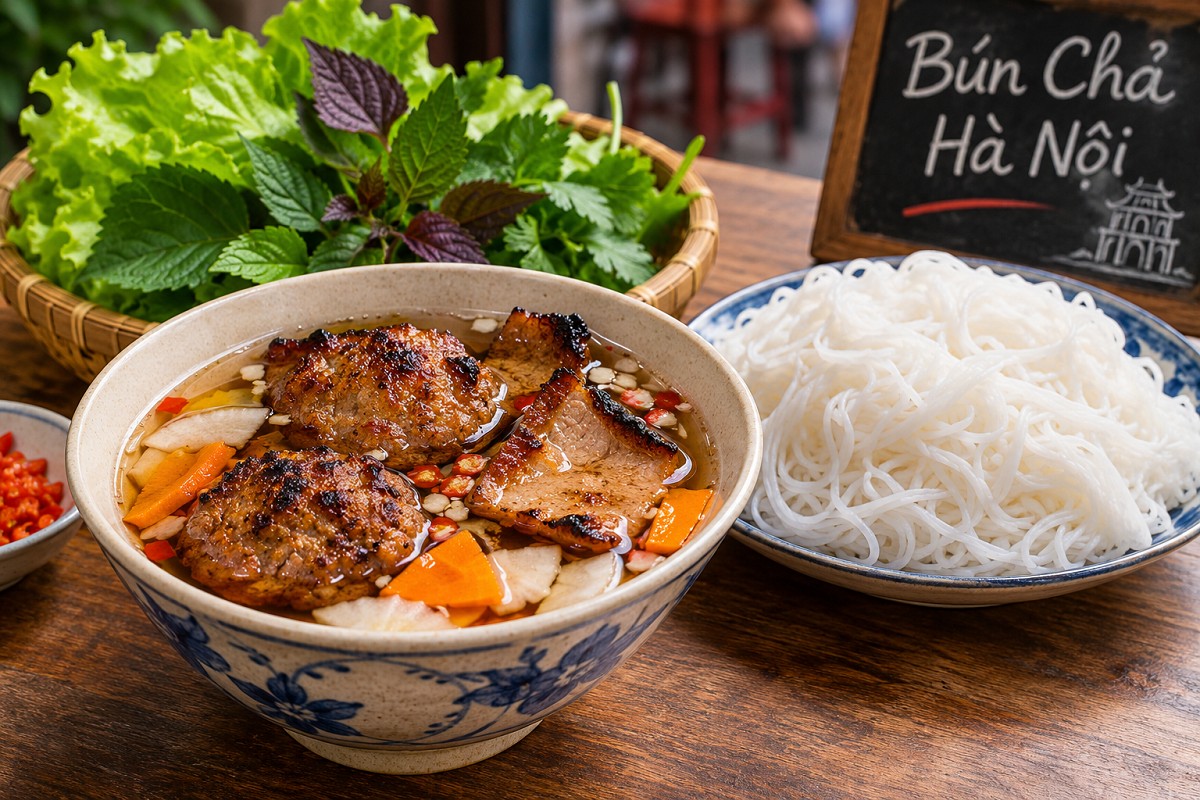
In Vietnamese, bún refers to thin rice vermicelli noodles, while chả refers to the seasoned grilled pork that forms the main part of this meal.
Hà Nội identifies the Vietnamese capital associated with the dish.
Together, Bún Chả Hà Nội describes Hanoi-style grilled pork served with rice vermicelli noodles.
The dish is strongly connected to Hanoi's everyday food culture. Traditionally enjoyed at lunchtime, it can be found at small restaurants, family-run food stalls, and casual eateries throughout the city.
Its popularity comes from a combination of familiar ingredients prepared with care. The pork offers richness, the noodles provide a mild base, and the herbs and dipping sauce keep the overall meal balanced.
What Are the Main Ingredients in Bún Chả?
Although recipes vary between families and restaurants, traditional Bún Chả usually includes five important components.
1. Grilled Pork
Pork is the star of Bún Chả.
Traditional preparations often use two styles: thin slices of pork belly and small patties made from seasoned ground pork.
The pork is typically marinated with ingredients such as fish sauce, sugar, garlic, shallots, and pepper before grilling.
Charcoal grilling is particularly associated with traditional Hanoi-style Bún Chả. The heat creates browned edges and a distinctive smoky aroma while helping the meat remain juicy inside.
The two pork styles also provide contrasting textures. Pork belly offers tender layers of meat and fat, while ground pork patties have a softer, more uniform texture.
2. Rice Vermicelli Noodles
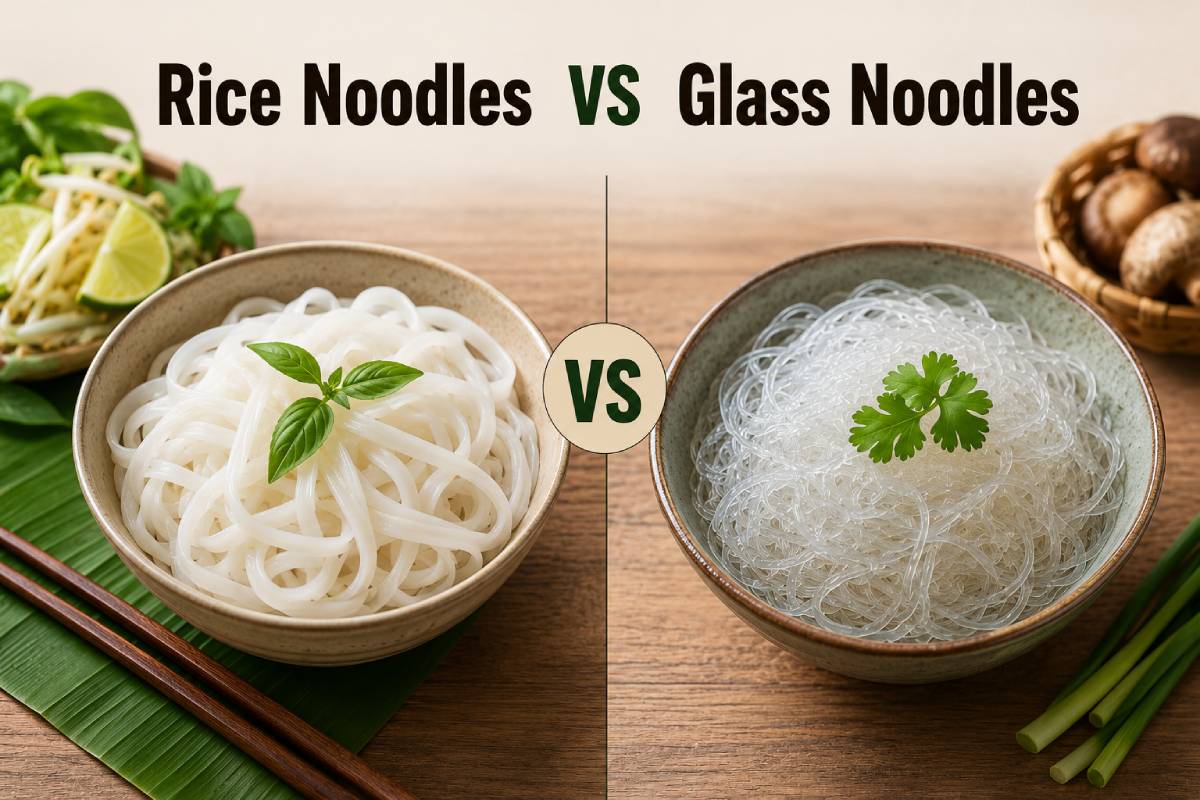
Bún Chả uses thin, white rice noodles made primarily from rice flour and water.
These noodles are soft, light, and relatively neutral in flavour.
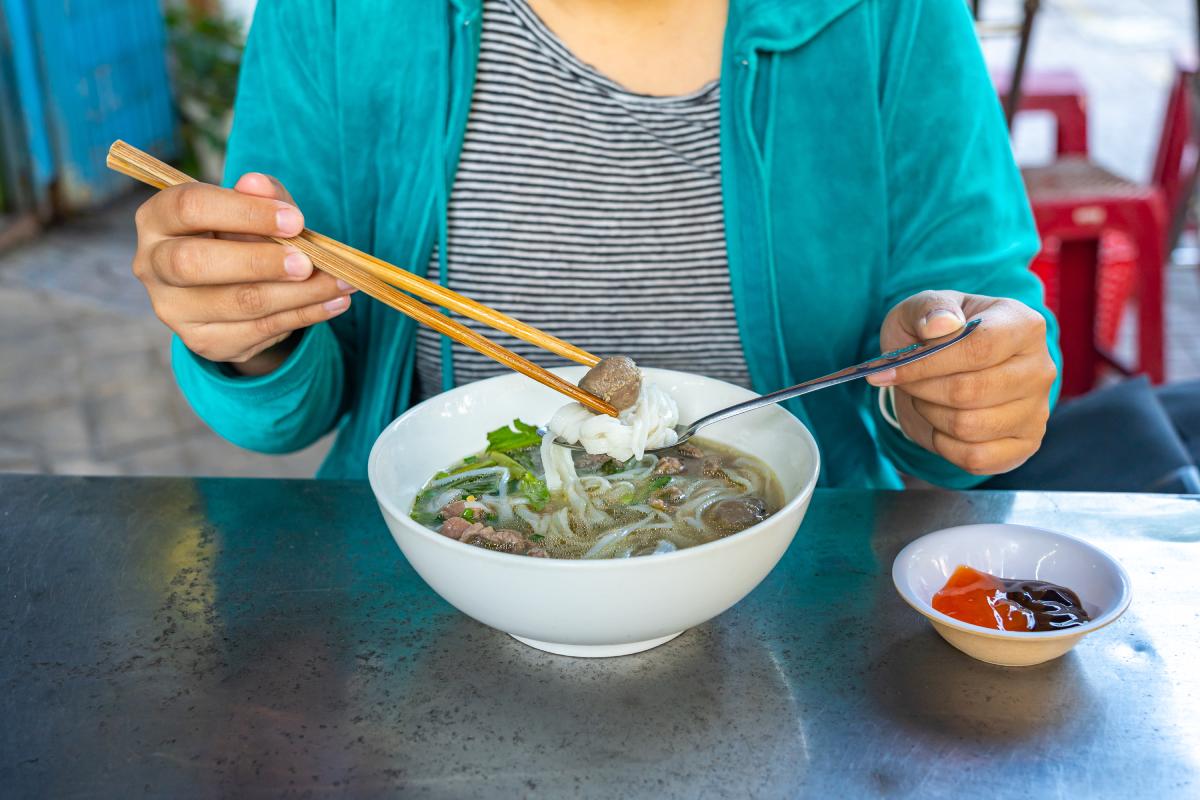
Unlike pho noodles, which are generally flat, bún noodles are thin and round.
They are normally cooked, rinsed, drained, and served at room temperature rather than boiling hot.
Their mild flavour allows the grilled pork and dipping sauce to stand out.
3. Sweet and Savoury Dipping Sauce
The dipping sauce is one of the most important features of Bún Chả.
It is commonly prepared with fish sauce, water, sugar, and vinegar or lime juice. Garlic and chilli may also be included.
The goal is a balance of salty, sweet, sour, and savoury flavours.
Unlike thick sauces used in some noodle dishes, Bún Chả sauce is generally thin and light enough for dipping.
It is often served slightly warm, with pieces of grilled pork sitting directly in the bowl.
4. Fresh Herbs and Vegetables
Fresh ingredients provide a refreshing contrast to the grilled meat.
Depending on the restaurant, a serving may include lettuce, mint, Vietnamese perilla, coriander, or other local herbs.
The vegetables add crispness, freshness, and aromatic flavours.
They also allow diners to adjust each bite according to their preferences.
5. Pickled Vegetables
Small pieces of pickled green papaya or carrot are often added to the dipping sauce.
Their slightly sour flavour helps balance the sweetness of the sauce and the richness of the pork.
They also contribute a pleasant crunch.
Together, these five components create a meal that feels substantial without relying on a heavy broth or creamy sauce.
How Is Traditional Bún Chả Prepared?
Making Bún Chả involves several relatively simple steps, but achieving the right balance requires attention.
First, the pork is sliced or shaped into patties and mixed with a marinade. The meat is allowed to absorb the seasoning before cooking.
Next, the pork is grilled, traditionally over charcoal. The cook turns the meat regularly to develop a caramelized exterior without drying it out.
Meanwhile, the rice vermicelli is cooked and drained.
The dipping sauce is prepared separately by combining fish sauce, water, sugar, and an acidic ingredient. Pickled vegetables are then added.
Finally, the dish is served with grilled pork in or alongside the sauce, noodles on a separate plate, and fresh herbs within easy reach.
One important feature is that the ingredients are not necessarily combined before serving.
Instead, diners assemble their own bites, allowing them to enjoy different amounts of noodles, meat, herbs, and sauce.

How Do You Eat Bún Chả Hà Nội?
If you have never tried Bún Chả, its presentation may look unusual at first.
You might receive several plates and bowls rather than one fully assembled meal.
However, eating it is straightforward.
- Use your chopsticks to pick up a small portion of rice vermicelli.
- Dip the noodles into the bowl of sauce containing the grilled pork.
- Add a piece of pork and some fresh herbs.
- Enjoy the combination, adjusting the proportions as you continue eating.
Some diners dip small portions directly into the sauce, while others transfer a little of each ingredient into their own bowl.
There is no need to mix everything together immediately.
Taking smaller portions lets you appreciate the contrast between warm pork, room-temperature noodles, crisp vegetables, and savoury sauce.
You can also add chilli if you prefer extra heat.
What Does Bún Chả Taste Like?
Bún Chả is known for its combination of smoky, savoury, sweet, and refreshing flavours.
The grilled pork provides most of the richness, especially when pork belly is used. Caramelization from the grill adds a slightly sweet, roasted flavour.
The dipping sauce contributes saltiness, sweetness, and acidity.
Rice vermicelli softens these stronger flavours and makes the dish more filling.
Fresh herbs introduce fragrant notes, while pickled vegetables provide acidity and crunch.
What makes Bún Chả distinctive is how these flavours work together.
A bite containing mostly pork tastes rich and smoky. Adding more herbs makes it fresher, while dipping the noodles into the sauce brings everything together.
The experience changes slightly with every mouthful.
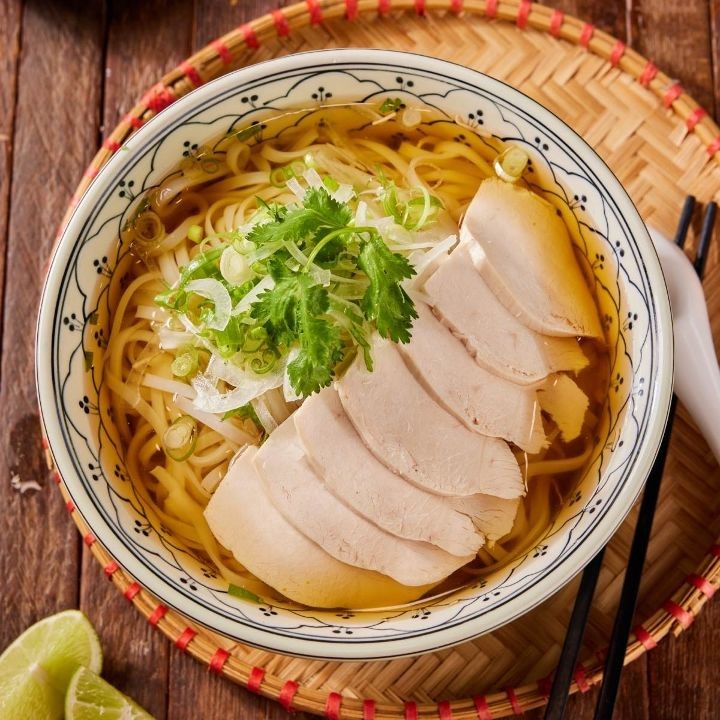
Bún Chả vs. Pho: What's the Difference?
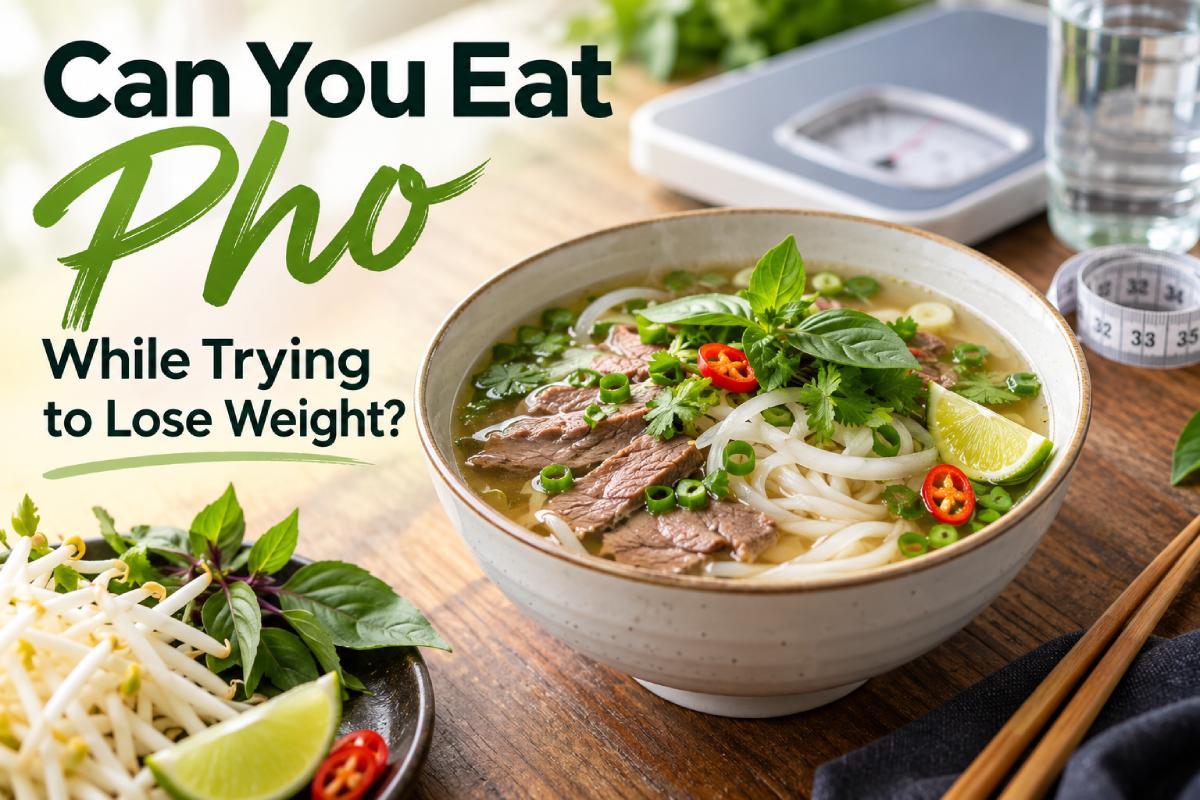
Bún Chả and pho are both important Vietnamese dishes, but they are prepared and served quite differently.
|
Feature |
Bún Chả Hà Nội |
Pho |
|
Main ingredient |
Grilled pork |
Usually beef or chicken |
|
Noodles |
Thin, round rice vermicelli |
Flat rice noodles |
|
Cooking method |
Grilled meat served with dipping sauce |
Meat and noodles served in broth |
|
Serving temperature |
Warm pork with room-temperature noodles |
Typically served hot |
|
Main flavour |
Smoky, sweet, tangy, savoury |
Aromatic, savoury broth |
Pho is built around its broth, which develops flavour through simmering bones, spices, and other ingredients.
Bún Chả focuses more on grilled pork and the balance between its dipping sauce and fresh accompaniments.
Both dishes demonstrate how Vietnamese cooking uses rice noodles in different ways.
For someone familiar with pho, trying Bún Chả offers an opportunity to experience another side of Vietnamese cuisine.
Is Bún Chả the Same as Bún Thịt Nướng?
Bún Chả and Bún Thịt Nướng are sometimes confused because both feature grilled pork, rice vermicelli, vegetables, and fish sauce-based dressing.
However, they are not identical.
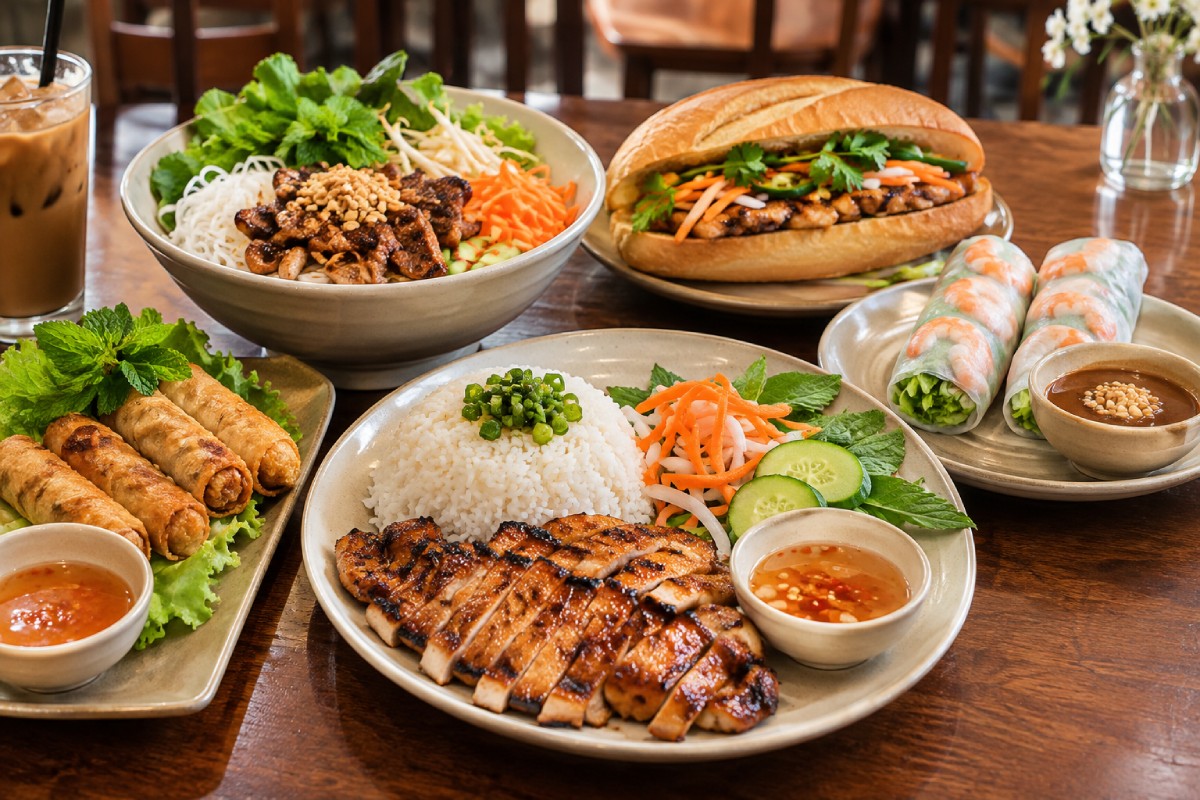
Bún Thịt Nướng is especially associated with Southern Vietnamese cuisine. It is commonly served as a noodle bowl with grilled pork, vegetables, herbs, and sometimes crushed peanuts or fried spring rolls.
The dressing is usually poured over the ingredients and mixed into the bowl.
Hanoi-style Bún Chả, by contrast, typically presents the grilled pork in a separate bowl of diluted dipping sauce, with noodles and herbs served alongside.
Regional cooking traditions and restaurant interpretations can create variations, but this difference in presentation is a useful way to distinguish the two dishes.
Why Is Bún Chả So Popular in Hanoi?
Bún Chả has long been part of Hanoi's casual dining culture.
Its ingredients are relatively familiar, yet the grilling process creates distinctive flavours that make it memorable.
The dish also suits a quick, satisfying lunch. Diners can enjoy freshly grilled meat, noodles, and vegetables without the lengthy preparation required for some other meals.
Another reason for its popularity is its flexibility.
People can choose how much sauce to use, how many herbs to add, and how to combine the ingredients.
Bún Chả also gained considerable international attention in 2016, when former U.S. President Barack Obama shared a meal of Bún Chả with chef and television host Anthony Bourdain at a Hanoi restaurant.
That widely publicized meal introduced many international viewers to a dish that Hanoi residents had already enjoyed for generations.
Is Bún Chả a Healthy Meal?
Bún Chả can provide a combination of protein, carbohydrates, and vegetables.
Pork supplies protein, while rice vermicelli provides carbohydrates for energy. Herbs and vegetables contribute fibre and various nutrients.
However, its nutritional profile depends on portion sizes and preparation.
Pork belly contains more fat than leaner cuts, while the dipping sauce may contribute significant sodium and added sugar.
For a more balanced meal, diners can include plenty of vegetables, choose moderate portions of fatty pork, and use the sauce according to taste.
Rice noodles are naturally made without wheat in many traditional recipes, but anyone avoiding gluten should check sauces and other ingredients because recipes vary.
Bún Chả is best understood as a complete meal whose nutritional value depends on its ingredients, proportions, and preparation.
Can You Find Bún Chả Outside Vietnam?
Yes. As Vietnamese cuisine has become more widely appreciated internationally, Bún Chả has appeared on menus in Vietnamese restaurants around the world.
However, availability depends on the restaurant and its regional specialties.
Some restaurants focus mainly on pho, bánh mì, and other widely recognized dishes, while others offer a broader range of traditional Vietnamese meals.
When looking for Bún Chả, check whether the menu describes grilled pork with rice vermicelli, fresh herbs, and a dipping sauce.
You may also see it listed as Hanoi-style grilled pork and noodles.
Because restaurants adapt recipes to local ingredients and customer preferences, flavours and presentation may differ slightly from those found in Hanoi.
Final Thoughts: Discovering Another Side of Vietnamese Food
Bún Chả Hà Nội shows how a few carefully prepared ingredients can create a memorable meal.
Smoky grilled pork, tender rice vermicelli, fragrant herbs, crunchy vegetables, and a balanced dipping sauce each have their own role.
Rather than relying on one dominant flavour, the dish brings together contrasting tastes, textures, and temperatures.
It also reflects an important part of Vietnamese food culture: fresh ingredients, thoughtful preparation, and the enjoyment of combining flavours at the table.
For anyone who already loves pho, Bún Chả is a reminder that Vietnamese cuisine extends far beyond noodle soup.
And for someone discovering Vietnamese food for the first time, it offers a delicious introduction to the distinctive cooking traditions of Hanoi.